Table of Contents >> Show >> Hide
- Why Blowing into a Trumpet Is Different from Blowing into a Flute or Recorder
- Step 1: Stand or Sit with Good Trumpet Posture
- Step 2: Take a Deep, Relaxed Breath
- Step 3: Form a Natural Embouchure
- Step 4: Practice Lip Buzzing Without the Trumpet
- Step 5: Buzz on the Trumpet Mouthpiece
- Step 6: Hold the Trumpet Correctly
- Step 7: Blow into the Trumpet and Create Your First Note
- Step 8: Practice Long Tones and Simple Starts
- Common Mistakes When Learning How to Blow into a Trumpet
- Beginner Practice Routine for Better Trumpet Sound
- How to Know You Are Blowing Correctly
- Real Beginner Experience: What Learning to Blow into a Trumpet Feels Like
- Conclusion
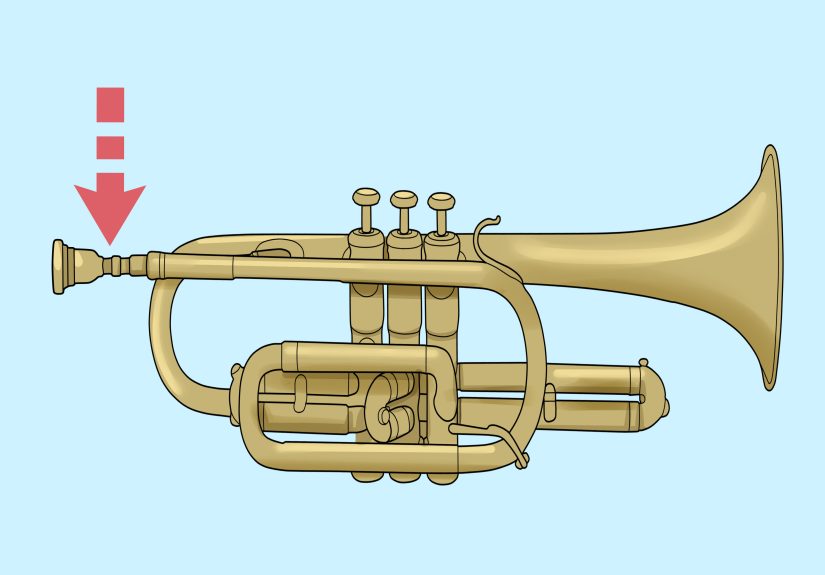
Learning how to blow into a trumpet sounds simple until you try it and your first note comes out like a confused duck trapped in a tin can. Do not panic. Every trumpet player, from school-band beginner to jazz-club wizard, has met that strange first buzz. The trumpet is a brass instrument, which means the sound does not come from simply blowing air into a tube. The sound starts when your lips vibrate inside the mouthpiece, creating a buzz that the trumpet amplifies into a musical tone.
The good news? You do not need superhuman lungs or magical lips. You need posture, steady air, a relaxed face, a good embouchure, and patience. In plain English, embouchure means the way your lips, mouth corners, jaw, and facial muscles work together when you play. Think of it as the “mouth setup” for trumpet playing. Get that setup right, and the trumpet becomes much less mysterious.
This beginner-friendly guide explains how to blow into a trumpet in 8 practical steps. You will learn how to sit or stand, breathe, form your lips, buzz the mouthpiece, place the trumpet correctly, create your first tone, avoid common mistakes, and build a simple practice routine. By the end, you may not sound like Louis Armstrong yet, but you will know exactly what to practiceand your neighbors may even forgive you.
Why Blowing into a Trumpet Is Different from Blowing into a Flute or Recorder
Many beginners think the trumpet works like a party horn: blow hard enough, and sound appears. Unfortunately, the trumpet is not impressed by brute force. If you blast air without forming your lips correctly, you will usually get air noise, puffed cheeks, or a squeak that sounds like the instrument is filing a complaint.
On a trumpet, your lips act like a vibrating reed. The mouthpiece helps focus that vibration, and the trumpet tubing turns it into a full sound. That is why trumpet teachers often ask students to practice buzzing on the mouthpiece before playing the full instrument. Mouthpiece buzzing helps you feel how airflow and lip vibration work together without worrying about valves, fingerings, or reading music.
The secret is not “more pressure.” It is better coordination. Your air should move freely, your lips should stay lightly together, your mouth corners should support the shape, and the mouthpiece should rest gentlynot smashagainst your lips.
Step 1: Stand or Sit with Good Trumpet Posture
Before you even touch the mouthpiece, fix your posture. Trumpet playing begins in the body, not the lips. If you slump, twist, or squeeze your shoulders up near your ears, your air will feel trapped. A trumpet needs a steady stream of air, and your body must be open enough to provide it.
Best posture for beginners
If you are standing, keep your feet about shoulder-width apart, knees relaxed, chest open, and shoulders down. If you are sitting, move slightly forward on the chair, place both feet flat on the floor, and sit tall without leaning back like you are watching TV after Thanksgiving dinner.
Your head should balance naturally over your spine. Avoid pushing your chin forward or tucking it down. The trumpet should come to your face; your face should not chase the trumpet. This small detail prevents neck tension and helps the mouthpiece meet your lips at a comfortable angle.
Step 2: Take a Deep, Relaxed Breath
Trumpet tone depends on air. Not angry air. Not panicked air. Smooth, full, relaxed air. Take a quiet breath through your mouth, as if you are saying “oh.” Your ribs and lower torso should expand naturally. Your shoulders should not jump upward. If they do, you are probably taking a shallow breath.
Imagine filling a balloon from the bottom up. You do not need to overthink anatomy or lecture your diaphragm like it is late for work. Just breathe low, stay relaxed, and prepare to release the air in one steady stream.
Try this breathing drill
Breathe in for four counts, then blow out for eight counts using a smooth “too” or “oh” air shape. Keep the airflow even from beginning to end. This teaches control, which is much more useful than simply blowing as hard as possible.
Step 3: Form a Natural Embouchure
Your embouchure is the lip shape that allows the trumpet to speak. Start by saying “em” or “mmm.” Notice how your lips touch lightly. That is close to the feeling you want. The lips should be together, but not clamped shut. The corners of your mouth should feel gently firm, while the center remains flexible enough to vibrate.
A common beginner mistake is smiling while playing. Smiling pulls the lips thin and tight, which can make the sound weak, airy, or painfully pinched. Another mistake is puckering too much, as if asking the mouthpiece for a romantic comedy kiss. The best beginner embouchure is somewhere in the middle: lips together, corners supported, face natural.
What your face should feel like
Your cheeks should stay mostly relaxed and not puff out. Your jaw should not lock. Your teeth should be slightly apart inside your mouth so air can pass through. The goal is a small, focused opening between the lips called the aperture. That tiny opening is where the air moves and the buzz begins.
Step 4: Practice Lip Buzzing Without the Trumpet
Before using the mouthpiece, try a simple lip buzz. Keep your lips lightly together, take a relaxed breath, and blow air through the center until your lips vibrate. It may sound silly. That is fine. Trumpet players have to make peace with sounding silly during warmups.
Do not force the buzz. If nothing happens, your lips may be too far apart, too tight, or too dry. Reset by saying “em,” relax your jaw, and try again with steady air. Think of the buzz as air making your lips vibratenot your lips trying to wrestle the air.
Some beginners get a buzz immediately. Others need several attempts. Both are normal. A clean, easy buzz matters more than a loud buzz. Loudness is not the goal; vibration is.
Step 5: Buzz on the Trumpet Mouthpiece
Now remove the mouthpiece from the trumpet and hold it by the shank, the narrow end that goes into the trumpet. Place the rim gently in the center of your lips. For many players, the mouthpiece sits roughly balanced between the upper and lower lip, but exact placement can vary because everyone has different teeth, lips, and jaw structure.
Take a full breath, keep the lips lightly set, and blow through the mouthpiece. You are aiming for a steady buzz. It may sound like a tiny mosquito with a music degree. That is progress.
How much pressure should you use?
Use just enough mouthpiece contact to create an air seal. Do not jam the mouthpiece into your lips. Excessive pressure can block vibration, create fatigue, and make playing uncomfortable. If you see a deep mouthpiece ring on your lips after only a short attempt, lighten up.
Practice buzzing for short periods: three to five seconds at a time, then rest. Beginners often overdo mouthpiece buzzing and tire their lips quickly. Short, focused practice is better than a heroic ten-minute buzz marathon.
Step 6: Hold the Trumpet Correctly
Once you can buzz the mouthpiece, insert it into the trumpet with a gentle twist. Do not smack it in or force it. A stuck mouthpiece is a rite of passage, but it is not one you need to experience today.
Support the trumpet mainly with your left hand. Wrap your left hand around the valve casing comfortably. Your right-hand fingers should rest lightly on the three valves, with curved fingers ready to press down. Keep your shoulders relaxed and bring the trumpet to your lips.
The bell should point slightly forward, not at the floor and not straight at the ceiling. Your wrists should feel relaxed. The trumpet is not a dumbbell, and your face is not a shelf. Balance the instrument comfortably so your lips can vibrate freely.
Step 7: Blow into the Trumpet and Create Your First Note
Now it is time for the big moment. Place the mouthpiece gently on your embouchure, take a full relaxed breath, and blow steady air while keeping your lips lightly together. Do not press any valves yet. Many beginners first produce an open note such as written G or C, depending on their embouchure, air speed, and instrument response.
If a note comes out, celebrate. Even if it sounds wobbly, thin, or slightly like a goose learning opera, it counts. Your first job is to make a sound. Your next job is to make it steadier.
If no sound comes out
Check the basics. Are your lips too open? Reset with “em.” Are your cheeks puffing? Keep the corners more supported. Are you pressing too hard? Lighten the pressure. Is your air weak? Take a fuller breath and blow with steady energy. Are your lips too tight? Relax the center of the embouchure.
Beginners often switch between too loose and too tight. The ideal setup feels focused but not squeezed. The trumpet responds best when your air and lips cooperate instead of arguing like siblings in the back seat.
Step 8: Practice Long Tones and Simple Starts
Once you can make a sound, practice long tones. A long tone is simply one note held steadily for a few seconds. It may not sound exciting, but it is one of the most important trumpet exercises. Long tones build tone quality, breath control, embouchure stability, and listening skills.
Start with three-second notes. Breathe, play, rest. Then try four seconds, five seconds, and six seconds. Listen for a sound that stays even from beginning to end. Do not worry about playing high notes yet. High notes are not unlocked by panic. They develop through steady air, efficient embouchure, and patient practice.
Use a clean beginning
To start the note, say “too” or “tah” with your tongue as you release the air. The tongue should lightly touch near the back of the upper teeth or the gum area, then move away so the air can flow. Avoid heavy tongue attacks that make the note explode. A clean trumpet start should feel clear, not violent.
Common Mistakes When Learning How to Blow into a Trumpet
Blowing too hard
More air pressure does not automatically mean better sound. Beginners often blast the trumpet and tire out quickly. Use steady air, not emergency air.
Puffing the cheeks
Puffed cheeks make it harder to control the embouchure. Keep the corners of your mouth supported and the face natural.
Pressing the mouthpiece too hard
Pressure may create a short-term sound, but it usually causes fatigue and blocks lip vibration. Let the air do the work.
Smiling while playing
A stretched smile thins the lips and limits vibration. Use firm corners without pulling them back too far.
Skipping rest
Trumpet playing uses small muscles around the lips. Rest as much as you play, especially in the beginning. If you practice for five minutes, include plenty of short breaks.
Beginner Practice Routine for Better Trumpet Sound
A smart practice routine beats random noise every time. Beginners should keep sessions short, focused, and consistent. Ten to fifteen minutes a day can be more useful than one long, exhausting session once a week.
Simple 15-minute trumpet routine
Start with two minutes of relaxed breathing. Then spend two minutes buzzing gently on the mouthpiece. Next, play long tones on open notes for five minutes, resting between attempts. After that, practice simple note starts using “too” or “tah” for three minutes. Finish by playing a few easy notes or a beginner song if you know one.
The goal is not to impress anyone immediately. The goal is to teach your body what a good sound feels like. Trumpet progress often comes in small wins: a clearer buzz, a steadier tone, less pressure, a better breath, or one note that finally sounds like music instead of plumbing.
How to Know You Are Blowing Correctly
You are probably blowing into the trumpet correctly if the sound starts without extreme effort, your lips vibrate freely, your cheeks stay controlled, your shoulders remain relaxed, and you can repeat the sound several times. A good beginner tone may still be airy or unstable, but it should not feel painful.
Pay attention to comfort. Mild lip fatigue is normal. Pain, sharp pressure, dizziness, or jaw tension is not something to ignore. Stop, rest, and reset your technique. If possible, work with a school band director, private trumpet teacher, or experienced player. A few minutes of good feedback can save weeks of guessing.
Real Beginner Experience: What Learning to Blow into a Trumpet Feels Like
The first experience of blowing into a trumpet can be both exciting and humbling. You pick up the instrument expecting a bright, heroic fanfare, and instead you get air, a squeak, or a tiny buzz that sounds like a bee wearing tap shoes. That moment is normal. In fact, it is almost traditional. Most beginners discover quickly that the trumpet is not powered by wishful thinking. It rewards patience, repetition, and tiny adjustments.
One useful experience is realizing that the best sound often appears when you stop trying to force it. Many new players tighten their lips, grip the trumpet, raise their shoulders, and blow like they are inflating a truck tire. The result is usually a strained, thin tone. Then, after a short rest, they relax, take a calmer breath, place the mouthpiece gently, and suddenly a clearer note pops out. That little discovery feels like opening a secret door.
Another common experience is learning that the mouthpiece alone can be harder than the full trumpet. Some beginners become frustrated because the mouthpiece buzz is unstable. That does not mean they are failing. Mouthpiece buzzing exposes every detail of air and lip coordination. The full trumpet adds resistance, which can make vibration feel easier. Still, practicing short mouthpiece buzzes helps beginners understand where the sound begins.
Beginners also learn that rest is not laziness. The lips tire fast because the muscles are small and precise. After a few minutes, the sound may become fuzzy or disappear completely. Instead of pushing harder, smart players rest, breathe, and return with better control. Trumpet practice is a little like athletic training: effort matters, but recovery matters too.
One of the funniest beginner moments happens when a player finally produces a strong note and then cannot repeat it. The first sound feels like victory; the second attempt feels like the trumpet changed the password. This is part of the process. Repetition teaches your body how to find the setup again. Over time, the mystery turns into muscle memory.
The most rewarding experience comes when your tone becomes steady enough to play a simple melody. It might be “Hot Cross Buns,” “Mary Had a Little Lamb,” or the first few notes from a school method book. It will not be concert-hall perfect, but it will feel amazing because the sound is yours. You created it with breath, focus, and buzzing lips. That is the charm of the trumpet: it is challenging, loud, shiny, occasionally ridiculous, and incredibly satisfying when it finally speaks.
Conclusion
Learning how to blow into a trumpet is really learning how to coordinate your body, breath, lips, and instrument. Start with good posture, take a relaxed breath, form a natural embouchure, buzz gently, place the mouthpiece correctly, use steady air, avoid excess pressure, and practice long tones. These steps build the foundation for every future trumpet skill, from school band melodies to jazz riffs and classical fanfares.
Do not judge your progress by your first sound. Judge it by your willingness to keep improving. Every clear note begins with a messy attempt. Keep the air moving, keep the face relaxed, and give your lips time to learn. The trumpet may be loud, but it teaches quietly: small details create big results.