Table of Contents >> Show >> Hide
- Why baked tilapia works (even on a weeknight)
- What you need (and what’s optional but makes you look fancy)
- The foolproof method: baked tilapia that stays juicy
- Timing cheat sheet (because you have better things to do)
- Fresh vs. frozen: can you bake tilapia straight from frozen?
- Flavor upgrades: 6 ways to bake tilapia so nobody asks for ketchup
- Pick your baking setup: dish, sheet pan, foil, or parchment
- Common baked tilapia mistakes (and how to dodge them)
- Serving ideas that make it feel like a real dinner
- Storage and reheating (so leftovers don’t get sad)
- Kitchen experiences: what baking tilapia teaches you (the extra-real section)
Tilapia is the “white T-shirt” of the seafood world: simple, reliable, and ready to be dressed up with whatever flavor you’re feeling. It’s mild, quick-cooking, and (most importantly) forgiving enough that you can go from “I have no plan” to “I made fish on purpose” in about 20 minutes. This guide walks you through a foolproof baked tilapia method, plus flavor upgrades, timing cheats, and real-kitchen lessons so you don’t accidentally create Tilapia Jerky: The Musical.
Why baked tilapia works (even on a weeknight)
Tilapia fillets are typically thin and lean, which means they cook fast in the oven. Baking is also low-drama: no oil splatters, no flipping anxiety, and no smoke alarm auditioning for a lead role. The key is controlling moisture and timebecause tilapia can go from tender to “why is this squeaking” if you overcook it by a few minutes.
What you need (and what’s optional but makes you look fancy)
Must-haves
- Tilapia fillets (fresh or frozen)
- Salt + pepper (your baseline)
- A little fat (butter or olive oiltilapia is lean and appreciates the help)
- Oven + baking dish or sheet pan
Nice-to-haves
- Instant-read thermometer (the fastest way to stop guessing)
- Lemon (juice + zest = instant “I know what I’m doing”)
- Garlic (fresh is best, but we’re not here to judge your jar)
- Parchment or foil (easy cleanup, and foil can trap moisture)
The foolproof method: baked tilapia that stays juicy
This is the core technique you can remix a hundred ways. Think of it as “tilapia fundamentals,” like learning chords before you shred a guitar solo.
Step 1: Preheat like you mean it
Set your oven to 400°F and place a rack in the middle. This temp is the sweet spot: hot enough to cook quickly, not so hot that the outside dries out before the center is done.
Step 2: Prep the fish (the unglamorous step that changes everything)
If your tilapia is frozen, thaw it overnight in the refrigerator when possible. If it’s already thawed, pat each fillet very dry with paper towels. Water on the surface = steaming instead of baking = “why is my fish wet?” energy.
Step 3: Season simply, then add one “wow” element
Season both sides with salt and pepper. Then pick one hero vibe:
- Lemon-garlic butter: melted butter + minced garlic + lemon zest/juice
- Smoky and warm: paprika + a pinch of onion powder + optional cayenne
- Herby: dried thyme or oregano + lemon
Drizzle a little olive oil or spoon a bit of melted butter over the top. Tilapia isn’t fatty fishit needs that moisture boost.
Step 4: Arrange for success
Place fillets in a single layer in a lightly greased baking dish or on a parchment-lined sheet pan. If some pieces are much thinner, fold the skinny end under itself so everything cooks more evenly.
Step 5: Bakethen check early
Bake until the thickest part reaches 145°F, or until the fish is opaque and flakes easily with a fork. Start checking at the early end of the time range. The oven clock is a suggestion; your fillet thickness is the boss.
Step 6: Rest for 2 minutes (yes, fish rests too)
Pull the pan out, let the fish sit for about 2 minutes, then serve. This tiny pause helps juices settle instead of running away the moment you cut into it.
Timing cheat sheet (because you have better things to do)
Cooking time depends mostly on thickness. A classic rule of thumb is about 10 minutes per inch of thicknesshandy when you’re not working with identical fillets. Use this chart as a starting point, then confirm doneness by temperature and appearance.
| Oven Temp | Thin fillets (about 1/2″) | Average (about 3/4″) | Thicker (about 1″) |
|---|---|---|---|
| 375°F | 12–16 min | 15–20 min | 18–25 min |
| 400°F | 10–14 min | 12–18 min | 15–22 min |
| 425°F | 8–12 min | 10–15 min | 12–18 min |
If you only remember one thing: start checking early. Overcooked tilapia doesn’t politely warn you. It just becomes dry and quietly judgmental.
Fresh vs. frozen: can you bake tilapia straight from frozen?
You can, but it’s easiest when fillets are separated (not frozen into one mega-fish brick). Baking from frozen usually takes longer and can release extra water. If you’re going straight from frozen, do this:
- Preheat oven to 400°F.
- Place frozen fillets in a baking dish. Season, then add butter/olive oil.
- Cover with foil for the first 10 minutes to trap heat and help the center catch up.
- Uncover and bake until done (often 18–25 minutes total, depending on thickness).
- Confirm doneness with a thermometer (145°F) or the “opaque + flakes easily” test.
Pro move: pour off any excess liquid halfway through, then re-spoon your sauce over the top. Less “fish puddle,” more “restaurant vibes.”
Flavor upgrades: 6 ways to bake tilapia so nobody asks for ketchup
1) Lemon-garlic butter (classic for a reason)
Mix melted butter, minced garlic, lemon zest, lemon juice, salt, pepper, and a pinch of red pepper flakes. Pour over the fish and bake. Finish with parsley. It’s bright, rich, and makes tilapia taste like it got invited to a nicer party.
2) Paprika + herb butter packets (juicy and hands-off)
Place sliced veggies (mushrooms, celery, scallions, zucchiniwhatever you have) on foil, add tilapia, dot with herb butter, seal into packets, and bake. Foil packets are basically a spa day for lean fish: moist heat, gentle cooking, zero stress.
3) Parmesan-herb “crust”
Combine grated Parmesan, dried Italian herbs, a little garlic powder, and a drizzle of olive oil. Press on top of the fillets. Bake, then broil for 30–60 seconds if you want extra browning (watch it like a hawkbroilers are chaotic).
4) Panko crunch without frying
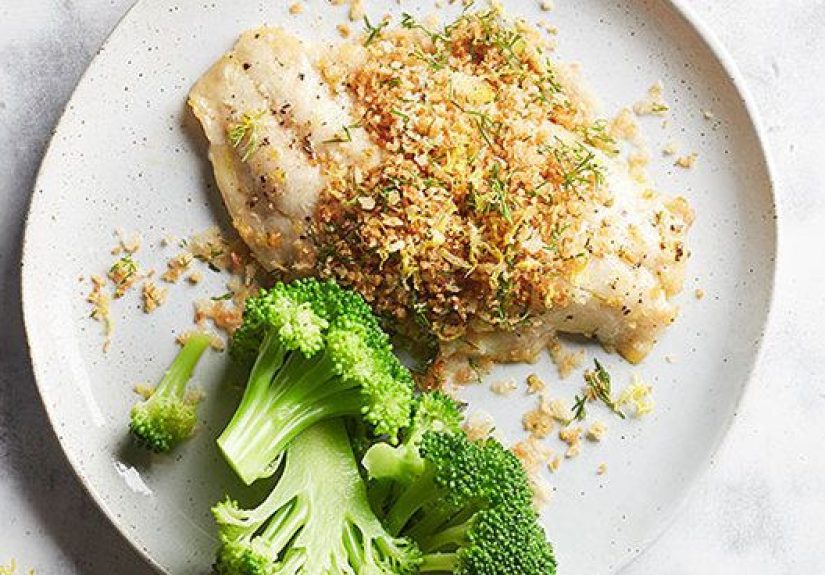
Toast panko breadcrumbs in a skillet with a bit of butter or oil until golden. Sprinkle over baked tilapia right before serving. You get crunch without turning your kitchen into an oil-splatter crime scene.
5) Mediterranean tray bake
Scatter cherry tomatoes, sliced olives, capers, and thinly sliced red onion around the fish. Drizzle with olive oil, add oregano, and bake. The fish stays mild; the toppings do the talking (in a good way).
6) Chili-lime + honey (sweet, tangy, slightly dramatic)
Whisk lime juice, a touch of honey, garlic, chili flakes, cumin, and olive oil. Brush over tilapia and roast. Serve with rice and a crunchy slaw and pretend you planned it all week.
Pick your baking setup: dish, sheet pan, foil, or parchment
Baking dish
Best for saucy tilapia (lemon-butter, garlic, herbs). The sides of the dish help keep moisture close to the fish.
Sheet pan
Great for “fish + veggies” dinners. Use parchment for easy cleanup. Just don’t crowd the pancrowding traps steam and turns roasting into soggy sadness.
Foil packets
Your best friend when you’re nervous about overcooking. Packets trap moisture and are fantastic for baking from frozen. Bonus: you can toss in vegetables and call it a complete meal.
Parchment packets (en papillote)
Similar to foil, but with a slightly lighter, steamier finish. You can add lemon slices, herbs, and a splash of wine or broth. It feels fancy, and cleanup is basically “throw paper away, accept compliments.”
Common baked tilapia mistakes (and how to dodge them)
- Overcooking: The #1 issue. Start checking early and aim for 145°F at the thickest part.
- Not drying the fish: Wet surface = steamed fish. Pat dry, then season.
- Under-seasoning: Tilapia is mild. Salt matters. Acid (lemon/lime) helps too.
- Marinating too long in acid: Lemon/lime can “cook” the surface and make it mushy. Keep it briefthink minutes, not hours.
- Crowding the pan: Space = better heat flow = nicer texture.
- Using a sauce that’s basically water: If it’s super thin, it can poach the fish. Add butter/oil, or reduce liquid.
Serving ideas that make it feel like a real dinner
Tilapia plays well with almost anything. A few easy, high-win pairings:
- Rice or quinoa to soak up lemon-garlic butter
- Roasted broccoli or asparagus (same oven, same vibe)
- Salad + crusty bread for a lighter plate
- Taco night: flake baked tilapia into tortillas with slaw and a limey sauce
Storage and reheating (so leftovers don’t get sad)
Store cooked tilapia in an airtight container in the fridge for up to 3 days. Reheat gently:
- Oven: 300–325°F, covered with foil, just until warmed through.
- Microwave: Low power in short bursts; stop as soon as it’s warm.
- Best leftover move: Use cold flakes in a salad or wrap so you don’t have to “re-cook” it.
Kitchen experiences: what baking tilapia teaches you (the extra-real section)
Let’s talk about the part recipes don’t always admit: baked tilapia is a tiny life lesson disguised as dinner. Home cooks often start with tilapia because it’s affordable and mild, and then immediately learn the first rule of lean fish: time is not a suggestion. That “just two more minutes” can turn tender flakes into something that feels like it’s resisting your fork out of principle. The good news? Tilapia is also where people learn to stop cooking by vibes and start cooking by signals.
One of the most common early experiences is the “mystery puddle.” You season the fish, you bake it, you pull it out… and suddenly the pan looks like it hosted a small rainstorm. That’s usually excess moisture from frozen or previously frozen fillets. The fix is simple and oddly satisfying: pat the fish dry like you’re blotting a tiny oil spill, then add butter or olive oil so the surface bakes instead of steams. After you’ve seen the difference once, you’ll never skip the paper towel step again.
Another real-world moment: the “I didn’t think I needed a thermometer” era. Many people try the fork-flake test, and it worksuntil you get a fillet that’s thick in the center and thin on the edges. That’s when a thermometer becomes the calm friend who shows up with a plan. You don’t need anything fancy. Just a quick temp check in the thickest part, and suddenly you’re not hovering over the oven like you’re defusing a bomb. Even better, you gain confidence fast: you start trusting your timing chart, then confirming with temperature, and soon you’re the person who casually says, “It’ll be done in about 12 minutes,” like you weren’t eating cereal for dinner last week.
Then there’s the “family feedback loop.” Tilapia is mild, which makes it perfect for households with different preferences. One person wants lemon and herbs. Another wants spice. Someone else wants crunchy topping. Baking lets you customize without making four separate dinners: you can split a baking dish into zoneslemon-garlic on the left, Cajun seasoning on the right, and maybe a Parmesan sprinkle down the middle like a delicious border dispute. That flexibility is why tilapia becomes a repeat weeknight meal: it adapts to moods, picky eaters, and whatever’s in the pantry.
A surprisingly common experience is learning that “healthy” doesn’t have to mean “boring.” Tilapia’s blank-canvas nature makes it easy to add big flavor without heavy effort. A little lemon zest can do more than a whole bottle of sauce. A pinch of paprika can make the kitchen smell like you planned a real meal. And when you discover that toasted breadcrumbs on top can deliver crunch without frying, it feels like you unlocked a secret menu item.
Finally, baked tilapia teaches the best kind of kitchen confidence: the kind where you stop needing a strict recipe. You start recognizing patterns: dry the fish, season well, add a bit of fat, bake hot, check early. Once that clicks, tilapia becomes a reliable “I’ve got this” dinner the one you can make when you’re busy, tired, or just not in the mood to negotiate with a complicated recipe. And honestly? That’s a win worth repeating.