Table of Contents >> Show >> Hide
- What does “healthy gut” actually mean?
- The gut-blood pressure connection: why researchers are excited
- What should you eat for gut health and lower blood pressure?
- Habits beyond food that may help your gut and blood pressure
- What not to do if you care about blood pressure and gut health
- The big takeaway
- Experiences related to how a healthy gut benefits blood pressure
- Conclusion
High blood pressure has a funny way of acting like an uninvited houseguest. It shows up quietly, raids the fridge, wrecks the furniture, and somehow still insists it is “not a big deal.” For years, most people have thought about blood pressure in the usual ways: salt, stress, exercise, weight, family history, and whether your doctor has started giving you that look during checkups. But researchers are paying closer attention to another player that lives much lower on the map: your gut.
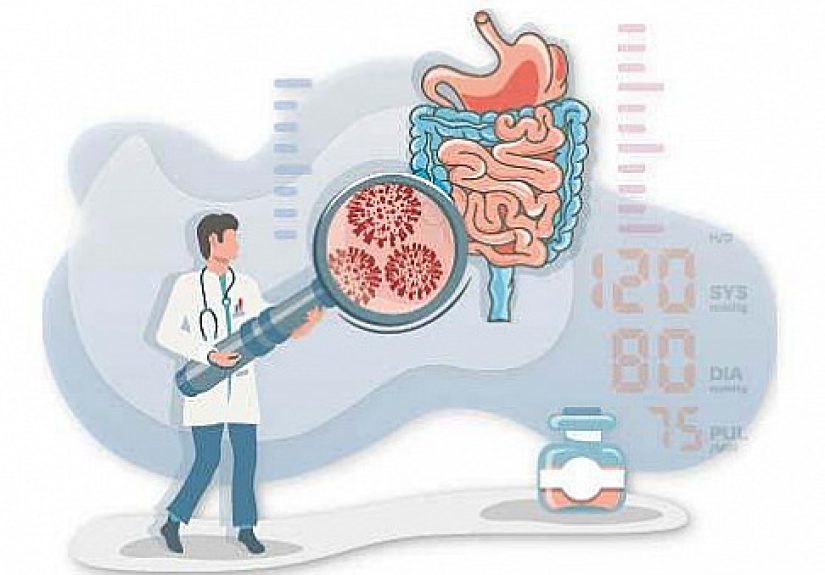
Your gut microbiome is the bustling community of bacteria and other microbes living mostly in your colon. When that community is balanced and well-fed, it helps break down fiber, supports your gut lining, influences inflammation, and creates compounds that may affect blood vessels, the immune system, and even how your body regulates blood pressure. In plain English: your digestive tract may have more to say about your heart than anyone guessed a decade ago.
This does not mean yogurt is now a cardiologist or that sauerkraut deserves a Nobel Prize. It does mean that a healthy gut appears to support many of the same habits already known to protect blood pressure: eating more plants, getting enough fiber, cutting back on heavily processed foods, and being smart about sodium. That is good news, because it means the path to a healthier gut is not a mystical wellness scavenger hunt. It is mostly real food, daily consistency, and fewer meals that come with 37 ingredients and a marketing team.
What does “healthy gut” actually mean?
A healthy gut usually refers to a diverse, resilient microbiome and a strong intestinal barrier. Diversity matters because different microbes do different jobs. Some help digest complex carbohydrates and fiber. Some help produce short-chain fatty acids. Some support immune balance. When the microbiome becomes less diverse or shifts toward an unhealthy pattern, experts often call that dysbiosis.
Dysbiosis does not happen only because someone ate one sad fast-food lunch on a Tuesday. It is usually linked to bigger patterns: low-fiber diets, too many ultra-processed foods, excess alcohol, chronic stress, poor sleep, physical inactivity, repeated unnecessary antibiotic use, and certain health conditions. Over time, those habits can change which microbes thrive in the gut and which ones disappear.
Think of your gut like a garden. If you keep planting a wide variety of good seeds, watering them, and not dumping chemical chaos all over the place, helpful things tend to grow. If you feed it mostly processed junk and sodium bombs, the garden starts looking less like a farmers market and more like a parking lot.
The gut-blood pressure connection: why researchers are excited
The idea that gut health affects blood pressure is no longer a fringe theory. It is a growing area of cardiovascular research. Harvard Health recently highlighted the connection, and the American Heart Association issued a science advisory pointing to strong evidence that gut microbes may influence blood pressure regulation. Researchers are still sorting out the details, but several mechanisms already make biological sense.
1. Gut microbes turn fiber into helpful compounds
One of the biggest stars in this story is a group of substances called short-chain fatty acids, often shortened to SCFAs. These compounds are produced when beneficial gut bacteria ferment dietary fiber in the colon. The three most discussed are acetate, propionate, and butyrate.
Why does that matter? Because SCFAs appear to influence blood pressure through several pathways. They may interact with receptors involved in blood vessel function, immune signaling, and kidney-related blood pressure regulation. They also help nourish the cells lining the gut, which is important because a healthy gut barrier reduces the chance that irritating compounds leak into the bloodstream and stir up inflammation.
So when people hear, “Eat more fiber,” it is not just old-fashioned nutrition scolding. It is also a way of feeding gut microbes that can produce compounds linked to healthier blood pressure patterns.
2. A healthier gut may calm inflammation
Chronic low-grade inflammation is a known problem in cardiovascular health. An unhealthy gut may contribute to that inflammation when the microbiome is out of balance and the gut barrier becomes less effective. In that situation, bacterial byproducts can interact with the immune system in ways that are not exactly charming.
When beneficial microbes are doing their job, they help maintain the gut lining and support a more balanced immune response. Less inflammatory chaos can be good news for blood vessels, which like to stay flexible and relaxed instead of irritated and stiff.
3. The gut may influence the kidney, hormones, and blood vessels
Blood pressure is not controlled by one single switch. It is shaped by the kidneys, hormones, blood vessel tone, the nervous system, and fluid balance. Research suggests gut-derived metabolites may interact with some of these systems, including pathways related to the renin-angiotensin system and vascular function. In other words, gut microbes may not sit at the head of the table, but they are definitely in the meeting.
4. Your gut may even affect how well blood pressure treatment works
Here is where the plot thickens. NHLBI has highlighted research suggesting that certain gut bacteria may make some blood pressure medications less effective. This does not mean people should panic or side-eye their intestines. It does mean the microbiome may influence treatment response in ways researchers are just beginning to understand.
That finding adds one more reason to take gut health seriously. It is not only about prevention. It may also affect how the body responds once hypertension is already on the table.
What should you eat for gut health and lower blood pressure?
This is the part where many articles try to dazzle you with an obscure berry harvested under a full moon. Thankfully, the real answer is much less dramatic and far more practical.
Fiber-rich plant foods come first
If you want to support both your gut microbiome and your blood pressure, start with foods that bring fiber to the party. That includes beans, lentils, oats, barley, vegetables, fruits, nuts, seeds, and whole grains. These foods feed beneficial microbes and fit naturally into eating patterns already associated with better heart health, including DASH-style and Mediterranean-style diets.
Beans and lentils deserve a little extra applause here. They provide plant protein, fiber, minerals, and satisfaction without the sodium and saturated fat that often hitch a ride with heavily processed convenience foods. Oats, berries, leafy greens, apples, broccoli, chickpeas, and brown rice are also solid choices. No cape required.
Fermented foods may help, but they are not magic
Foods such as yogurt with live cultures, kefir, kimchi, miso, tempeh, and sauerkraut may support a healthier gut microbiome. Some research has linked probiotic-containing foods with healthier blood pressure, and experts from centers like Johns Hopkins note that probiotics and prebiotics are part of the broader conversation.
That said, fermented foods work best as supporting actors, not as miracle lead characters. A person cannot eat a fiber-poor, ultra-processed diet all day and expect a spoonful of yogurt to negotiate peace terms by dinner.
Prebiotics matter as much as probiotics
People love talking about probiotics because the word sounds fancy and comes in cute packaging. But prebiotics may be even more important in day-to-day life. Prebiotics are the fibers and plant compounds that feed beneficial microbes already living in your gut. Foods like onions, garlic, leeks, asparagus, oats, beans, bananas, and whole grains help provide that fuel.
If probiotics are the guests, prebiotics are the groceries. And without groceries, nobody stays long.
Cut back on ultra-processed foods and sodium
Blood pressure still cares very much about sodium, and the American Heart Association continues to emphasize that most sodium comes from packaged and processed foods, not just the salt shaker. Many of those same foods are also poor for the gut because they are low in fiber and high in additives, refined starches, and excess calories.
This creates a double problem: they can worsen blood pressure directly through sodium load while also failing to nourish a healthy microbiome. Replacing packaged meals and salty snack foods with more whole or minimally processed options is one of the smartest two-for-one moves a person can make.
Habits beyond food that may help your gut and blood pressure
Exercise regularly
Physical activity supports cardiovascular health, helps with weight management, improves insulin sensitivity, and may also support a healthier gut microbiome. You do not need to morph into a marathon runner. Walking, cycling, strength training, and other consistent movement all count.
Sleep like it is part of your treatment plan
Poor sleep is linked to worse blood pressure and may also disrupt gut health through stress hormones, inflammation, and metabolic changes. Translation: bedtime is not laziness. It is maintenance.
Manage stress
The gut and brain are in constant conversation, and stress can affect digestion, the microbiome, eating patterns, and blood pressure. Whether it is mindfulness, prayer, therapy, journaling, exercise, deep breathing, or simply not doom-scrolling until 1:13 a.m., stress management matters.
Use antibiotics wisely
Antibiotics save lives when they are needed, but unnecessary use can disrupt the balance of gut microbes. Taking them only when appropriate and exactly as prescribed is one more way to protect your microbiome.
What not to do if you care about blood pressure and gut health
First, do not expect supplements to fix everything. Mayo Clinic notes that probiotic and prebiotic supplements show promise, but they are not proven solutions for everyone, and supplement quality can vary. Whole foods usually deserve first priority.
Second, do not ignore the basics while chasing trendy gut hacks. A colorful smoothie powder will not erase six days of takeout, three energy drinks, and a personal feud with vegetables.
Third, do not treat blood pressure as a DIY-only project. If you have hypertension, keep taking prescribed medication unless your clinician tells you otherwise. A healthy gut can support your overall plan, but it is not a permission slip to freelance your treatment.
The big takeaway
A healthy gut benefits your blood pressure because the microbiome helps shape inflammation, gut barrier strength, metabolic signaling, and the production of fiber-derived compounds that may influence blood vessels and blood pressure regulation. The science is still evolving, but the practical advice is surprisingly familiar: eat more fiber-rich plants, choose minimally processed foods, watch sodium, consider fermented foods, move your body, sleep well, and manage stress.
In a world obsessed with quick fixes, this can sound almost annoyingly reasonable. But that is part of the beauty. Supporting your gut does not require a secret membership card or a refrigerator full of expensive powders. It mostly asks for habits your grandmother would recognize: more beans, more greens, more oats, less junk, and maybe a little less drama in both your diet and your group chat.
Experiences related to how a healthy gut benefits blood pressure
Many people who begin eating in a more gut-friendly way do not notice fireworks right away. What they often notice first is something much less glamorous but more useful: they feel more regular, less bloated, and less wiped out after meals. A person who swaps a salty packaged breakfast for oatmeal with berries and nuts may not feel like a wellness influencer by noon, but they often report steadier energy and fewer cravings later in the day. That matters, because the less a person ping-pongs between hunger, processed snacks, and sodium-heavy convenience meals, the easier it becomes to build a pattern that supports healthy blood pressure over time.
Another common experience is that fiber-rich eating changes how full meals feel. A lunch built around lentil soup, chopped vegetables, olive oil, and whole-grain toast tends to sit differently than a fast-food combo that tastes great for nine minutes and then leaves behind thirst, sluggishness, and regret. People often describe feeling “lighter” on a plant-forward routine, even when they are still eating enough food. That does not mean tiny salads and sadness. It means meals with substance, texture, and fiber can be more satisfying than expected, which can help reduce overeating and support weight management, another factor tied closely to blood pressure.
Some people also notice that when they improve gut-friendly habits, they naturally lower their sodium without trying to become nutrition detectives. Cooking more beans, grains, vegetables, and simple proteins at home usually means less reliance on packaged soups, frozen entrées, deli meats, chips, and restaurant meals loaded with hidden salt. They are not just “eating for the microbiome.” They are quietly removing one of the biggest blood pressure troublemakers from the daily routine.
There is also a stress angle people do not always expect. A calmer digestive system can make it easier to sleep, exercise, and stick to routines. Someone who no longer feels heavy, constipated, or uncomfortable after dinner may be more likely to take an evening walk instead of collapsing on the couch in defeat. Those small changes add up. Better digestion supports better habits, and better habits support better blood pressure.
Older adults sometimes describe another practical benefit: once they start prioritizing fiber, hydration, and minimally processed foods, they become more aware of how certain meals make them feel. A giant restaurant meal with lots of sodium may leave them feeling puffy or sluggish the next morning, while a simpler meal built around vegetables, yogurt, beans, fish, or whole grains feels easier on the body. That kind of awareness can be powerful because it turns abstract health advice into immediate feedback. People stop eating “healthy” because they were told to, and start eating that way because they can feel the difference.
Of course, not every experience is dramatic. For many, the benefits are subtle: a slightly better blood pressure reading at follow-up, fewer digestive complaints, more consistent bowel habits, less dependence on ultra-processed snacks, and a growing sense that healthy eating is not punishment. It is support. That is often how meaningful health change works. Not with a trumpet solo, but with repeated ordinary choices that quietly move the numbers in the right direction.
Conclusion
The connection between gut health and blood pressure is one of the most interesting developments in modern nutrition and heart research, but the practical lesson is refreshingly simple. Feed your gut well, and your body may reward you in more ways than one. A diverse, fiber-loving microbiome appears to support healthier blood pressure through inflammation control, gut barrier function, and beneficial metabolites made from the foods you eat every day.
So no, your gut is not secretly replacing your cardiologist. But it may be one of the most underrated teammates in your blood pressure plan.