Table of Contents >> Show >> Hide
- What Makes These Pancakes Different?
- Recipe Overview
- Ingredients
- Step-by-Step: How to Make Honey-Lemon Cottage Cheese Pancakes
- Honey-Lemon Toppings and Serving Ideas
- Easy Variations
- Make-Ahead, Storage, and Freezing
- Troubleshooting: Common Issues and Fixes
- Food Safety Notes
- Estimated Nutrition Snapshot
- FAQ
- My Real-Life Experience Making These Pancakes (About )
- Conclusion
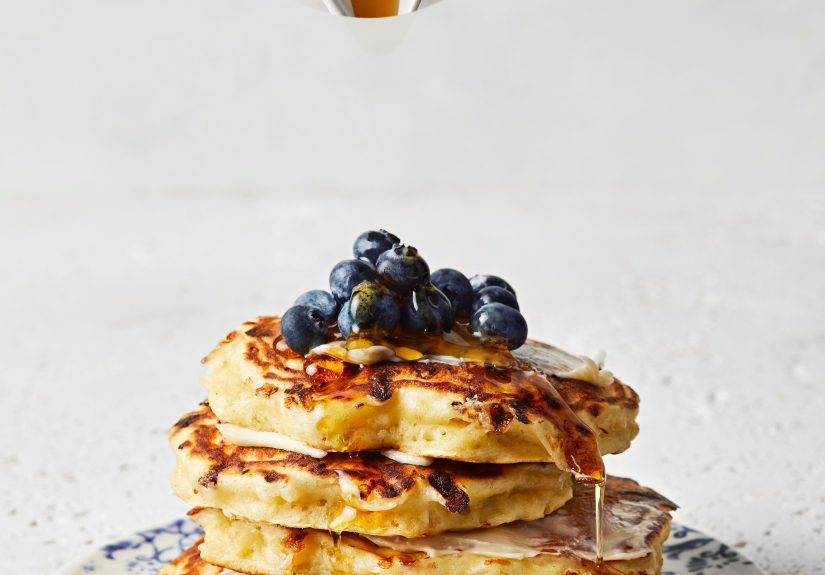
Some breakfasts are practical. Some are joyful. And some manage to be bothlike these honey-lemon cottage cheese pancakes, which taste like a sunny weekend but also keep you full long enough to remember you own socks in matching pairs. They’re fluffy, lightly crisp at the edges, bright with lemon, and gently sweet from honeyno “dessert for breakfast” sugar crash required.
Best part: you don’t need a chef’s hat, a fancy griddle, or a dramatic pancake flip that ends with batter on the backsplash. This recipe is a friendly, reliable stack that works whether you whisk by hand or take the blender shortcut.
What Makes These Pancakes Different?
Cottage cheese brings tenderness (and satisfaction)
Cottage cheese adds moisture and milk proteins, which helps the pancakes stay soft and tender instead of dry and cakey. The curds melt and soften as they cook, creating a creamy, almost custardy center. It also naturally boosts proteinso the pancakes feel more “real breakfast” and less “I’ll be hungry again in 20 minutes.”
Honey + lemon = sweet, bright, and not boring
Honey delivers mellow sweetness with a floral edge, while lemon zest provides aromatic citrus oils (that’s where the strongest lemon flavor lives). A small splash of lemon juice brightens the batter and gives baking soda a little acidic partner to help with lift and browning. Translation: fluffier pancakes that taste fresh, not flat.
Recipe Overview
- Prep time: 10 minutes
- Cook time: 12–15 minutes
- Makes: about 10–12 medium pancakes
- Skill level: “I can totally do this before coffee.”
Ingredients
For the best texture, use small-curd cottage cheese. If your cottage cheese is very thick, you may need a splash of milk to loosen the batter.
- 1 cup cottage cheese (small-curd; full-fat or low-fat)
- 2 large eggs
- 2 tablespoons honey (plus more for serving)
- 2 tablespoons unsalted butter, melted (or neutral oil)
- 1 teaspoon vanilla extract
- Zest of 1 lemon (about 1 tablespoon)
- 1 tablespoon fresh lemon juice
- 1 1/4 cups all-purpose flour
- 1 1/2 teaspoons baking powder
- 1/2 teaspoon baking soda
- 1/2 teaspoon salt
- 2–4 tablespoons milk (optional, only if needed)
- Butter or oil for the pan
Ingredient notes (the “why” behind the list)
- Baking powder + baking soda: Baking powder provides steady lift; baking soda adds extra rise and helps browning when paired with an acid (hello, lemon juice and tangy dairy).
- Lemon zest: Zest gives the strongest lemon aroma. If you only use juice, you’ll get tang but less “lemony” flavor.
- Honey: Honey sweetens and adds flavor. If you swap in maple syrup, you’ll get a different (still delicious) vibe.
Step-by-Step: How to Make Honey-Lemon Cottage Cheese Pancakes
1) Whisk the dry ingredients
In a large bowl, whisk together flour, baking powder, baking soda, and salt. This prevents little pockets of leavener that can taste bitter if they don’t mix evenly.
2) Mix the wet ingredients
In a medium bowl, whisk eggs, cottage cheese, honey, melted butter, vanilla, lemon zest, and lemon juice.
Blender option (smooth texture): Blend the wet ingredients for 10–15 seconds until mostly smooth. This is especially helpful if your cottage cheese has large curds or you’re feeding someone who claims cottage cheese is “weird.”
3) Combine gently
Pour wet ingredients into dry ingredients. Stir with a spatula just until you no longer see dry flour. Stop early rather than latesome lumps are totally fine. Overmixing builds gluten and can make pancakes chewy instead of tender.
If the batter seems very thick (it should be scoopable, not spreadable like cement), add milk 1 tablespoon at a time until it loosens to a slow, thick pour.
4) Heat the pan
Warm a nonstick skillet or griddle over medium heat. If you’re using an electric griddle, aim for around 350–375°F. Lightly grease with butter or oil.
5) Cook
- Scoop about 1/4 cup batter per pancake onto the pan.
- Cook until bubbles rise and pop on the surface and the edges look set, about 2 minutes.
- Flip and cook 1–2 minutes more, until golden and cooked through.
Keep warm: If you’re making a big batch, keep cooked pancakes on a baking sheet in a 200°F oven while you finish the rest.
Pancake doneness cues that actually work
- Bubbles: Look for bubbles on top that pop and leave tiny craters.
- Edges: The edges should look matte and slightly dry, not shiny/wet.
- Peek test: Lift an edgeif it’s evenly golden, it’s ready to flip.
Honey-Lemon Toppings and Serving Ideas
These pancakes are fantastic with classic butter and syrup, but the honey-lemon theme is begging you to have a little fun.
- Quick honey-lemon drizzle: Warm 2 tablespoons honey for a few seconds, stir in 1–2 teaspoons lemon juice, and add a pinch of salt. Spoon over pancakes.
- Fresh berries: Strawberries, blueberries, raspberriesanything tart and juicy.
- Greek yogurt: A dollop adds creamy tang and turns breakfast into “brunch energy.”
- Crunch: Toasted almonds or pistachios add texture and a little fancy.
- Extra citrus: A sprinkle of additional zest right before serving makes the lemon aroma pop.
Easy Variations
1) Oatty version
Swap 1/2 cup of the flour for quick oats (or oat flour). The pancakes turn slightly heartier and still cook up tender.
2) Blueberry-lemon cottage cheese pancakes
Sprinkle blueberries onto each pancake right after you pour the batter onto the pan. This prevents “purple batter” and helps the pancakes cook evenly.
3) Poppy seed twist
Add 1–2 teaspoons poppy seeds for a lemon-poppyseed vibelike a bakery muffin, but in pancake form.
Make-Ahead, Storage, and Freezing
Pancakes are one of the best “cook once, eat twice” breakfastsespecially if you’d like future-you to feel adored.
- Fridge: Cool completely and store in an airtight container for 3–4 days.
- Freezer: Freeze pancakes in a single layer until firm, then stack with parchment between layers in a freezer bag. For best quality, use within about 2 months.
- Reheat: Toast for crisp edges, microwave for soft pancakes, or warm in a low oven on a baking sheet until hot.
Better than saving raw batter: If you have extra batter, it’s usually smarter (and safer) to cook it and freeze pancakes than to store raw batter overnight. Leaveners lose power with time, and raw-egg batter isn’t something you want hanging out in the fridge for long.
Troubleshooting: Common Issues and Fixes
“My pancakes are burning outside but raw inside.”
Lower the heat. Cottage cheese pancakes can brown quickly because the batter contains proteins and natural sugars. Medium heat lets the centers cook through without over-darkening the outside.
“My batter is too thick.”
Different cottage cheeses vary a lot. Add milk a tablespoon at a time until the batter is thick but pourable. Think: slow lava, not plaster.
“My pancakes are flat.”
Check that your baking powder isn’t old, mix gently, and cook soon after mixing. Chemical leaveners start reacting once wet and won’t wait around forever for you to answer a text.
“They taste bland.”
Salt matters. Also, make sure you used lemon zest. If you want more citrus punch, add another teaspoon of zest or serve with the honey-lemon drizzle.
Food Safety Notes
- Cook through: Because the batter contains eggs and dairy, cook pancakes until the centers are set and no longer look wet.
- Higher-risk eaters: If you’re cooking for young children, older adults, pregnancy, or anyone immunocompromised, consider using pasteurized eggs and keep dairy cold until you’re ready to mix.
- Honey warning: Don’t give honey to babies under 12 months old. If infants are eating pancakes, skip honey and sweeten with fruit instead.
Estimated Nutrition Snapshot
Exact nutrition varies by brand and portion size, but this recipe typically lands higher in protein than standard pancakes thanks to cottage cheese and eggs. For a balanced plate, serve with fruit and a protein-forward topping like Greek yogurt or nut butter.
FAQ
Can I make these in a blender?
Yes. Blend wet ingredients until smooth, then add dry ingredients and pulse just until combined. Don’t overblendtoo much mixing can make pancakes tougher.
Can I use large-curd cottage cheese?
Sure. You’ll get more curd texture. If you’d rather not, blend the wet ingredients or choose small-curd cottage cheese.
Can I double the recipe?
Absolutely. If you’re doubling, keep pancakes warm in a low oven so everyone eats at the same time instead of in shifts like a brunch conveyor belt.
My Real-Life Experience Making These Pancakes (About )
I first made honey-lemon cottage cheese pancakes on a Saturday when I wanted brunch energy without brunch prices. You know the mood: you’d like to feel fancy, but you’d also like to remain in sweatpants. Cottage cheese pancakes sounded like they might be secretly “responsible,” which in my head meant they’d taste like optimism and disappointment. Thankfully, they tasted like pancakesjust brighter, softer, and somehow more satisfying.
The very first thing I noticed was the batter’s personality. Traditional pancake batter pours. Cottage cheese batter tends to scoop. My first attempt was a pure whisk-and-hope situation, and I learned quickly that cottage cheese doesn’t respond to intimidation. The pancakes were still delicious, but the curds stayed more distinct than I expected, and the outsides browned faster than I could say, “Is my pan too hot?” (Spoiler: yes.) Once I turned the heat down, the centers cooked through beautifullyand the lemony aroma made the kitchen feel instantly brighter. Lesson learned: cottage cheese batter likes medium heat and a patient cook.
On the second try, I went blender-mode with the wet ingredients. Ten seconds turned the cottage cheese into a creamy base that behaved like a dream: smoother batter, more even cooking, and a pancake surface that looked like classic diner-style pancakesgolden and tidy instead of “rustic.” If you’re cooking for someone who claims to hate cottage cheese, blending is basically pancake camouflage. They’ll never know. You’ll know. But you’ll be too busy chewing to confess.
Then came my lemon lesson. I used to think lemon juice was the main event, but zest is the headline act and juice is the backup singer. Zest perfumes the pancakes, while juice adds zing and balance. Now I zest the lemon directly over the bowl so any citrus oils land in the batter (and not on my counter where they do absolutely nothing for breakfast). I also stop zesting once I hit the pale yellow layerif you scrape into the white pith, you can get bitterness. Tiny detail, big payoff.
Honey was the next plot twist. Mixing honey into the batter is lovely, but drizzling warm honey on top is where the flavor gets loud. My go-to move is warming honey for a few seconds, stirring in a little lemon juice, and adding a pinch of salt. That pinch doesn’t make it saltyit just makes the sweetness taste deeper and more “syrup-like.” If I overdo the honey (it happens), a dollop of Greek yogurt brings everything back into balance.
Finally, I tested the freezer plan because weekday mornings are chaotic in a very specific way. I cooked a double batch, cooled the pancakes, and froze them with parchment between layers. A few days later, I reheated two in the toaster. The edges crisped, the centers stayed soft, and breakfast was ready before I could change my mind and eat cereal instead. If you prefer softer pancakes, the microwave works toojust heat in short bursts so they don’t turn rubbery.
So yesthese pancakes are tasty, bright, and genuinely satisfying. But they’re also the kind of recipe that changes your breakfast habits. Make them once and you’ll start buying lemons like you have a personal brunch brand. Not a bad identity, honestly.
Conclusion
Honey-lemon cottage cheese pancakes hit the sweet spot between comfort food and “wow, that’s actually refreshing.” They’re easy to make, hard to mess up, and flexible enough for toppings, mix-ins, and meal prep. If you want a pancake stack that tastes special and keeps you satisfied, this is your new go-to.