Table of Contents >> Show >> Hide
- Why a Dedicated Home Workout Space Matters
- Step 1: Choose the Right Spot (Even If You Think You Don’t Have One)
- Step 2: Plan Your Layout for Safety and Flow
- Step 3: Flooring, Lighting, and Ventilation (The Unsung Heroes)
- Step 4: Smart, Budget-Friendly Equipment Choices
- Step 5: Storage and Organization Hacks That Keep You Sane
- Step 6: Make It MotivatingDesign Like a Remodelaholic
- Step 7: Home Fitness Hacks for Small or Multi-Use Spaces
- Common Mistakes People Make (and How to Avoid Them)
- Real-Life Experiences: What Actually Works in a Home Workout Space
- Wrapping It Up: Your Perfect Workout Space, Your Way
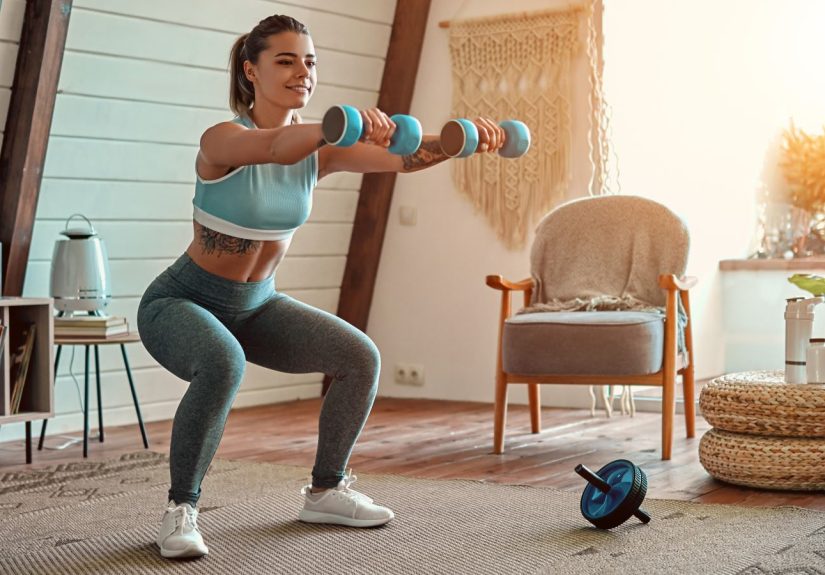
If you’ve ever tried to do squats in the living room and nearly kicked the coffee table, you already know: a “home gym” is more than just a yoga mat tossed on the floor. With a few smart home fitness hacks, you can turn even a tiny corner of your house into a workout space that’s safe, motivating, and actually fun to use. No fancy membership, no commute, no mysterious puddles near the weight rack.
This guide walks you through practical, real-life tips for creating your perfect workout space at homefrom choosing the right corner to organizing equipment, picking flooring, and dialing in lighting and ventilation. Think of it as your Remodelaholic-style blueprint: combining smart design, budget-friendly DIY, and a big dose of “let’s actually use this thing” energy.
Why a Dedicated Home Workout Space Matters
Before we start rearranging furniture, let’s talk about why your home fitness zone is worth the effort.
- Consistency is easier. Health organizations recommend around 150 minutes of moderate-intensity activity a week plus muscle-strengthening work at least twice weekly. A ready-to-go workout nook makes it easier to squeeze in 20–30 minutes without overthinking it.
- Fewer excuses. When your mat, dumbbells, and resistance bands are already laid out or neatly stored nearby, it’s harder to say, “I’ll start tomorrow.”
- Better focus. A defined workout zone sends your brain a clear signal: “We’re here to move, not doom-scroll.” Even a visual boundarylike a rug, a divider, or a different paint colorcan help.
- Safer workouts. A planned layout, proper flooring, and good lighting reduce trip hazards and help you keep good form.
In short: your home gym doesn’t have to be big or fancy, but it does need to be intentional.
Step 1: Choose the Right Spot (Even If You Think You Don’t Have One)
Here’s the good news: you don’t need a spare bedroom to create a home workout space. You just need a spot you can use reliably. Consider:
- Living room corner: Perfect for bodyweight training, yoga, or Pilates. Use a folding screen or rug to visually mark the workout zone.
- Bedroom wall: Mount a mirror, add hooks for resistance bands, and slide a mat under the bed when you’re done.
- Office + gym combo: A desk on one side, a small rack, mat, and stability ball on the other. It’s a built-in reminder to move between meetings.
- Garage or basement: Great for heavier weights, a squat rack, or a rowing machine. You’ll want to pay extra attention to flooring, lighting, and temperature here.
As a quick rule of thumb, aim for enough space to lie down fully on a mat, step side-to-side, and raise your arms overhead without hitting a ceiling fan. If you can do a burpee without colliding with furniture, you’re in business.
Step 2: Plan Your Layout for Safety and Flow
Now that you’ve picked the spot, sketch a simple layoutyes, even if it’s just on a sticky note. Good layout beats “random pile of gear” every time.
Measure First, Sweat Later
- Check floor dimensions, ceiling height, and door clearances.
- Leave clear “lanes” to move around equipmentespecially if you’ll be doing side lunges, jump rope, or kettlebell swings.
- Keep heavy or bulky items (like a bench or rack) against a wall for stability and space efficiency.
Create Zones
Even in a small room, breaking your space into mini “zones” helps it feel more organized and intentional:
- Strength zone: Dumbbells, bench, resistance bands, maybe a barbell if the structure can handle it.
- Cardio zone: Treadmill, bike, step platform, or just a clear space for HIIT circuits.
- Recovery zone: Foam roller, yoga blocks, stretching strap, and a comfy mat.
Think of it like a tiny, customized fitness studiominus the awkward eye contact in the mirror with strangers.
Step 3: Flooring, Lighting, and Ventilation (The Unsung Heroes)
Most people obsess over equipment and forget the “boring” elements that actually make a home gym feel usable and safe. Let’s fix that.
Flooring That Saves Your Jointsand Your Floors
If you’re working out on slippery tile or thin carpet, your ankles and downstairs neighbors might be silently screaming. Consider:
- Interlocking rubber tiles: Great for garages, basements, and multipurpose rooms. They protect your floor and add grip and cushioning.
- Thick yoga or exercise mats: Ideal for bodyweight or low-impact training in shared spaces like living rooms or bedrooms.
- Lift platforms or extra padding: If you’ll be using heavy weights, double up on mats or use a platform to reduce impact.
Lighting That Motivates, Not Mutes
Dim lighting might be nice for movie night, but for squats? Not so much. Try:
- Bright, diffused overhead lighting in garages and basements.
- A floor lamp or wall sconces in bedrooms or offices to avoid harsh shadows.
- Natural light whenever possibleset up near a window to keep your space energizing.
Ventilation: Fresh Air Beats Funky Air
Nothing ruins a workout like stale, humid air. If you’re in a garage or basement, consider:
- A fan or two to keep air moving.
- A dehumidifier in damp climates.
- Cracking a window when possible to improve air quality.
Your future self will thank you when your workout space smells like effort, not like old socks.
Step 4: Smart, Budget-Friendly Equipment Choices
Let’s bust a myth: you do not need a room full of machines to get in shape. Instead, focus on versatile pieces that work for multiple exercises.
Essential Gear for Most Home Workout Spaces
- Adjustable dumbbells or a small set of fixed weights: Perfect for strength training without taking over the room.
- Resistance bands: Light, portable, and surprisingly effective for both strength and mobility.
- Quality exercise mat: Protects your joints and your floor.
- Stability or exercise ball: Great for core work and can double as a desk chair for part of the day.
- Jump rope or step platform: Simple cardio options that don’t require a treadmill.
As your routine becomes more consistent, you can add a bench, pull-up bar, or even a compact rower or bike if budget and space allow.
Avoid the “Dust Collector” Trap
Before buying anything, ask: “Can I think of five different exercises I’ll actually do with this?” If the answer is no, it might be a future clothes hanger, not a fitness investment.
Step 5: Storage and Organization Hacks That Keep You Sane
A cluttered workout area is basically an obstacle course. Smart storage turns your home fitness zone from chaos into calm.
- Wall-mounted hooks and pegboards: Hang resistance bands, jump ropes, towels, and even light dumbbells.
- Cubes and baskets: Tuck away yoga blocks, sliders, and small accessories while keeping them easy to grab.
- Slim rolling carts: Store mats, foam rollers, and light gear. Roll it into a closet when guests come over.
- Vertical weight racks: Save floor space and keep heavier weights organized and safe.
If your workout space doubles as a living room or office, pick storage pieces that match your decor so the room still feels calm when you’re off the clock.
Step 6: Make It MotivatingDesign Like a Remodelaholic
Now for the fun part: turning your home workout space into somewhere you want to be, not just somewhere you tolerate.
Bring in Personality
- Color: Use a bold accent wall, energizing posters, or colorful mats.
- Mirror: A full-length mirror helps check form, makes the room look larger, and reminds you, “Hey, I showed up today.”
- Plants: Even one or two small plants can make the area feel fresher and more inviting.
Create a Ritual
Small rituals make your workout space feel like a destination:
- Turn on a specific playlist or podcast.
- Light a candle or switch on a special lamp.
- Keep a water bottle and towel always ready on a small side table.
Over time, these cues tell your brain, “It’s workout time,” and help you shift gears faster from “I’m tired” to “Let’s do this.”
Step 7: Home Fitness Hacks for Small or Multi-Use Spaces
No spare room? No problem. Here are quick home fitness hacks for tight or multipurpose spaces:
- Foldable gear: Choose a foldable bench, collapsible treadmill, or stackable step that can slide under the bed.
- Behind-the-door storage: Over-the-door organizers can hold bands, towels, and light gear.
- Dual-purpose furniture: A sturdy ottoman can double as a step, and a console table can hide storage bins underneath.
- Under-sofa or under-bed bins: Mats, sliders, and smaller items disappear when you’re done.
The goal is not a Pinterest-perfect gym; it’s a system that’s easy to set up and even easier to put awayso you actually use it.
Common Mistakes People Make (and How to Avoid Them)
Even the best intentions can go sideways. Watch out for these classic home fitness mistakes:
- Overbuying equipment: Start with essentials and upgrade later, once you’ve proven to yourself you’re using what you already have.
- Ignoring safety: Clear away clutter, secure heavy items, and make sure you’re not jumping directly onto slippery floors.
- No plan: A beautiful gym with no workout plan is just an expensive storage unit. Keep a simple routine posted on the wall or saved on your phone.
- Expecting perfection: Your home gym will evolve. It’s okay if the first version is “good enough” rather than “Instagram-ready.”
Think of your home workout space as a living project. As your fitness level and preferences change, so can your layout, gear, and decor.
Real-Life Experiences: What Actually Works in a Home Workout Space
Design tips are great, but what does this look like in real life? Let’s walk through a few common scenarios and what people often discover after a few months of using their home gyms.
The Busy Professional with a Tiny Apartment
Picture someone working long hours, living in a one-bedroom apartment. At first, they think they don’t have room for a “real” workout area. So they start small: a high-quality mat, two pairs of dumbbells, and resistance bands. The gym lives in a basket next to the TV.
After a month, they realize two things: early-morning workouts are the only time that feels realistic, and bodyweight circuits plus dumbbells are enough to build strength and break a sweat. The big win isn’t the equipmentit’s that they no longer waste 30 minutes commuting to the gym or waiting for machines. That basket beside the TV becomes the quiet hero of their routine.
The Family Garage Gym
Another family turns part of their garage into a shared fitness space. At first, it’s just a random collection of hand-me-down equipment and an old treadmill. Over time, they add rubber flooring, a few storage racks, and a Bluetooth speaker.
Suddenly, the space transforms from “cold garage” to “family movement zone.” One parent lifts weights while the other walks on the treadmill; kids use resistance bands or practice sports drills. The key lesson they learn: organization and comfort (good flooring, decent lighting, a fan) matter more than having the latest gadget.
The Office-Gym Combo
Then there’s the work-from-home warrior who decided their office chair was secretly trying to ruin their posture. They rearrange the room so that one wall holds a desk and monitor, while the opposite wall hosts a mat, a set of dumbbells, a stability ball, and a mirror.
They schedule “movement breaks” between meetings: 10 minutes of mobility work, a quick dumbbell circuit, or a few yoga flows. Over time, those mini-sessions add up. They notice fewer afternoon slumps, less back stiffness, and a better mood overall. The biggest revelation? They don’t need a full 60-minute block to make exercise “count.” The room itself keeps reminding them to move.
Lessons from All Three
Across these different setups, a few themes stand out:
- Visibility matters: Gear that’s neatly visible (not hidden in a random closet) gets used more.
- Comfort drives consistency: Good flooring, breathable air, and decent lighting make people actually want to show up.
- Routines beat motivation: When movement is built into your space and schedule, you rely less on “feeling motivated” and more on simple, repeatable habits.
- Small spaces can do big things: Even one corner, used consistently, can support serious progress toward strength, heart health, and energy.
Whether you’re squeezing in a 15-minute circuit between meetings, doing yoga in your bedroom, or lifting in a tricked-out garage, the goal is the same: a home workout space that supports your real life, not an idealized one. When your space works for you, “I’ll start Monday” turns into “I already started.”
Wrapping It Up: Your Perfect Workout Space, Your Way
Creating a home fitness space isn’t about copying a showroom or chasing perfection. It’s about designing a corner of your home that makes being active feel doable, inviting, and maybe even a little fun. Start with the basics: a safe spot, decent flooring, a few versatile pieces of equipment, and storage that keeps everything tidy.
Then layer in the detailslighting, music, decor, and personal ritualsuntil stepping into your workout zone feels like a small act of self-respect, not a chore. Your home doesn’t need to look like a professional gym; it just needs to make it easier for you to move your body, day after day.
One thoughtful decision at a time, you’ll build a space that quietly says, “You’ve got this.” And the best part? Every squat, stretch, and sweat session happens just a few steps from your own couch.