Table of Contents >> Show >> Hide
- What “Highgrove Leather Chair” Usually Means
- Highgrove Leather: The “Why Does This Look So Good?” Factor
- Design and Comfort: What a Great Highgrove Leather Chair Feels Like
- How to Choose the Right Highgrove Leather Chair for Your Space
- Care and Cleaning: Keep the Leather Gorgeous Without Overdoing It
- Styling a Highgrove Leather Chair: Make It Look Intentional (Even If Your Life Isn’t)
- Who Should Buy a Highgrove Leather Chair?
- FAQ
- Real-World Experiences: Living With a Highgrove Leather Chair (About )
- Conclusion
A leather chair can do a lot of heavy lifting in a room. It’s the “I have my life together” signal in furniture formright up until your dog discovers it’s
also the “new chew toy with excellent mouthfeel.” Enter the Highgrove Leather Chair: a style-meets-substance seat that’s often discussed
in the same breath as top-grain leather, pull-up patina, and “why does it look even better after it gets a tiny scratch?”
This guide breaks down what the name usually refers to, what makes Highgrove-style leather special, what to look for when buying, and how to care for it
without turning your living room into a leather science lab.
What “Highgrove Leather Chair” Usually Means
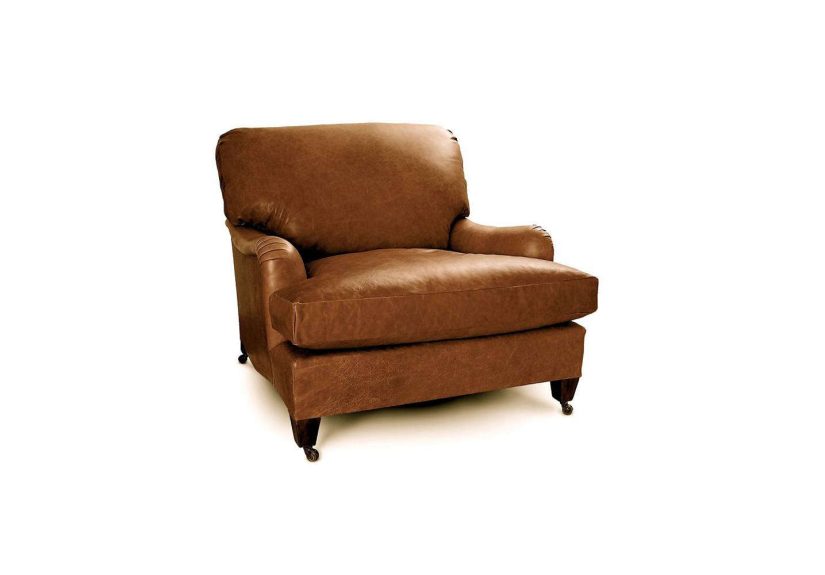
In the furniture world, names like “Highgrove” can point to either a specific leather used for upholstery or a chair model
offered in a Highgrove leather option. In practice, most shoppers using this phrase are chasing a specific vibe:
- Rich, dimensional color (not flat or plasticky-looking).
- Visible characternatural variation that feels expensive, not “oops, flawed.”
- Aging that improves the look (the holy grail: patina).
- Comfort that holds upsupportive frame, quality suspension, and cushions that don’t quit after six months.
If you’re shopping online, you’ll often see related terms like leather accent chair, leather club chair,
wingback leather chair, and top-grain leather chair. “Highgrove” tends to live in that premium lane, especially when it’s
describing an unprotected, more natural leather that develops a lived-in look.
Highgrove Leather: The “Why Does This Look So Good?” Factor
Top-grain, but make it interesting
Highgrove-style leather is commonly described as top-grain leather with a bold visual identity. Think: depth, movement, and a finish that
doesn’t scream “factory-perfect.” Some Highgrove leathers are even embossed with a custom pattern (including subtle prints that read as
texture from a distance and “oh wow” up close).
Unprotected finish and patina potential
Here’s the big personality trait: many Highgrove leathers are unprotected (meaning they don’t have a heavy protective topcoat). That’s
what helps them show natural variation and develop patina, but it also means they’re more honest about life. Spills, body oils, and sunlight can leave a
mark if you ignore them like unread group texts.
Wax pull-up effect (translation: character on demand)
If you’ve seen “wax pull-up” in a leather description, it means the leather can shift in tone when it’s moved, rubbed, or creasedcreating lighter and
darker areas that look intentionally vintage. On a chair, that effect can highlight arms, edges, and high-touch zones, giving you that “collected” look
even if you bought it new and immediately took a nap.
Design and Comfort: What a Great Highgrove Leather Chair Feels Like
The frame: the part you can’t Instagram, but should absolutely care about
Leather is only half the story. The chair’s skeleton matters just as much. Look for a kiln-dried hardwood frame (or high-quality hardwood
plywood) and reinforced corners. This helps prevent warping, squeaks, and that unsettling “did the chair just sigh?” moment when you sit down.
Support system: springs, webbing, and the secret to not sinking into regret
Many quality chairs use sinuous springs or other engineered support systems designed for long-term comfort. The goal: you want a seat that
cushions you, but still supports youlike a good friend who hands you a snack and also reminds you to drink water.
Cushions: high-density foam, down blends, and real-life comfort
A premium leather chair often pairs leather upholstery with high-density foam cushions, sometimes wrapped in a down or polyester blend.
Foam density and construction influence how fast cushions soften, how well they rebound, and whether the chair stays supportive year after year.
How to Choose the Right Highgrove Leather Chair for Your Space
1) Pick the “patina personality” you can actually live with
If you love a chair that tells a story, an unprotected, pull-up style leather is magic. If you want a leather chair that shrugs off chaos (kids, pets,
spaghetti night), you may prefer a more protected or semi-aniline leather finish that’s easier to wipe down.
2) Match the silhouette to how you actually sit
- Wingback: great for reading corners and fireplace moments; also great at making you feel like you should own a library ladder.
- Club chair: roomy, classic, lounge-friendlyideal for “one episode” that becomes six.
- Modern accent chair: sleeker profile, often firmer, good for smaller rooms and cleaner lines.
- Swivel: conversational superpower; also the reason you might spin once and pretend you didn’t.
3) Check the leather placement (yes, it matters)
Some chairs use higher-grade leather on contact areas (seat, inside arms) and different materials elsewhere. There’s nothing inherently wrong with thatjust
know what you’re paying for. If you want the most consistent look and aging, look for more complete leather coverage.
4) Measure like you mean it
Measure the chair footprint, but also measure the walkways and doorways. Leather chairs can look “perfectly sized” until
delivery day, when they become a surprise home renovation project.
Care and Cleaning: Keep the Leather Gorgeous Without Overdoing It
Daily/weekly habits that actually work
- Dust or vacuum gently using a soft brush attachment to prevent grit from acting like sandpaper.
- Keep it out of direct sun when possible. Sunlight can fade and dry leather over time.
- Blot spills fast with a clean, light-colored cloth. Blotting = pressing. Rubbing = chaos.
Cleaning rules (especially for unprotected leather)
With a Highgrove-style, more natural leather, the best approach is conservative: minimal moisture, gentle products, and always test in a hidden area first.
For routine cleaning, a slightly damp cloth (often with distilled water) is commonly recommended by major furniture brands. For specific stains (like ink or
grease), specialized methods existjust don’t freestyle it with random kitchen chemistry unless you enjoy living dangerously.
Conditioning: the “skincare routine” for leather
Leather can dry out in heated or air-conditioned homes. Occasional conditioning can help maintain suppleness. The key word is occasional.
Over-conditioning can darken some leathers or create uneven sheen, especially on more natural finishes. When in doubt, follow the care guidance for your
exact leather type.
Styling a Highgrove Leather Chair: Make It Look Intentional (Even If Your Life Isn’t)
Color pairings that play nice with Highgrove-style leather
- Warm neutrals (cream, oatmeal, camel): lets the leather’s variation do the talking.
- Moody contrast (charcoal, ink, deep green): makes the chair feel tailored and dramatic.
- Earth tones (terracotta, rust, olive): perfect for vintage or “modern lodge” vibes.
- Clean modern (white walls + black accents): turns the chair into the hero piece.
Texture stacking: the shortcut to designer energy
Leather loves texture friends. Add a nubby throw, a wool rug, or a linen pillow. If the leather has an embossed pattern or pull-up effect, keep nearby
patterns quieter so the chair reads as sophisticated, not “my living room is doing improv.”
Where it works best
- Living room anchor: pair with a side table and a lamp for an instant reading nook.
- Home office: a leather chair says “executive,” even if you’re emailing in sweatpants.
- Bedroom corner: makes getting dressed feel like a movie montage (minus the budget).
Who Should Buy a Highgrove Leather Chair?
Best for
- People who want leather that develops patina and looks better with time.
- Homes where the chair will be appreciatedused, cared for, and occasionally admired like art you can sit on.
- Shoppers who value materials and construction, not just the word “leather” in the product title.
Maybe not ideal for
- Anyone who wants a chair that stays looking brand-new forever. (Leather is not a screenshot; it changes.)
- High-chaos households that need maximum stain resistance with minimal attention.
FAQ
Is a Highgrove Leather Chair real leather?
When “Highgrove” refers to a specific upholstery leather, it typically points to real leather (often top-grain). Always confirm the upholstery details in
the product specs, especially if the listing mentions mixed materials or different upholstery on non-contact areas.
Will it scratch easily?
More natural, unprotected, pull-up leathers can show scratches more readilythen often blend them in as part of the patina. If you want fewer visible marks,
consider a more protected finish.
How long should a quality leather chair last?
With a solid frame, good support, and basic care, a well-made leather chair can last for years and often ages better than fabric. The leather will relax,
soften, and develop character over time.
Real-World Experiences: Living With a Highgrove Leather Chair (About )
Let’s talk about what it’s like to actually have a Highgrove Leather Chair in your daily orbitnot just in the fantasy world where no one eats salsa near
upholstery. The first week is usually a mix of admiration and mild paranoia. You’ll catch yourself hovering with a coaster like a bodyguard. Friends will
sit down and do that involuntary “ooooh” sound when the leather gives just enough under their weight. The chair looks substantial, grounded, anddepending
on the silhouetteeither clubby and relaxed or crisp and tailored.
Then the chair starts doing its signature trick: it becomes a favorite. The “just for guests” chair is a myth; the human body will locate the most
comfortable spot in your home with the precision of a heat-seeking missile. If the leather has a pull-up effect, you’ll notice the arms and seat start to
show lighter tones where you rest your hands or shift around. At first, you may think, “Is that wear?” Then you realize it looks…better. Like the chair has
been quietly collecting stories while you’ve been collecting streaming subscriptions.
Season changes are a real thing with leather. In winter, the chair can feel cool for about ten seconds, and then it warms up and becomes absurdly cozy. In
summer, it stays smoother and less clingy than some fabrics. If you’re in a dry, heavily air-conditioned home, the leather may start to feel a touch less
supplethis is when an occasional, leather-appropriate conditioner (used sparingly and tested first) can help.
Everyday maintenance is surprisingly low-drama if you keep it simple. A quick vacuum with a soft attachment every so often helps remove crumbs and dust
before they grind into the surface. Spills become a “blot immediately” reflex. The funny part? The chair trains you. You’ll become the person who says,
“No worries, just dab it,” like you’re hosting a cooking show titled Calm People With Nice Furniture.
Pets and kids are the ultimate stress test. A Highgrove-style, more natural leather might show a small scratch, but it can also absorb that moment into its
patina in a way that looks intentional over time. If you want the chair to remain pristine, you’ll either need a protected leather finish or a household
policy that bans fingernailsgood luck enforcing that on a golden retriever.
The biggest “owner surprise” is how flexible the chair becomes stylistically. One day it’s paired with a modern floor lamp and looks sleek. The next, you
toss on a wool throw and it suddenly reads as vintage. That’s the charm: the Highgrove Leather Chair doesn’t just sit thereit participates in your room’s
personality, aging with it, and somehow making the whole space feel more grounded.
Conclusion
A Highgrove Leather Chair is the kind of piece that earns its keep: it looks elevated, feels comfortable, andwhen you choose the right
leather finishgets more beautiful with real life. Focus on leather type (especially whether it’s unprotected), construction (kiln-dried frame, solid
support), and realistic care habits. Do that, and you’ll end up with a chair that doesn’t just match your roomit becomes the seat everyone quietly competes
for.