Table of Contents >> Show >> Hide
- What Is Hibiscus Tea?
- What Does Hibiscus Tea Taste Like?
- Ingredients and Tools
- Hibiscus Tea Recipe (Hot)
- How to Make Iced Hibiscus Tea (Agua de Jamaica Style)
- Cold-Brew Hibiscus Tea (Less Bitter, Super Smooth)
- Make a Hibiscus Tea Concentrate (For Busy People and Mocktail Fans)
- Flavor Variations That Actually Taste Good
- Sweeteners: How to Balance Tartness Like a Pro
- Serving Ideas (Beyond “Drink It”)
- Storage and Food Safety
- Hibiscus Tea Benefits and Cautions (A Reality-Based Take)
- FAQ
- Conclusion
- Real-Life Hibiscus Tea Experiences (So You Don’t Repeat My Mistakes)
Hibiscus tea is the Beyoncé of herbal teas: bold, tart, stunningly red, and totally capable of showing up
uninvited at your brunch and stealing the spotlight. If you’ve ever ordered agua de jamaica at a taco
spot and thought, “How is this both refreshing and dramatic?”welcome. You’re in the right place.
This guide gives you a foolproof hibiscus tea recipe for hot tea, iced tea, and cold brew,
plus flavor variations, sweetener tips, storage guidance, and a few practical “don’t do what I did” lessons.
Expect a fun, no-fluff approach that still respects the science, the flavor, and your time.
What Is Hibiscus Tea?
Hibiscus tea is an herbal infusion (aka a tisane) made from dried hibiscus calycesoften
Hibiscus sabdariffa. It’s naturally caffeine-free and known for its ruby color and cranberry-like tang.
In many U.S. grocery stores, you’ll find it in tea bags; in Latin markets, it’s often sold as
flor de jamaica (and it’s usually a better deal).
What Does Hibiscus Tea Taste Like?
Think: tart berries + a floral note + a clean finish. The vibe is “cranberry without the holiday sweater.”
Sweetener is optional, but a little honey, agave, or simple syrup can turn the tartness into pure refreshment.
Citrus (lime or orange) makes it even brighter.
Ingredients and Tools
Core Ingredients
- Dried hibiscus flowers (loose) or hibiscus tea bags
- Water (filtered tastes best)
- Optional sweetener: honey, agave, sugar, or a zero-calorie option
- Optional flavor boosters: lime/lemon, orange peel, cinnamon, ginger, mint
Helpful Tools
- Kettle or saucepan
- Fine-mesh strainer (if using loose hibiscus)
- Pitcher or jar (for iced tea)
- Optional: tea infuser, French press, or reusable cold-brew bottle
Hibiscus Tea Recipe (Hot)
This is the “weeknight friendly” method: fast, bright, and customizable. Great for sipping hot or chilling
for later.
Best Ratio (So It Doesn’t Taste Like Regret)
- Per mug: 1 tablespoon dried hibiscus + 1 cup boiling water
- Per quart (about 4 cups): 3–4 tablespoons dried hibiscus + 4 cups boiling water
Hibiscus strength is personal. If you like it punchy and tart, go heavier or steep longer. If you want a
gentler, more “tea-like” sip, use less hibiscus or shorten the steep.
Step-by-Step (Hot Brew)
- Bring water to a boil, then remove from heat.
-
Add dried hibiscus (or tea bags) to a mug, teapot, or heat-safe jar.
If your hibiscus looks dusty, give it a quick rinse in a strainer first. - Pour hot water over hibiscus.
- Steep 5–10 minutes. Taste at 5 minutes; continue if you want deeper color and tang.
- Strain out the flowers (or remove tea bags).
- Sweeten to taste (optional). Add lemon/lime if you want extra brightness. Sip and feel fancy.
Troubleshooting Hot Hibiscus Tea
- Too tart? Add sweetener, dilute with hot water, or add orange peel for balance.
- Too bitter/astringent? You likely steeped too long or used very high hibiscus-to-water.
Shorten steep time next round, or chill it and serve over ice (cold can soften bitterness). - Too weak? Increase hibiscus by 1 tablespoon per quart or steep a few minutes longer.
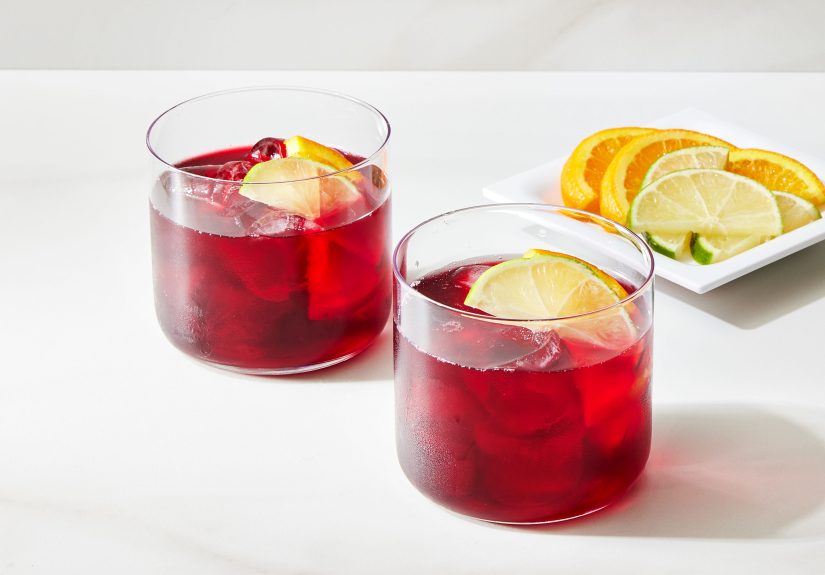
How to Make Iced Hibiscus Tea (Agua de Jamaica Style)
Iced hibiscus tea is a summer cheat code: bright, jewel-toned, and suspiciously refreshing. In many
restaurants, it’s made stronger first, then chilled and served over icebecause nobody wants watery sadness.
Method A: Quick Steep + Chill (Clean and Bright)
For a pitcher (about 6 cups):
- Boil 6 cups water, then turn off heat.
- Add 1/2 to 1 cup dried hibiscus (start at 1/2 cup for a smoother tartness).
- Cover and steep 10 minutes.
- Strain into a pitcher. Sweeten while warm so it dissolves easily.
- Chill 2–3 hours, then serve over ice with lime wedges.
Method B: Simmered Jamaica (Deeper, Spiced, More “Agua Fresca”)
If you want a richer, more spice-forward hibiscus iced tea, simmer it. This is especially good if you’re adding
cinnamon, cloves, ginger, or allspice.
- Bring water to a boil, add hibiscus and any spices.
- Reduce to a gentle simmer for 20–30 minutes (longer for very deep color).
- Turn off heat, cool slightly, then strain.
- Sweeten, chill, and serve over ice.
Pro tip: If you’re using warm spices, start light. Cloves can go from “holiday cozy” to “dentist office”
with one accidental shake.
Cold-Brew Hibiscus Tea (Less Bitter, Super Smooth)
Cold brew hibiscus tea is for anyone who wants maximum refreshment with minimum drama. It tends to taste
smoother and less astringent than hot brewingespecially if you’ve had a bitter hibiscus experience before.
Cold Brew Ratio and Steps
- Ratio: 1/2 cup dried hibiscus + 4 cups cold water
- Optional: 1 cinnamon stick, a few strips of orange peel, or sliced ginger
- Combine hibiscus and cold water in a jar or pitcher.
- Cover and refrigerate 8–12 hours.
- Strain and sweeten to taste.
- Serve over ice, add citrus, and pretend you’re at a beach resort.
Make a Hibiscus Tea Concentrate (For Busy People and Mocktail Fans)
Concentrate is the secret weapon: brew strong once, then dilute per glass. It’s also perfect for sparkling
hibiscus “soda” moments.
Simple Concentrate
- Use double-strength hibiscus (e.g., 1/2 cup hibiscus to 4 cups hot water).
- Steep 10–15 minutes, then strain.
- Chill. To serve, mix 1 part concentrate with 1–2 parts cold water or sparkling water.
Flavor Variations That Actually Taste Good
Citrus Pop
Add lime juice for classic iced hibiscus tea energy. Orange peel adds sweetness without adding sugar, and
grapefruit makes it feel adult in the best way.
Mint Cooler
Muddle mint in the glass or steep a handful briefly after brewing. Mint + hibiscus is a “why didn’t I do this
sooner?” combo.
Ginger Kick
Add fresh sliced ginger during steeping. It balances tartness and adds warmthexcellent hot or iced.
Cinnamon & Spice
Cinnamon is a natural match for hibiscus. If you want a spiced agua fresca vibe, try cinnamon plus a tiny pinch
of clove or allspice. Tiny. Pinch. We’re not making potpourri.
Sweeteners: How to Balance Tartness Like a Pro
Hibiscus is naturally tart, so sweetener isn’t “cheating”it’s balancing. The trick is adding enough to smooth
the edges without turning it into candy.
- Honey: floral and cozy (best in hot tea)
- Agave: clean sweetness (great for iced tea)
- Simple syrup: dissolves instantly in cold drinks
- Zero-cal sweeteners: start with a small amount; adjust slowly
Serving Ideas (Beyond “Drink It”)
- Sparkling hibiscus: hibiscus concentrate + sparkling water + lime
- Mocktail moment: hibiscus + orange + ginger + lots of ice
- Brunch pitcher: iced hibiscus + mint + sliced citrus wheels
- Warm evening cup: hot hibiscus + honey + lemon
Storage and Food Safety
Brewed hibiscus tea is like fresh leftovers: amazing today, still good soon, but not immortal.
Store it in a clean, covered container in the refrigerator.
- Refrigerator: Aim to drink within 3–4 days.
- Room temp: Don’t leave it out for long stretchesespecially if you added sugar or fruit.
- Freezing: You can freeze tea in ice cube trays for quick chill-and-flavor cubes.
Hibiscus Tea Benefits and Cautions (A Reality-Based Take)
Hibiscus tea gets a lot of wellness buzz, and some research suggests it may support heart healthespecially
around blood pressure. It also delivers antioxidants (the compounds that plants use for protection, and our bodies
appreciate too). But “natural” doesn’t automatically mean “harmless for everyone,” so let’s keep it smart.
Blood Pressure: What the Research Generally Suggests
Multiple studies and reviews have found that hibiscus tea may help lower blood pressure in some adults,
particularly those with elevated readings. If you already take blood pressure medication, that overlap can be
a feature or a bugmeaning it’s worth discussing with a clinician if you drink it daily.
Who Should Be Cautious
- People on blood pressure meds or diuretics: hibiscus may add to BP-lowering effects.
- People on diabetes meds: hibiscus may also affect blood sugar in some cases.
- Pregnant or trying to conceive: many sources recommend avoiding hibiscus due to limited safety data.
- Medication interactions: if you take prescription meds regularly, ask a pharmacist/clinician before making hibiscus a daily habit.
- Low blood pressure: proceed carefullytart tea shouldn’t knock you off your feet.
Bottom line: hibiscus tea can be a great part of a balanced routine, but it shouldn’t replace medical care,
and it deserves the same respect you’d give any potent plant-based product.
FAQ
Is hibiscus tea caffeinated?
Nohibiscus tea is typically caffeine-free, since it’s an herbal infusion rather than a tea from the
Camellia sinensis plant.
Why is my hibiscus tea cloudy?
Cloudiness can happen after chilling (especially with citrus). It’s usually harmless and more about natural
compounds settling or reacting. Strain well and store cold.
Can I reuse hibiscus flowers?
You can, but the second brew is much weaker. If you want maximum flavor, use fresh hibiscus for each batch
or make concentrate and dilute.
How do I make it taste less sour without adding a ton of sugar?
Dilute slightly, add orange peel, try cinnamon, or serve with sparkling water. Also consider cold brew, which
often tastes smoother.
Conclusion
A great hibiscus tea recipe isn’t complicatedit’s just a balance of tartness, aroma, and the
strength you like. Start with a reliable ratio, taste as you steep, and don’t be afraid to customize with citrus,
mint, ginger, or a touch of sweetness. Whether you’re making hot hibiscus tea for a cozy afternoon or iced
agua de jamaica for a pitcher-on-the-porch kind of day, this is one of the easiest ways to make your
hydration feel like a small celebration.
Real-Life Hibiscus Tea Experiences (So You Don’t Repeat My Mistakes)
My first “homemade hibiscus tea” phase began the way many good ideas do: I drank a perfect iced jamaica at a
neighborhood taqueria and decided I was clearly qualified to recreate it with zero practice and maximum confidence.
I bought a bag of dried hibiscus the size of a pillow and went home feeling like a botanical wizard.
Batch #1 was… educational. I treated hibiscus like a gentle chamomile, tossed in a heroic amount, and walked away
while it steeped. When I came back, the tea was so dark it looked like it had secrets. One sip and my face puckered
so hard I briefly considered whether my cheeks were going to file for emancipation. The lesson: hibiscus is friendly,
but it is not timid. Start lighter than you think. You can always steep longer or add more next time, but you can’t
un-tart the tart.
Batch #2 was better, but I still had the “watery ice problem.” I poured the tea over a mountain of ice, it looked
gorgeous for about 90 seconds, and then it tasted like someone whispered “hibiscus” into a glass of cold water.
That’s when concentrate became my whole personality. Brewing strong once and diluting per glass is a game changer,
especially if you like your drinks ice-cold. Bonus: sparkling water + hibiscus concentrate makes you feel like you’re
paying $9 for a mocktail, except you’re paying $0.17 and smugness is free.
Then came the sweetener saga. I used to think “real” tea drinkers never sweeten anything. Hibiscus cured me of that
delusion. A little sweetness doesn’t erase the flavor; it rounds it out. The trick is picking the right sweetener for
the job. Honey is lovely in hot hibiscus tea, but in iced tea it can sit at the bottom like a sticky secret. Simple
syrup dissolves instantly in cold drinks (and makes you look wildly prepared, even if you’re not). Agave is a clean,
neutral option that plays nicely with citrus.
My favorite discovery was how hibiscus acts like a flavor stage manager: it makes everything else seem more vivid.
Lime tastes lime-ier. Mint feels cooler. Ginger gets perkier. I once added orange peel and a cinnamon stick to a cold
brew batch and served it at a casual hangout. People asked what it was, then asked how I made it, then acted like I
had invented hydration. I did not correct them.
The final lesson: store it like you care. Hibiscus tea is fantastic for meal prep, but it’s still a brewed drink, not
a magical pantry potion. I now keep it in a clean, covered jar, label it (yes, I’m that person), and try to finish it
within a few days. If I’m feeling extra, I freeze a little into ice cubesbecause hibiscus ice cubes in sparkling water
is the kind of low-effort upgrade that makes a Tuesday feel like a soft-launch weekend.
So if you’re new to hibiscus tea, here’s the honest truth: your first batch might be too tart, too weak, or too “what
did I do?” That’s normal. Hibiscus tea is forgiving, flexible, and easy to improve with tiny adjustments. Taste as you
go, keep notes if you’re nerdy (I am), and rememberif it’s not perfect, add lime and ice and call it “intentional.”