Table of Contents >> Show >> Hide
- Why Hair Gets So Much Attention
- What Your Hair Story Can Say Without Saying a Word
- Hair Health 101: How to Show Off Your Hair Without Wrecking It
- Different Hair Types Need Different Rules
- When Hair Is Trying to Tell You Something
- Hair, Confidence, and the Very Real Identity Factor
- How to Build a Healthier Relationship With Your Hair
- Hey Pandas, Show Me Your Hair: The Fun Part
- Shared Experiences Related to “Hey Pandas, Show Me Your Hair”
- Conclusion
Hair is never just hair. It is mood, memory, identity, routine, rebellion, and occasionally a public service announcement that says, “Please do not talk to me until this deep conditioner has finished its sacred work.” Whether your strands are pin-straight, beachy, curly, coily, silver, shaved, dyed copper, or living somewhere between “intentional style” and “I fought my pillow and lost,” hair tells a story before we say a single word.
That is exactly why a title like “Hey Pandas, Show Me Your Hair” feels so instantly relatable. People love sharing their hair because it is one of the easiest ways to show personality without giving a full TED Talk. A dramatic chop can say, “new chapter.” A natural texture journey can say, “I’m done apologizing for the way I naturally grow.” Even a simple trim can say, “I am trying to become the sort of person who books appointments before split ends declare independence.”
This article explores why hair matters so much, how to care for it without accidentally bullying it, what different hair types need, and why hair confidence is about more than looking good in a mirror selfie. At the end, you will also find a longer section full of common experiences people have with their hair, because if there is one thing humanity does well, it is turning a haircut into an emotional subplot.
Why Hair Gets So Much Attention
Hair sits right at the intersection of appearance and identity. It is one of the first things people notice, and it is one of the few parts of our appearance we can change relatively quickly. That is powerful. You can color it, grow it, cut it, braid it, twist it, straighten it, curl it, buzz it, or let it do exactly what it wants like the tiny, stubborn artist it is.
Hair also carries cultural meaning. Natural styles, protective styles, gray hair, religious coverings, barber cuts, long waves, locs, braids, fades, and curls can all reflect heritage, community, age, gender expression, or personal values. That is why conversations about hair often become conversations about confidence, belonging, and even fairness in schools and workplaces.
In other words, asking people to “show me your hair” is not shallow. It is surprisingly human. You are often asking to see what makes them feel most like themselves.
What Your Hair Story Can Say Without Saying a Word
The “big chop” story
For some people, a major haircut is not just a style decision. It is a reset button. After a breakup, burnout, career change, move, or milestone birthday, people often change their hair first because it feels immediate and visible. You cannot always fix your taxes in one afternoon, but you can cut six inches off your hair and strut out of the salon like the soundtrack just kicked in.
The texture-embracing story
For others, the real hair story is learning to stop fighting what naturally grows from the scalp. That may mean embracing curls after years of heat styling, learning how to care for coils properly, wearing protective styles with pride, or finally admitting that humidity is not the enemy but a recurring character. This kind of shift often comes with more than better hair days. It can bring relief, authenticity, and a stronger sense of self.
The practical story
Sometimes hair is not about symbolism at all. Sometimes it is about finding a style that fits real life. Busy parents want easy. Athletes want secure. Professionals may want polished but low-maintenance. Students want something that survives 8 a.m. classes and questionable dorm lighting. The best hairstyle is not always the trendiest one. Often, it is the one that works on a Tuesday.
Hair Health 101: How to Show Off Your Hair Without Wrecking It
If you want healthy hair, the secret is not one miracle bottle with a name like “Moon Silk Unicorn Rescue Serum.” It is mostly about consistent, gentle habits.
Be kinder when washing
Many people overdo shampoo or scrub the hair lengths like they are trying to remove evidence. In reality, the scalp usually needs the most cleansing, while the lengths need gentler treatment. Conditioning matters too, especially on older, drier ends. If your hair tangles easily, a leave-in conditioner or detangler can help reduce breakage and make styling less dramatic.
Heat is useful, but greedy
Blow dryers, flat irons, curling irons, and hot combs can create a great look, but frequent high heat can leave hair dry, brittle, and more likely to snap. A heat protectant is not glamorous, but it is loyal. Lower temperatures, fewer passes, and air drying when possible all help preserve strength and shine.
Tight styles are not always harmless
Sleek ponytails, heavy extensions, tight braids, and styles that pull at the roots may look amazing, but too much tension can stress the scalp. Over time, repeated pulling may lead to traction alopecia, a form of hair loss linked to chronic tension. A style should feel secure, not like your scalp is filing a complaint.
Your scalp is part of the story
Healthy hair starts at the scalp. Flaking, itching, soreness, bumps, or unusual shedding are signs that something may need attention. Hair products get most of the glory, but scalp care deserves better public relations.
Different Hair Types Need Different Rules
One of the biggest hair mistakes is following advice meant for someone with a totally different texture. Hair care is not one-size-fits-all, and that is excellent news for your strands.
Straight hair
Straight hair can look shiny quickly because natural oils travel down the shaft more easily. The downside is that it may also get oily faster and lose volume. Lightweight products, gentle washing, and avoiding heavy buildup are often the sweet spot.
Wavy hair
Wavy hair lives in the magical land between smooth and textured. It often needs balance: enough moisture to prevent frizz, but not so much that waves go flat and surrender. Lightweight creams, mousse, and air drying or diffusing can help waves hold their shape.
Curly hair
Curly hair often benefits from less frequent washing, more moisture, and careful detangling. Because curls and coils can be more fragile and drier, rough brushing or over-washing may make them frizzier and harder to manage. Conditioner, patience, and a wide-tooth comb are often better friends than speed.
Coily and tightly textured hair
Coily hair often needs even more moisture support and gentler handling. Many people with tightly textured hair do well with consistent conditioning, lower heat exposure, and protective styles that truly protect rather than pull. The healthiest routine is usually the one that keeps the hair moisturized, the scalp comfortable, and tension low.
When Hair Is Trying to Tell You Something
Hair changes can sometimes reflect everyday habits, but they can also hint at stress, hormones, nutrition, or scalp issues. Some shedding is normal. Most people lose hair every day, and hair growth happens in cycles. In fact, scalp hair spends years growing, then rests, then sheds. That is why seeing a few hairs in the shower is not automatically a reason to write a will.
Still, sudden or heavy shedding, widening parts, bald patches, scalp pain, or lots of breakage deserve attention. Stress can trigger temporary shedding. Harsh chemicals and overheating can weaken strands. Tight styles can strain follicles. And in some cases, medical conditions, medications, or nutritional problems may be involved. If your hair seems to be changing fast or your scalp feels off, it is smart to talk with a dermatologist instead of crowdsourcing panic online.
Hair, Confidence, and the Very Real Identity Factor
Hair confidence is not vanity. It can affect how comfortable people feel at work, at school, on dates, in family photos, and in everyday social life. That matters. Especially in adolescence and early adulthood, appearance can strongly shape self-esteem, which helps explain why hair changes can feel so emotionally loud.
For many people, this is also a cultural issue. Natural textures and protective styles have not always been treated fairly in professional or academic settings, even though they are practical, healthy, and deeply meaningful for many communities. That is one reason hair discrimination laws and conversations around natural hair acceptance have become so important. Hair is personal, but it is also social. The right to wear it in a way that reflects who you are should not feel revolutionary.
How to Build a Healthier Relationship With Your Hair
1. Stop comparing your hair to somebody else’s highlight reel
Your real hair does not have the same job as someone else’s edited photo. Texture, density, porosity, shrinkage, gray patterns, growth rate, and climate all matter. Comparison is a fast way to turn a decent hair day into emotional soup.
2. Build a routine for your actual hair, not your fantasy hair
If your hair needs moisture, give it moisture. If it gets weighed down easily, lighten up. If you know weekly heat styling leaves your ends crunchy, adjust. A realistic routine beats a trendy one every time.
3. Respect your texture
Straight hair is not more professional. Curls are not “messy.” Coils are not “too much.” Gray is not giving up. A buzz cut is not laziness. Healthy hair confidence starts when you stop treating one look as the default definition of “good hair.”
4. Think long-term
A hairstyle may last a week. Hair habits last much longer. Gentler detangling, less tension, fewer harsh chemical services, and smarter heat use can make a bigger difference over time than any single product launch with suspiciously dramatic promises.
Hey Pandas, Show Me Your Hair: The Fun Part
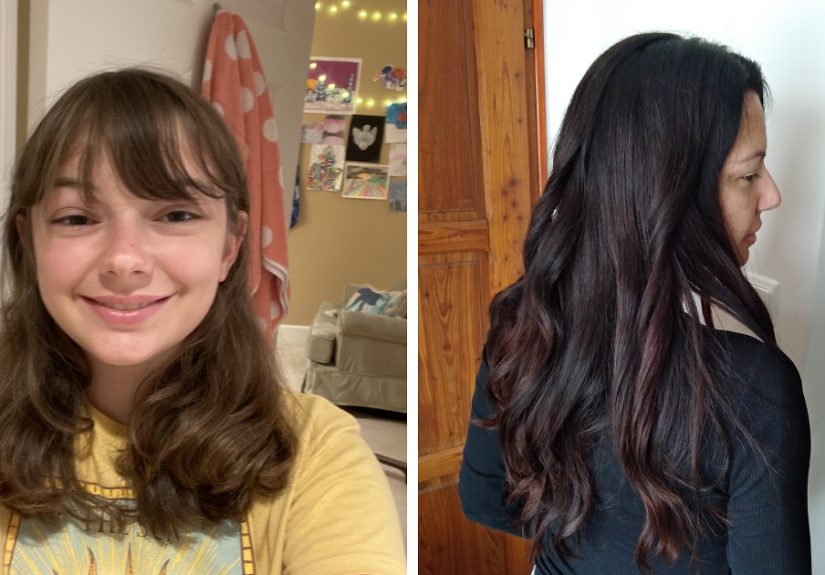
So what does it really mean to say, “Show me your hair”? It means show me your texture, your experiment, your comeback, your silver streak, your dramatic fringe, your wash-day triumph, your braids, your curls, your sleek bob, your brave buzz cut, your once-regretted bangs that somehow became iconic, and your “I cut it myself at 11 p.m.” recovery era.
Hair is one of the most visible ways people express change, joy, personality, and culture. It can be polished, playful, practical, powerful, or gloriously chaotic. The best hair is not the most expensive, the longest, or the most trend-driven. The best hair is hair that feels like yours.
Shared Experiences Related to “Hey Pandas, Show Me Your Hair”
One of the most common hair experiences is the emotional haircut. Almost everyone has a story about sitting in a salon chair and saying something bold like, “Let’s do it,” then spending the next ten minutes wondering whether they had just become fearless or mildly unhinged. But when the cape comes off and the mirror turns around, something interesting happens. Even when the result is unexpected, people often feel lighter. A haircut can mark the end of an old version of yourself and make room for someone braver, calmer, or simply less interested in spending 45 minutes detangling.
Another shared experience is learning your hair is not “bad,” just misunderstood. Many people grow up thinking their frizz is a failure, their curls are disobedient, or their coils are too much work. Then one day they find the right stylist, the right routine, or the right advice and realize their hair was never the problem. The wrong products were the problem. The wrong expectations were the problem. The wrong definitions of beauty were definitely the problem. That discovery can feel surprisingly emotional because it is about more than appearance. It is about finally seeing yourself correctly.
There is also the universal drama of “I just washed my hair and now I must protect it like a historic landmark.” Fresh hair inspires strange but understandable behavior. People sleep carefully, avoid weather apps like they are horror trailers, and suddenly become experts in satin pillowcases. Anyone with curls, waves, or a carefully styled blowout knows that preserving a good hair day requires planning, optimism, and maybe a tiny bit of superstition.
Then there is the experience of hair changing without permission. Shedding after stress, changes after pregnancy, new grays, a shifting hairline, or a texture that suddenly behaves differently can all feel personal. Even normal changes can be unsettling because hair is so tied to familiarity. Many people describe these moments as reminders that the body is always changing, whether we applaud that fact or not. The healthiest response is usually a mix of information, patience, and a routine that adapts instead of panics.
For some, the biggest hair memory is the first time they wore it naturally and felt truly seen. Maybe it was the first day they wore curls without straightening them, the first time they let gray hair shine instead of covering it, or the first day they wore braids, locs, twists, or a buzz cut and thought, “Yes, this is me.” That kind of experience can be quiet from the outside, but huge on the inside. It is the difference between styling yourself for approval and styling yourself from a place of honesty.
And finally, there is the shared joy of compliments that feel deeper than compliments. When someone says, “Your hair looks amazing,” they are often also saying, “You look comfortable in yourself.” That may be why hair stories keep circulating online. People are not only showing texture, color, or length. They are sharing confidence, change, and identity one strand at a time. So yes, hey pandas, show me your hair. Show the curls, the coils, the layers, the locs, the silver, the shag, the pixie, the braid-out, the blunt bob, the soft chaos, and the styles that made you feel most like yourself.
Conclusion
Hair matters because people matter. The way we wear our hair reflects care, culture, comfort, creativity, and confidence. Healthy hair habits can protect strands and scalp, but the bigger goal is not perfection. It is freedom. Freedom to understand your texture, choose styles that support your hair health, and wear your hair in ways that feel honest rather than performative. Whether your best look is a polished blowout, soft waves, natural coils, a clean shave, or a salt-and-pepper crown you have fully decided to stop arguing with, the message is the same: your hair does not need to be someone else’s version of beautiful to be worth showing off.