Table of Contents >> Show >> Hide
- What Is a Fursona?
- Why Do People Create Fursonas?
- Popular Fursona Species and What They Often Represent
- How to Design a Fursona That Feels Original
- Fursonas in Online Communities
- Fursonas at Conventions and Meetups
- Common Misconceptions About Fursonas
- How to Share Your Fursona Online
- Why Fursonas Matter More Than They Seem
- Experience Section: What It Feels Like to Share a Fursona
- Conclusion
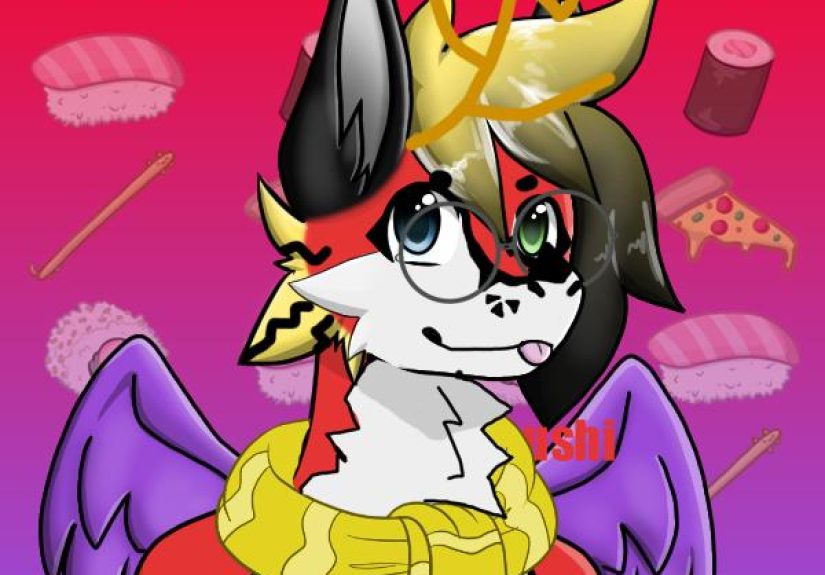
Hey Pandas, show me your fursonas! It sounds like the kind of cheerful internet invitation that makes half the room reach for a sketchbook and the other half whisper, “Wait… what exactly is a fursona?” Excellent question. A fursona is a personalized anthropomorphic animal characterpart avatar, part creative alter ego, part “this is who I would be if my personality had ears, paws, scales, wings, or possibly a dramatic tail cape.”
Across the furry fandom, fursonas are used in art, online profiles, conventions, role-play, badges, fursuits, comics, social media posts, and group prompts like the now-classic community call: “Show me your fursona!” The idea is simple, but the creativity behind it can be wildly detailed. One person may design a neon fox who collects vintage cameras. Another may create a shy dragon who loves baking cinnamon rolls. Someone else might build a panda character who wears oversized hoodies and runs on iced coffee and emotional support playlists. In other words: deeply relatable.
This article explores what fursonas are, why people create them, how the furry community uses them, and why sharing them online can feel like walking into a digital art gallery where everyone is both the artist and the mascot.
What Is a Fursona?
A fursona is an original anthropomorphic animal character created to represent a person in the furry fandom. The word combines “furry” and “persona,” which is refreshingly efficientunlike most usernames from 2009, which required seventeen underscores and a tragic wolf reference.
Anthropomorphic characters are animals or animal-inspired beings with human traits. They may talk, wear clothes, have jobs, express complex emotions, or live in worlds that look suspiciously like ours but with more tails and better character design. Fursonas can be mammals, birds, reptiles, fish, insects, mythical creatures, hybrids, robots, or something so specific it needs its own field guide.
Fursona vs. Furry: What’s the Difference?
A furry is someone interested in anthropomorphic animal characters and the culture around them. A fursona is the character that person creates or uses. Not every furry wears a fursuit. Not every furry role-plays. Not every furry attends conventions. But many furries do have a fursona, and for some, that character becomes the centerpiece of their creative life.
Think of it this way: being a furry is like being part of a fandom; having a fursona is like designing your own character inside that fandom. It is less “I believe I am secretly a wolf” and more “I made a wolf character because wolves are cool, loyal, dramatic in moonlight, and honestly great for profile pictures.”
Why Do People Create Fursonas?
People create fursonas for many reasons: self-expression, art, friendship, storytelling, confidence, humor, identity exploration, or simply because designing a purple raccoon with star-shaped freckles is a good use of a Sunday afternoon.
1. Creative Self-Expression
At its core, a fursona is a character design project with emotional seasoning. People choose species, colors, markings, clothing, accessories, personality traits, and backstories. Some fursonas look like idealized versions of their creators. Others are playful opposites. A quiet person may create a loud, charismatic tiger. A very organized person may design a chaotic crow who steals buttons and forgets appointments. Character design becomes a mirror, a mask, and a playground all at once.
2. Community and Belonging
The furry fandom is heavily built around community. Online spaces, conventions, art trades, commissions, chats, meetups, and collaborative projects allow people to connect through shared creativity. A fursona gives someone a recognizable presence. Instead of being just another username, they become “the blue otter with goggles” or “the cozy red panda who draws space cats.” That recognition can make friendship feel easier.
3. Confidence and Play
Many people use fursonas to explore personality traits they want to develop. A fursona might be braver, sillier, more social, more stylish, or more adventurous than the person behind the screen. That does not mean the character is fake. It can be a safe way to practice being more expressive. Sometimes a cartoon hyena in a bomber jacket is the emotional support system we did not know society needed.
Popular Fursona Species and What They Often Represent
There is no official rulebook for choosing a fursona species, which is good, because the internet would immediately turn it into a 94-question quiz with suspiciously accurate results. Still, certain species are especially common in furry art and fandom spaces.
Wolves, Foxes, Dogs, and Big Cats
Wolves are popular because they can symbolize loyalty, independence, mystery, and pack connection. Foxes are often associated with cleverness, charm, mischief, and style. Dogs are friendly, expressive, and emotionally direct, which makes them perfect for people whose entire personality is “excited to see you.” Big catslions, tigers, panthers, leopardsoften carry confidence, elegance, strength, or dramatic flair.
Dragons, Hybrids, and Fantasy Creatures
Dragons are a fandom favorite because they can be majestic, awkward, ancient, tiny, cosmic, sparkly, grumpy, or all of the above. Hybrids are also common: fox-wolves, cat-dragons, deer-birds, shark-dogs, and species combinations that sound like they escaped from a magical biology textbook. These designs let creators build characters that feel truly one-of-a-kind.
Pandas, Red Pandas, and Cozy Characters
Since the prompt says “Hey Pandas,” we must give pandas their moment. Panda fursonas often lean cozy, gentle, funny, sleepy, artistic, food-loving, or quietly chaotic. Red pandas, meanwhile, are basically nature’s tiny cinnamon-colored tricksters. A panda fursona might be a soft-spoken illustrator with paint on their paws, a cheerful gamer with a hoodie collection, or a snack-powered philosopher who solves problems by taking a nap first.
How to Design a Fursona That Feels Original
Creating a fursona is not about picking the rarest species or adding enough accessories to make airport security nervous. The best fursonas feel intentional. They have a visual identity, personality, and a reason to exist beyond “I saw a cool wolf once.” Although, to be fair, seeing a cool wolf once has launched many artistic journeys.
Start With Personality
Before choosing colors or markings, ask: Who is this character? Are they shy, confident, chaotic, elegant, curious, sarcastic, gentle, brave, clumsy, dramatic, or quietly weird in a lovable way? Personality can guide everything else. A high-energy fox may have sharp shapes, bright colors, and sporty accessories. A calm bear may use soft lines, warm tones, and cozy clothing.
Choose a Species That Matches the Vibe
Your species can match your personality, contrast with it, or simply appeal to you visually. A tiny mouse can have the courage of a superhero. A giant dragon can be afraid of phone calls. A shark can be a polite librarian. The fun of fursona design is that animals carry symbolic meaning, but you are allowed to remix everything.
Use Color With Purpose
Colors help make a fursona memorable. Natural palettes feel grounded, while neon or fantasy palettes feel bold and stylized. Some creators choose colors based on favorite shades, flags, moods, seasons, hobbies, or character themes. A forest-green deer might feel earthy and thoughtful. A pastel-blue rabbit might feel dreamy and gentle. A black-and-gold panther might look like they own a luxury nightclub and possibly a secret moon base.
Add Signature Details
Great fursonas often have one or two signature elements: a scarf, glasses, unusual markings, a broken horn, glowing freckles, a favorite jacket, a flower crown, a tail pattern, or a tiny companion. These details make a character easier to recognize, especially in profile icons, badges, stickers, and convention art.
Fursonas in Online Communities
Fursonas thrive online because the internet is built for avatars, art, usernames, and niche communities. People share reference sheets, commission artists, trade sketches, join themed prompts, and post character introductions. A prompt like “Hey Pandas, show me your fursonas!” works because it invites participation without needing a perfect portfolio. You can share a full reference sheet, a rough doodle, a mood board, or a paragraph describing your character.
Online fursona sharing is also a form of storytelling. When someone posts their character, they are often saying, “Here is a little piece of how I see myself, or how I want to be seen, or what makes me smile.” That can be surprisingly meaningful, even when the character is a raccoon named Biscuit who steals fries.
Fursonas at Conventions and Meetups
Furry conventions in the United States have grown into major creative events, with large gatherings in cities such as Pittsburgh and Rosemont. These events often include art markets, panels, dances, charity fundraisers, costume parades, gaming rooms, writing workshops, meetups, and social spaces. Fursonas appear everywhere: badges, banners, prints, fursuits, stickers, buttons, plushies, and phone wallpapers.
But here is an important detail: most furries do not need a fursuit to participate. Fursuits can be expensive, hot, delicate, and difficult to store. Many people engage through art, writing, online chat, partial costume pieces, or simply showing up as themselves. The fursona is the creative identity; the fursuit is one optional way to bring it into the physical world.
Common Misconceptions About Fursonas
The furry fandom has been misunderstood for years, partly because the internet loves turning anything unusual into a punchline before asking basic questions. Fursonas are often wrongly framed as strange, embarrassing, or automatically adult. In reality, the fandom is broad. It includes artists, writers, students, programmers, performers, costume makers, gamers, charity volunteers, hobbyists, and people who simply enjoy cartoon animals with personality.
Misconception: All Furries Wear Fursuits
They do not. Fursuiting is visible, so people assume it represents everyone. It does not. Many furries never own a suit and never plan to. A fursona can exist as a drawing, username, story character, badge, or private idea.
Misconception: Fursonas Are Not Serious Art
Actually, fursona creation can involve advanced skills in illustration, costume design, sewing, 3D modeling, storytelling, branding, animation, and digital media. Many artists build careers or side businesses through character commissions, reference sheets, badges, stickers, and convention merchandise. A well-designed fursona can be as thoughtful as any original character in animation, comics, or games.
Misconception: The Furry Fandom Is Only One Thing
The fandom is not a single personality type. Some people enjoy cute art. Others love worldbuilding. Some attend conventions. Some stay online. Some are casual fans. Others build detailed character universes. The only real common thread is an interest in anthropomorphic characters and the communities that form around them.
How to Share Your Fursona Online
If you want to answer the call“Hey Pandas, show me your fursonas!”you do not need to arrive with museum-level artwork. A thoughtful introduction can be just as fun as a polished illustration.
Create a Simple Fursona Profile
Include your character’s name, species, pronouns, personality, hobbies, favorite food, visual details, and a short backstory. For example: “Mochi is a sleepy panda-red panda hybrid who collects enamel pins, draws clouds, and believes every problem can be improved with dumplings.” That is already a character people can picture.
Use a Reference Sheet
A reference sheet shows your fursona from different angles and includes colors, markings, accessories, and notes for artists. It helps keep the design consistent. It is especially useful if you commission art or participate in art trades.
Be Respectful With Feedback
When people share fursonas, they are often sharing something personal. Compliments, curiosity, and gentle questions work better than criticism. “I love the color palette” is helpful. “Why does your dragon wear sneakers?” is acceptable if said with wonder. “This is wrong” is not the community-building masterpiece some people think it is.
Why Fursonas Matter More Than They Seem
At first glance, fursonas may look like cute animal avatars. But for many people, they are tools for creativity, confidence, friendship, and self-discovery. A fursona can help someone practice art. It can give a shy person a social bridge. It can inspire writing, costume work, streaming layouts, stickers, comics, or animation. It can also offer a sense of belonging in a world where many people feel a little out of place.
That is the secret charm of the prompt. “Show me your fursona” is not only a request for pictures. It is an invitation to say, “Show me how your imagination walks, talks, dresses, laughs, and maybe knocks over a lamp with its tail.”
Experience Section: What It Feels Like to Share a Fursona
For many people, sharing a fursona for the first time feels like carrying a homemade cake into a room full of professional bakers. You are proud of it, but also suddenly aware that one corner is lopsided and the frosting looks emotionally unstable. That nervousness is normal. A fursona may be fictional, but the choices behind it are personal. The colors, species, name, outfit, expression, and backstory can all carry tiny pieces of the creator’s humor, hopes, personality, or comfort zone.
A common first experience begins with a simple sketch. Maybe the character is not perfect. Maybe the paws look like oven mitts. Maybe the ears are different sizes because symmetry decided to take the day off. Still, posting that first drawing can feel exciting because it turns an idea into something visible. Suddenly, other people can respond to it. They can say, “I love the markings,” “Your character looks so friendly,” or “The little star on the tail is adorable.” Those small reactions can be surprisingly encouraging.
Another memorable experience is receiving the first commissioned or gifted artwork of a fursona. Seeing another artist interpret your character can feel magical. They may capture a facial expression you had only imagined, add movement to the pose, or make the design feel more alive than the original sketch. It is like watching a character step out of your notebook, stretch, and say, “Finally, I have proper shading.”
Conventions create a different kind of experience. Even without a fursuit, wearing a badge with your fursona can become an instant conversation starter. Someone might recognize the species, compliment the design, or ask who drew the badge. In a busy convention hall, a fursona acts like a friendly sign that says, “Here is my creative introduction.” For people who find small talk difficult, that can make social interaction feel less like a pop quiz and more like a shared art discussion.
Online communities offer their own version of that connection. Art prompts, character threads, and “show me your fursona” posts create a low-pressure space for people to participate. One person posts a dragon mechanic. Another shares a pastel bat baker. Someone else introduces a panda who runs a tiny imaginary bookstore and judges customers by how they treat bookmarks. The thread becomes a parade of personalities, each one different, each one saying something about the person behind it.
There can also be growth over time. Many creators redesign their fursonas as their art skills improve or as their sense of self changes. Early designs might be crowded with too many colors, accessories, and tragic backstory details. Later versions may become cleaner, more confident, and easier to recognize. That evolution is part of the fun. A fursona is not carved into stone. It can grow with its creator, like a digital scrapbook with paws.
The best experience, though, is realizing that a fursona does not need to impress everyone. It only needs to feel meaningful, fun, or useful to the person who created it. Whether your character is a majestic wolf, a sleepy panda, a chaotic opossum, or a glittery dragon who absolutely owns too many jackets, the point is expression. Sharing a fursona is really sharing a small creative worldand sometimes, that world is exactly where new friendships begin.
Conclusion
“Hey Pandas, show me your fursonas!” is more than a cute internet prompt. It is a doorway into one of the most creative corners of fandom culture. Fursonas combine character design, personal expression, community, humor, storytelling, and visual art. They can be simple or complex, realistic or fantastical, private or public, silly or deeply meaningful. What matters most is not whether the species is rare, the anatomy is perfect, or the backstory deserves a twelve-volume fantasy series. What matters is that the character feels alive to its creator.
So, if you have a fursona, show it proudly. If you do not, maybe this is your sign to design one. Start with a species, add personality, choose colors, sprinkle in a few quirks, and give them a name that makes you smile. Congratulations: your imagination now has paws, claws, wings, hooves, scales, or possibly a tail that knocks drinks off tables. Welcome to the fun.
Note: This article is written for web publication and synthesizes publicly available information about fursonas, furry fandom culture, conventions, character design, online art communities, and common fandom practices. Source links and citation markers are intentionally omitted from the body for clean publishing.