Table of Contents >> Show >> Hide
- Why These “I Wish I Knew Earlier” Tips Hit So Hard
- 27 Useful Tips People Wish They Had Known Sooner
- Money Lessons That Save Future You From Panic Sweats
- Body Maintenance: Less Glamorous Than a Makeover, More Useful Than One
- Home and Everyday-Life Tips That Make You Feel Suspiciously Competent
- Relationships, Work, and the Social Skills Nobody Put on the Final Exam
- Digital, Administrative, and “Future You Will Thank You” Tips
- What These Tips Really Teach Us
- Experiences People Commonly Have With This Topic in Their 30s
- Conclusion
Note: This article is inspired by the viral “things I didn’t know until I was in my 30s” trend, but everything below has been completely rewritten into an original, research-based guide for real adult life.
There is a very specific kind of pain that arrives in adulthood. It is not a broken bone. It is not a breakup text. It is realizing, at age 33, that your dishwasher has a filter, your credit score is apparently important, and your back now files formal complaints every time you “sleep weird.”
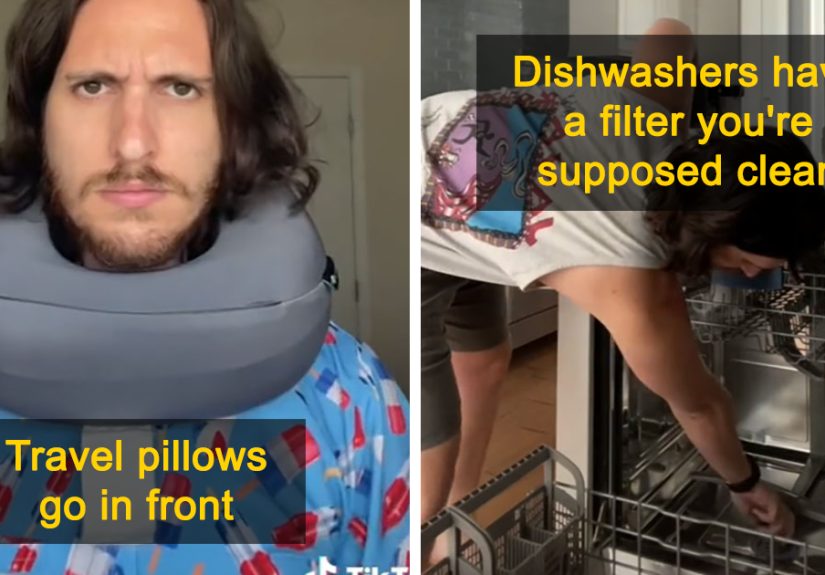
That is why the internet loves the “I wish I’d known this sooner” genre. It is funny, a little embarrassing, and painfully relatable. A guy shares 27 useful tips he didn’t know until his 30s, and suddenly millions of people are whispering, “Wait… the refrigerator door can do what?”
But the best part of these lists is not the cheap thrill of discovering a household trick you somehow missed for a decade. It is the deeper truth hiding underneath the humor: most of us were never formally taught how to manage money, take care of a home, protect our health, maintain relationships, or organize everyday life without turning into a mildly stressed raccoon with a smartphone.
So instead of serving up another random pile of viral life hacks, let’s do something more useful. Here are 27 tips people genuinely wish they had known sooner, organized into the categories that tend to make adult life either smoother or significantly more chaotic.
Why These “I Wish I Knew Earlier” Tips Hit So Hard
By the time you reach your 30s, you start noticing a pattern: life is less about giant dramatic mistakes and more about tiny repeated oversights. Ignore sleep, and you feel awful for weeks. Ignore savings, and every surprise expense becomes a personal attack. Ignore a friendship, and one day you realize the relationship did not end in a fight; it just slowly starved from lack of attention.
That is what makes these tips so sticky. They are rarely glamorous. They are usually practical, slightly obvious in hindsight, and weirdly powerful once you start using them. Adult life improves less from one big magical breakthrough and more from a stack of small systems that keep you out of preventable trouble.
27 Useful Tips People Wish They Had Known Sooner
Money Lessons That Save Future You From Panic Sweats
-
Start saving before you feel “ready.” Most people imagine saving is something you begin once you earn more, get promoted, or become the sort of person who says “portfolio” without flinching. In reality, starting early matters more than starting big. Even modest automatic contributions can do serious work over time, because consistency is the boring superhero of personal finance.
-
An emergency fund is more exciting than it sounds. No one brags at brunch about having cash set aside for a surprise dental bill, car repair, or broken appliance. But when life throws a flaming wrench into your week, emergency savings are what keep a bad day from becoming a debt spiral. It is not sexy, but neither is crying in a parking lot over a dead battery.
-
Learn your credit score before you need it. A lot of adults discover credit matters right around the time they want an apartment, a car loan, or better rates on something expensive. That is a rough moment to start caring. Check your credit reports, correct errors, and understand the basics early. It is easier to maintain decent credit than to repair it after neglecting it for years.
-
Automate the important stuff. Bills, savings, retirement contributions, recurring transfers, debt paymentsput as much of it on autopilot as you reasonably can. Automation is not laziness. It is a guardrail against your future tired, distracted, “I’ll do it tomorrow” self, who should not be trusted with deadlines.
-
Treat high-interest debt like an emergency. A lot of people think of debt as background noise until they calculate how much interest they are actually paying. That is when the emotional support spreadsheet enters the chat. If the interest rate is brutal, paying it down faster is often one of the most effective financial moves you can make.
-
Use a waiting period for nonessential purchases. One of the simplest grown-up tricks is the 24-hour rule. If you do not need it today, wait. The weird thing about impulse buys is that many of them lose their sparkle after one night of sleep. The item may still be good, but the urgency often turns out to be fake.
Body Maintenance: Less Glamorous Than a Makeover, More Useful Than One
-
Sleep is not a reward. It is infrastructure. Many people spend their 20s treating sleep like a flexible suggestion. Then their 30s arrive and introduce consequences with great enthusiasm. Good sleep affects mood, concentration, recovery, stress tolerance, and basic human decency. If you protect your sleep, your whole life gets a little less jagged around the edges.
-
Move your body every week, and do not skip strength work. Exercise is often marketed like a punishment program for your appearance. That framing is terrible. Think of movement as maintenance for your heart, brain, joints, energy, and mood. Walking matters. Strength training matters. Flexibility matters. The goal is not to become a fitness influencer. The goal is to remain easy to live inside.
-
Sunscreen belongs in your daily routine, not just your beach bag. This is one of those tips that sounds boring until you realize how much damage comes from ordinary repeated exposure. People tend to think sun protection is for vacations, but it is just as much an everyday habit. Future-you will appreciate the effort, and your skin is not keeping score in a forgiving way.
-
Brush, floss, and stop gambling with your teeth. Dental neglect feels harmless right up until it becomes expensive, painful, and deeply inconvenient. Oral hygiene is one of the clearest examples of preventive care paying off. A few minutes a day is a bargain compared with the alternative, which usually involves money, discomfort, and a hygienist asking when you last flossed in a tone that feels legally binding.
-
Drinking less is often better than drinking more “skillfully.” One of the funniest and truest adult realizations is that not being hungover is, in fact, better than being drunk. Revolutionary stuff. You do not need a dramatic rock-bottom story to notice that alcohol can wreck sleep, mood, energy, productivity, and weekends. Many people wish they had learned sooner that moderation feels better than the mythology around partying suggests.
-
Ask for mental health support before you are in full survival mode. Therapy, counseling, support groups, coaching, or other mental health care should not be treated like the emergency exit you smash only after the building is already on fire. Getting help early can make stress, anxiety, grief, burnout, and relationship problems more manageable before they harden into patterns.
Home and Everyday-Life Tips That Make You Feel Suspiciously Competent
-
Your dishwasher, dryer, and HVAC system all expect basic maintenance. This is where adulthood gets personal. Yes, the dishwasher likely has a filter. Yes, the lint trap is only the beginning. Yes, your air filter needs checking and changing regularly. Many “mysterious appliance problems” are just neglected maintenance wearing a fake mustache.
-
Read the manual once. Not because manuals are thrilling. They are not. They are the literary equivalent of plain oatmeal. But one quick read can tell you how to clean the thing, reset the thing, maintain the thing, and avoid destroying the thing. This applies to appliances, vehicles, electronics, and basically every expensive object that would prefer not to be used like a guessing game.
-
Food safety beats viral food hacks. Some internet tips are clever. Some are how you end up making lunch decisions you later regret with dramatic flair. Learn the basics: refrigerate leftovers promptly, store food in covered containers, wash produce correctly, and do not rely entirely on the old sniff test. “It smelled fine” is not the courtroom defense people think it is.
-
Keep important documents organized before life gets weird. Store IDs, insurance information, medical records, account details, property records, and emergency contacts in a way that future-you or a trusted person can actually find. The best time to organize your documents is before an emergency, not while muttering “where is that paper?” into a drawer at midnight.
-
Check your tires before your car gives you a dramatic monologue. Tire pressure and tread are easy to ignore because the car still seems fineuntil it is suddenly very much not fine. A simple monthly check can help with safety, performance, and fuel efficiency. Adult wisdom is often just learning which five-minute habits prevent expensive nonsense.
-
Sometimes paying for help is the smart option. One reason the original viral tips land so well is that some are not really “hacks” at all. They are permission slips. Hiring movers, calling a professional, or paying for a service that protects your time, body, or sanity can absolutely be worth it. Frugality is helpful; martyrdom is overrated.
Relationships, Work, and the Social Skills Nobody Put on the Final Exam
-
Friendships do not survive on affection alone. Adults love to say, “We should catch up soon,” and then disappear like Victorian ghosts. If a relationship matters, schedule it. Put the call on the calendar. Send the text. Make the dinner plan. Real friendship in adulthood often looks less spontaneous and more intentional, and that is not less meaningful. It is just more honest.
-
Your social life is part of your health. This surprises people until they have gone too long without connection and start feeling flat, isolated, irritable, or generally off. Healthy relationships are not a luxury add-on. They shape stress, resilience, perspective, and well-being. You do not need a giant social circle; you need real connection with people who are good for your nervous system.
-
Choose your inner circle carefully. The older many people get, the more obvious it becomes that who you spend time with affects your spending habits, standards, emotional energy, confidence, and choices. Some people sharpen you. Some people drain you. Some people make every small issue feel like a reality show reunion episode. Choose accordingly.
-
“No” is a skill, not a personality flaw. A lot of resentment begins where boundaries should have been. Saying yes to everything may make you seem helpful in the short term, but it often turns into burnout, passive aggression, or full-body dread every time your phone lights up. A clean, respectful no is kinder than an angry, exhausted yes.
-
Your job is not your entire identity. Careers matter, and ambition is not the villain. But people often learn too late that work alone is a fragile place to store your whole sense of self. If your entire identity lives in your productivity, any setback feels like a collapse. Keep pieces of yourself in other places too: hobbies, relationships, values, community, curiosity, rest.
-
Purpose usually matters more than speed. In your 20s, it is easy to feel behind. In your 30s, many people realize the race was badly designed in the first place. Not every milestone needs to happen on the same schedule for every person. A life built around meaning tends to age better than one built only around urgency and comparison.
Digital, Administrative, and “Future You Will Thank You” Tips
-
Use a password manager and turn on multi-factor authentication. This is one of those annoyingly practical steps that feels optional until you are locked out of an account or cleaning up after fraud. A unique password for every important account plus an extra layer of sign-in protection is not paranoia. It is just modern adulthood acting like modern adulthood.
-
Back up your photos and essential files. People tend to assume their memories will simply remain where they left them forever, floating safely in the cloud or inside a phone that has survived three drops and a near-bathroom incident. Back up the important stuff. Future-you does not want your family history resting on a device with 4% battery and trust issues.
-
Think ahead about medical and life decisions. This is not a cheerful topic, but it is an adult one. Know where your documents are. Understand your insurance basics. Consider advance planning and who could help make decisions if you could not. It may feel early until suddenly it feels late. Practical clarity is a gift to both you and the people who care about you.
What These Tips Really Teach Us
The magic of these lessons is not that they are complicated. It is that they are cumulative. Each one removes a little friction. A little worry. A little preventable chaos. None of them turns you into a flawless adult who meal-preps in glass containers and understands taxes on the first read. But together, they make life steadier.
And that may be the most accurate description of adulthood anyone can offer: not mastering everything, but learning how to reduce the number of avoidable disasters.
Experiences People Commonly Have With This Topic in Their 30s
What makes this whole theme so relatable is that the discoveries rarely arrive in a grand cinematic moment. They show up in tiny humiliations. You are standing in your kitchen realizing the weird smell was the dishwasher filter all along. You are on hold with customer service because autopay was never set up. You are stretching before getting out of bed like a retired athlete, even though your only sport is “sat incorrectly at a laptop.”
For a lot of people, the 30s are the decade when delayed maintenance starts sending invoices. Money habits you ignored in your 20s suddenly matter. Sleep debt turns into actual exhaustion instead of a quirky personality trait. A friendship you assumed would always be there starts to fade because neither of you made a plan. Your body becomes less interested in chaos and more interested in routine, hydration, decent shoes, and consequences.
There is also a strange emotional shift that happens. In your 20s, winging it can feel adventurous. In your 30s, winging it often feels expensive. That does not mean life gets dull. It just means you start seeing systems everywhere. The people who seem calm are not necessarily wiser in some mystical sense. They often just know where their documents are, when their bills are due, what their body needs, and when to say no before resentment starts writing angry poetry in the background.
Another common experience is realizing how many “grown-up” skills are really just repeated tiny habits. Healthy people are not always more disciplined in a dramatic movie-montage way. They often just walk more, sleep more consistently, keep basic appointments, and do boring maintenance before anything is broken. Financially stable people are not always earning wild amounts of money; some simply automated their savings and stopped letting every random craving boss them around. Socially supported people are not always extroverts; many just learned to reach out first instead of waiting for connection to magically appear.
And then there is the emotional side of it all: the grief of realizing how much easier life might have been if someone had told you certain things sooner. That feeling is real, but it does not have to become bitterness. In many ways, these “I didn’t know until my 30s” moments are useful precisely because they arrive when you are finally ready to appreciate them. Advice lands differently once you have paid enough late fees, pulled enough all-nighters, ignored enough maintenance, or dated enough walking red flags to understand the pattern.
So yes, the topic is funny. It is funny because it is true. But it is also weirdly hopeful. Every new thing you learn in adulthood is proof that you are still adjustable. Still teachable. Still able to make life easier than it was before. That may be the best lesson hidden inside all 27 tips: you are not late. You are just finally collecting the instruction manual one page at a time.
Conclusion
The reason people love lists like this is simple: they turn private embarrassment into shared relief. Everyone has something they learned later than they wanted to. Everyone has at least one moment where they discovered a basic life skill and immediately had to sit down for a minute. The good news is that practical wisdom does not expire just because it arrived late.
If there is one takeaway from these 27 useful tips, it is this: the best adult life is usually built on unglamorous habits. Save early. Sleep more. Move your body. Protect your teeth and skin. Maintain your stuff. Back up your files. Call your friends. Use the password manager. Read the manual. And maybe, just maybe, do not wait until your mid-30s to find out your dishwasher has been quietly begging for help.