Table of Contents >> Show >> Hide
- What “Happy Together 1” Means (And Why the Rod Matters)
- Design DNA: Materials, Finish, and the Famous Opaline Sphere
- Pendant Rod 101: The Hardware Side (Without the Headache)
- How to Choose the Right Rod Length
- Placement and Spacing: One Pendant, Big Impact
- Light Quality: Picking the Right Bulb (So the Globe Glows, Not Glares)
- Installation Notes (The Non-Scary Version)
- Where Happy Together 1, Pendant Rod Works Best
- Maintenance and Longevity
- Buying Tips: How to Shop Smart for a Design Pendant Rod
- of Real-World Experiences With Happy Together 1, Pendant Rod
- Conclusion
If you’ve ever looked at a minimalist pendant light and thought, “Wow, that’s gorgeous… also, how is it so calm compared to my life,” you’re not alone. Happy Together 1, Pendant Rod sits in that sweet spot where lighting becomes both a functional object and a tiny piece of art that quietly judges your overhead fluorescents.
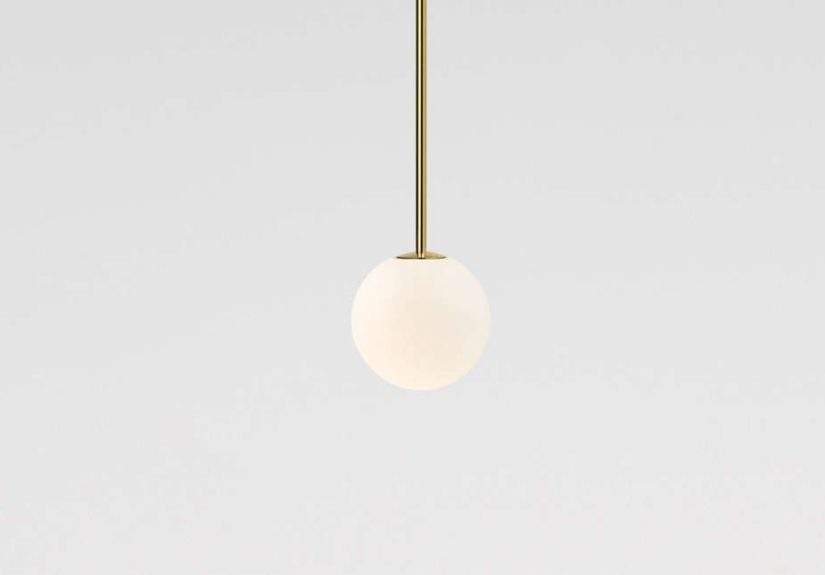
In plain English, this fixture is part of the Happy Together family of pendantsknown for clean vertical rods, carefully proportioned glass spheres, and finishes that make brass lovers feel emotionally validated. The “Pendant Rod” version is especially interesting because it’s built around a rigid stem (downrod) rather than a floppy cord, which changes everything: stability, silhouette, and how “intentional” your room looks even if your junk drawer is an active crime scene.
What “Happy Together 1” Means (And Why the Rod Matters)
“Happy Together 1” typically refers to a single-sphere configuration: one mouth-blown opaline glass globe paired with a refined metal structure. The design language is simple on purposelike a perfectly toasted bagel: minimal ingredients, zero forgiveness.
The pendant rod is the star of this show. Unlike a cord pendant that can twist, sway, or develop a permanent kink like a headphone cable from 2011, a rod pendant holds its geometry. It’s straight. It’s crisp. It’s the lighting equivalent of good posture.
Rod pendant vs. cord pendant
- Rod pendant: clean vertical line, less movement, often looks more architectural and “built-in.”
- Cord pendant: more flexible for height adjustment, can feel casual, easier to install in tricky ceiling layouts.
If your goal is a modern, gallery-like vibeespecially over a kitchen island, bar, or bedsiderod pendants usually read more polished and deliberate.
Design DNA: Materials, Finish, and the Famous Opaline Sphere
The visual signature of Happy Together 1 is the opaline (milk-white) glass sphere. Opaline glass is prized because it softens the bulb’s brightness, spreads light gently, and turns harsh “spotlight energy” into something more flatteringlike a ring light that learned manners.
What you’re really buying with opaline glass
- Diffused glow: less glare, more ambient comfort
- Consistent look: the bulb isn’t visually noisy inside the shade
- Timelessness: opal globes don’t scream “trend,” they whisper “taste”
Metal finishes commonly associated with this family include polished brass, polished nickel, and darker patinated options. The finish choice isn’t just aestheticit changes how the light “feels.” Brass tends to warm up a space visually, nickel leans crisp and modern, and darker finishes create contrast (and hide fingerprints betterbecause yes, you will touch it “just once”).
Pendant Rod 101: The Hardware Side (Without the Headache)
A pendant rod is basically a rigid tube or threaded stem that connects the ceiling canopy to the fixture body. In many lighting systems, the stem uses standardized thread sizing (common in the U.S. lighting industry), which helps manufacturers and repair parts play nicely together.
Why thread standards matter
If you ever need to replace a rod, extend it, or swap hardware during installation, thread standards can determine whether parts will fit or whether you’ll end up holding two pieces of metal that look compatible but refuse to cooperatelike magnets with commitment issues.
Some rod systems are “made-to-order” (custom drop lengths) rather than modular kits. That’s common with design-forward pendants because the whole point is a perfect proportion: the rod length is chosen so the globe lands exactly where it shouldvisually and functionally.
How to Choose the Right Rod Length
Pendant rod length isn’t just a numberit’s the difference between: “This kitchen looks like a magazine” and “Why is this light trying to high-five me?”
Kitchen island rule of thumb
A widely used guideline is to hang the bottom of the pendant about 30–36 inches above the countertop. This range typically provides good task lighting while keeping sightlines open across the room.
Dining table rule of thumb
Over a dining table, many designers start around 30–34 inches above the tabletop, adjusting for fixture size, ceiling height, and how tall the people are in your household (because tall friends deserve dinner without a forehead hazard).
Quick measuring method (real-life friendly)
- Measure from your ceiling to the surface below (countertop or table).
- Subtract your target clearance (usually 30–36 inches for counters, 30–34 for tables).
- The result is your approximate fixture drop (including canopy + rod + globe).
If your ceilings are tall (9 feet and up), you may raise the fixture slightly for better proportionbecause a pendant that’s “correct” by the countertop rule can still look oddly low in a lofty room. This is where rod pendants shine: you can dial in the geometry without the messy “cord loop” workaround.
Placement and Spacing: One Pendant, Big Impact
Happy Together 1 is a single-globe pendant, which means it can be used as:
- A solo statement (small breakfast nook, entry corner, reading chair zone)
- A repeated rhythm (two or three in a row over an island)
- A focused accent (over a bar cart, side table, or sink)
Spacing tips for multiples
If you hang multiple pendants, aim for even spacing and keep them far enough apart that the globes don’t visually “merge.” A common approach is to center each pendant over its “zone” (like a stool position or a section of island), keeping a comfortable gap between fixtures.
Pro tip: If your pendants are small and you want more presence, use more than one. If your pendants are larger, fewer can look cleaner. Lighting is basically interior design mathbut with better pictures.
Light Quality: Picking the Right Bulb (So the Globe Glows, Not Glares)
The opaline sphere already diffuses light, but the bulb still matters. The goal is a smooth, gentle glownot an interrogation lamp in a snowball.
Bulb guidelines for an opaline globe
- Warm white (often ~2700K) for cozy kitchens, bedrooms, dining areas
- Neutral white (often ~3000K) for a slightly crisper look without feeling clinical
- Dimmable if you want the pendant to do double-duty (task light by day, mood light at night)
And yes: dimmers are worth it. A dimmer turns one pendant into multiple lighting “moods,” which is cheaper than redecorating every season (and less emotionally exhausting than deciding what “quiet luxury” means this week).
Installation Notes (The Non-Scary Version)
Rod pendants are usually assembled through the canopy and junction box with the wiring running through the rod. Downrod systems often involve couplers, lock pins, set screws, and canopy hardwaredepending on the brand.
Common installation considerations
- Ceiling slope: sloped ceilings may require an angled canopy or special adapter
- Junction box support: the box must be properly rated and securely mounted
- Rod length planning: rod systems are less “quick-adjust” than cords, so measure first
- Finish protection: use gloves or a soft cloth during install to avoid fingerprinting polished metal
Safety note (the grown-up paragraph): if you’re not comfortable working with electrical wiring, hire a licensed electrician. The goal is a beautiful pendantnot a thrilling story that begins with “So I thought turning off the breaker was optional…”
Where Happy Together 1, Pendant Rod Works Best
1) Kitchen islands and peninsulas
A single-globe pendant is ideal for tighter islands or as part of a multi-pendant lineup. The rod keeps everything aligned and visually tidygreat for modern kitchens where clean lines are the whole point.
2) Dining corners and breakfast nooks
The opaline globe creates a flattering, diffuse pool of lightexcellent for meals, coffee, and pretending you read the newspaper instead of doomscrolling.
3) Bedside “hotel lighting” moments
Swapping bedside lamps for a pair of rod pendants can free up nightstand space and instantly elevate the room. Just ensure the drop height clears your head when you sit upbecause romance is great, concussions are not.
4) Entryways and small landings
One sculptural globe can make a compact entry feel intentional without overwhelming it.
Maintenance and Longevity
The good news: opaline glass hides dust better than clear glass (because it’s not showing off). The less good news: polished metal finishes can highlight fingerprints like a detective drama.
Simple care routine
- Dust the globe gently with a microfiber cloth.
- If needed, wipe glass with a slightly damp cloth and dry immediately.
- Use finish-safe cleaner for metal (avoid harsh abrasives).
- Check hardware occasionally (especially after the first few weeks) to ensure everything stays snug.
Buying Tips: How to Shop Smart for a Design Pendant Rod
Since this style often involves custom rod lengths or a more refined build, shopping smart isn’t about chasing the lowest priceit’s about getting the right specification.
Checklist before you buy
- Confirm your needed drop (ceiling height + desired clearance)
- Check bulb base and compatibility (and whether bulbs are included)
- Confirm dimmer compatibility if you plan to dim
- Verify canopy size if you’re covering an existing ceiling patch or larger junction box plate
- Ask about rod options (fixed length, extensions, or made-to-order)
One more thing: If you’re installing over a kitchen island, consider glare and sightlines. A pendant can be “correct” by measurement and still be annoying if it blocks the view between the cook and the snack-seekers.
of Real-World Experiences With Happy Together 1, Pendant Rod
Living with a piece like Happy Together 1, Pendant Rod is a little different than living with a basic big-box pendant. A normal pendant light is like a reliable sedan: it works, it’s fine, it doesn’t ask anything of you. This one is more like adopting a well-trained greyhound: it’s elegant, it’s a conversation starter, and suddenly you care about things like “visual balance” and “how the brass reads in morning light.”
The first thing people tend to notice is the stillness. Rod pendants don’t sway much, so the globe looks like it’s floating in a deliberate way, not dangling in a “my ceiling is wearing jewelry” way. That calm vertical line becomes especially satisfying in rooms where everything else is busy: veiny marble countertops, open shelving, kids’ homework, or that one chair that’s basically a laundry witness protection program.
Another real-life perk: the quality of the glow. With an opaline sphere, the light is softer on the eyes and more forgiving in the mirror-like surfaces of a kitchen. Over an island, it doesn’t create harsh hotspots the way some clear-glass pendants do. Instead, it makes the room feel finishedlike you planned it, even if the truth is you panic-ordered it after staring at 47 tabs of “modern pendant inspo.”
The flip side is that rod pendants reward you for measuring carefully. If you guess the drop length and get it wrong, you don’t just “tuck the cord up” and pretend it was on purpose. The rod is honest. It will politely expose your math skills. Many homeowners say the best approach is to mock up the height firstuse painter’s tape on the wall, or even hang a paper lantern at the target drop for a day. If you keep walking into it, congratulations: you’ve saved yourself from expensive regret.
In bedrooms, people often describe a hotel-like shift. A pendant by the bedside feels intentional, especially when it’s symmetrical (two pendants flanking the bed). You get more nightstand space, and the light becomes part of the architecture rather than another object to dust. Just be sure the switch or control plan makes sense nobody wants to climb onto the bed like a mountain goat to turn off a pendant.
Over time, the piece tends to become a “quiet favorite.” It doesn’t scream for attention, but it always looks rightmorning coffee, late-night snacks, impromptu dinner parties where someone inevitably asks, “Where did you get that light?” And you get to answer casually, like you’re the kind of person who simply has excellent taste on standby. Which, to be fair, you are now.
Conclusion
Happy Together 1, Pendant Rod is a masterclass in restraint: a single opaline globe, a refined metal rod, and proportions that look effortless while being anything but accidental. If you want lighting that feels architectural, stable, and quietly luxurious, the rod format is a strong choiceespecially over islands, tables, and bedside setups where alignment matters. Measure thoughtfully, choose a bulb that complements the diffusion, and you’ll get a pendant that doesn’t just light the roomit upgrades it.