Table of Contents >> Show >> Hide
- Why Herbs in Pots Work So Well
- Container Herb Garden Basics (So Your Pots Don’t Become Tiny Swamps)
- 1) Choose pots with drainage (non-negotiable)
- 2) Use potting mix, not yard soil
- 3) Match herbs by personality: “Mediterranean” vs. “Moist-Loving”
- 4) Light: aim for 6+ hours of sun (or cheat with a grow light)
- 5) Water like a responsible adult (a.k.a. check the soil first)
- 6) Fertilizer: less is more for flavor
- 7) Harvest often to keep herbs bushy and aromatic
- The 13 Best Fragrant Herbs to Grow in Pots
- 1) Basil (Ocimum basilicum)
- 2) Mint (Mentha spp.)
- 3) Rosemary (Salvia rosmarinus)
- 4) Thyme (Thymus vulgaris)
- 5) Oregano (Origanum vulgare)
- 6) Sage (Salvia officinalis)
- 7) Chives (Allium schoenoprasum)
- 8) Parsley (Petroselinum crispum)
- 9) Cilantro / Coriander (Coriandrum sativum)
- 10) Dill (Anethum graveolens)
- 11) Lemon Balm (Melissa officinalis)
- 12) Lemongrass (Cymbopogon citratus)
- 13) Lavender (Lavandula spp.)
- How to Arrange Pots for Maximum Fragrance (and Minimum Drama)
- Common Container Herb Problems (and Fast Fixes)
- Conclusion: Your Fragrant Garden Can Live in a Pot
- Extra: of Real-World Container Herb Growing Experience (a.k.a. Lessons People Learn the Fun Way)
Want a garden that smells like you’re winning at life… even if your “yard” is actually a balcony, a stoop, or a sunny
windowsill that doubles as a cat runway? Good news: you can grow a ridiculously fragrant herb garden in pots almost
anywhere. No tilling. No weeding marathons. No dramatic speeches to your soil about “trying harder.”
Container herb gardening is the cheat code for small spacesand for anyone who wants fresh flavor on demand. The trick
is choosing herbs that play nicely in pots, then giving them the basics: drainage, light, and a watering routine that
doesn’t swing between “desert” and “monsoon.” Do that, and you’ll have a portable perfume factory that also makes
dinner taste better.
Why Herbs in Pots Work So Well
Herbs are natural overachievers. Many evolved in sunny, rocky places where “luxury” means a brief rainstorm and a
decent crack in the soil. In a container, you control the environmentespecially drainage and soil qualityso herbs
often grow cleaner, more compact, and easier to harvest than in-ground plants. Plus, pots let you:
- Garden in tiny spaces (patios, balconies, steps, windowsills, fire escapesuse your imagination).
- Move plants to follow the sun or dodge heat waves, storms, and surprise cold snaps.
- Contain “garden bullies” like mint and lemon balm before they attempt a hostile takeover.
- Keep fragrance closeright where you’ll brush past it and release those aromatic oils.
Container Herb Garden Basics (So Your Pots Don’t Become Tiny Swamps)
1) Choose pots with drainage (non-negotiable)
Herbs hate wet feet. If your container doesn’t have drainage holes, it’s not a potit’s a suspense novel titled
Root Rot: The Final Chapter. Use containers with holes, and empty saucers after watering if they stay full.
2) Use potting mix, not yard soil
Garden soil compacts in containers and holds water too long. A quality potting mix stays airy, drains well, and still
holds enough moisture for roots to sip. For extra success, mix in a little compostthen stop before you turn the pot
into an all-you-can-eat buffet.
3) Match herbs by personality: “Mediterranean” vs. “Moist-Loving”
Not all herbs want the same care. Group them to simplify watering:
-
Mediterranean, drought-tolerant crew: rosemary, thyme, oregano, sage, lavender.
They want full sun and fast drainage. -
Moist-ish, leafy crew: basil, parsley, cilantro, chives, mint, lemon balm, dill, lemongrass.
They like more consistent moisture (still not soggy).
4) Light: aim for 6+ hours of sun (or cheat with a grow light)
Most culinary herbs perform best with at least six hours of sun. If your space is shadier, choose the more shade-tolerant
herbs (think parsley, chives, mint, lemon balm) and consider a simple grow light for winter or low-light apartments.
5) Water like a responsible adult (a.k.a. check the soil first)
Stick a finger about an inch into the potting mix. If it’s dry, water thoroughly until it runs out the bottom. If it’s
still damp, step away from the watering can and go compliment your plants instead.
6) Fertilizer: less is more for flavor
Over-fertilizingespecially with high nitrogencan make herbs grow big and bland. Light feeding is fine, but the goal is
fragrant leaves, not a leafy green bodybuilder with no personality.
7) Harvest often to keep herbs bushy and aromatic
Regular snipping encourages branching, prevents flowering in leafy herbs (like basil), and keeps plants compact. Also:
harvesting is the whole point. If you’re “saving it for later,” congratulationsyou’re growing decoration.
The 13 Best Fragrant Herbs to Grow in Pots
Below are 13 container-friendly herbs for a fragrant garden almost anywhere, with practical tips on pot size,
sun, watering, and how to keep each one thriving.
1) Basil (Ocimum basilicum)
The summer superstar. Give basil warmth, sun, and steady moisture. Pinch the growing tips early and often to make it bushy,
and remove flower buds to keep leaves sweet. Pot tip: 8–12 inch container; don’t let it dry out completely.
2) Mint (Mentha spp.)
Mint smells amazing and behaves like it owns the placeso keep it in its own pot. It likes consistent moisture and can handle
partial shade. Pot tip: use a roomy container (about 12–16 inches wide) and keep it trimmed so it stays dense.
3) Rosemary (Salvia rosmarinus)
Woody, fragrant, and happiest in bright sun with excellent drainage. Let the top of the soil dry between waterings. In colder
areas, bring it indoors to a bright, cooler spot for winter. Pot tip: 12-inch pot minimum; gritty mix helps.
4) Thyme (Thymus vulgaris)
Compact, drought-tolerant, and perfect for containers. Thyme prefers full sun and well-drained soilwet soil is its nemesis.
Pot tip: smaller pots work, but ensure fast drainage; trim lightly to prevent woodiness.
5) Oregano (Origanum vulgare)
A tough herb with bold aroma that loves sun and good drainage. Let the soil dry slightly between waterings and pinch tips to
encourage branching. Pot tip: 10–12 inch container; avoid waterlogged soil for best flavor.
6) Sage (Salvia officinalis)
Earthy, savory, and surprisingly decorative. Sage wants full sun and very good drainage; too much water leads to sad, floppy
leaves. Pot tip: 12-inch pot; prune lightly to keep it compact and encourage fresh growth.
7) Chives (Allium schoenoprasum)
Mild onion fragrance, edible flowers, and beginner-friendly. Chives grow in clumps and bounce back fast after harvesting.
Divide every few years if they get crowded. Pot tip: 8–10 inch pot; sun to partial shade.
8) Parsley (Petroselinum crispum)
Parsley is a steady performer and tolerates some shadegreat for mixed planters. Keep soil evenly moist, especially in heat.
Pot tip: 8–10 inch pot; offer afternoon shade in hot climates to reduce stress.
9) Cilantro / Coriander (Coriandrum sativum)
Cilantro is a cool-season herb that bolts (flowers) quickly in heat. Grow it in spring/fall, give it morning sun and some
afternoon protection, and sow seeds every few weeks for a longer harvest. Pot tip: deeper pot helps roots.
10) Dill (Anethum graveolens)
Feathery, fragrant, and surprisingly tall. Dill prefers sun and good drainage, and it has a longer root systemso choose a
deeper container and stake if needed. Pot tip: deep pot with drainage; succession sow for steady supply.
11) Lemon Balm (Melissa officinalis)
Bright lemony scent and great for teas. Like mint, it can spread aggressively, so a pot is your best friend. Trim before it
sets seed to keep it contained and leafy. Pot tip: 10–12 inch pot; sun to partial shade.
12) Lemongrass (Cymbopogon citratus)
A citrus-scented tropical clumper that loves warmth, sun, and regular watering. In cold regions, overwinter it indoors by
potting up stalks and keeping soil barely moist. Pot tip: large container (at least 12–16 inches) for growth.
13) Lavender (Lavandula spp.)
The fragrance iconalso the pickiest about drainage. Lavender needs full sun and very fast-draining, lean soil (think sandy
or gritty). Go easy on fertilizer and water. Pot tip: terracotta helps dry faster; prune after blooms for shape.
How to Arrange Pots for Maximum Fragrance (and Minimum Drama)
Build “theme pots” that match water needs
-
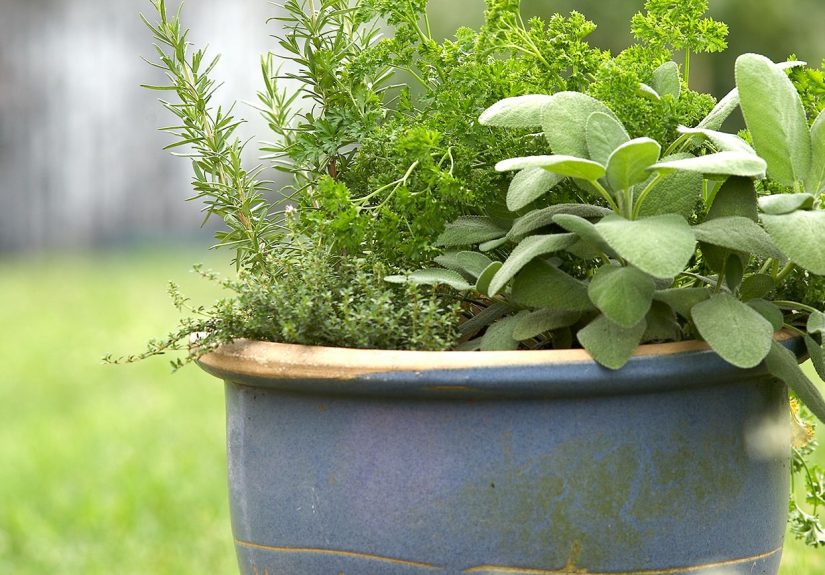
Mediterranean Mix: rosemary + thyme + oregano + sage (add lavender if you have blazing sun).
One watering style, endless aroma. - Salsa Pot: basil + cilantro (cool season) + chives. Add a cherry tomato if you want to feel unstoppable.
- Tea & Relaxation Pot: mint (solo pot!) + lemon balm (separate pot if you like boundaries) + lavender nearby.
Put the most fragrant pots where you brush past them
Place rosemary, lavender, mint, and lemon balm near doorways or along a balcony path. Light contact releases the essential
oils, which is basically aromatherapy… except you can eat it.
Go vertical when you’re short on floor space
Use tiered stands, railing planters, wall pockets, or hanging baskets (great for trailing thyme). Just make sure everything
still drains and you can water without baptizing your downstairs neighbor.
Common Container Herb Problems (and Fast Fixes)
“My herbs look leggy and sad.”
Usually: not enough light or not enough harvesting. Move pots to brighter sun (or add a grow light), and pinch tips regularly
to encourage branching.
“Leaves are yellowing.”
Often: too much water, poor drainage, or an oversized pot staying wet too long. Check drainage holes, reduce watering, and
consider repotting into a better-draining mix.
“Tiny bugs showed up and now my mint is stressed.”
Aphids and spider mites love indoor or sheltered container plants. Start with a strong spray of water (especially under
leaves), improve airflow, and remove heavily infested stems. Catching pests early is the real secret sauce.
Conclusion: Your Fragrant Garden Can Live in a Pot
You don’t need acreage to grow an herb garden that smells incredible and upgrades your cooking. Start with a few reliable
container herbs, match their water needs, prioritize drainage, and harvest like you mean it. Whether you’re working with a
balcony, a patio, or a determinedly sunny windowsill, these 13 herbs can turn “small space” into “fresh flavor headquarters.”
Extra: of Real-World Container Herb Growing Experience (a.k.a. Lessons People Learn the Fun Way)
Container herbs teach you quicklyand with just enough chaos to keep things interesting. Here are the most common “aha”
moments that container herb gardeners run into (usually right after buying their third basil plant and swearing they won’t
get emotionally attached this time).
First: drainage is everything. People often assume herbs die because they “forgot to water,” but the more common
culprit is watering too often in a pot that drains poorly. Containers can look dry on top while staying wet below. That’s how
rosemary turns into a crispy mystery or thyme suddenly collapses for no dramatic reason. The fix is boring but effective:
drainage holes, a potting mix that stays fluffy, and watering only when the soil actually needs it.
Second: your sun changes more than you think. A balcony that gets great light in April can turn shady by June when
trees leaf outor when the angle of the sun shifts behind a building. Herbs respond fast: basil stretches, oregano gets
sparse, and cilantro bolts in a huff. Successful container growers treat pots like furniture: they move them. A small rolling
plant caddy can feel like an unnecessary luxury until you discover how heavy wet soil becomes (spoiler: it’s basically a
workout plan).
Third: mint is either your best friend or your entire personality. Mint grows fast, smells incredible, and forgives
a lot. That forgiveness can trick people into planting it “just for a season” in a shared container. Don’t. Mint will outgrow
the arrangement, shade its neighbors, and then try to root through the drainage hole like a tiny botanical escape artist.
Keeping mint in its own pot isn’t meanit’s healthy boundaries.
Fourth: harvesting is plant training. Many beginners treat herbs like a museum exhibit: “Look, don’t touch.” But herbs
thrive on being cut back. Basil becomes bushy when you pinch tips. Chives regrow thicker after snipping. Oregano and thyme
branch and fill in with regular trimming. The experience-based rule is simple: if you want more leaves, cut leaves. (Plants
are weirdly supportive like that.)
Fifth: the “right” herb combo is the one you’ll actually use. Theme planters are fun, but the most successful
container herb gardens reflect real cooking habits. If you make pasta weekly, oregano and basil will earn their rent. If you
drink tea, mint and lemon balm will feel like magic. If you love roasting vegetables, rosemary and thyme will become your
kitchen’s best coworkers. The best experience-driven advice? Start with three herbs you’ll use this month, get them thriving,
and then expand. That way, your garden smells amazing and your grocery bill quietly shrinks. Win-win.