Table of Contents >> Show >> Hide
- What Exactly Is a Green Coconut?
- Green Coconut Nutrition: What You’re Actually Drinking (and Eating)
- Benefits of Green Coconut: Realistic Wins (Not Magical Thinking)
- Potential Downsides and Who Should Be Careful
- How to Choose the Best Green Coconut (and Not Lose a Finger)
- Best Uses for Green Coconut
- Green Coconut vs. Sports Drinks vs. Plain Water
- How Much Green Coconut Should You Have?
- of Real-World Experiences With Green Coconut
- Conclusion
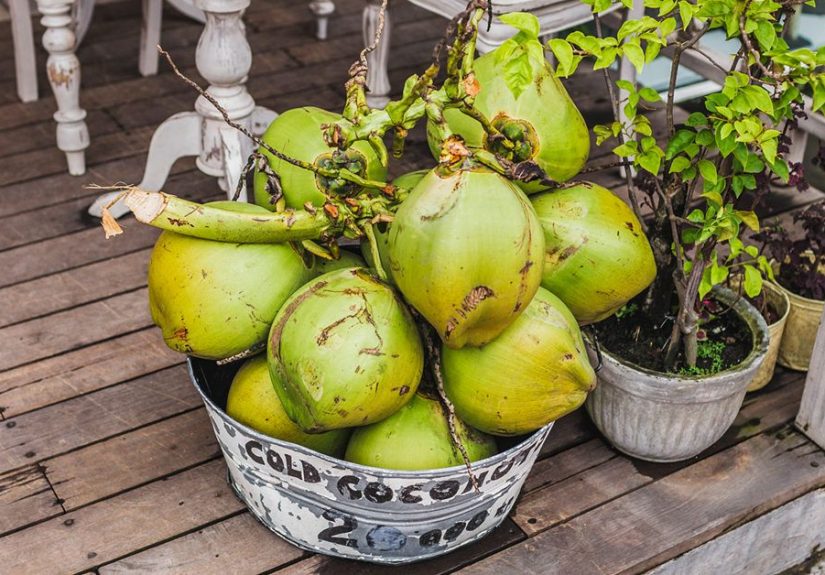
A green coconut is basically a coconut in its “freshman year”: still young, still mostly water, and not yet the hard, brown bowling ball you crack open when you want
shredded coconut and a reason to buy a machete you absolutely don’t need.
In practical terms, green coconuts are prized for two things: coconut water (the naturally sweet liquid inside) and the soft, jelly-like young coconut meat
you can scoop with a spoon. This article breaks down what’s actually in green coconuts, what benefits are realistic (and which ones are overhyped), and the most useful ways
to enjoy themwithout turning your kitchen into a tropical crime scene.
What Exactly Is a Green Coconut?
“Green coconut” usually refers to an immature (young) coconut harvested before it fully ripens. Compared with mature brown coconuts, green coconuts tend to have:
- More coconut water and a thinner internal shell
- Softer, translucent meat (often called “coconut jelly”)
- A milder flavor that leans fresh and lightly sweet rather than rich and nutty
The big nutritional story here is coconut water: it’s mostly water with naturally occurring carbohydrates and a notable amount of electrolytes, especially potassium.
The exact amounts vary by coconut variety, ripeness, and brand if bottled, so think of nutrition labels as “truthy” rather than “etched in stone.”
Green Coconut Nutrition: What You’re Actually Drinking (and Eating)
Coconut Water Nutrition Snapshot
Coconut water is often described as “nature’s sports drink,” which is a little dramaticnature also made mosquitoes. But it’s fair to say coconut water contains electrolytes
that matter for hydration (potassium, sodium, and magnesium among them).
A typical 1-cup (8–9 oz) serving of plain coconut water is generally:
- Low in calories (often around the 40–60 calorie range, depending on the product and serving size)
- Mostly carbohydrates (natural sugars plus a small amount of starch)
- Notably high in potassium compared with many beverages
For example, one cup of 100% coconut water is often listed around the mid-40-calorie range with roughly ~10g carbohydrates and around ~400mg potassium.
Some retail products may skew higher or lower.
Young Coconut Meat Nutrition Snapshot
The soft meat inside a green coconut is very different from the dense, fatty meat of a mature coconut. Young coconut meat is higher in water content and tends to be less
oily and more “custardy.” Nutritionally, it still contributes:
- Fiber (helpful for digestion and satiety)
- Some fat (coconut is a naturally fatty fruit, though young meat is generally lighter than mature coconut products)
- Minerals in small-to-moderate amounts
A note for context: mature coconut meat and coconut-derived products can be higher in saturated fat. Heart-health guidance often recommends keeping saturated fat intake
modest overall, focusing more on unsaturated fats when possible.
Benefits of Green Coconut: Realistic Wins (Not Magical Thinking)
1) Hydration Support (Especially When You’re Sweating)
Hydration isn’t just about water; you also lose electrolytes through sweat and during illnesses like vomiting or diarrhea. Coconut water naturally contains electrolytes,
including potassium and sodium, which can help replenish what you lose.
For everyday lounging? Plain water works great. But after a long walk in heat, a moderate workout, or when you’re trying to drink something more appealing than “tap,”
coconut water can be a useful optionespecially because it’s typically lower in added sugars than many sports drinks (assuming you buy plain, unsweetened versions).
2) Potassium: The Headliner Electrolyte
Potassium helps regulate fluid balance, nerve signals, and muscle contractionbasically the behind-the-scenes staff for “functioning human.”
Many people don’t get enough potassium in their overall diets, and potassium-rich foods can support healthy blood pressure by blunting some effects of sodium.
Coconut water is often cited as potassium-rich, and several medical and university sources highlight it as a notable contributorthough it’s still just one tool in a bigger dietary pattern.
3) A Gentler Alternative to Sugary Drinks
If your current beverage rotation includes soda, sweet tea, or “coffee” that’s basically dessert in a cup, plain coconut water can be a step toward lower added sugar.
It’s naturally sweet, which makes it easier to swap in without feeling punished. Cleveland Clinic notes it’s generally lower in calories than many juices and sweet drinks.
Key move: choose 100% coconut water without added sugar. “Coconut water drink” and “coconut beverage” can be code for extra sweeteners.
4) Post-Workout “Light Recovery” Convenience
For recreational exercise, coconut water can work as a convenient rehydration drink. But it’s not always a perfect one-to-one replacement for sports drinks in heavy endurance settings,
because sodium needs can be higher for long, sweaty sessions. Expert guidance on electrolyte drinks generally emphasizes context: most people don’t need specialty drinks for typical daily hydration,
but they can help after intense sweating or illness.
Potential Downsides and Who Should Be Careful
1) High Potassium Isn’t Great for Everyone
Potassium is beneficialuntil it’s not. People with chronic kidney disease (or those told to limit potassium) may need to avoid high-potassium foods and beverages,
because impaired kidneys can struggle to keep blood potassium in a safe range.
Translation: if you’re on a kidney-specific diet or have been warned about potassium, coconut water is not a “drink freely” situation. Ask your clinician or dietitian.
2) Sugar Still Counts (Even When It’s “Natural”)
Coconut water contains naturally occurring sugars. It’s not usually a sugar bomb, but drinking large bottles like they’re water can add up quickly.
If you’re monitoring blood sugar, read labels and treat coconut water like a lightly sweet beveragenot a free pass.
3) GI Sensitivity Happens
Some people find coconut water or coconut products trigger bloating or discomfort, especially in large amounts. If your stomach is dramatic, start with a small serving and see how you feel.
How to Choose the Best Green Coconut (and Not Lose a Finger)
Picking a Good One
- Heavier is better: more water inside.
- Listen for slosh: a gentle shake should suggest there’s liquid.
- Check for cracks or mold: skip anything that looks compromised.
Opening It Safely
If you have a proper coconut tool, use it. If you have a chef’s knife and optimism, please choose optimism for something else.
Many stores will cut a “top” for you, or you can use a sturdy vegetable cleaver with careful technique and a stable surface.
Storage Tips
- Whole green coconuts: keep cool; use sooner rather than later for best flavor.
- Opened coconut: refrigerate and drink within 1–2 days for freshness.
- Bottled coconut water: follow label storage and “use by” dates.
Best Uses for Green Coconut
1) Drink It Straight (The Classic)
Chill it first if you can. Coconut water is most refreshing cold, especially in heat.
2) Upgrade Smoothies Without Turning Them Into Dessert
Use coconut water as a base instead of juice. It adds mild sweetness and electrolytes without overwhelming fruit flavors.
Try: frozen pineapple + spinach + Greek yogurt (or silken tofu) + coconut water.
3) Make a “Not-Too-Sweet” Mocktail
Coconut water + lime + crushed mint + a pinch of salt can taste surprisingly fancy. The salt isn’t just for vibesit can also complement the electrolyte profile when you’ve been sweating.
4) Cook With It (Yes, Really)
- Rice or quinoa: swap some cooking water for coconut water for a subtle sweetness.
- Soups and broths: add a small amount to balance spice (think Thai-inspired flavors).
- Marinades: coconut water + citrus + herbs can tenderize and brighten lean proteins.
5) Use the Young Coconut Meat
Scoop the soft meat and use it like a delicate topping:
- Stir into fruit bowls with berries and a sprinkle of nuts
- Blend into smoothies for a creamy texture
- Add to light desserts (chia pudding, yogurt, sorbet)
Green Coconut vs. Sports Drinks vs. Plain Water
Here’s the simplest way to think about it:
- Plain water is perfect for everyday hydration.
- Coconut water is a pleasant middle ground: light carbs + electrolytes, usually without added colors/flavors, and often less added sugar than sports drinks (if unsweetened).
- Sports drinks or oral rehydration solutions can be better for heavy endurance sessions or significant fluid loss, largely because sodium targets may be higher and more standardized.
Coconut water can be genuinely usefulbut it doesn’t have to be your personality. The best hydration strategy is the one you’ll actually follow consistently.
How Much Green Coconut Should You Have?
For most healthy adults, one serving (around 8–12 oz) of plain coconut water can fit easily into a balanced dietespecially on hot days or around workouts.
If you’re drinking multiple bottles daily, you’re not “optimizing”; you’re just buying expensive water with a marketing degree.
If you have kidney disease, are on potassium-restricted guidance, or take medications that affect potassium balance, get individualized advice first.
of Real-World Experiences With Green Coconut
If you’ve ever traveled somewhere hot and humid and been handed a freshly opened green coconut, you know the moment: condensation on the shell, a straw that feels like it came from
a survival kit, and the immediate realization that this tastes nothing like the “coconut-flavored” stuff from candy. Fresh coconut water is clean, lightly sweet, and oddly satisfyinglike water,
but with a soft tropical accent.
A common first experience is surprise at how subtle it is. People expect a sugary punch, but many green coconuts taste more like mildly sweet spring water. That subtlety is exactly why
it works after a workout: it doesn’t feel heavy, it doesn’t coat your mouth with syrup, and it’s easier to drink when you’re a little overheated. Some runners and gym-goers describe it as a
“cool-down drink”not a miracle performance enhancer, just something pleasant that encourages you to rehydrate.
Another real-life pattern: green coconut becomes the “bridge beverage” for people trying to cut down on soda. When you’re used to sweet drinks, switching straight to plain water can feel like
going from a fireworks show to reading tax code. Coconut water, with its gentle sweetness, can make the transition less brutal. The trick most people learn fast is that brands vary wildly.
One carton tastes crisp and clean; another tastes like it studied sugar under a microscope and decided “more is more.” Reading the labeland choosing versions without added sugaroften becomes
part of the routine.
Then there’s the young coconut meat experience. If you’re expecting crunchy coconut flakes, you’ll be confused. The texture is closer to soft gelatin or a delicate pudding skin. Some people love it
instantly; others need it blended into a smoothie first. In bowls, it plays well with mango, pineapple, and berries. In smoothies, it adds a creamy body without turning the drink into a milkshake.
It’s also a fun “bonus prize” after you finish the waterlike your hydration comes with a dessert attachment.
Finally, green coconut becomes memorable in practical moments: after a long walk in summer heat, during a day at the beach, or as a gentle drink when you’re tired of plain water. The best experiences
tend to be simple: cold coconut water, a squeeze of lime, maybe a pinch of salt if you’ve been sweating a lot. It’s not a magic potion. It’s just a refreshingly normal food that happens to be
extremely convenient for hydrationand that’s a pretty great superpower to have.
Conclusion
Green coconuts are a low-drama way to get hydration plus electrolytesespecially potassiumalong with a little natural sweetness. If you choose plain coconut water (no added sugar),
it can be a smart swap for sugary drinks and a refreshing option after light-to-moderate exercise. Just remember: “high in potassium” is a benefit for many people, but a caution for anyone managing kidney issues.
Enjoy the water, scoop the jelly-like meat, and let green coconut be what it’s best at: simple, tasty, and genuinely useful.