Table of Contents >> Show >> Hide
- Why a Greek Chicken Skillet Works (Even When You’re Tired)
- Main Keyword to Know
- Ingredients
- Equipment
- Greek Chicken Skillet: Step-by-Step
- Timing Notes: Thighs vs. Breasts
- Flavor Analysis: What Makes It Taste “Greek”
- Pro Tips for a Better One-Pan Greek Chicken
- Easy Variations (Pick Your Adventure)
- What to Serve With Greek Chicken Skillet
- Meal Prep and Storage
- FAQ
- Conclusion
- Personal Experiences Cooking Greek Chicken Skillet (The Real-Life Version)
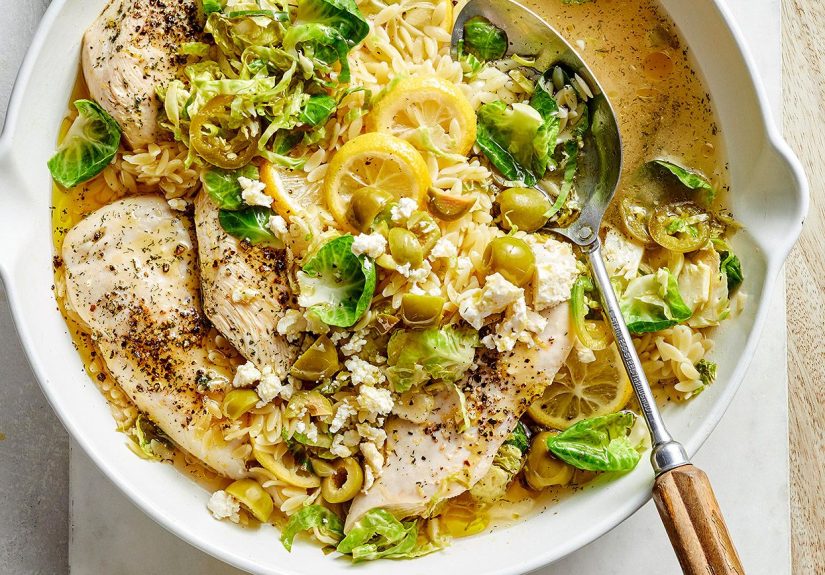
If “Greek vacation” isn’t currently in your calendar (same), this Greek chicken skillet recipe is the next best thingminus airport security and the guy in 12B who removes his shoes like it’s a personality trait. We’re talking juicy chicken, lemon-garlic-oregano vibes, blistered tomatoes, briny olives, and a snowdrift of feta that melts just enough to make you emotional.
The best part: it’s a one-pan Greek chicken situation. One skillet. Minimal dishes. Maximum flavor. It’s a weeknight dinner that tastes like you planned ahead… even if you absolutely did not.
Why a Greek Chicken Skillet Works (Even When You’re Tired)
Greek-inspired cooking is basically built for home cooks: bold seasoning, bright acid, and a lot of “throw it in the pan and let it become delicious.” A skillet recipe leans into that with a smart sequence:
- Sear chicken for color and flavor (aka the “restaurant taste” button).
- Cook aromatics in the same pan to pick up the browned bits.
- Simmer quickly with tomatoes, broth, and lemon to keep everything juicy.
- Finish with feta + herbs so it tastes bright and fresh, not heavy.
Main Keyword to Know
If you’re hunting online later, the phrase you’ll see everywhere is Greek chicken skillet recipe. Related terms (the SEO-friendly kind humans actually say) include Mediterranean chicken skillet, lemon garlic chicken, one-pan chicken with feta and olives, and Greek chicken thighs. We’ll use them naturallyno keyword confetti cannon, promise.
Ingredients
This recipe is designed for real life: flexible, forgiving, and still impressive. If you can’t find one ingredient, there’s a backup plan (because grocery stores love surprises).
For the chicken
- 1 ½ pounds chicken thighs (boneless/skinless preferred), or breasts/cutlets (see timing notes)
- 2 tablespoons olive oil (plus more as needed)
- Juice of 1 lemon (about 2–3 tablespoons) + optional zest
- 3–4 cloves garlic, minced
- 2 teaspoons dried oregano (or 1 tablespoon fresh, chopped)
- 1 teaspoon kosher salt (adjust if using salty olives/feta)
- ½ teaspoon black pepper
- ½ teaspoon paprika (optional, for warmth and color)
For the skillet “Greek-ish” sauce and veggies
- 1 small red onion, sliced
- 1 bell pepper (red or yellow), sliced (optional but highly recommended)
- 1 pint cherry or grape tomatoes
- ½ cup chicken broth (or water + a pinch of salt)
- ½ cup Kalamata olives, halved (or any briny olive you love)
- 2 cups baby spinach (optional but great)
- ⅓–½ cup crumbled feta
- Fresh herbs (parsley or dill), chopped, for finishing
Optional “make it a full meal” add-ons
- Cooked rice or orzo (serve underneath or stir in at the end)
- Cucumber + yogurt for a quick tzatziki-style topping
- Potatoes (see variation section if you want a heartier skillet)
Equipment
- 12-inch skillet (cast iron or stainless steel is ideal)
- Tongs
- Instant-read thermometer (not required, but it makes you feel like a professional)
Greek Chicken Skillet: Step-by-Step
Step 1: Quick marinade (15 minutes that does a lot)
In a bowl, whisk olive oil, lemon juice, garlic, oregano, salt, pepper, and paprika (if using). Add chicken and toss to coat. Let it sit 15 minutes at room temperature (or up to 2 hours in the fridge). If you’re short on time, even 5 minutes helpsthis is a low-drama recipe.
Step 2: Sear the chicken for flavor
Heat your skillet over medium-high heat. When it’s hot, add a small drizzle of olive oil. Place chicken in a single layer (don’t crowdcrowding = steaming, and steaming is the enemy of golden-brown).
Sear about 4–5 minutes per side until nicely browned. You’re not necessarily cooking it through yet; you’re building flavor. Transfer chicken to a plate.
Step 3: Build the veggie base
Reduce heat to medium. Add onion (and bell pepper if using). Sauté for 3–4 minutes until softened. Add tomatoes and cook another 2–3 minutes until they start to blister and get jammy around the edges. (This is where the pan starts smelling like you deserve a cooking show.)
Step 4: Deglaze + simmer
Pour in chicken broth and scrape up the browned bits from the bottom of the pan. Add the chicken back in (plus any juices on the platethose are flavor bonuses). Reduce heat to medium-low, cover, and simmer 6–10 minutes until chicken is cooked through.
For safety and juiciness, aim for an internal temperature of 165°F in the thickest part.
Step 5: Finish like a Mediterranean magician
Stir in spinach (if using) and let it wilt for about a minute. Scatter olives and feta over the top. Turn off the heat. Add chopped herbs and a little lemon zest or an extra squeeze of lemon for brightness. Taste and adjust salt carefullyolives and feta can do a lot of salty heavy lifting.
Timing Notes: Thighs vs. Breasts
Chicken thighs are the MVP here: they stay tender even if you slightly overcook them (which happens to the best of us). Chicken breasts can work beautifully too, but they need a lighter hand.
- Boneless thighs: easiest, most forgiving, usually 6–10 minutes simmer after sear.
- Chicken breasts: consider slicing into cutlets; simmer time may be closer to 4–7 minutes.
- Bone-in, skin-on thighs: sear longer for crispy skin and simmer longer; keep heat gentle and use a lid.
Flavor Analysis: What Makes It Taste “Greek”
This skillet hits the classic Greek flavor map:
- Lemon: brightness and that “I just squeezed citrus like a chef” finish.
- Garlic + oregano: the backbonesavory, herby, and unmistakably Mediterranean.
- Olive oil: smooth richness without heaviness.
- Tomatoes: sweet-acid balance and built-in sauce.
- Olives + feta: briny and creamy contrast that makes every bite interesting.
A practical example: if your tomatoes are winter-pale and sad, the lemon and feta still rescue the dish. If your lemon is a little shy, the olives bring punch. It’s a flavor safety net.
Pro Tips for a Better One-Pan Greek Chicken
1) Don’t crowd the pan
If chicken is packed in tight, it releases moisture and steams. Steam is fine for broccoli, but it won’t give you that gorgeous browned crust. Cook in batches if needed.
2) Use the fond (the browned bits)
Those little caramelized bits stuck to the pan are concentrated flavor. Deglazing with broth (and a little lemon) dissolves them into your sauce.
3) Add feta at the end
Feta can dry out if it cooks too long. Toss it on at the end so it stays creamy and slightly melty.
4) Finish with fresh herbs, not just dried
Dried oregano does the heavy lifting, but fresh parsley or dill gives that “fresh Greek salad” vibe. It’s the difference between good and “wait, you made this on a Tuesday?”
Easy Variations (Pick Your Adventure)
Variation 1: Creamy lemon-feta skillet chicken
Want a richer sauce? After deglazing, stir in a few tablespoons of Greek yogurt off heat (so it doesn’t curdle), then finish with feta. It becomes creamy without feeling like a heavy Alfredo situation.
Variation 2: Greek chicken skillet with orzo
For a true “everything in one pan” dinner, add ¾ cup dry orzo after deglazing. You’ll need a bit more broth (start with an extra ¾ cup), then simmer until orzo is tender. Stir occasionally so it doesn’t stick. Finish with olives, spinach, feta, and herbs.
Variation 3: Add potatoes for a heartier skillet
Dice Yukon gold potatoes small and par-cook (microwave or quick boil) before adding them to the skillet with the onions. They’ll soak up the lemony pan juices and turn into little flavor sponges.
Variation 4: Spicy Greek chicken skillet
Add crushed red pepper flakes with the onions, or stir in a teaspoon of harissa (not Greek, but delicious). It turns the dish into a bold, modern Mediterranean chicken skillet.
What to Serve With Greek Chicken Skillet
- Pita or naan: for scooping up the sauce like you mean it.
- Rice or lemony couscous: great if you want a “bowl” situation.
- Greek salad: cucumber, tomato, red onion, olives, fetabasically the skillet’s best friend.
- Roasted veggies: zucchini, eggplant, or broccoli work well.
Meal Prep and Storage
How to store
Cool leftovers, then refrigerate in an airtight container for up to 3–4 days. Keep extra feta and herbs separate if you canfresh toppings stay fresher that way.
How to reheat
Reheat gently on the stove over medium-low with a splash of broth or water to loosen the sauce. Microwave works too; just use shorter bursts so the chicken doesn’t go from “juicy” to “textbook.”
FAQ
Can I make this dairy-free?
Absolutely. Skip the feta or use a dairy-free alternative. You’ll still get plenty of punch from lemon, garlic, and olives.
What if I don’t like olives?
No problem. Swap olives for capers (sparingly) or add extra tomatoes and a pinch more salt. You can also add chopped cucumber on top at the end for a fresh crunch.
Can I use chicken tenderloins?
Yesjust reduce cook time. Tenderloins cook fast, so simmer only until they hit 165°F. They’re ideal when you want a super-quick Greek chicken skillet recipe in under 25 minutes.
Conclusion
This Greek chicken skillet recipe checks every box: bold flavor, weeknight speed, and a cleanup situation that won’t ruin your evening. It’s bright from lemon, savory from garlic and oregano, and balanced by feta and olives. Make it as written, or turn it into a rice bowl, an orzo skillet, or a potato-packed feast. Either way, it tastes like you put in more effort than you didand honestly, that’s the dream.
Personal Experiences Cooking Greek Chicken Skillet (The Real-Life Version)
The first time I made a Greek chicken skillet, I did what many people do: I assumed “Greek flavors” meant I should use every Mediterranean ingredient I’ve ever seen in a grocery store aisle. Olives, feta, lemon, oregano, garlic, tomatoes, cucumber, yogurt, artichokes, sun-dried tomatoes, andwhy nothummus directly in the pan (please don’t). The result was… enthusiastic. Not terrible, but chaotic. Like a party where everyone showed up but nobody brought plates.
After a few tries, I learned the best Greek-style skillet dinners aren’t about using more ingredients. They’re about using the right ones in the right order. Sear first. Deglaze second. Finish fresh. That’s the rhythm that makes the whole thing taste intentional.
My favorite moment in this recipe is the tomato stage. Cherry tomatoes go from “cute salad topping” to “tiny sauce factories” in minutes. Once they blister, you get a sweet, jammy base that makes the whole skillet taste like it simmered longer than it did. If you’ve ever wanted a dinner to smell like a Mediterranean restaurant without committing to a three-hour project, this is the shortcut.
I’ve also made this dish in three different “life modes”:
- Weeknight survival mode: Chicken thighs + onion + tomatoes + olives + feta. Done. Served with pita. Nobody complains, and someone usually asks, “Is there more sauce?”
- Hosting-but-not-trying-too-hard mode: Add a quick chopped salad and a bowl of lemony rice. People assume you’re organized. (You can let them keep believing that.)
- Meal-prep mode: Make a double batch and keep toppings separate. Day one: serve over rice. Day two: wrap in pita with yogurt. Day three: eat it cold straight from the container while pretending it’s a “protein bowl.”
One practical lesson: feta is powerful. A little goes a long way. The first time I “measured with my heart,” I ended up with something closer to a feta blanket than a feta sprinkle. Was it delicious? Yes. Did it also become a salt bomb? Also yes. Now I crumble a modest amount at the end and put the rest on the table so everyone can choose their own feta destiny.
Another lesson: lemon is not optional. Even if you think you don’t like lemony food, you probably just don’t like too much lemon. In this skillet, lemon is the brightness that makes everything else pop. If you’re cautious, start with half the juice, then add more after tasting. The goal is “fresh and lively,” not “sour dare challenge.”
And finally, this recipe is weirdly good at improving a day. There’s something about the combination of garlic, oregano, and warm tomatoes that feels comforting without being heavy. It’s the kind of meal that makes a regular Tuesday feel like you might have your life togetherat least until you remember the laundry.