Table of Contents >> Show >> Hide
- Gallbladder 101: What It Does (And Why It Gets Blamed for Everything)
- What People Mean by “Gallbladder Cleanse” (AKA: The Internet’s Favorite Shortcut)
- Gallbladder Cleanse “Recipe”: What’s Typically In It
- Claimed Benefits vs. Reality
- Does a Gallbladder Cleanse Work? What the Evidence Says
- Safety and Risks: When a “Cleanse” Can Go Wrong
- If You Think You Have Gallstones: What Actually Helps
- Evidence-Based Treatment Options (No “Detox” Required)
- Prevention and “Gallbladder-Friendly” Habits That Make Sense
- FAQ: The Questions People Ask (Usually at 2 A.M.)
- of Real-World Experiences: What People Commonly Report (And What It Teaches)
- Experience pattern #1: “I did a cleanse and saw ‘stones’so it must have worked.”
- Experience pattern #2: “It gave me diarrhea and cramps, but I felt ‘lighter’ later.”
- Experience pattern #3: “I tried cleanses for months…then ended up in urgent care.”
- Experience pattern #4: “My gallstones showed up after rapid weight loss.”
- Experience pattern #5: “After gallbladder removal, I had to learn what works for my digestion.”
- Conclusion
If the internet had a favorite organ to “detox,” the gallbladder would be in the top threeright after the liver and whatever body part someone decided needs “flushing” this week.
Gallbladder cleanses (also called gallbladder flushes or liver flushes) are popular, dramatic, and usually marketed with the kind of confidence that should require a seatbelt.
But gallstones and gallbladder pain are real medical issues, and they deserve real information.
This guide breaks down what a gallbladder cleanse is, what “recipes” typically include, what benefits people claim, what science actually supports, what risks matter most,
and what evidence-based options exist if you suspect gallstones. We’ll keep it practical, clear, and only mildly sarcasticbecause your bile ducts are not a comedy club.
Gallbladder 101: What It Does (And Why It Gets Blamed for Everything)
Your gallbladder is a small, pear-shaped pouch under your liver. Its job is simple but important: it stores bile and releases it into your small intestine to help digest fats.
Bile is a mix of water, bile salts, cholesterol, bilirubin, and other compounds. When that mix gets out of balanceespecially when bile has too much cholesterol, or bile isn’t moving the way it shouldgallstones can form.
What are gallstones?
Gallstones are hardened deposits that can form in the gallbladder. Many people have “silent” gallstones (no symptoms).
Problems usually start when a stone blocks the normal flow of bilecausing what people often call a “gallbladder attack.”
Common symptoms that deserve attention
- Sudden pain in the upper right abdomen (or sometimes upper middle abdomen) that may spread to the back or right shoulder
- Nausea or vomiting, especially after meals (often fattier meals)
- Episodes that last 30 minutes to several hours
- Red flags that need urgent care: fever, chills, yellowing skin/eyes (jaundice), dark urine, pale stools, severe or worsening pain
What People Mean by “Gallbladder Cleanse” (AKA: The Internet’s Favorite Shortcut)
A “gallbladder cleanse” is an alternative remedy that claims to expel gallstones without medical treatment.
The pitch usually includes big promises: “dissolve stones,” “flush the liver,” “remove toxins,” “reset digestion,” “heal inflammation,” andsomehow“fix your hormones.”
(If a cleanse claims it can improve your skin, mood, and Wi-Fi signal, take a breath and step away from the checkout button.)
The core idea is that certain foods or supplements can force the gallbladder to contract and push stones out through the bile ducts and into the stool.
The problem: the body isn’t a plumbing system you can power-wash safely from the inside.
Gallbladder Cleanse “Recipe”: What’s Typically In It
People use many versions, but most “flush” recipes share a few usual suspects. This section is descriptiveso you recognize what you’re seeing onlinenot an endorsement or step-by-step plan.
If you have symptoms that could be gallstones, “DIY bile-duct roulette” is not a great hobby.
1) Olive oil (often a large amount)
Olive oil is the star of most flushes. The claim is that a big hit of fat makes the gallbladder squeeze hard, pushing stones out.
In reality, high-fat intake can trigger gallbladder contractionsbut that doesn’t mean it safely ejects stones, and it can worsen pain in someone with symptomatic gallstones.
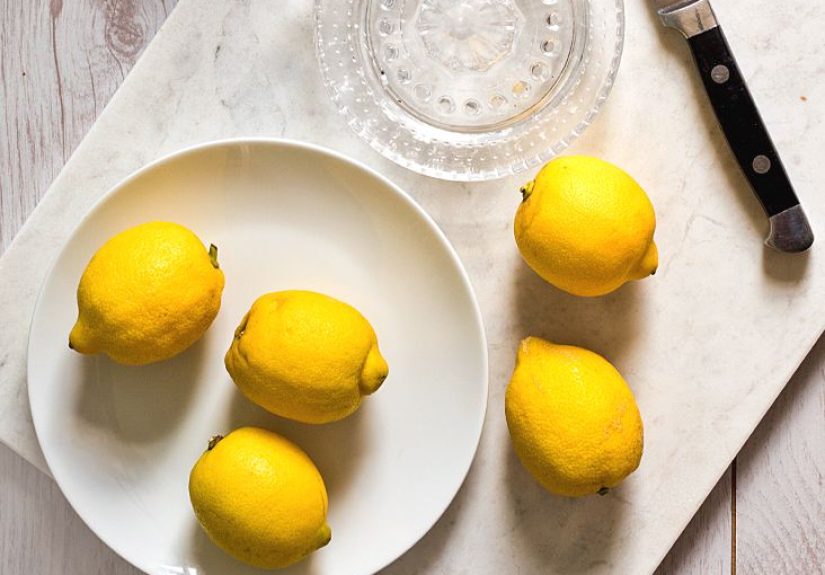
2) Citrus juice (lemon or grapefruit juice)
Citrus is usually added for taste and marketing (“alkalizing,” “detoxifying,” “stone-melting” vibes). It may also help people get the oil down.
Citrus isn’t a proven gallstone treatment. It can irritate reflux for some people and can be tough on teeth if used excessively.
3) Magnesium sulfate (Epsom salt) or other laxatives
Some recipes use magnesium sulfate with the goal of relaxing ducts, speeding bowel movements, or “clearing the pipeline.”
The big issue: laxatives can cause diarrhea, dehydration, electrolyte problems, andif misusedserious complications.
Using medicinal substances outside medical guidance is a risk, especially for teens, smaller bodies, or anyone with kidney issues, heart rhythm issues, or dehydration.
4) Fasting or very low food intake beforehand
Many cleanse protocols involve fasting or very limited eating before the “flush.”
Skipping meals can change how the gallbladder empties, but fasting also increases the risk of dehydration and can make some people feel faint, shaky, or nauseated.
Also: rapid weight loss and extreme dieting patterns are linked with increased gallstone riskso the “fix” can quietly add fuel to the fire.
So why do people see “stones” in the toilet afterward?
This is the part that makes cleanses feel convincing: people often report seeing soft, greenish, pebble-like blobs in their stool after a flush.
But analyses of these “stones” have shown they’re frequently made from oil and digestive contentsbasically soap-like clumps formed in the gutrather than actual gallstones.
Your gallstones don’t typically take a scenic detour through your intestines because you drank salad dressing.
Claimed Benefits vs. Reality
Claim: “It removes gallstones.”
Reality: there’s no reliable evidence that gallbladder cleanses prevent or treat gallstones. If you have symptomatic gallstones, you need proper diagnosis and medical guidance.
If you have silent gallstones, you may not need treatment at allbut you still don’t need a flush.
Claim: “It detoxes the liver and gallbladder.”
Reality: your liver already detoxifiesconstantly. That’s literally one of its jobs.
If a product claims your body is “full of toxins” but can’t name the toxin, measure it, or explain how it’s removed, that’s marketing, not medicine.
Claim: “It improves digestion and bloating.”
Reality: some people feel “lighter” afterward because many flushes act like a laxative.
That’s not the same as improved gallbladder health. It may be temporary, and it can be risky.
If bloating is your main symptom, there are many more likely causes than gallstones.
Claim: “It’s safer than surgery.”
Reality: “natural” doesn’t mean “safe.” Symptomatic gallstones can lead to complications (like inflammation, infection, pancreatitis, or bile duct blockage).
Delaying care while trying repeated flushes can turn a manageable problem into an emergency.
Does a Gallbladder Cleanse Work? What the Evidence Says
The most important point is also the least exciting: there’s no solid clinical evidence that gallbladder flushes remove gallstones.
Medical sources consistently explain that cleanses are unproven and that the “stones” seen afterward are often formed from the cleanse ingredients themselves.
If you’re hoping for a science-y explanation of how olive oil and citrus could dissolve cholesterol stones inside the gallbladderthere isn’t one supported by quality human data.
And if stones are stuck in a duct, forcing gallbladder contraction can worsen pain or trigger complications.
Safety and Risks: When a “Cleanse” Can Go Wrong
Gallbladder flushes can be more than uncomfortablethey can be dangerous in the wrong person or the wrong situation.
Risks depend on the specific recipe and your health status, but common concerns include:
- Severe diarrhea and dehydration (which can lead to dizziness, fainting, or electrolyte imbalance)
- Worsened biliary pain if gallstones are already causing symptoms
- Blockage if a stone moves into the bile duct and gets stuck
- Pancreatitis risk if a duct is blocked near the pancreas (this can be serious)
- Electrolyte or mineral problems from laxative ingredients (especially repeated use)
- Delaying diagnosis of gallbladder inflammation, infection, or other abdominal conditions
Get urgent medical care if you have:
- Severe abdominal pain that won’t improve
- Fever or chills
- Yellow skin or eyes (jaundice)
- Repeated vomiting or inability to keep fluids down
- Confusion, fainting, or signs of dehydration
Important: If you suspect gallstones, especially with red-flag symptoms, seek medical help promptly.
This article is educational and not a substitute for a clinician’s evaluation.
If You Think You Have Gallstones: What Actually Helps
Step 1: Get the right diagnosis
Gallstones are commonly diagnosed with imaging (often an abdominal ultrasound). Depending on symptoms, a clinician may also order blood tests to look for signs of infection,
inflammation, liver/bile duct issues, or pancreatitis.
Step 2: Understand “silent” vs. symptomatic gallstones
Many people have gallstones with no symptomsthese often don’t require treatment.
The situation changes when stones cause attacks or complications. In that case, treatment is focused on preventing recurrence and avoiding emergencies.
Evidence-Based Treatment Options (No “Detox” Required)
Watchful waiting (when appropriate)
If gallstones are found incidentally and you have no symptoms, clinicians often recommend monitoring rather than immediate intervention.
This is one reason a “cleanse” can be unnecessary at bestrisky at worst.
Cholecystectomy (gallbladder removal)
For symptomatic gallstones, the standard, definitive treatment is surgical removal of the gallbladdermost often laparoscopic (small incisions).
It prevents future gallbladder attacks because the organ where stones form is removed.
Many people live normally without a gallbladder; bile simply flows directly from the liver into the small intestine.
ERCP for bile duct stones (special situations)
If a stone moves into the common bile duct, doctors may use a procedure called ERCP to remove it.
This is not a DIY scenario. If a duct is blocked, that’s a “call a professional” moment.
Medication to dissolve certain stones (limited use)
In carefully selected casestypically small cholesterol stonesdoctors may prescribe ursodeoxycholic acid (ursodiol) to help dissolve stones over time.
It’s not quick, it doesn’t work for everyone, and stones can recur, but it’s a real medical option in specific situations.
Prevention and “Gallbladder-Friendly” Habits That Make Sense
You can’t control every risk factor (genetics and hormones do what they want), but lifestyle can influence gallstone risk and symptom flare-ups.
The goal is steady, sustainable habitsnot extremes.
Avoid rapid weight loss
Losing weight very quickly raises gallstone risk. If weight loss is part of your health plan, aim for gradual changes and seek guidance for a safe pace.
Crash diets and “cleanse weeks” may feel productive, but your gallbladder may disagree.
Choose fats wisely (don’t go zero-fat)
Extremely low-fat eating can reduce gallbladder contraction, which may contribute to bile “stasis” (sluggish flow).
Instead of cutting all fat, focus on reasonable portions of unsaturated fats (olive oil used in normal cooking amounts, nuts, seeds, avocado),
and reduce frequent high-saturated-fat meals if they trigger symptoms.
Prioritize fiber
Fiber-rich foods (beans, lentils, oats, fruits, vegetables, whole grains) support digestion and can help with cholesterol balance.
A high-fiber pattern also tends to support steadier weight managementanother gallstone-friendly move.
Build a “calm gallbladder” plate
- Breakfast: oatmeal with berries and chia; or whole-grain toast with avocado and a boiled egg
- Lunch: turkey or tofu wrap with lots of veggies; side of fruit
- Dinner: baked salmon or chicken, roasted vegetables, and brown rice or quinoa
- Snack ideas: apples, yogurt, nuts (portion-sized), hummus with carrots
Move your body regularly
Regular physical activity supports metabolic health and helps reduce gallstone risk factors over time. It doesn’t need to be intense:
consistent walking, cycling, sports, dance, or strength training all count.
FAQ: The Questions People Ask (Usually at 2 A.M.)
Can a gallbladder cleanse get rid of gallstones at home?
There’s no reliable evidence that cleanses remove gallstones. If you have symptoms, focus on diagnosis and evidence-based care.
If you don’t have symptoms, you may not need treatment at all.
Is olive oil and lemon juice “good for gallstones”?
Olive oil and lemon can be part of a healthy diet in normal food amounts, but they’re not proven treatments for gallstones.
Large “flush-style” quantities may trigger pain, diarrhea, or dehydrationespecially if you already have gallbladder disease.
What’s the safest way to support gallbladder health?
A balanced pattern: gradual weight management (if needed), fiber-forward meals, reasonable healthy fats, hydration, and regular movement.
If you have symptoms, the safest move is medical evaluationbecause complications can escalate.
If I have pain after fatty foods, does that mean gallstones?
Not always. Gallstones are one possible cause, but reflux, ulcers, gastritis, pancreatitis, liver issues, and other conditions can also cause upper abdominal pain.
Persistent or severe pain should be evaluated.
of Real-World Experiences: What People Commonly Report (And What It Teaches)
People are drawn to gallbladder cleanses for a very human reason: gallbladder pain can be scary, and waiting for appointments can feel slow.
Online, a “flush” looks like a shortcutfast, cheap, and dramatic. Here are some common experience patterns people report, and the practical lessons behind them.
These are composite examples meant to reflect typical stories (not medical advice, and not a substitute for a clinician).
Experience pattern #1: “I did a cleanse and saw ‘stones’so it must have worked.”
This is one of the most common stories. Someone follows a flush plan, then notices greenish, waxy-looking lumps in the toilet afterward.
It feels like proof. The emotional payoff is huge: “I got rid of the stones!” But the lumps often happen because oil, digestive enzymes, and bile can form soft clumps in the intestines.
That doesn’t mean stones left the gallbladder. The lesson: visible results aren’t always accurate results. Your body can produce convincing “before-and-after” moments
without actually solving the underlying problem.
Experience pattern #2: “It gave me diarrhea and cramps, but I felt ‘lighter’ later.”
Some people describe intense bathroom trips, cramps, and fatiguethen a temporary sense of relief.
In many cases, the relief is simply the end of a laxative-like reaction plus the psychological comfort of “doing something.”
The lesson: feeling better after a tough night doesn’t confirm gallstones were treated. It can also normalize risky behavior:
if someone repeats the flush whenever symptoms appear, they may miss the chance to diagnose a true gallbladder issueor a different condition entirely.
Experience pattern #3: “I tried cleanses for months…then ended up in urgent care.”
Another pattern: recurring right-upper-abdominal pain after meals leads someone to try multiple home fixes.
Eventually, an attack lasts longer, pain becomes intense, vomiting starts, or fever appears.
Imaging then reveals gallstones (or inflammation), and the plan becomes medicaloften surgery.
The lesson: repeated severe pain is your body waving a red flag, not asking for more internet experiments.
Early evaluation can prevent complications and can also reduce anxiety because you’re not guessing anymore.
Experience pattern #4: “My gallstones showed up after rapid weight loss.”
Many people are surprised to learn that quick weight loss can increase gallstone risk.
Someone might lose weight rapidly through a very low-calorie plan, intense dieting, or major lifestyle changethen develop gallbladder attacks.
The lesson: the safest health progress is usually steady progress. Extreme swings can have side effects that feel unfair (“I was trying to be healthier!”),
but they’re also manageable once you know the connection and choose a safer pace.
Experience pattern #5: “After gallbladder removal, I had to learn what works for my digestion.”
People who undergo cholecystectomy often report relief from attacksbecause the source of the stones is gone.
Some also notice temporary diarrhea or sensitivity to very fatty meals, especially early on.
Many adjust by eating smaller portions, spreading fat intake across the day, and leaning on fiber-rich foods.
The lesson: evidence-based treatment doesn’t mean “no lifestyle changes.” It means the big problem gets handled safely,
and the day-to-day habits become supportive rather than desperate.
Bottom line from these experiences: gallbladder cleanses are popular because they offer a story of control.
But gallstone problems are best managed with clarity (diagnosis), safety (watch red flags), and evidence-based options (medical treatment when needed),
plus steady habits that reduce risk over time. You deserve a plan that’s boring in the best way: reliable, safe, and actually effective.
Conclusion
Gallbladder cleanses are marketed as simple solutions for gallstones, but there’s no reliable evidence they remove stonesand there are real risks, especially if you have symptoms.
If you suspect gallstones, the smartest “cleanse” is clearing up uncertainty: get evaluated, learn whether stones are silent or symptomatic, and follow evidence-based care.
Pair that with steady lifestyle habitsfiber-forward meals, reasonable healthy fats, regular movement, and avoiding rapid weight lossand you’ll be doing far more for your gallbladder
than any late-night flush trend can promise.