Table of Contents >> Show >> Hide
- What Is the Design Within Reach Harvest Table?
- Why “Shaker-Inspired” Still Works (Even If You’ve Never Owned a Butter Churn)
- Material Matters: What Walnut Brings to the Party
- The Drop-Leaf Advantage: Expandable Without the Drama
- Size, Seating, and Layout: The Easy Math That Saves Your Knees
- How to Style the Harvest Table So It Looks Like It Belongs
- Buying Through Design Within Reach: What to Expect
- Care and Maintenance: Keep Walnut Gorgeous Without Babying It
- Buying a DWR Harvest Table Secondhand: A Smart Strategy
- Love the Look? Consider These Alternatives Too
- FAQ
- Experiences: Living With a Design Within Reach Harvest Table (The Real-World Stuff)
- Conclusion
If your dining area has ever felt like it’s playing Tetris with your lifechairs jammed against walls, guests scooting sideways, you eating dinner with your elbows tucked like a polite velociraptorthen a drop-leaf table starts to look less like “old-fashioned furniture” and more like a genius space hack with manners.
Enter the Design Within Reach Harvest Table (often referenced as the Harvest Drop Leaf Table): a clean-lined, Shaker-influenced dining table that expands when you need it and politely shrinks when you don’t. It’s the rare “investment piece” that’s also practicallike buying great boots that are somehow still comfortable on day one.
In this guide, we’ll dig into what makes the DWR Harvest Table special, how to style it, how to buy it smart (especially if you’re hunting secondhand), and how to keep that wood finish looking like you don’t own a pet who believes tables are a runway.
What Is the Design Within Reach Harvest Table?
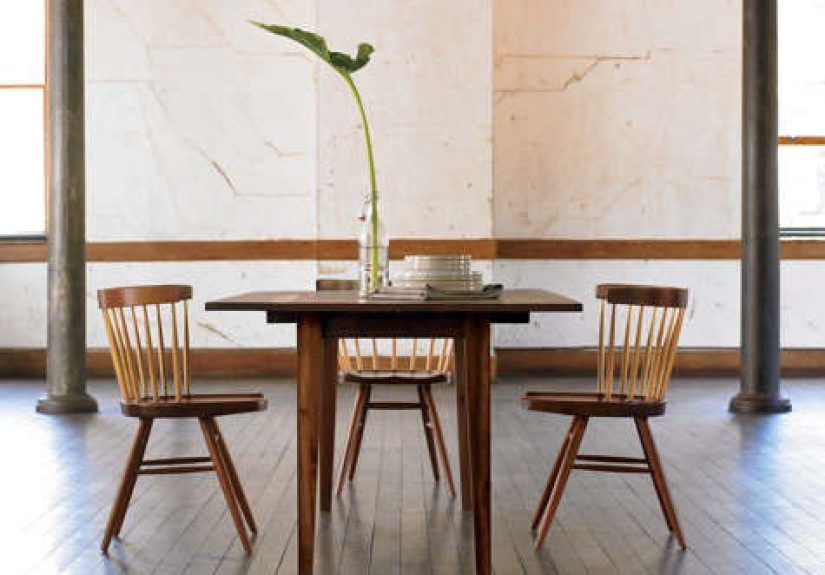
The DWR Harvest Drop Leaf Table is a minimalist, function-first dining table inspired by Shaker design principles: restrained lines, honest materials, and details that exist for a reason (not just because a designer got bored on a Tuesday).
It’s known for:
- Two drop leaves that expand or reduce the tabletop footprint depending on your needs.
- Wooden supports (described as pegs that fold out) that hold the leaves up when raised.
- A simple, symmetrical form that fits modern homes without screaming “trendy.”
- Solid walnut construction with a clear protective finish (commonly cited as a lacquer finish in listings and coverage).
One more important detail: this is a design that’s been around long enough that availability can fluctuate. Depending on the current DWR assortment, you may encounter it as a legacy product, a periodically available piece, or something you’ll find through resale and vintage marketplaces. The good news is: the style is timeless, and the mechanics are straightforward, which makes secondhand buying a realistic option.
Why “Shaker-Inspired” Still Works (Even If You’ve Never Owned a Butter Churn)
Shaker design isn’t about looking rustic. It’s about looking intentional. The Shakers built furniture that was meant to be used dailyclean forms, solid joinery, and features that solved real problems, like “How do we feed people without dedicating half the house to one table?” Drop leaves are the original small-space multitool.
That’s why the Harvest Table feels right in a modern home: it’s visually quiet, but functionally loudin the best way. It expands for gatherings, contracts for everyday life, and doesn’t demand that your décor revolve around it like it’s the sun.
Material Matters: What Walnut Brings to the Party
If you’re considering the DWR Harvest Table specifically in walnut, you’re choosing a wood that’s prized in American furniture for a reason. Black walnut is widely known for its rich color range (from warm brown to deep chocolate tones) and a grain pattern that looks “designed” even when it isn’t trying.
Durability and daily life
Walnut is often described as a “medium-hard” hardwoodtough enough for everyday dining, but not so hard that it feels cold or industrial. It’s commonly cited around 1,010 lbf on the Janka hardness scale, which helps explain why walnut tables hold up well to normal use (and why coasters still matter, because physics is undefeated).
Stability and movement
All solid wood moves with humidity changes. The good news: walnut is generally considered stable once properly dried, and it’s been a standard choice for fine furniture, cabinetry, and specialty woodwork for decades. In practical terms, it’s a smart material for a table with moving parts (like leaves) because you want predictable behavior season to season.
The finish: clear, protective, and not magical
A clear protective finish (often described as lacquer in product coverage) helps resist everyday messspills, smudges, and that mysterious sticky spot that appears even when nobody ate anything sticky. But finishes are not force fields. You’ll still want to protect the surface from grit (micro-scratches), heat (hot pans), and moisture rings (the ghost of beverages past).
The Drop-Leaf Advantage: Expandable Without the Drama
Extension tables are great, but they can come with baggage: storing leaves, aligning hardware, and the occasional wrestling match that ends with you whispering, “Why do we own furniture that fights back?”
Drop-leaf tables keep things simpler. The leaves are attached, they fold down when not needed, and the support mechanism is built into the table’s under-structure.
Why DWR’s approach feels “clean”
In coverage of the Harvest Drop Leaf Table, the support is described as wooden pegs that fold out to support the raised leaves and act as stoppers when folded down. That’s very on-brand for Shaker-inspired design: fewer parts, fewer things to break, and nothing that looks like it came from a spaceship.
Best use cases for a drop-leaf dining table
- Small kitchens and apartments: Keep leaves down day-to-day, raise one leaf for casual meals, raise both for guests.
- Multipurpose rooms: Dining table by night, project table by day, homework command center always.
- Entertaining without a dedicated dining room: You get extra surface area when you need it, without committing permanently to a “big table lifestyle.”
Size, Seating, and Layout: The Easy Math That Saves Your Knees
Here’s the part many people skip until their first dinner party: clearance and seating math. Design Within Reach’s general guidance for dining tables commonly references a typical place setting width range of about 18–24 inches per person, depending on chair width and comfort level.
So if your Harvest Table is the version often described as 72 inches long, you can usually plan for:
- Two people comfortably on each long side (4 total) with generous elbow room.
- Three on each long side (6 total) if chairs aren’t oversized and everyone is friendly.
- Up to 6–8 in real life if you include end seating and accept that holiday dinners are not meant to feel like first-class cabins.
Layout tips that prevent regret
- Plan a walkway: Aim for comfortable clearance around the table so chairs can pull out without bumping walls.
- Measure the delivery path: Not just the roomdoorways, hallways, turns, and stair clearances matter.
- Think about chair width: Wide dining chairs look amazing… until you realize you’ve built a chair traffic jam.
How to Style the Harvest Table So It Looks Like It Belongs
Walnut has presence. It doesn’t need a lot of help, but it does appreciate good company. Here are a few styling directions that pair especially well with a Shaker-inspired DWR dining table:
1) Modern Shaker (clean and calm)
- Simple spindle-back or ladder-back chairs
- Neutral runner, ceramic bowl, minimal centerpiece
- Matte black or brushed brass lighting for contrast
2) Warm modern (cozy without clutter)
- Upholstered chairs in oatmeal, camel, or charcoal
- Textured rug underfoot (low pile for chair movement)
- Soft linen napkins and everyday glassware that isn’t “special occasion only”
3) Eclectic (the table is the anchor)
- Mix chair styles, but keep one unifying element (color, wood tone, or silhouette)
- Add art and bold lightinglet the table be the calm center
- Use a tray to corral tabletop chaos (keys, mail, and whatever else the table collects like a magnet)
Buying Through Design Within Reach: What to Expect
One reason people shop DWRbesides the design curationis the service structure around big-ticket pieces.
Delivery and setup
DWR describes full-service in-home delivery that typically includes placement in the room of choice, assembly, and removal of packaging (within the contiguous U.S., timing varies based on stock and shipment). Before ordering, DWR recommends measuring entry routes and interior clearances so delivery doesn’t turn into an impromptu “pivot!” episode.
Returns and exchanges
DWR’s published policy commonly emphasizes inspecting items upon delivery and reporting issues within a set window, with important details like shipping fees and restocking considerations for returns. Translation: read the policy like you’d read a recipe before you start cookingfuture you will be grateful.
Free design help (yes, really)
DWR also promotes a complimentary Design Concierge serviceuseful if you’re choosing chairs, lighting, rugs, or just trying to decide whether walnut is “warm modern” or “mid-century billionaire.” A second set of eyes is underrated, especially when you’re coordinating finishes.
Care and Maintenance: Keep Walnut Gorgeous Without Babying It
Wood tables should be lived with, not tiptoed around. But a few habits go a long way, especially with a clear protective finish.
Daily/weekly care
- Dust with a soft, slightly damp, lint-free cloth, then wipe dry.
- Avoid abrasive cleaners, harsh chemicals, and aerosol sprays that can dull finishes over time.
- Use coasters and trivetsheat and moisture are the classic villains.
Scratch prevention that doesn’t ruin your aesthetic
- Add felt pads under décor and serving pieces.
- Use placemats if your household believes “forks are percussion instruments.”
- Keep grit off the surfacetiny particles can act like sandpaper.
Buying a DWR Harvest Table Secondhand: A Smart Strategy
If the Harvest Table isn’t readily available new, the resale market can be your friendespecially for solid-wood pieces that age well. But go in with a checklist.
What to inspect
- Leaf alignment: Raise the leaves and check for a flush surface (minor variation is normal in wood, but big unevenness is a red flag).
- Support mechanism: Make sure the wooden supports/pegs operate smoothly and lock securely.
- Hinges and joints: Look for wobble, cracks, or repaired breaks under the leaves.
- Finish condition: Light surface wear is normal; deep gouges, water damage, or cloudy finish may require refinishing work.
Questions worth asking
- Was the table used daily or mostly as a “looks nice, never touch” item?
- Was it stored in a climate-controlled space?
- Are there receipts or original documentation (helpful for authentication and resale value)?
Love the Look? Consider These Alternatives Too
If what you really want is the function (expandable surface) plus the vibe (clean-lined wood table that won’t age out), you have optionsboth within DWR’s broader assortment and among Shaker-influenced American makers.
Within the DWR ecosystem
DWR carries other wood dining tables with strong “gathering” energy, including designs that blend modern construction techniques with traditional warmth. For example, DWR’s Gather Table has been described with a stable hardwood core and veneer construction, built to resist warpinguseful context if you want a similar “family dinner magnet” feel but aren’t set on drop leaves.
Shaker-style drop-leaf makers
Many American furniture makers build drop-leaf tables rooted in Shaker tradition, sometimes with different support mechanisms (like spinners or swing-arm supports) and different finish philosophies (oil/wax versus a clear film finish). If you love the Harvest Table concept but want custom sizing or a different wood, these makers can be worth exploring.
FAQ
Is a drop-leaf table sturdy enough for everyday use?
Yeswhen designed well. The key is the support method. A properly supported leaf should feel secure, not bouncy. Always test leaf stability if buying secondhand.
Does walnut scratch easily?
Walnut is durable, but any wood finish can scratch with grit, dragging objects, or sharp impacts. Basic habitscoasters, felt pads, and quick wipe-downshelp a lot.
Can I mix walnut with other wood tones?
Absolutely. Walnut plays well with lighter woods (oak, ash) if you repeat tones elsewherelike picture frames, shelving, or a light wood sideboard.
Experiences: Living With a Design Within Reach Harvest Table (The Real-World Stuff)
Let’s talk about the part no product description fully captures: the day-to-day experience of owning a drop-leaf table that’s trying to be both beautiful and usefullike a runway model who also files your taxes.
Weeknight mode: Most owners who choose a Harvest-style drop-leaf table do it because space matters. With the leaves down (or with just one leaf up), the table tends to feel lighter in the room. That’s not just visualit changes how you move. You stop hip-checking corners. You stop doing that sideways crab-walk between table and counter. The table becomes part of your flow instead of a permanent obstacle. If your dining area is near the kitchen, that “smaller footprint” vibe can be the difference between “this is cozy” and “why do we live inside a furniture showroom maze?”
Hosting mode: Then you raise the leaves, and suddenly it’s like the table is saying, “Go ahead. Invite people. Use the nice plates.” This is where drop-leaf tables shine: you don’t need to store extra leaves in a closet (and forget where you put them), and you don’t need a complicated extension track. You lift the leaves, engage the supports, and you’re done. Owners often describe this as a surprisingly satisfying ritualthere’s a little moment of click or settle that makes the table feel engineered, not fussy.
Chair flexibility (aka the underrated perk): With many fixed tables, chairs become “assigned seating” by default because the footprint never changes. A drop-leaf table is different. You can keep two chairs nearby for daily use and pull in extras only when you need them. That’s huge for small homes. It also means you can choose chairs you truly likenot just chairs that can permanently live around a table without blocking every pathway you own.
Kid and pet reality: If you have kids, a walnut table with a clear finish tends to feel like a practical luxury: it can handle normal life, but it also rewards good habits. You’ll probably become a coaster evangelist. You’ll also learn quickly that grit is the enemycrumbs and dust can cause tiny scratches when someone slides a plate like they’re shuffling poker chips. Pet owners often notice the same thing with claws and jumping: the table isn’t fragile, but it isn’t indestructible. The experience becomes a balance of “live your life” and “maybe don’t let the cat parkour across the centerpiece.”
Cleanup and maintenance: The most common “ownership rhythm” is simple: wipe with a soft cloth, dry it, and don’t use harsh cleaners. People who keep their walnut table looking great over time usually aren’t doing anything fancythey’re just consistent. The table stays handsome, the finish stays clear, and you avoid that cloudy, worn-down look that comes from the wrong cleaning products.
The long-term feel: Over time, many owners come to appreciate that the Harvest Table doesn’t dominate a room. It’s not loud. It doesn’t demand a certain trend cycle. It just… works. The design is calm, but the functionality is generous. And for a dining table, that combination is basically the holy grail: you want something that looks good on a random Tuesday and still feels ready for a full house on Saturday night.
Conclusion
The Design Within Reach Harvest Table earns its reputation by doing what great furniture should do: it makes your space easier to live in while still looking like you have your life together. The Shaker-inspired simplicity keeps it timeless, the walnut brings warmth and character, and the drop-leaf design gives you flexibility without turning your dining room into a permanent “special occasion” setup.
If you’re buying new, lean on DWR’s delivery planning and design services to get the fit right. If you’re buying secondhand, inspect the leaf mechanism and finish like a detective who specializes in gorgeous furniture. Either way, you’re choosing a table that’s built around real lifemeals, projects, conversations, and the occasional “we can totally fit one more person” moment.