Table of Contents >> Show >> Hide
- Why Labels Work (Even if You’re “Not an Organized Person”)
- Before You Download: Pick Your Label Style (So It Matches Your Life)
- Printing Tips That Make Your Labels Look Expensive (Even When They’re Free)
- The Free Downloadable Storage Label Plan: Room by Room
- The “Downloadable Label Pack” Cheat Sheet
- FAQ: Common Questions About Printable Storage Labels
- Conclusion: Labels That Actually Make Life Easier
- Experience Notes: What People Learn After Labeling Their Whole House (500+ Words)
Your home has two kinds of “mystery boxes”: the ones on streaming services… and the ones in your closets. The streaming mysteries are fun. The closet mysteries? Less funespecially when you’re searching for batteries and accidentally find your “cord drawer” (a.k.a. the spaghetti museum).
That’s where free downloadable storage labels come in. Labels don’t just make bins look cutethey reduce decision fatigue, speed up clean-up, and help everyone in the house put things back where they belong (including the lovable chaos gremlins you may call children, roommates, or… yourself after a long day).
In this guide, you’ll get a room-by-room labeling plan, smart formatting tips, and real examples of what to label (and what not to bother labeling). You’ll also learn how to print labels that survive real life: sticky fingers, steamy bathrooms, and the laundry room’s magical ability to coat everything in mystery lint.
Why Labels Work (Even if You’re “Not an Organized Person”)
Labels are basically tiny signs that say, “Hey brain, relax. I got this.” They help you:
- Find things faster (no more opening six identical bins like you’re on a game show).
- Keep systems consistent because a label defines what belongs inside.
- Reduce visual clutterespecially when bins are opaque or stacked.
- Make tidying easier for everyone (labels are a universal language… mostly).
Pro tip: Labels aren’t the starting line. They’re the finish line after you sort, purge, and decide where things should live. Otherwise, you’ll end up with a labeled bin that reads “Random Stuff” and… honestly, we’ve all been there.
Before You Download: Pick Your Label Style (So It Matches Your Life)
1) Printable bin labels (paper or cardstock)
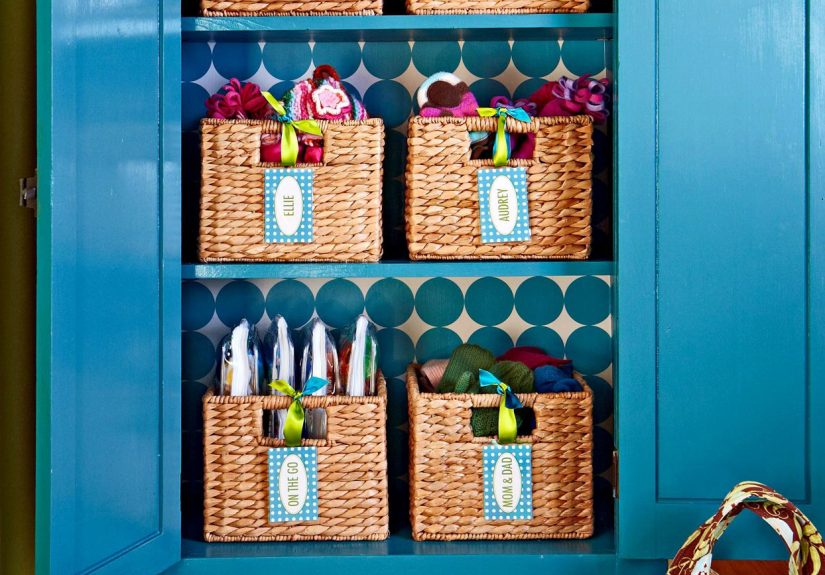
Best for: baskets, shelves, closets, toy bins, pantry bins, and anywhere you want a clean look. You can slide them into label holders, luggage tags, or laminate them for durability.
2) Sticker labels (full-sheet sticker paper)
Best for: jars, canisters, drawers, and containers that don’t get handled roughly.
3) Waterproof labels (for kitchens, bathrooms, and anything that gets splashed)
Best for: spice jars, cleaning bottles, shower products, and food containers. If your label will face water, steam, oil, or frequent wiping, pick waterproof materials designed for that job.
4) Label maker or vinyl labels (the “professional organizer” look)
Best for: high-touch areas (pantry bins, office files) and long-term systems. Bonus: it’s deeply satisfying to watch a label maker spit out a perfectly aligned strip like a tiny office printer with big feelings.
Printing Tips That Make Your Labels Look Expensive (Even When They’re Free)
- Use one font family across the whole house for a cohesive look. Save playful fonts for kids’ zones.
- Keep text short (“Snacks” beats “Assorted Snack Items Purchased in Bulk”).
- Go bigger than you think for closets/garage bins. If you can’t read it from 3 feet away, it’s décornot a label.
- Add a second line only when necessary (e.g., “Baking / Chocolate + Sprinkles”).
- Test print on plain paper first to check sizing before using sticker sheets.
- For jars, consider “front label + back info” (like expiration dates or cooking notes) using a dry-erase or removable label on the back.
The Free Downloadable Storage Label Plan: Room by Room
You can absolutely download different label sets for each room (many home-and-garden publishers and organizing blogs offer free printables). But if you want everything to match, use free customizable templates (like label templates in design tools) and create one unified “house style.” Either way, the system below works with any printable set.
Kitchen & Pantry Labels
The pantry is where good intentions go to retire. The fix is simple: group items by category, contain them in bins or jars, and label what’s inside so nothing disappears behind the cereal box wall.
What to label in the pantry:
- Everyday categories: Snacks, Breakfast, Pasta, Rice & Grains, Baking, Canned Goods, Sauces, Spices.
- Kid-friendly zone: Grab & Go, Lunchbox, After-School Snacks.
- Backstock bin: A labeled “Back Stock” basket prevents bulk items from taking over your main shelves.
- Allergens or special diets: Gluten-Free, Nut-Free, Low Sugar (if relevant).
Specific examples that keep chaos down:
- Label a bin “Taco Night” and toss seasoning, shells, and sauce in one place.
- Label a basket “Baking Refills” for flour, sugar, chocolate chips (so you stop buying your third cinnamon).
- For jars: label the front with the item name; on the back, add a small removable space for “use by” notes.
Fridge & Freezer Labels
Yes, you can label your fridge. No, you don’t need a label for “milk” (unless your household is in a cold war over oat vs. dairy).
High-impact fridge/freezer labels:
- Leftovers (with a date line)
- Meal Prep
- Smoothie Packs
- Kids’ Snacks
- “Use First” bin (the MVP that reduces food waste)
Material tip: Use waterproof labels for freezer bins and anything that will be wiped down often.
Laundry Room Labels
The laundry room is basically a chemistry lab with better lighting. Labels help you avoid the classic: “Is this baking soda, washing soda, or the powdered ghost of detergent past?”
Label ideas for laundry spaces:
- Detergent
- Pods
- Stain Remover
- Delicates
- Dryer Sheets
- Lint Roller / Sewing Kit (because buttons never fall off when it’s convenient)
Pro move: If you store supplies in matching jars, labels keep everyone from “guess-pouring.” (You know who you are.)
Bathroom Labels
Bathrooms are humid. Humidity is the enemy of paper labels. If you label here, go waterproof or use label holders.
Bathroom label categories:
- First Aid
- Skincare
- Hair Tools
- Cotton / Q-Tips
- Travel Toiletries
- Cleaning (keep safely away from kids’ items)
Specific example: Under-sink bins labeled “Refills,” “Backup,” and “Daily Use” make restocking painless.
Bedroom & Closet Labels
Closets don’t get messy because we own too much. They get messy because everything looks the same in a stack at 7:42 a.m.
Closet label ideas:
- Seasonal (Winter / Summer)
- Accessories
- Workout Gear
- Special Occasion
- Shoes (Boots / Sneakers / Sandals)
- Bed Linens (Sheets / Pillowcases / Guest)
Seasonal storage tip: Label under-bed bins or top-shelf totes so you can swap items without unpacking everything like you’re moving out.
Kids’ Room & Playroom Labels
Kids can maintain an organized system… if the system is built for kids. That means big labels, simple words, and sometimes pictures.
Playroom label categories:
- Blocks
- Art Supplies
- Puzzles
- Dolls / Action Figures
- Cars
- Dress-Up
Picture-label hack: Use icons or a small photo on the label (especially for preschoolers). It turns cleanup into a matching game instead of a negotiation.
Home Office Labels
Office organization is where labels go from “cute” to “life-saving.”
Office label essentials:
- Bills & Tax
- School Papers
- Manuals & Warranty
- Cables
- Shipping Supplies
- To File / To Shred
Specific example: Label one bin “Returns” so items don’t live on your desk for three weeks like they pay rent.
Entryway & Mudroom Labels
These are drop zonesso treat them like airports: everything needs a clearly labeled gate.
Entry labels that prevent pileups:
- Keys
- Dog Stuff
- Hats & Gloves
- Umbrellas
- Mail (In / Out)
Garage, Basement, & Attic Labels
This is where labels truly shine because bins get stacked, moved, and ignored until you need that one specific thing right now.
Garage/attic label categories:
- Holiday Décor (and label by holiday if you’re fancy)
- Tools
- Paint & Supplies
- Camping
- Sports Gear
- Car Care
- Donation
Durability tip: Use oversized labels and consider label holders so you can swap labels when the bin contents change.
Utility & Cleaning Closet Labels
This closet usually contains: cleaning supplies, lightbulbs, and at least one thing you’re afraid to touch. Labels make it less… suspenseful.
Label ideas:
- All-Purpose
- Glass
- Floors
- Bathroom
- Refills
- Sponges & Cloths
The “Downloadable Label Pack” Cheat Sheet
If you’re building (or customizing) a free downloadable set, here’s a practical starter pack of label names that covers most homes without getting weirdly specific.
| Room | High-Value Labels | Optional “Bonus” Labels |
|---|---|---|
| Pantry | Snacks, Baking, Pasta, Canned, Back Stock | Taco Night, Lunchbox, Breakfast |
| Laundry | Detergent, Stain Remover, Delicates | Ironing, Lost Socks, Sewing Kit |
| Bathroom | First Aid, Hair, Skincare | Travel, Refills, Guest |
| Closet | Seasonal, Accessories, Shoes | Special Occasion, Donation |
| Office | Bills & Tax, School, Manuals | Returns, Coupons, Shipping |
| Garage | Holiday, Tools, Sports, Camping | Paint, Car Care, Batteries |
FAQ: Common Questions About Printable Storage Labels
What’s the best paper for printable storage labels?
For bin labels, cardstock or thicker matte paper works great. For stickers, use full-sheet label paper. For wet areas, choose waterproof label materials.
How do I make labels look consistent across different rooms?
Pick one font, one label shape, and one naming style (plural vs. singular). For example: “Snacks,” “Baking,” “Cleaning”all nouns, all short.
Should I label clear bins?
Sometimes. If the contents are obvious, skip it. If you stack bins or store similar items (cords, batteries, craft supplies), labels prevent mix-ups.
Do I need a label maker?
No, but it’s helpful for high-use spaces and quick updates. Printable labels win for big batches (like an entire pantry) and for decorative styles.
Conclusion: Labels That Actually Make Life Easier
The goal isn’t to turn your home into a catalog photo shoot. The goal is to stop buying duplicates, find what you need fast, and make it easy for everyone to put things back without needing a meeting about “where stuff goes.”
Start with one problem areapantry snacks, the laundry shelf, the under-sink zonethen build momentum. Download a free label set that fits your style, customize it if needed, and print a few pages at a time. Your future self (and your future Saturday morning) will thank you.
Experience Notes: What People Learn After Labeling Their Whole House (500+ Words)
Once you start using free downloadable storage labels, something surprising happens: you don’t just “get organized.” You start noticing how your home actually behaves. Like a living system. A system that occasionally throws tantrums in the form of a junk drawer.
Lesson #1: The first labels you choose are rarely the final labels. Most households begin with generic categories like “Snacks” and “Cleaning.” Then reality kicks in. “Snacks” becomes “Kids’ Snacks” and “Grown-Up Snacks” (translation: “not to be traded for stickers”). “Cleaning” splits into “Daily,” “Deep Clean,” and “Refills.” This isn’t failureit’s your system evolving. A label is a hypothesis. Living in your space is the experiment.
Lesson #2: Labels stop arguments you didn’t know you were having. Couples, roommates, familieseveryone has their own internal map of where items belong. Labels create a shared map. Instead of “Where do we keep the scissors?” you get “They’re in the drawer that literally says ‘Scissors.’” It’s not passive-aggressive. It’s… mildly smug efficiency.
Lesson #3: The “Back Stock” bin is the hero of the pantry. People who shop in bulk often experience a recurring tragedy: you buy ketchup because you “must be out,” then you find three ketchups behind the cereal. A labeled backstock zone prevents that. Over time, households report fewer duplicates and less food wastenot because they became perfect, but because the system made it harder to accidentally lose things.
Lesson #4: Kids will follow labels if the labels are designed for kids. In real homes, tiny minimalist labels fail in playrooms. Big labels win. Picture labels win even harder. Families often discover that “cleanup resistance” drops when kids can match toys to a labeled bin like a game. The labels become instructions, not décor.
Lesson #5: The label maker is fun… until it isn’t. There’s a honeymoon phase where you want to label everything: “Bandaids,” “Batteries,” “Batteries (But Slightly Different),” “Batteries (Probably Dead).” Then you realize that labeling should serve a purpose. Households that stick with labeling long-term are the ones who label high-impact categories: things that look similar, get stacked, or get lost. The rest is optional.
Lesson #6: The best labels are the ones that make resetting the room easy. The magic moment isn’t when everything looks neat. The magic moment is when a room gets messyand you can fix it in five minutes because every bin is clearly labeled. People often report that their homes feel calmer, not because life got less busy, but because tidying got less complicated.
Bottom line: Free downloadable storage labels are a low-cost way to build a high-functioning home. They don’t require perfectionjust a willingness to test, tweak, and keep the labels that genuinely make your daily routine smoother.