Table of Contents >> Show >> Hide
- What Makes Stanton Loop Carpet Different?
- Why Color Looks Different on Loop Carpet
- Best Stanton Loop Carpet Color Directions Right Now
- How to Choose the Right Stanton Loop Carpet Color by Room
- Performance Matters: Beauty Is Nice, but So Is Surviving Tuesday
- The Smart Follow-Up Process Before You Order
- Common Mistakes People Make With Stanton Loop Carpet Color
- Final Thoughts on Following Up a Stanton Loop Carpet Color Decision
- Extended Experience: What People Often Learn After Living With Stanton Loop Carpet Color
- SEO Tags
Choosing carpet color sounds easy right up until you are staring at twelve “perfect” neutrals that all somehow look beige, gray, oat, sand, mushroom, and mystery toast at the same time. That is especially true with Stanton loop carpet, where texture, fiber, and lighting can change the way a color reads from one room to the next. If this is your follow-up stagemeaning you already know you like the Stanton look, but now you are trying to lock in the right coloryou are asking the smartest question in the whole process.
Loop carpet is not just about color on a flat surface. It is about how color behaves across rows of loops, subtle flecks, wool blends, and structured patterns that create shadow and movement. In other words, a swatch may whisper “soft neutral,” while the full room says, “Surprise, I am a warm greige with opinions.” This guide breaks down how to choose the right Stanton loop carpet color, what to expect from loop construction, which shades work best in different spaces, and how to avoid the classic flooring regret known as “I loved it in the sample book.”
What Makes Stanton Loop Carpet Different?
Stanton has built its reputation around high-end carpet with strong visual texture, tailored design, and a wide range of fiber stories, from natural wool looks to family-friendly synthetics. In the loop category, that matters because texture and color are inseparable. A loop pile carpet does not present color the way a smooth painted wall does. It catches light, throws soft shadows, reveals flecks, and often looks richer or more dimensional once installed wall to wall.
That is why a Stanton loop carpet color follow-up deserves more than a quick “Let’s do beige.” Stanton’s loop and textured styles often lean into the very things homeowners love right now: layered neutrals, organic tones, handcrafted character, and understated pattern. Some styles read crisp and tailored, while others feel nubby, relaxed, coastal, or quietly luxurious. The right choice depends on more than trend. It depends on your room, your lighting, your traffic level, and your tolerance for seeing every crumb after snack time.
Why Color Looks Different on Loop Carpet
Texture Changes the Color Story
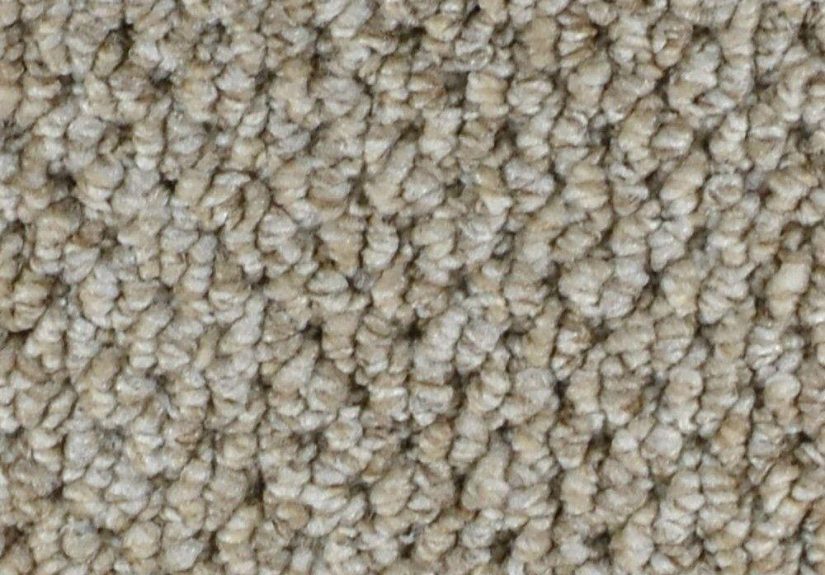
With loop carpet, the construction creates tiny rises and recesses. That texture gives the floor depth, but it also means the same color can appear lighter in one angle and darker in another. A warm ivory can look creamy in daylight and more oatmeal-toned at night. A soft gray can suddenly reveal taupe undertones once your lamp turns on. This is not your carpet being dramatic. It is just doing textured-floor things.
Lighting Is the Secret Co-Designer
Natural light, bulb temperature, and even window direction can shift the look of carpet color. North-facing rooms often make colors feel cooler. South-facing rooms tend to warm them up. Rooms with lots of sun can make pale carpet look airy and expansive, while dim rooms may need a warmer tone to keep the space from feeling flat. This is why one of the safest rules in flooring is simple: never judge a carpet color under showroom lighting alone.
Undertones Matter More Than the Label
“Beige” is not one thing. It might lean yellow, pink, green, gray, or brown. The same goes for ivory, greige, taupe, mushroom, sand, and stone. On loop carpet, undertones become even more noticeable because the surface is textured and often multitone. If your walls, cabinetry, or upholstery fight those undertones, the whole room can feel off even if the carpet is expensive and technically beautiful. Painfully relatable.
Best Stanton Loop Carpet Color Directions Right Now
1. Warm Neutrals That Feel Soft, Not Sleepy
If you want the safest and most versatile direction, start with warm neutrals. Think oatmeal, camel, flax, sand, almond, cashmere, oyster, and soft blonde. These shades work especially well on loop carpet because the texture keeps them from looking bland. Instead of reading like builder-grade beige, they can feel tailored, relaxed, and quietly upscale.
Warm neutrals are strong choices for living rooms, primary bedrooms, stairs, and open-plan homes where you want continuity. They pair beautifully with white walls, creamy trim, warm woods, linen upholstery, black accents, and natural materials like rattan or oak. They also help a room feel larger without giving off that too-cold, too-sterile vibe that some pale grays now bring with them.
2. Greige and Stone for a More Tailored Look
If your home leans modern, transitional, or slightly more architectural, a greige or stony neutral can be a sweet spot. These tones blend gray and beige in a way that feels refined rather than trendy. On Stanton-style loop constructions, a stone or flint-inspired shade often gains depth from the pile and looks more custom than a plain solid carpet.
This color family works best when the room already includes cooler notes such as brushed nickel, charcoal, soft black, weathered wood, blue-gray paint, or crisp white walls. The trick is to make sure the carpet still has enough warmth to feel inviting. A too-cool gray under warm beige furniture is the flooring equivalent of wearing two different shoes on purpose and pretending it was a style choice.
3. Nature-Inspired Tones for Character
Stanton loop carpet also shines in colors that feel grounded in nature: sage, sea-glass blue, clay, rosewood, moss, and layered mineral tones. These shades are not for every room, but when used well, they create the kind of interior people describe with suspiciously emotional phrases like “it just feels expensive.”
Muted blues and greens work especially well in bedrooms, studies, and rooms with lots of natural light. Earthier reds and rose-browns can be gorgeous in dens, libraries, and stair runners. The key is restraint. Loop texture already brings visual interest, so color should complement that texture rather than wrestle it to the floor.
How to Choose the Right Stanton Loop Carpet Color by Room
Living Room
For a main living area, choose a color that balances design and practicality. Mid-tone neutrals usually win. They hide daily life better than very light or very dark shades, and they are flexible if your furniture changes later. A warm greige, oat, or textured sand is often the sweet spot for a space that needs to look polished without requiring a daily emotional support vacuum.
Bedroom
Bedrooms are where you can lean softer, warmer, and slightly lighter. Cloudy ivories, creamy taupes, and subtle stone tones can make the room feel calm and cocooning. Patterned or multi-level loop styles are also strong here because they add visual softness without becoming loud.
Stairs and Hallways
High-traffic areas need smarter color choices. Go for tones with variation, flecks, or pattern. These do a much better job disguising everyday soil and wear than flat, uniform shades. A loop carpet in a medium neutral with tonal movement often performs better visually over time than a very pale solid.
Home Office
A home office can handle slightly cooler neutrals or subtle color because the room is often smaller and more controlled. A soft gray-beige, muted blue-gray, or tailored oatmeal can create focus while still feeling residential. Avoid anything too dark unless the room has great natural light.
Family Spaces With Pets or Kids
Color strategy matters here. Mid-spectrum colors and multitone looks are usually easiest to live with. Very white carpet shows everything. Very dark carpet also shows everything, just in a more dramatic, “apparently the dog sheds enough to build a second dog” way. If you have pets with claws, pay special attention to loop size and density, because some loop styles are more vulnerable to snagging than cut piles.
Performance Matters: Beauty Is Nice, but So Is Surviving Tuesday
When you are doing a follow-up on Stanton loop carpet color, do not stop at shade names. Fiber and construction affect how that color behaves in real life. Wool loop carpet offers beautiful texture, natural resilience, and a luxe feel, but it is still a premium material that benefits from the right setting and care. Nylon tends to be a strong choice for busy households because it is durable and resilient. Polypropylene and related performance fibers can be useful in certain casual or indoor-outdoor applications because they resist moisture well.
Loop pile itself is often appreciated for appearance retention in high-traffic areas, especially when the construction is low and dense. That said, not every loop carpet is ideal for every home. Some pet owners prefer cut pile because claws can catch in loops. So yes, the pretty swatch must also survive your actual lifestyle, which may include shoes, toddlers, snacks, office chairs, and one mysteriously damp sock no one will claim.
The Smart Follow-Up Process Before You Order
Order Real Swatches
Do not rely on screen color. Ever. Stanton itself encourages sample review because online colors are only representative. A real swatch lets you see undertones, texture, and color variation in your actual room. Tape samples to the floor, look at them morning, noon, and evening, and compare them next to trim, paint, wood, and upholstery.
Use a Room Visualizer
If available, a visualizer can help narrow options quickly. It is not perfect, but it is useful for deciding whether you want a room to feel lighter, warmer, deeper, softer, or more contrast-driven. Think of it as a first date, not a marriage certificate.
Test Against Your Largest Surfaces
Your carpet color should relate to the biggest visual players in the room: walls, sofa, bed, cabinetry, and wood tones. If the carpet disappears entirely, the room may feel bland. If it competes with everything, the floor steals the spotlight and not in a fun Broadway way. Aim for coordination, not camouflage.
Check the Transition Between Rooms
If the carpet connects multiple spaces, walk through the whole sightline. A color that works beautifully in a bedroom may feel too yellow in the hall or too cool next to a neighboring room with warm hardwood. Continuity matters more than isolated perfection.
Common Mistakes People Make With Stanton Loop Carpet Color
- Choosing the lightest sample because it looked luxurious in a photo, then discovering it is a full-time dust historian.
- Ignoring undertones and matching only by general color family.
- Testing the sample against a wall but not against the sofa, trim, or wood floor nearby.
- Forgetting that loop texture can make colors appear richer and more shadowed once installed.
- Picking a beautiful loop style for a pet-heavy home without thinking about potential snagging.
- Assuming trendy gray is still the universal answer. Sometimes it is. Sometimes it absolutely is not.
Final Thoughts on Following Up a Stanton Loop Carpet Color Decision
The best Stanton loop carpet color is not simply the prettiest swatch. It is the one that works with your room’s light, your furniture, your traffic pattern, your maintenance tolerance, and the mood you want the space to carry every day. Warm neutrals remain the easiest win for most homes, greige and stone tones create a more tailored look, and muted nature-inspired shades add personality when the room can support them.
If you are in the follow-up phase, you are actually in the power phase. This is where good rooms become great ones. Order the samples, study the undertones, trust the room more than the catalog, and remember that loop carpet is meant to bring depth and comfort, not buyer’s remorse. When the right Stanton color lands, the whole room settles into place like it has been waiting for that floor all along.
Extended Experience: What People Often Learn After Living With Stanton Loop Carpet Color
One of the most useful experiences homeowners report after installing a Stanton loop carpet is that color rarely behaves the way they expected on day one. A sample that seemed almost boring in the store often becomes the most sophisticated choice once it covers the whole room. That is especially true with loop constructions, because texture gives the floor movement. A warm oatmeal or soft stone can end up looking custom, layered, and expensive simply because the loops catch light differently throughout the day.
Another common experience is that the “safe neutral” choice turns out to be smarter than the dramatic one. People often start the process wanting a bold gray, a very pale ivory, or a strong patterned contrast. Then real life enters the chat. The room has different light at 8 a.m. than it does at 7 p.m. The dog appears. The kids arrive with crackers. Someone wears black socks on a pale floor. Suddenly the slightly deeper, more varied neutral looks less like a compromise and more like genius.
Many homeowners also discover that Stanton loop carpet can change how the rest of the room reads. A warmer carpet can make white walls feel softer and less stark. A cooler greige can sharpen the look of dark trim or black-framed furniture. A textured neutral under a linen sofa can make the entire room feel more collected and intentional. In that sense, the carpet is not just a background element. It becomes part of the color architecture of the room.
There is also a practical side to the experience. People who choose a loop style with tonal variation often say the carpet wears visually better over time. It does not mean the carpet never gets dirtybecause that would be a fairy talebut it does mean dust, lint, and ordinary traffic marks are less obvious than they would be on a flat, uniform surface. This is why so many experienced shoppers end up favoring colors in the middle of the spectrum: not too light, not too dark, and not so solid that every footprint gets its own announcement.
A final lesson people mention is that follow-up decisions are usually where satisfaction is won or lost. The first round is emotional: “I love this look.” The second round is practical: “Will I still love this in November, during rain, with lamps on, after guests, and next to my actual furniture?” The homeowners who take time to review swatches in the room, compare morning and evening light, and think honestly about daily wear are usually the happiest later. Their carpet does not just look good in theory. It works in reality. And that, in flooring terms, is about as close as you get to romance.