Table of Contents >> Show >> Hide
- What It Is (And Why People Keep Falling for It)
- Meet the Collaborators: Linen Minimalism Meets Cat-Culture Design
- Why Linen Is Such a Smart Choice for a Mat Like This
- So… What Does “Kanta Print” Mean Here?
- Where It Works Best: Practical Uses (That Don’t Look Like a Compromise)
- How to Style It Without Overthinking (Because That’s the Point)
- Care & Cleaning: Keep It Nice Without Making It Your Whole Personality
- Buying & Setup Tips: How to Know It’ll Fit Your Life
- Sustainability & Longevity: The “Buy Once, Enjoy Forever” Energy
- Final Thoughts: A Small Mat That Changes the Feel of a Space
- Extra: Real-Life Experiences with the Fog Linen Work × Orneko Kanta Print Mat (500+ Words)
Some home goods try way too hard. They show up with a lot of “Look at me!” energy, then you spend the next six months
trying to figure out where they live without offending your furniture. The Fog Linen Work × Orneko Kanta Print Mat
is the opposite: it’s a small, thoughtfully made piece that quietly makes your everyday routines feel more put-together
like your table suddenly started listening to jazz and journaling.
This mat sits right at the intersection of Japanese practicality and cat-world charm. It’s linen, it’s padded,
it’s tassel-ed, and it’s printed in a way that brings color without turning your room into a circus (unless your cat is already
the circus, in which case: no judgment). Whether you use it as a placemat, a pet feeding mat, a landing pad for keys, or a
tiny stage for your morning coffee ritual, it’s one of those items that earns its keepquietly, daily, and with excellent posture.
What It Is (And Why People Keep Falling for It)
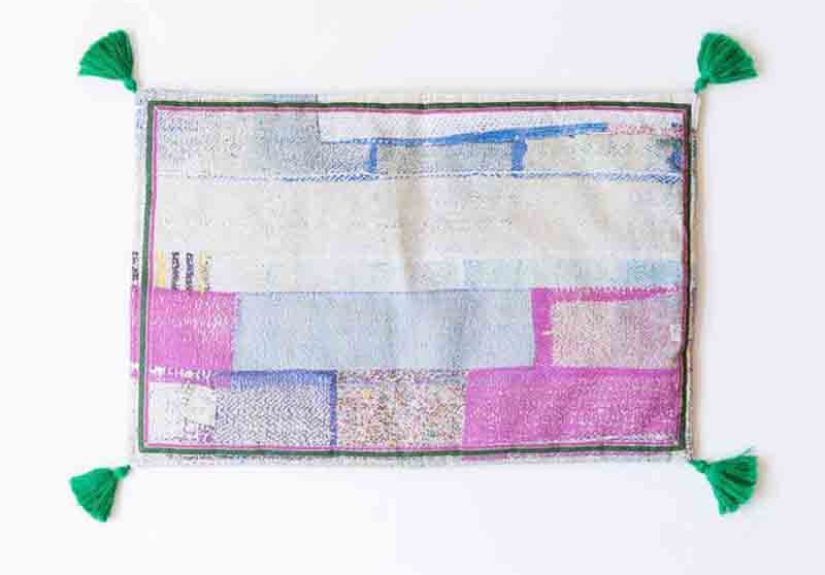
Let’s start with the basics. The Fog Linen Work × Orneko Kanta Print Mat is a compact, padded linen mat designed to be
functional and nice to look attwo traits that rarely share an apartment without arguing. It’s sized to be useful on
a tabletop or on the floor (depending on whether your household is run by humans or cats). The construction balances a
natural linen exterior with a bit of structure and comfort, which is exactly what you want from something that’s going to
catch crumbs, hold bowls, or cushion whatever precious object you’re setting down “just for a second.”
Quick Snapshot: Materials & Build
- Exterior: 100% linen (Fog Linen Work)
- Filling: polyester (gives the mat its soft, padded feel)
- Tassel detail: cotton (a playful finishing touch that also signals, “Yes, a designer looked at this.”)
- Made with global production: linen mat produced in Lithuania; tassel produced in China
That mix matters. Linen gives you that breathable, textured, “I belong in a calm home” vibe. The polyester fill makes it
feel more like a mat than a napkin pretending to be furniture. And the tassel is the winkbecause serious design can still
have a sense of humor.
Meet the Collaborators: Linen Minimalism Meets Cat-Culture Design
Fog Linen Work: Everyday Linen with an International Backstory
Fog Linen Work is known for linen goods that feel simple, durable, and quietly elevatedtable linens, kitchen textiles,
and the kind of daily-use pieces that get better the more you actually use them. The brand’s origin story is rooted in
a search for affordable, practical linens and a pivotal connection to Lithuania, where flax and linen production have a
deep history. That Lithuanian sourcing is one reason Fog pieces often have that “honest textile” feelsubstantial, not fussy,
and ready to work for a living.
If you’ve ever picked up a linen product and thought, “This is too pretty to use,” Fog Linen Work is the antidote. It’s pretty
because you can use itdaily, without stress, without ceremony, without treating your kitchen like a museum gift shop.
Orneko: Design-Forward Cat Life (That Still Looks Great to Humans)
Orneko sits in a delightful niche: cat accessories designed with the same seriousness as furniture and decor. Think of it as
“objects for cats that don’t require you to apologize to your living room.” The collaboration context is important here because
the Kanta Print Mat lives in both worlds. It’s a cat-adjacent product that doesn’t scream “pet item,” which is exactly what many
design lovers wantespecially if the cat has already claimed your best chair.
In other words: this mat isn’t trying to be cute. It’s trying to be good. The cute just happens naturally… like a cat pretending
it “accidentally” sat in the perfect sunbeam.
Why Linen Is Such a Smart Choice for a Mat Like This
Linen is made from flax, and it’s been prized for ages because it’s strong, breathable, and naturally textured. For a mat that’s
likely to deal with crumbs, water drips, coffee rings, pet bowls, and the occasional mystery smudge (we all have themdon’t
make eye contact with the mystery smudge), linen makes sense.
Linen’s Superpowers in Real Life
- Durability: Linen is known for strength and longevitygreat for items that get daily wear.
- Moisture management: Linen handles moisture well and tends to dry relatively quickly compared to many fabrics.
- Texture that hides reality: Linen’s natural weave and relaxed look are forgiving. It doesn’t demand perfection.
- Gets better over time: Many linen items soften with use, which is the kind of personal growth we can all respect.
That “forgiving” part is underrated. A mat is not a show pony; it’s a working animal. Linen is the material equivalent of a
friend who shows up early, helps you move, and doesn’t bring up that one embarrassing story from 2017.
So… What Does “Kanta Print” Mean Here?
“Kanta” in this context reads like a nod to the look and feel of stitched, patchwork-inspired textilesthose rhythmic lines and
playful patterning that make everyday fabric feel more special. Importantly, this is a print mat, so the visual
effect is part of the charm: it references handcrafted textile energy without demanding that you treat it like a fragile heirloom.
The result is a mat that feels layered and livelymore personality than a plain neutral, but still easy to style. It’s the kind
of pattern that looks intentional next to ceramics, wood, stoneware, or a simple bowl of oranges that you bought solely to
pretend you’re the kind of person who keeps oranges around.
Where It Works Best: Practical Uses (That Don’t Look Like a Compromise)
1) As a Placemat That Actually Protects Your Table
The padded structure is clutch here. It helps buffer heat, reduces clatter, and gives plates and bowls a stable, slightly cushioned
landing. If your table is easily scratchedor you’re renting and trying to keep your security deposit from escapingthis is a
small upgrade that earns instant respect.
2) As a Pet Feeding Mat That Doesn’t Ruin the Room
For cat households, the mat makes a stylish base for food and water bowls. It defines a “feeding zone” while adding softness and
grip. And because it doesn’t look like a typical pet accessory, it won’t visually fight with your decor. If your cat is the CEO of
your home, this is basically corporate branding.
3) As a Catch-All Pad for the “Drop Zone”
Entry tables and kitchen counters become chaos magnets: keys, mail, sunglasses, loose change, that one pen that never writes.
A mat creates a boundaryand boundaries are how we keep civilization alive. Toss your daily clutter on the mat, and suddenly it
looks curated instead of accidental.
4) As a Coffee/Tea Ritual Upgrade
Put it under a mug, a small pot, and a pastry plate, and it turns your morning into a tiny ceremony. It’s not about pretending
life is perfect. It’s about making your coffee corner feel like it belongs to someone who has their life mostly together,
which is the highest possible standard.
How to Style It Without Overthinking (Because That’s the Point)
The easiest styling trick is contrast: let the mat bring pattern while everything else stays calm. Pair it with stoneware, clear
glass, and natural wood. If your space leans minimalist, the mat acts like a small burst of personality. If your space already has
color, the mat becomes a connectoranother layer that makes the room feel lived-in and intentional.
Three Styling Pairings That Work
- Neutral ceramics + the mat: Let the print do the talking while plates stay matte and simple.
- Wood tones + linen textures: Natural materials love each other. It’s basically their group chat.
- Black accents + soft color: A dark mug or tray makes the print feel crisp and modern.
Also: don’t be afraid to rotate it. Use it as a placemat one week, then move it to your bedside table as a soft landing zone for
glasses and phone chargers. A good home object should be flexiblelike your cat, who can nap anywhere and still look like they
pay rent.
Care & Cleaning: Keep It Nice Without Making It Your Whole Personality
Linen is friendly, but it does prefer a gentle approach. The good news: caring for a mat is usually easier than caring for a
white sofa (and less emotionally damaging).
Day-to-Day Maintenance
- Shake it out regularly: crumbs and debris are easier to remove before they settle in.
- Spot-clean quickly: blot spills instead of rubbing (rubbing just auditions the stain for a permanent role).
- Let it dry fully: linen appreciates airflow and a chance to return to its calm, capable self.
If You Need a Deeper Clean
Most linen care guidance points toward cool or lukewarm water, mild detergent, and avoiding high heat. A gentle cycle and air
drying (or very low heat) are typically the safest route for preserving fibers and minimizing shrinkage. If you’ve used other
linen placemats before, you’ll recognize the pattern: linen rewards kindness and punishes scorching temperatures with dramatic
shrinkage and wrinklinglike a tiny fabric diva, but in a classy way.
One smart habit: if you’re unsure, test-clean a small area first and let it dry. That simple step can save you from the special
kind of regret that comes from realizing your mat is now a coaster.
Buying & Setup Tips: How to Know It’ll Fit Your Life
Before you buy, think about how you’ll actually use itbecause “I’ll use it for elegant dinners” is often code for “I’ll use it
as a snack station while standing over the sink.”
Checklist
- Measure your space: Make sure the mat fits the bowls, plates, or surface you have in mind.
- Decide the job: placemat, pet mat, drop zone, coffee cornerknowing the job helps you place it well.
- Plan for real life: if you have pets or kids, pick a spot that’s easy to shake out and clean.
The win here is versatility: the mat is small enough to move around easily, but substantial enough to feel like a “real” home
object, not a flimsy accessory. It’s a functional piece with design credibilitylike the friend who can do taxes and also throw
a good dinner party.
Sustainability & Longevity: The “Buy Once, Enjoy Forever” Energy
Linen is often celebrated as a durable natural fiber, and the more you use it, the more sense it makes as a long-term choice.
A good linen piece doesn’t need to be replaced constantly; it tends to age with character. And when a product is designed for
daily use (not just display), it’s more likely to stay in your homeand out of the “why did I buy this?” donation pile.
The most sustainable item is the one you keep using. A mat that can shift rolestable, floor, drop zone, pet cornerhas a
better chance of becoming part of your routine instead of becoming clutter.
Final Thoughts: A Small Mat That Changes the Feel of a Space
The Fog Linen Work × Orneko Kanta Print Mat is the kind of product that makes sense once you live with it.
It adds softness, defines spaces, and brings a little color and textile personality to the corners of your home that usually get
ignored. It’s practical enough for daily mess, pretty enough for daily joy, and flexible enough to keep up with the way real
people (and real cats) actually live.
If you like home objects that do their job without shoutingand if you prefer pet-friendly design that doesn’t look like it came
from the “pet aisle aesthetic dungeon”this mat is worth a serious look.
Extra: Real-Life Experiences with the Fog Linen Work × Orneko Kanta Print Mat (500+ Words)
The first thing I noticed wasn’t the print. It was the soundor, more accurately, the lack of sound. I set a ceramic bowl down
on the mat and didn’t get that sharp clink that usually announces “hello, I am fragile and expensive.” The padding takes the
edge off everyday life in a way that feels oddly luxurious, like your countertop suddenly learned manners.
I started using it as a pet feeding mat because that felt like its most obvious “home run” job. My cat immediately approved,
which is impressive because my cat disapproves of most things, including oxygen. The mat created a defined feeding area, so the
bowls stopped migrating across the floor like they were exploring the apartment for better rent prices. A few days in, I realized
the real magic: the mat made the pet corner look intentional. Not “we put the bowls here because we gave up,” but “this is a
curated zone where hydration happens.”
Then came the spill testbecause spills are not an “if,” they’re a “when,” and sometimes they’re a “how did that happen?” A
splash of water, a little kibble dust, and one suspicious smudge later, the mat still looked good. Linen’s texture is forgiving,
and the print helps camouflage small daily messes. I shook it out over the sink like a tiny rug, and it felt satisfying in a way
I can’t fully explain. Maybe I just enjoy watching crumbs leave my life.
Midweek, I moved it to the kitchen counter for my coffee setup. This is where the mat became dangerously charming. It made my
morning routine feel like a ritual instead of a sprint. Mug, spoon, a small plate for toastsuddenly I looked like someone who
intentionally “sets” things down rather than someone who drops them while checking email. The tassel detail also became a
running joke in the house because, yes, my cat tried to bop it like it was a toy. Fortunately, the tassel is more “cute accent”
than “giant dangling temptation,” so it didn’t turn into a full-time wrestling match.
By the weekend, the mat was living at the entry table as a drop zone. Keys, hand cream, sunglasses, and the daily mail pile all
looked better when corralled by a designated surface. That’s the underrated power of a mat: it creates a visual boundary, and
boundaries are basically interior design therapy. Even clutter can look composed when it has a home base.
The biggest surprise was how often I moved it around. It’s light enough to relocate without thinking, but substantial enough to
feel like it belongs wherever it lands. That flexibility made it feel like a “useful luxury”not a precious object you’re afraid
to touch, but a well-made tool that happens to be attractive. In the end, that’s why this collaboration works: it’s designed for
real life. Real life with bowls, crumbs, coffee rings, keys, and cats who will absolutely sit on the one thing you just tried to
straighten. And somehow, with the Kanta Print Mat in the mix, even that chaos looks a little more intentional.