Table of Contents >> Show >> Hide
Some home accessories scream for attention. Others quietly win the room. A flax lamp extension cord belongs in the second camp. It is not flashy in the neon-sign sense. It is flashy in the “wait, why does that cord look so good?” sense. And honestly, that is a rare achievement for anything whose usual career path involves hiding behind a nightstand and collecting dust bunnies.
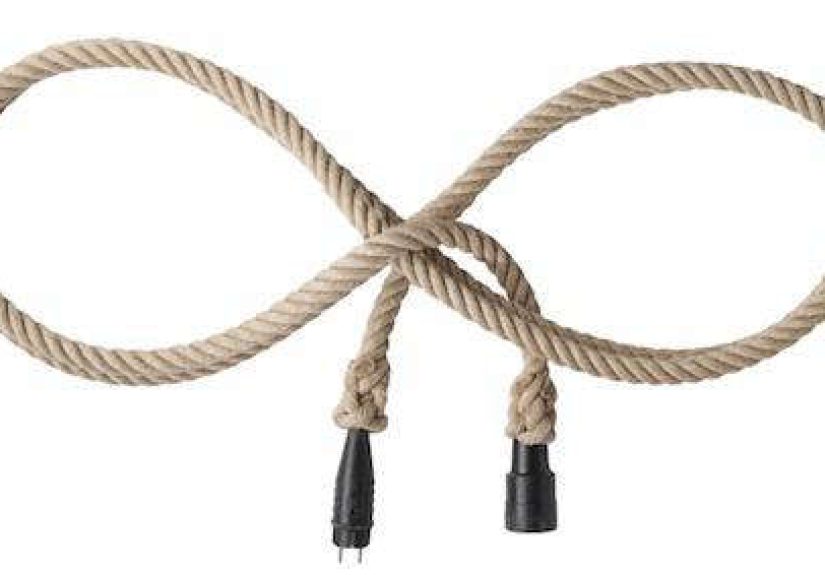
The phrase “Flax Lamp Extension Cord” has a design-world pedigree, but it also points to a broader idea that has become increasingly relevant in modern interiors: making utility look intentional. Instead of treating a power cord like an embarrassing relative you only acknowledge at holidays, this approach turns it into part of the visual story. Think braided texture, warm natural color, softer lines, and a more furniture-friendly presence than the standard black plastic snake slithering across your floor.
That said, style should never outrun safety. A beautiful cord still needs to behave like a safe indoor electrical product, not like a decorative dare. So if you are researching a flax lamp extension cord for a bedroom, reading nook, living room corner, studio, or plug-in pendant setup, this guide walks through what it is, why people love it, how to choose one, and when to skip it in favor of a better option.
What Is a Flax Lamp Extension Cord?
At its simplest, a flax lamp extension cord is an extension cord or lamp cord designed to look softer, more natural, and more decorative than a standard utility cord. Sometimes “flax” refers to the actual plant-based fiber or rope-inspired look. In other cases, it describes the color palette: linen, oat, sand, wheat, natural beige, or undyed textile tones. The result is a cord that blends with calm interiors instead of fighting them.
In design circles, the phrase is often associated with rope-like or textile-wrapped lighting products that make the cord visible on purpose. That is a big shift from older decorating advice, where every wire had to be hidden as if it were evidence. Today, visible cords can work beautifully when they have the right texture, length, and finish. A flax-toned cord especially fits interiors that lean Scandinavian, organic modern, Japandi, coastal, rustic, vintage, or soft minimalist.
In practical shopping terms, you will usually see this concept show up as one of the following:
1. A cloth-covered lamp cord
This is often used for table lamps, floor lamps, plug-in sconces, or pendant kits. The textile sleeve gives the cord a warmer, less industrial look.
2. A decorative extension cord
This is closer to a traditional extension cord, but with a braided or fabric-covered exterior intended for indoor rooms where the cord may remain visible.
3. A flax-colored or linen-colored electrical cord
Sometimes the cord is not literally made of flax. It simply borrows the visual language of flax: earthy, woven, natural, and understated.
Why People Love the Look
Let’s be honest: most cords have the charisma of a tax form. A flax lamp extension cord changes that by turning a necessary object into a design detail. That matters more than it sounds. When a room is calm and curated, a cheap-looking cord can feel like the visual equivalent of a ringtone going off during a piano recital.
Here is why the style works so well:
It softens the room
Plastic cords often create a hard visual line. A flax-style cord feels gentler. The woven or cloth-covered surface introduces texture, which helps it relate to rugs, baskets, curtains, wood grain, and upholstery.
It makes visible lighting look intentional
Plug-in sconces, swag lamps, hanging pendants, and reading lights often require a visible drop from outlet to fixture. Instead of pretending that cord does not exist, a decorative cord makes it part of the setup.
It works with neutral palettes
If your room uses creams, beiges, warm whites, pale woods, and soft browns, a flax extension cord visually disappears better than stark black or bright white.
It adds a custom feel
Even a simple lamp can look more expensive when paired with a cord that feels considered. It is the small-detail effect. Like switching from a flimsy paper napkin to linen at dinner, the function is the same, but the vibe gets promoted.
Safety Comes First, Even When the Cord Is Pretty
Here is the part where we save your lamp setup from becoming a terrible story that starts with, “So I thought it would be fine…” A decorative cord is still an electrical product, which means it has to be chosen and used like one.
Choose a cord rated for the job
If you are using the cord for a lamp, the load is usually modest, but you still want a cord that is rated for indoor electrical use and appropriate for the wattage of the lamp. Match the cord’s rating to the product requirements. Do not guess. Electricity tends to be rude about that.
Look for recognized safety testing
A beautiful woven finish does not replace product testing. Choose a cord that is listed or certified by a recognized safety lab and clearly labeled for indoor use. Decorative does not mean exempt.
Pay attention to gauge and length
Longer cords create more resistance, so shorter is generally better when possible. For a small lamp, you do not need a giant contractor-grade cord, but you also do not want the flimsiest option in the universe. The safest choice is a cord with an appropriate gauge for the device and enough length to reach naturally without stretching, pinching, or daisy-chaining.
Do not use it as permanent wiring
An extension cord is for flexible access to power, not for replacing proper outlet placement forever. If you have lived with a cord crossing the same doorway since the previous presidential administration, that is no longer a temporary solution. That is a cry for an electrician.
Never run it under rugs, through walls, or under doors
This is one of the biggest mistakes in real homes. People want the cord out of sight, so they tuck it under a rug or route it through a pinch point. Unfortunately, hidden heat and physical damage are a bad combination. If a cord must be visible, make it visible intelligently with cord covers, routing clips, or furniture placement.
Keep it away from heat, moisture, and heavy traffic
A flax lamp extension cord belongs in dry indoor spaces. It is not a patio hero, not a bathroom adventurer, and definitely not a “let’s see what happens behind the radiator” experiment.
Inspect it regularly
Textile-covered cords can look charmingly old-world, but that does not mean they should be allowed to become actually old and world-weary. Check for fraying, loose plugs, bent prongs, worn insulation, or damaged fabric. If it looks compromised, retire it.
How to Choose the Right Flax Lamp Extension Cord
Shopping for one of these cords is part electrical decision, part styling decision, and part not-getting-tricked-by-beautiful-product-photos decision.
Pick the right material look
Some cords are truly cloth-covered. Others imitate flax with braided polyester, cotton blends, or linen-look sleeves. For most buyers, what matters is the finish: matte, textured, natural-looking, and not shiny in that “discount office supply aisle” way.
Choose a color that works with your room
Flax is not one exact color. It can range from pale oatmeal to sandy beige to warm straw. In bright rooms, lighter flax tones disappear beautifully. In moodier rooms, a slightly deeper taupe or brown-beige may look richer and less washed out.
Consider the plug shape
A flat plug can be a lifesaver behind a sofa, dresser, or bed. A standard plug may stick out more but can be easier to grip. Neither is universally better; it depends on where your outlet lives and whether your furniture enjoys sitting directly against walls like a determined cat.
Think about outlet count
If the cord is only for one lamp, a single-outlet extension may keep the setup cleaner. If you are styling a reading corner with a lamp and a phone charger, a tasteful multi-outlet solution might make more sense. Just avoid turning one cute lamp cord into a full-blown charging octopus.
Check the lamp itself
Not every lamp needs an extension cord. Sometimes replacing the original lamp cord with a longer cloth-covered lamp cord is the neater solution. In other situations, especially rentals or temporary layouts, a matching decorative extension cord is easier and smarter.
Best Places to Use One
Beside a bed
A flax cord looks especially good with wood nightstands, linen bedding, ceramic lamps, and soft neutral walls. If the outlet is tucked awkwardly behind furniture, a flat plug version can make the whole arrangement cleaner.
In a reading corner
Floor lamps often land in the exact place where outlets do not. A decorative extension cord can bridge the gap without making the room feel improvised.
For plug-in sconces
When the cord runs visibly down the wall, appearance matters. A flax or linen-style cord can feel architectural rather than accidental.
For swag pendants and plug-in hanging lights
This is where decorative cords really shine. In many plug-in pendant setups, the cord is a central visual element, so upgrading the cord can change the whole look of the fixture.
When Not to Use a Flax Lamp Extension Cord
Lovely as it may be, this type of cord is not the answer to every electrical challenge.
Skip it if you need outdoor power, heavy-duty appliance support, workshop durability, or a permanent whole-room fix. Also think twice in homes with teething pets, aggressive vacuum cleaners, or toddlers who view dangling cords as a personal invitation. In those cases, cord covers, higher routing, or hardwired lighting may be the better long-term move.
Real-Life Experiences With a Flax Lamp Extension Cord
One reason this topic keeps popping up in design conversations is that a flax lamp extension cord changes a room in a surprisingly human way. People usually do not shop for one because they woke up with a burning passion for electrical accessories. They shop for one because something in the room feels unfinished. The lamp is right, the chair is right, the wall color is right, and then there is that sad, obvious cord ruining the illusion like a stagehand wandering into the scene.
A common experience is discovering that a decorative cord solves both a practical problem and an emotional one. The practical issue is simple: the outlet is not where you need it. The emotional issue is more interesting: visible clutter makes a room feel less calm. When someone swaps in a flax-toned cord, the room often feels quieter even though nothing dramatic has changed. The cord is still there. It just no longer shouts.
Another frequent experience is realizing how much texture matters. In homes with wood furniture, woven shades, linen drapes, boucle upholstery, or handmade ceramics, a standard plastic cord can feel oddly harsh. A flax-style cord tends to blend in with the material language of the room. People often describe the effect as warmer, softer, more intentional, or simply less annoying. That last one may not sound poetic, but it is incredibly useful in real decorating.
There is also the renter experience. Renters often rely on plug-in sconces, floor lamps, and pendant lights because rewiring is not an option. A flax lamp extension cord can make those flexible lighting choices look more built-in and less temporary. It is one of those small upgrades that gives a “this will do for now” solution a “yes, I meant to do that” finish.
Then there is the learning curve. Many people start with appearance first and only later realize that cord length, plug orientation, safety listing, and route planning matter just as much as color. They buy a gorgeous cord, bring it home, and discover the plug collides with the back of the dresser, the length is awkward, or the outlet placement turns the whole thing into a tripping hazard. The better experience happens when the decorative choice is paired with basic electrical common sense. That is when the cord stops being a compromise and starts being a smart design tool.
Some of the best experiences come from rooms where the cord is meant to be seen. A plug-in pendant over a reading chair, a wall sconce above a bedside table, or a swag light in a dark corner can all benefit from a cord that feels deliberate. In those spaces, the flax cord is not hiding. It is participating. It adds line, texture, and warmth. It can even make a budget lamp look more custom than it has any right to.
Of course, not every experience is magical. Sometimes the takeaway is simply that the cord looked beautiful online and underwhelming in person. Sometimes the texture attracts more dust than expected. Sometimes the “natural” shade clashes with a cooler paint color. But even those minor disappointments tend to teach the same lesson: with visible cords, detail matters. Tone matters. Placement matters. Safety matters most.
In everyday use, the best flax lamp extension cord experience is almost invisible in the psychological sense. You stop noticing what used to bother you. The lamp sits where it should. The outlet is no longer dictating the furniture plan. The room feels calmer. And the cord, instead of looking like a last-minute problem, looks like it has been part of the design all along. That is a small victory, sure. But in home design, small victories are often the ones you live with every single day.
Final Thoughts
A flax lamp extension cord may sound like an absurdly specific thing to care about, right up until you see what a difference it makes in a finished room. It is part utility, part styling trick, and part reminder that the details most people ignore are often the details that separate a room that works from a room that feels complete.
The best version balances beauty and common sense. Choose one that looks natural, suits your lamp setup, fits your room, and meets real indoor electrical safety expectations. Use it where it makes sense. Skip it where it does not. And remember: a cord does not have to be invisible to be attractive. It just has to stop behaving like the visual equivalent of a typo.