Table of Contents >> Show >> Hide
- What Is Ferulic Acid?
- Why Ferulic Acid Is Popular in Anti-Aging Skin Care
- Top Anti-Aging Benefits of Ferulic Acid for Skin
- Who Should Consider Using Ferulic Acid?
- How to Use Ferulic Acid in Your Skin-Care Routine
- How Long Does Ferulic Acid Take to Work?
- Possible Side Effects and Precautions
- How to Choose a Good Ferulic Acid Serum
- Ferulic Acid vs. Vitamin C: Which Is Better?
- Ferulic Acid and Sunscreen: The Anti-Aging Power Couple
- Common Mistakes When Using Ferulic Acid
- Realistic Experience: What Using Ferulic Acid May Feel Like
- Conclusion
Note: This article is for educational skin-care content only. It does not replace advice from a board-certified dermatologist, especially if you have eczema, rosacea, active irritation, allergies, or are using prescription treatments.
Ferulic acid may sound like something that belongs in a chemistry lab next to bubbling beakers and dramatic goggles, but in skin care, it is much friendlier than its name suggests. This plant-derived antioxidant has become a favorite in anti-aging routines because it helps protect skin from the daily chaos of sun exposure, pollution, and free radicals. In plain English: it works like a tiny bodyguard for your face.
The main keyword here is simple: ferulic acid for skin. But the real story is more exciting. Ferulic acid is often paired with vitamin C and vitamin E because it helps stabilize these antioxidants and improves their performance. That is why many brightening and anti-aging serums proudly list “C + E + ferulic” on the bottle as if it just won a skincare spelling bee.
Used consistently, ferulic acid can support a smoother-looking texture, help reduce the look of fine lines, defend against environmental damage, and improve the appearance of uneven tone. It is not a magic eraser, and it will not make you look like you slept eight hours if you actually slept three and answered emails in bed. But as part of a smart routine, it can absolutely earn its spot on the bathroom shelf.
What Is Ferulic Acid?
Ferulic acid is a naturally occurring antioxidant found in the cell walls of plants such as rice bran, oats, apples, oranges, and certain grains. In skin care, it is usually used in topical serums, creams, and antioxidant blends. Its job is to help neutralize free radicals, unstable molecules that can damage skin cells and contribute to visible signs of aging.
Free radicals are produced by everyday environmental stressors, including ultraviolet rays, air pollution, smoke, and even normal biological processes. When free radicals pile up, they can trigger oxidative stress. Over time, oxidative stress may contribute to dullness, uneven tone, fine lines, wrinkles, and loss of firmness. Think of it like rust on a bike left out in the rain. Your skin is not a bicycle, thankfully, but the idea is similar: protection matters.
Why Ferulic Acid Is Popular in Anti-Aging Skin Care
Ferulic acid is popular because it is a multitasker. It helps defend the skin against environmental damage, supports brighter-looking skin, and makes other antioxidants more reliable. It is especially famous for working with vitamin C and vitamin E, two ingredients already known for their skin-brightening and protective benefits.
One well-known antioxidant combination uses L-ascorbic acid, vitamin E, and ferulic acid. This type of formula is studied because vitamin C can be unstable when exposed to light, air, and heat. Ferulic acid helps improve stability, which means the formula is more likely to remain useful instead of turning into expensive orange water. Nobody wants luxury face juice with the lifespan of a sliced avocado.
Top Anti-Aging Benefits of Ferulic Acid for Skin
1. Helps Fight Free Radical Damage
The most important benefit of ferulic acid is antioxidant protection. By helping neutralize free radicals, ferulic acid supports the skin’s defense system against daily environmental stress. This matters because oxidative stress is closely connected to premature skin aging, especially when sun exposure is involved.
2. Supports a Brighter, More Even-Looking Complexion
Ferulic acid does not bleach the skin or work like a strong exfoliating peel. Instead, it helps reduce the appearance of dullness and uneven tone by protecting the skin from damage that can make discoloration look worse. When paired with vitamin C, it may be especially helpful for skin that looks tired, flat, or blotchy.
3. Helps Reduce the Look of Fine Lines
Fine lines are influenced by many things: age, genetics, facial expressions, hydration, collagen breakdown, and sun exposure. Ferulic acid helps by targeting environmental stress before it causes more visible damage. It will not freeze your forehead like a dramatic Instagram filter, but it may help skin look smoother and more resilient with consistent use.
4. Complements Sunscreen
This is important: ferulic acid is not sunscreen. It does not replace broad-spectrum SPF 30 or higher. Instead, it works well underneath sunscreen as an extra antioxidant layer. Sunscreen helps block or absorb UV rays; antioxidants help address some of the free radical activity that may still occur. Together, they make a much better team than either one alone.
5. Helps Stabilize Vitamin C and Vitamin E
Vitamin C is famous, but also famously fussy. Light, oxygen, and heat can make some vitamin C formulas degrade faster. Ferulic acid helps improve the stability of vitamin C and vitamin E, which is why the trio is so common in anti-aging serums. In skin-care terms, ferulic acid is the friend who actually remembers to bring the phone charger.
Who Should Consider Using Ferulic Acid?
Ferulic acid may be a good choice for adults who want to improve the look of early aging, dullness, sunspots, uneven skin tone, and environmental damage. It is often recommended for people building a preventive anti-aging routine rather than waiting for deeper lines and discoloration to settle in like unwanted houseguests.
It may be especially useful if you already use vitamin C in the morning and want a formula that offers better antioxidant support. People exposed to city pollution, frequent sun, or long days near windows may also appreciate a daily antioxidant serum. Yes, UVA rays can pass through glass, so your “I work indoors” argument may need a tiny update.
How to Use Ferulic Acid in Your Skin-Care Routine
Morning Routine
Ferulic acid is most commonly used in the morning because it helps defend skin during the day. A simple routine looks like this:
- Cleanse with a gentle face wash.
- Apply a ferulic acid serum or a vitamin C, vitamin E, and ferulic acid serum.
- Wait a minute or two for it to absorb.
- Apply moisturizer if needed.
- Finish with broad-spectrum SPF 30 or higher.
The sunscreen step is not optional. Using ferulic acid without sunscreen is like buying a fancy umbrella and then leaving it in the car during a rainstorm.
Evening Routine
You can use ferulic acid at night if the product instructions allow it, but many people save nighttime for retinoids, peptides, ceramides, or barrier-repair products. If your skin is sensitive, avoid starting ferulic acid, retinol, exfoliating acids, and a new cleanser all in the same week. Your skin barrier is not a contestant on a survival show.
How Long Does Ferulic Acid Take to Work?
Most people should give ferulic acid at least 8 to 12 weeks before judging results. Some may notice a fresher glow sooner, especially if the formula includes vitamin C. Improvements in tone, texture, and fine lines are usually gradual. Skin care is a marathon, not a microwave burrito.
Consistency is key. A serum used twice and then abandoned in a drawer cannot perform miracles. Apply it regularly, protect it from heat and sunlight, and keep the rest of your routine simple enough that your skin can actually cooperate.
Possible Side Effects and Precautions
Ferulic acid is generally well tolerated, but irritation can happen. Some formulas are acidic, especially when combined with L-ascorbic acid. Possible side effects include stinging, redness, dryness, itching, or breakouts. People with sensitive skin, rosacea, eczema, or a damaged barrier should patch test first.
To patch test, apply a small amount behind the ear or along the jawline for a few days before using it all over your face. If your skin reacts strongly, stop using the product. A mild tingle can be normal with some antioxidant serums, but burning, swelling, or persistent redness is your skin sending a very clear “absolutely not” email.
How to Choose a Good Ferulic Acid Serum
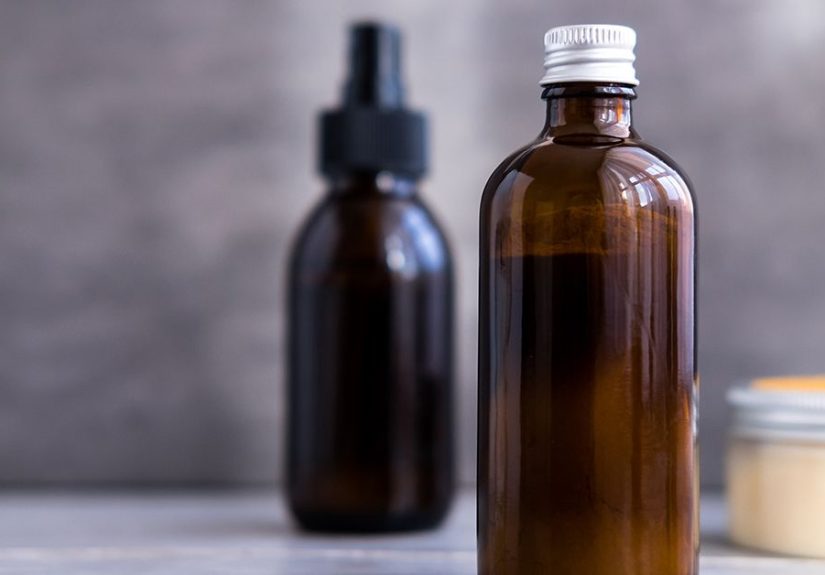
When shopping for a ferulic acid serum, look for smart packaging and a balanced formula. Dark or opaque bottles, air-tight pumps, and clear expiration guidance are all helpful. Antioxidants are sensitive, so packaging matters more than the font on the label, even if the font looks very expensive.
Ingredients That Pair Well With Ferulic Acid
- Vitamin C: Helps brighten the look of skin and supports collagen-related skin functions.
- Vitamin E: Adds antioxidant support and works well with vitamin C.
- Hyaluronic acid: Adds hydration and can make the formula feel more comfortable.
- Niacinamide: Supports the skin barrier and helps improve uneven tone.
- Ceramides: Help maintain a healthy moisture barrier.
What to Avoid
If you are irritation-prone, be careful with formulas that combine too many strong actives at once. A serum that contains vitamin C, exfoliating acids, fragrance, alcohol, and a “tingle means it’s working” attitude may be too much. Effective skin care should not feel like a dare.
Ferulic Acid vs. Vitamin C: Which Is Better?
Ferulic acid and vitamin C are not enemies. They are teammates. Vitamin C is often used to brighten, improve the look of dark spots, and support collagen-related pathways. Ferulic acid helps protect against oxidative stress and improves the stability of certain antioxidant formulas. Together, they can be more useful than either ingredient alone.
If your skin cannot tolerate L-ascorbic acid, you may prefer gentler vitamin C derivatives or a formula with lower strength. You can still benefit from ferulic acid in a more skin-friendly product. The best anti-aging serum is not always the strongest one; it is the one your skin can tolerate consistently.
Ferulic Acid and Sunscreen: The Anti-Aging Power Couple
If you remember only one thing from this article, make it this: ferulic acid supports sun protection, but sunscreen does the heavy lifting. Daily sun protection helps prevent early signs of skin aging such as wrinkles, dark spots, sagging, and rough texture. Ferulic acid adds antioxidant backup, making your morning routine more complete.
A practical routine is simple: antioxidant serum first, sunscreen last. Reapply sunscreen during outdoor exposure, especially if you are sweating or spending time in direct sunlight. Your future skin will appreciate the effort, even if your current self occasionally complains about the extra step.
Common Mistakes When Using Ferulic Acid
Using It Instead of Sunscreen
No antioxidant serum can replace SPF. Ferulic acid does not form a UV-blocking shield on the skin. Always use sunscreen during the day.
Expecting Overnight Results
Ferulic acid is preventive and supportive. It works gradually. If you expect your fine lines to disappear by Tuesday, your serum is going to feel unfairly pressured.
Ignoring Storage Instructions
Keep antioxidant serums away from direct sunlight and heat. If a vitamin C serum changes dramatically in color, smell, or texture, it may have oxidized.
Layering Too Many Actives
More is not always better. If your routine includes retinoids, exfoliating acids, benzoyl peroxide, and vitamin C, introduce products slowly and watch for irritation.
Realistic Experience: What Using Ferulic Acid May Feel Like
Adding ferulic acid to a routine often starts with curiosity. Maybe you notice your skin looks dull in photos, or your sunscreen habit has improved but those little brown spots still seem to be holding weekly meetings on your cheeks. You buy a serum, read the label, and wonder if three drops is enough or if your face requires a weather forecast. Start small. Most serums spread easily, and using more does not guarantee better results.
During the first week, the biggest change may be texture. A good ferulic acid serum should feel light, slightly tacky at most, and easy to layer under moisturizer and sunscreen. Some vitamin C and ferulic formulas have a faint metallic or warm scent. That does not automatically mean something is wrong. However, if the smell becomes sour, rancid, or strange, check the expiration date and storage conditions.
By weeks two to four, some people notice their skin looks a little brighter or less tired. This is usually subtle. It is the kind of change where you look in the mirror and think, “Did I sleep better, or is my face finally cooperating?” Friends may not throw a parade, but your concealer might start working less overtime.
Around weeks eight to twelve, the experience becomes easier to judge. Uneven tone may look softer. Skin may appear smoother and more polished. Fine lines caused by dehydration may look less obvious if the formula also includes hydrating ingredients. Deeper wrinkles will not vanish, but the overall complexion can look healthier and more awake.
The biggest lesson from real-world use is that ferulic acid performs best when the rest of the routine behaves. If you skip sunscreen, over-exfoliate, sleep in makeup, and treat moisturizer like an optional decorative object, results will be limited. Ferulic acid is a strong supporting actor, not the entire movie.
Another common experience is learning that expensive does not always mean perfect for your skin. Some luxury antioxidant serums are beautifully formulated, but a lower-cost product with stable packaging and compatible ingredients may work well too. The right serum should fit your skin type, budget, and tolerance level. Skin care should improve your life, not make you whisper apologies to your bank account.
If irritation happens, pause and simplify. Use a gentle cleanser, moisturizer, and sunscreen until your skin feels normal again. Then, if you want to retry, apply the serum every other morning instead of daily. Sensitive skin often prefers a slow introduction. The goal is steady improvement, not winning a race against your own face.
Conclusion
Ferulic acid is one of the most useful antioxidants in modern anti-aging skin care. It helps fight free radical damage, supports brighter-looking skin, improves the stability of vitamin C and vitamin E, and works beautifully under sunscreen. It is not a miracle cure, and it cannot replace SPF, but it can make a smart routine even smarter.
For best results, use ferulic acid consistently in the morning, store it properly, patch test if your skin is sensitive, and keep sunscreen as the final step. When paired with patience and daily sun protection, ferulic acid can help your skin look smoother, fresher, and more resilient. Basically, it is the quiet overachiever of the antioxidant worldand your skin may be very happy to meet it.