Table of Contents >> Show >> Hide
- Why Linen Still Wins the Cool-Kid Award
- Meet Lindsay Alker Textiles: New Traditional, Hand-Printed
- How Hand Printing Changes the Fabric Experience
- Designing with Lindsay Alker Textiles in Real Rooms
- Linens Beyond Upholstery: Bedding, Table, and Everyday Luxury
- Buying Designer Linen Fabric: What to Look For
- Experience-Based Lessons: of Real-World Linen Wisdom
- Conclusion
If you’ve ever run your hand across a beautiful linen and immediately started mentally redecorating your entire home
(bedroom included, budget excluded), welcome. You’re among friends. Linen has that “I have my life together” energy
even when it’s wrinkled. Actually, especially when it’s wrinkled. Wrinkles on linen aren’t a flaw; they’re a
lifestyle choice. And few brands lean into that confident, crafted look as elegantly as Lindsay Alker Textiles.
This guide is a deep dive into fabrics and linens through the lens of Lindsay Alker’s hand-printed worldwhere
tradition gets a fresh haircut, patterns look human (because they are), and “perfect” is politely shown the door.
We’ll talk fiber facts, design logic, real-room use cases, and the kind of care tips you’ll actually remember.
Why Linen Still Wins the Cool-Kid Award
Linen comes from flax, a plant that has been quietly outperforming most modern materials for a very long time.
It’s breathable, absorbent, and famously durableone reason linen shows up everywhere from summer shirts to
heirloom tablecloths to upholstery that survives real life (aka snacks, pets, and that one chair everyone sits in).
Linen vs. Cotton vs. “Mystery Fabric”
Cotton is the friendly neighbor of the textile world: soft, versatile, generally low drama. Linen is the stylish
cousin who travels, tells great stories, and doesn’t apologize for having opinions. Here’s the practical difference:
cotton often starts softer, while linen tends to get better with timesoftening as it’s washed and used.
Linen also has a distinct texture and a naturally “lived-in” drape. That’s why linen bedding feels relaxed rather
than shiny, and why linen drapery can make a room look tailored without feeling stiff. The trade-off? Linen wrinkles,
and it’s not here to stop. If you want crisp perfection 24/7, you’ll be happier with something elseor with a
personal butler and an industrial iron.
Meet Lindsay Alker Textiles: New Traditional, Hand-Printed
Lindsay Alker Textiles sits at the sweet spot between historic craft and modern interiors.
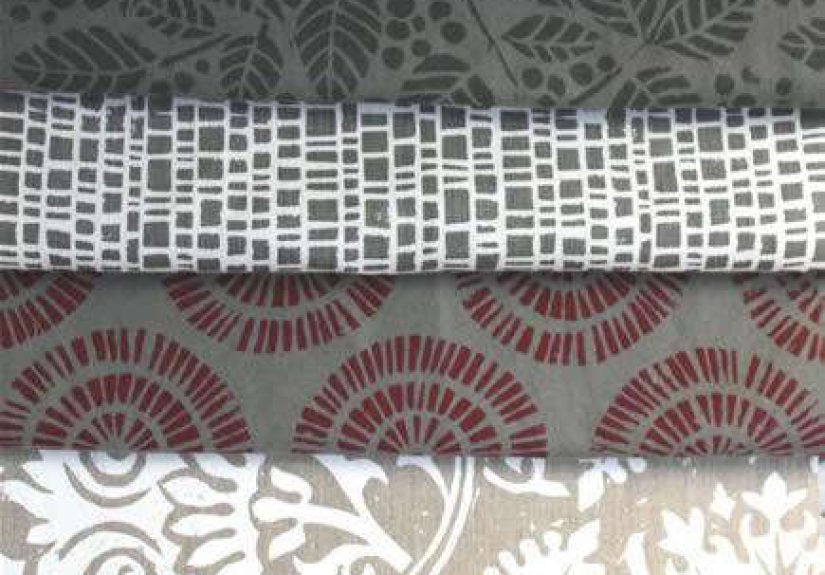
The brand is known for hand silkscreened linen and wallpapers with a “new traditional” point of view:
classic motifs and references, but with fresher geometry, bolder placement, and a sense that a real person made it.
Alker’s background spans both fashion and furnishing textiles, which matters because those two worlds train your eye
differently. Fashion teaches movement, scale, and how pattern behaves in real light. Interiors demand longevity,
repeat math, and the reality that your sofa will be viewed from approximately one million angles (including the angle
from the floor when you drop your phone).
The Battle Great Wood Philosophy: Let the Hand Show
One of the signature ideas associated with Lindsay Alker’s work is an embrace of intentional unevenness.
In collections like “Battle Great Wood”, the texture and slight irregularities aren’t defects; they’re
proof of process. The look connects directly to Arts & Crafts valueswhere the handmade object carries the maker’s
presence, not just the design’s outline.
That connection isn’t just aesthetic fluff. The Arts & Crafts movement (and leaders like William Morris) treated
textiles and wallpapers as foundational to the homepattern as atmosphere, not afterthought. Alker’s approach feels
like a modern echo of that idea: pattern that’s meant to live with you, not merely “match the rug.”
How Hand Printing Changes the Fabric Experience
You can spot a hand-printed textile the way you can spot a handmade ceramic mug: it has soul. Mechanically printed
patterns can be gorgeous, but hand work adds micro-variationtiny shifts in ink density or edge texturethat make a
surface feel alive. It’s subtle. It’s also addictive.
Lindsay Alker’s textiles often use natural linen grounds, which play nicely with hand printing because linen has
character. The fiber isn’t trying to be glass-smooth. It’s textured, slightly slubby, and ready to make ink look
dimensional. This is why a simple geometric can feel rich, and why a motif can look layered even when it’s not
screaming for attention.
Designing with Lindsay Alker Textiles in Real Rooms
Designer fabrics can be intimidating because nobody wants to be the person who buys the “statement print” and then
realizes it makes their living room look like a costume party. The trick is to think in roles: which surfaces should
sing, which should harmonize, and which should kindly stop talking.
Three Patterns, Three Vibes
Here are a few recognizable Lindsay Alker textile names you may see through U.S. showrooms and stockistsplus how
they tend to behave in a room:
-
Battle Great Wood: A signature, Arts & Crafts–leaning print that works beautifully on statement
piecesdrapery panels, a headboard, an entry bench, or a single “main character” chair. -
City of Lions: A motif that feels storybook-meets-architectural. Great for adding personality in a
study, powder room, or a dining chair set where you want conversation to start before dessert arrives. -
Grand Tour: A more travel-and-collection vibeperfect when you want pattern that reads curated, not
chaotic. Lovely on Roman shades, lightweight upholstery, or layered pillows.
Pattern Scale: The Secret Sauce Nobody Puts on the Label
Pattern scale is the difference between “designer home” and “my couch is wearing pajamas.” A big motif needs space.
A small repeat can behave like a texture from across the room. If you’re working with linen upholstery fabric, also
consider how the fabric will crease and relaxlinen drapes differently than many cotton weaves, and that drape is part
of the look.
Practical placement ideas that tend to work well with hand-printed linen:
- Drapery: Linen looks effortlessly tailored. Use bold prints when the walls are calmer.
- Headboards: Great “big impact, controlled area” zone. Pattern reads intentional.
- Dining seats: Choose prints with enough structure to hide minor life incidents (crumbs happen).
- Accent pillows: The easiest way to test-drive Lindsay Alker patterns without a full commitment.
- Wallpaper: Where “new traditional” really shinesespecially in small rooms that can handle drama.
Linens Beyond Upholstery: Bedding, Table, and Everyday Luxury
“Linens” isn’t just a fancy word for sheets. It’s the whole category of household textilesbedding, tablecloths,
napkins, towels, and sometimes anything that makes your home feel less like a storage unit with Wi-Fi.
Linen bedding has become a favorite for people who sleep warm, dislike clingy fabrics, or simply want that relaxed,
boutique-hotel look. Cotton percale can feel crisp; linen tends to feel airy and casual. Neither is “better” in a
universal sensejust better for different sleepers and different vibes.
Care & Feeding of Linen (So It Doesn’t Stage a Wrinkle Protest)
Linen is tough, but it likes gentle habits. For most linen bedding and garments, cool or cold washes help preserve
shape and color. Bleach is generally a bad idea unless you enjoy textile heartbreak. Fabric softener can leave residue
and make absorbent fibers less absorbent (which is like buying a raincoat and then poking holes in it).
For home linens, the best care is consistent care:
- Wash routinely (yes, even if they “look fine”).
- Go easy on high heat when drying; overcooking fibers makes them tired and dull.
- Iron only if you want. Many linen lovers embrace the relaxed texture and call it a win.
- Store dry and give fabrics room to breathelinen likes airflow, not cramped chaos.
Buying Designer Linen Fabric: What to Look For
Designer textiles are part beauty, part engineering. Before you click “add to cart” (or before you fall in love with a
swatch in a showroom), consider:
1) Content and Ground Cloth
“100% linen” tells you fiber content, but the weave and weight tell you how it will live. A lighter linen is great for
drapery; a sturdier linen works better for upholstery and heavy-use pillows. Hand-printed patterns often look best on
natural grounds because the ink interacts with the texture.
2) Width, Repeat, and Pattern Matching
Fabric math is unglamorous until it saves your project. Pattern repeat affects how much extra yardage you need for
matching. Upholstery and drapery often require more fabric than the furniture looks like it shouldbecause seams,
turn-of-cloth, and pattern alignment are secretly running the show.
3) Lead Times and Minimums
Many designer lines have minimum yardage requirements and lead times. If you’re on a deadline, plan ahead (or at least
pretend you plan ahead). This is also where working with a trade showroom or a knowledgeable retailer can save you
from ordering “just enough” and then discovering you needed “just enough plus two yards plus therapy.”
Experience-Based Lessons: of Real-World Linen Wisdom
Here’s what tends to happen in real homes when people fall for linenespecially hand-printed linen like Lindsay Alker
Textiles. First, there’s the Swatch Phase. You order (or request) a few samples, and you fully expect to
make a rational decision. Then you tape swatches to the wall, carry them from room to room like they’re Olympic torches,
and suddenly you’re evaluating them under morning light, afternoon light, and “the weird light your kitchen makes at
9:12 p.m.” That’s normal. Slightly dramatic, but normal.
Next comes the Pattern Confidence Test. Hand-printed designs have texture and tiny variations that look
gorgeous up close. But the magic is that they also read well from across the room, because the slight irregularities
keep the surface from turning flat. People often worry a bold print will feel loudthen they install it and realize the
room feels warmer and more layered, not noisier. This is especially true when the rest of the palette is calm: painted
walls, simple rugs, and natural woods. Lindsay Alker patterns shine when they get to be the interesting friend in a
well-behaved group chat.
Then comes the Wrinkle Reality Moment. Linen upholstery and linen drapery will relax. It will crease where
you sit. It will soften where you touch it. And that’s the point. If your goal is a perfectly taut sofa that looks
untouched by human existence, linen is not your soulmate. But if you want a home that feels lived-in and intentional
the kind of space where a book can be left open without causing distresslinen becomes a joy. People often say they stop
“fighting the fabric” and start enjoying it.
Practical experience also teaches a few rules:
order extra yardage for pattern matching, future repairs, or additional pillows later (because “later” you
will absolutely want more). protect linen from harsh sun if possible; light can be beautiful, but it can
also be relentless. And if you’re using a statement print like Battle Great Wood on upholstery, consider placing it on a
piece that won’t take constant punishmentan accent chair, a bench, or a headboard. Save the high-traffic family-room
sectional for something more stain-resistant (or accept that it will become a memoir).
Finally, there’s the “Now Everything Else Looks Boring” stage. Once you’ve lived with a textile that has
real crafthand printing, thoughtful repeat, a linen ground that feels aliveit’s hard to unsee the difference. That’s
not a problem. That’s your home getting an upgrade in taste. Congratulations, and apologies to your budget.
Conclusion
Fabrics and linens aren’t just finishing touchesthey’re daily-touch materials that shape how a home feels.
Lindsay Alker Textiles is a standout example of what happens when traditional craft (hand printing,
linen grounds, Arts & Crafts sensibility) meets modern interior needs (usable scale, fresh geometry, room-friendly
colorways). If you want textiles with personalitypattern that feels collected, not copiedthis is a world worth
exploring.