Table of Contents >> Show >> Hide
- What Is Electrical Muscle Stimulation?
- EMS, NMES, FES, and TENS: What Is the Difference?
- How Electrical Muscle Stimulation Works
- Common Uses of Electrical Muscle Stimulation
- Potential Benefits of Electrical Muscle Stimulation
- What EMS Cannot Do
- Is Electrical Muscle Stimulation Safe?
- What to Expect During a Session
- Choosing an EMS Device
- Electrical Muscle Stimulation and Weight Loss
- Who May Benefit Most?
- Experience-Based Scenarios: What EMS Feels Like in Real Life
- Final Thoughts
Electrical muscle stimulation sounds like something invented by a sci-fi gym coach with a clipboard and too much caffeine. In reality, it is a widely used rehabilitation and wellness technology that sends controlled electrical impulses through electrodes placed on the skin. Those impulses can activate nerves, cause muscles to contract, support physical therapy goals, and in some cases help manage pain.
The main keyword here is electrical muscle stimulation, often shortened to EMS. You may also see related terms such as neuromuscular electrical stimulation (NMES), functional electrical stimulation (FES), electrical stimulation therapy or simply e-stim. These terms are sometimes used casually as if they all mean the same thing, but there are important differences. Some devices are designed to strengthen weak muscles. Others help retrain movement after injury or surgery. Others target pain signals rather than muscle contraction.
So, does EMS work? Yes, when it is used for the right purpose, with the right settings, and often as part of a broader rehabilitation plan. No, it is not a magic shortcut to six-pack abs while you eat nachos on the couch. That would be delightful, but sadly, human biology still insists on participating.
What Is Electrical Muscle Stimulation?
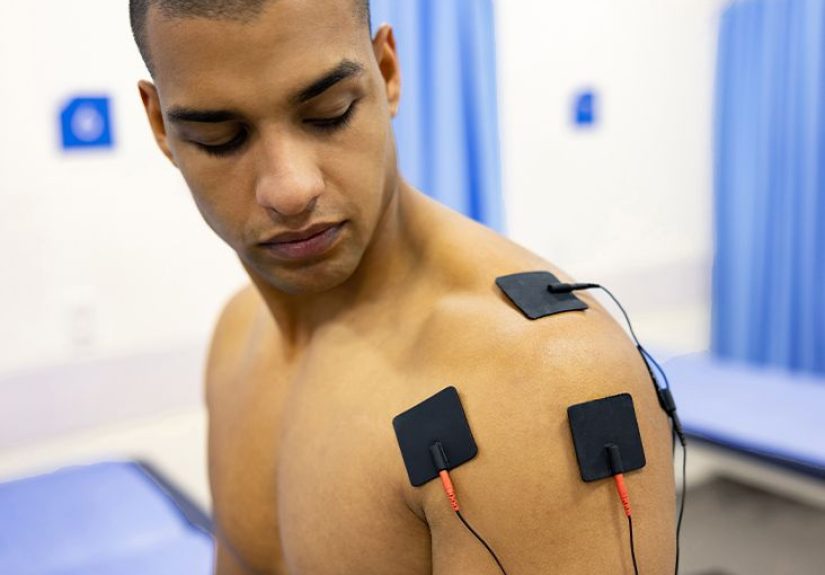
Electrical muscle stimulation is a therapy that uses low-level electrical currents to stimulate motor nerves and muscle fibers. A device sends pulses through wires or wireless pads to adhesive electrodes placed on the skin near the target muscle. These pulses mimic signals that the nervous system normally sends when you voluntarily move a muscle.
When the current reaches the motor nerve, the muscle contracts. Depending on the settings, that contraction may feel like a light twitch, a pulsing squeeze, or a stronger tightening. In a clinical setting, a physical therapist may use EMS to help a patient activate a weak quadriceps muscle after knee surgery, maintain muscle tone during immobilization, or improve movement patterns after neurological injury.
EMS is not the same as regular exercise, but it can complement exercise. Think of it as a helpful assistant that knocks on the muscle’s door and says, “Excuse me, we are working today.” It can be especially useful when pain, swelling, nerve injury, surgery, or disuse makes normal muscle activation difficult.
EMS, NMES, FES, and TENS: What Is the Difference?
The world of e-stim comes with enough abbreviations to make your phone autocorrect give up. Here is the practical breakdown.
EMS: Electrical Muscle Stimulation
EMS is the broad term most people use for devices that make muscles contract. Consumer devices may advertise EMS for toning, recovery, or fitness support. Medical EMS devices are commonly used in rehabilitation to support muscle activation, range of motion, and recovery after injury.
NMES: Neuromuscular Electrical Stimulation
NMES is a more clinical term. It usually refers to stimulation that targets nerves connected to muscles, causing controlled contractions. Physical therapists may use NMES for muscle re-education, weakness, disuse atrophy, and post-surgical rehab. For example, after ACL reconstruction, NMES may be used to help the quadriceps “wake up” when swelling and pain make voluntary contraction difficult.
FES: Functional Electrical Stimulation
FES applies electrical stimulation during a functional task. Instead of simply contracting a muscle while someone rests, FES may help lift the foot during walking, open a hand for grasping, or support movement after stroke, spinal cord injury, multiple sclerosis, cerebral palsy, or traumatic brain injury. The word “functional” matters because the stimulation is tied to a real movement goal.
TENS: Transcutaneous Electrical Nerve Stimulation
TENS is mainly used for pain relief. It sends low-voltage current through the skin near nerves, but the goal is usually to change pain perception rather than build muscle strength. TENS may be used for back pain, osteoarthritis, tendinitis, fibromyalgia, neuropathy, or other acute and chronic pain conditions. Some devices combine TENS and EMS modes, but they are not identical therapies.
How Electrical Muscle Stimulation Works
During an EMS session, electrodes are placed over or near the target muscle. The device delivers pulses with adjustable settings such as intensity, frequency, pulse duration, ramp time, and contraction-rest cycles. These settings matter. A gentle sensory-level current may only create tingling. A motor-level current can cause visible muscle contraction.
In physical therapy, the provider usually chooses settings based on the goal. If the goal is muscle strengthening, the contraction may need to be strong enough to challenge the muscle. If the goal is muscle re-education, the patient may be asked to voluntarily contract the muscle at the same time the device stimulates it. If the goal is pain relief, a TENS setting may be used instead.
EMS can also increase awareness of a muscle. After injury, the brain-muscle connection can feel strangely disconnected. Many patients describe it as knowing they should be able to tighten the muscle, but nothing much happens. Stimulation provides feedback. The muscle contracts, the person sees or feels the contraction, and the nervous system gets a little reminder that the muscle is still on the team.
Common Uses of Electrical Muscle Stimulation
1. Physical Therapy After Surgery
EMS is commonly used after orthopedic surgery, especially when swelling, pain, and immobility reduce muscle activation. Knee surgery is a familiar example. The quadriceps often become inhibited after knee injury or surgery. NMES may help restore contraction quality, support strength training, and improve confidence during early rehab.
2. Muscle Re-Education
Muscle re-education means helping a weak or poorly coordinated muscle learn to activate properly again. This can be useful after sports injuries, joint injuries, neurological conditions, or long periods of inactivity. EMS does not replace active movement, but it can help patients reconnect effort with visible contraction.
3. Preventing or Reducing Disuse Atrophy
Muscles shrink and weaken when they are not used. This is called disuse atrophy. It can happen after casting, bed rest, surgery, or serious illness. NMES may help maintain some muscle activity when normal exercise is limited. It is not a perfect substitute for walking, lifting, or functional training, but it may reduce the “use it or lose it” problem while a person recovers.
4. Neurological Rehabilitation
FES is used in certain neurological rehabilitation programs to help people perform functional tasks. For example, a person with foot drop may use stimulation timed to the walking cycle so the foot lifts more effectively. This may improve toe clearance, walking safety, and movement efficiency. In upper-limb rehab, stimulation may help with hand opening, reaching, grasping, or posture-related goals.
5. Pain Management
Although TENS is not technically the same as muscle-building EMS, many people encounter both through electrical stimulation therapy. TENS may help reduce pain by interfering with pain signals and possibly encouraging the release of the body’s natural pain-relieving chemicals. Results vary, which is a polite medical way of saying, “It helps some people a lot, some people a little, and some people not enough to brag about it.”
6. Athletic Recovery and Performance Support
Some athletes use EMS for recovery, muscle activation, or supplemental conditioning. It may help certain users improve awareness of specific muscles or add low-impact stimulation when active training volume must be managed. However, EMS should not be marketed as a replacement for progressive strength training, good sleep, nutrition, mobility work, and intelligent programming. Muscles still appreciate old-fashioned effort.
Potential Benefits of Electrical Muscle Stimulation
Electrical muscle stimulation may offer several benefits when used correctly. It can help activate weak muscles, support rehabilitation after surgery, reduce the impact of disuse, improve range of motion when paired with therapy, and assist functional movement training in neurological conditions. In some cases, electrical stimulation may also support circulation and reduce muscle spasms, depending on the protocol and patient needs.
One of its biggest advantages is accessibility during limited movement. A person who cannot yet perform a full squat may still be able to activate the quadriceps with assistance from NMES. A patient who cannot lift the foot reliably may benefit from FES during gait training. Someone with pain may use TENS as part of a broader plan to move more comfortably.
Another benefit is feedback. EMS is not silent. You can feel it. You can often see the muscle contract. That sensory feedback can make rehab less mysterious and more motivating. When the muscle finally twitches after days of feeling like a sleepy pancake, it can be surprisingly encouraging.
What EMS Cannot Do
Electrical muscle stimulation has limits, and those limits deserve honest discussion. EMS cannot melt fat, spot-reduce belly size, or create dramatic body transformation by itself. It may temporarily firm or tone a muscle, but it does not replace calorie balance, strength training, cardiovascular activity, and nutrition.
EMS also cannot heal every injury or reverse every neurological problem. It does not cure paralysis, although FES may help some people perform specific movements. It does not automatically fix chronic pain, although TENS may help manage symptoms. It does not make weak muscles strong unless the dose, intensity, frequency, and rehab plan are appropriate.
In short: EMS is a tool, not a wizard. A very interesting tool, yes. A wizard with lightning fingers, no.
Is Electrical Muscle Stimulation Safe?
For many people, EMS and TENS are safe when used as directed. The most common issues are skin irritation, discomfort, redness from adhesive pads, or an unpleasant tingling or burning sensation if the intensity is too high. Poor electrode placement, damaged wires, low-quality devices, or ignoring instructions can increase risk.
People with pacemakers, implanted defibrillators, certain heart rhythm problems, epilepsy, pregnancy, active cancer in the treatment area, open wounds, reduced skin sensation, or implanted electronic devices should talk with a healthcare professional before using electrical stimulation. Electrodes should not be placed over the front of the neck, across the chest, over the eyes, on broken skin, or in ways that send current through sensitive structures.
Do not use EMS or TENS while driving, bathing, swimming, sleeping without professional guidance, or operating machinery. This should be obvious, but humans are creative. Electricity plus water plus multitasking is not a wellness routine; it is an emergency room origin story.
What to Expect During a Session
A typical session begins with clean skin and properly placed electrodes. The provider or user turns on the device at a low setting and gradually increases intensity. With EMS or NMES, you may see the muscle contract rhythmically. With TENS, you may feel tingling, buzzing, or pulsing without a strong muscle contraction.
Sessions may last from several minutes to around 30 minutes, depending on the treatment plan. Clinical protocols vary widely. Some rehab programs use e-stim several times per week, while home programs may involve shorter or more frequent sessions. The correct dose depends on the goal, condition, device, and tolerance.
After treatment, the skin may look slightly pink where the pads were placed. That should fade. Sharp pain, lasting redness, burns, dizziness, chest symptoms, or unusual reactions are signs to stop and seek professional advice.
Choosing an EMS Device
If you are considering a home EMS unit, start with the boring but important question: what problem are you trying to solve? Pain relief, muscle activation, post-surgical rehab, athletic recovery, and neurological movement support are different goals. A cheap device with vague promises may not match your needs.
Look for devices that are legally marketed, clearly labeled, and appropriate for the intended use. Read the manual. Check whether it is designed for EMS, NMES, TENS, or combination use. Avoid products promising effortless fat loss, miracle abs, or instant muscle growth. If the marketing sounds like it was written by a protein shake wearing sunglasses, be cautious.
For medical conditions, the smartest move is to ask a physical therapist, physician, or qualified clinician. They can help determine electrode placement, intensity, timing, and whether electrical stimulation is appropriate for your situation.
Electrical Muscle Stimulation and Weight Loss
This is where many people get curious. Can electrical muscle stimulation help with weight loss? Not in the dramatic way advertisements sometimes suggest. EMS can contract muscles, and muscle contractions use energy. But using EMS on the abdomen is not the same as doing full-body training, improving nutrition, and creating a sustainable calorie deficit.
EMS may play a small supporting role in fitness or rehabilitation, especially for muscle activation. But it should not be treated as a stand-alone fat-loss method. For body composition goals, the foundation remains resistance training, daily movement, adequate protein, sleep, and consistency. EMS can join the party, but it should not be asked to host the whole event.
Who May Benefit Most?
People who may benefit from electrical muscle stimulation include patients recovering from orthopedic surgery, individuals with muscle weakness after injury, people experiencing disuse atrophy, athletes who need targeted activation support, and patients in neurological rehabilitation programs. People with chronic pain may benefit from TENS as part of a broader pain management strategy.
The best candidates are usually those with a clear goal, professional guidance, realistic expectations, and no contraindications. EMS tends to work best when combined with active rehab. If the muscle contracts during stimulation and the patient also practices voluntary movement, the therapy becomes more meaningful than passive buzzing alone.
Experience-Based Scenarios: What EMS Feels Like in Real Life
Imagine someone recovering from knee surgery. The incision is healing, swelling is still present, and the quadriceps muscle seems to have taken an unpaid vacation. The therapist places electrodes around the thigh, explains the sensation, and slowly increases the intensity. At first, it feels like a mild buzzing. Then the muscle begins to tighten. The patient tries to squeeze the quad at the same time. It is not glamorous, but it feels like progress. That first visible contraction can be a small victory, the rehab version of a standing ovation.
Now picture a runner returning after an ankle injury. The calf and shin muscles feel weaker than before, and balance is shaky. EMS may be used alongside strengthening drills, step-ups, and gait work. The stimulation does not replace training, but it helps the runner notice which muscles should be active. Over time, the goal is to rely less on the machine and more on natural control. In good rehab, the device is a coach, not a crutch.
Another common experience involves TENS for pain. Someone with chronic low back discomfort may place electrodes near the painful area and feel a gentle tingling sensation. The pain may not disappear, but it may become less sharp or less distracting. That window of relief can make it easier to stretch, walk, or complete daily activities. For many users, the value of TENS is not “curing” pain; it is creating enough comfort to keep moving.
For people using FES after neurological injury, the experience can be more emotional. A person with foot drop may have spent months worrying about tripping. When stimulation helps lift the foot at the right moment during walking, the change can feel practical and hopeful. It may improve confidence, reduce fear, and make movement feel less like a negotiation with gravity.
At home, users often learn that pad placement matters more than expected. Move an electrode slightly, and the contraction changes. Increase intensity too quickly, and the sensation becomes annoying. Forget to clean the skin, and pads may not stick well. Use old pads, and the current may feel uneven. These small details determine whether EMS feels useful or like being gently haunted by a battery-powered jellyfish.
The most successful experiences usually share the same pattern: clear instructions, modest expectations, gradual progression, and consistency. EMS is not a shortcut around effort. It is a support tool that can make effort more accessible when the body is healing, weak, painful, or relearning movement.
Final Thoughts
Electrical muscle stimulation is a practical, research-informed tool used in physical therapy, rehabilitation, pain management, and some fitness settings. It can help muscles contract, support neuromuscular re-education, assist recovery after surgery, reduce the effects of disuse, and improve functional movement in selected neurological conditions.
But EMS works best when expectations are realistic. It is not a miracle fat-loss machine, not a replacement for exercise, and not something everyone should use without guidance. When matched to the right person and purpose, however, electrical muscle stimulation can be a valuable part of a larger plan to move better, feel stronger, and return to daily life with more confidence.