Table of Contents >> Show >> Hide
- Why These Cookies Are Naturally Gluten-Free (And How to Keep Them That Way)
- The Easiest Base Recipe (5 Ingredients, No Weird Stuff)
- Step-by-Step: Foolproof Method (Fast, Friendly, and Forgiving)
- Texture Control: Choose Your Cookie Personality
- Troubleshooting: When Cookies Misbehave
- Fun Variations That Still Keep It Easy
- Dietary Tweaks: Dairy-Free, Egg-Free, and Peanut-Free Options
- Storage, Freezing, and Make-Ahead Tips
- Conclusion: The Cookie You’ll Make on Repeat
- Real-Life Experiences with Easy Gluten-Free Peanut Butter Cookies (The Extra )
There are two kinds of cookie days: the ones where you weigh flour like a pastry scientist, and the ones where you want
something sweet nowwithout a trip to the store, a sink full of bowls, or a crumbly gluten-free “alternative” that tastes
like it has a side hustle as packing material.
Welcome to the second kind of day. These easy gluten-free peanut butter cookies are flourless, fast, and gloriously
peanut-butterycrisp on the edges, tender in the middle, and basically incapable of being ignored on the cooling rack.
They’re also a tiny miracle for gluten-free households because the classic formula needs no wheat flour at all.
(Translation: fewer specialty ingredients, fewer opportunities for disappointment, more cookies.)
Below you’ll get: a reliable base recipe, smart swaps, texture “dials” (chewy vs. crisp), troubleshooting, and fun variations
plus a longer “real-life experiences” section at the end for when you want the cookie story behind the cookie.
Why These Cookies Are Naturally Gluten-Free (And How to Keep Them That Way)
Traditional peanut butter cookies often include flour, but the easiest versions don’t need it. Peanut butter brings fat and protein,
the egg binds, and sugar provides structure and that classic crackly top. No flour requiredmeaning no gluten-containing wheat, rye,
or barley ingredients needed for the base.
Gluten-free in theory vs. gluten-free in real life
If you’re baking for someone with celiac disease or significant gluten sensitivity, the details matter. A cookie can be “flourless”
and still get gluten into the mix through cross-contactshared utensils, cutting boards, mixers, sheet pans, or a
flour-dusty countertop. Think of gluten like glitter: once it’s there, it’s everywhere unless you clean with intention.
- Start clean: Wipe down counters, wash bowls/beaters, and line baking sheets with parchment.
- Check the jar: Peanut butter is usually gluten-free, but flavored or “cookie butter” style spreads can include additivesread labels.
- Watch the add-ins: Chocolate chips, sprinkles, and candies can be cross-contact risks if they’re processed in shared facilities.
- Label confidence: In the U.S., foods labeled “gluten-free” must meet FDA requirements (including a threshold for unavoidable gluten).
Bottom line: the recipe is simple, but if you need strict gluten-free handling, treat your kitchen setup like it’s part of the ingredient list.
The Easiest Base Recipe (5 Ingredients, No Weird Stuff)
This is the sweet spot: still “pantry minimal,” but with a little baking-soda lift and vanilla warmth so the cookies taste like you tried
(even if you didn’t).
Ingredients
- 1 cup (about 270g) creamy peanut butter (see peanut butter notes below)
- 3/4 cup packed light brown sugar (or 1 cup granulated sugar for a classic, snappier cookie)
- 1 large egg
- 1/2 teaspoon baking soda
- 1 teaspoon vanilla extract (optional, but highly recommended)
Optional but smart add-ons
- Pinch of salt (especially if your peanut butter is unsalted)
- Flaky sea salt on top for that “bakery cookie” vibe
- 1/2 cup chocolate chips or chopped chocolate
- 1/4 teaspoon cinnamon for cozy energy
Peanut butter: the one decision that actually matters
For the most consistent results, use a no-stir, conventional creamy peanut butter. Natural peanut butter (the kind
that separates) can work, but it often makes dough that’s looser or cookies that are more crumbly, depending on how well it’s stirred
and how oily the jar is. If you love natural peanut butter, stir it aggressively until fully uniformand consider chilling the dough
before baking to reduce spreading.
Step-by-Step: Foolproof Method (Fast, Friendly, and Forgiving)
- Preheat your oven to 350°F. Line a baking sheet with parchment paper.
-
Mix peanut butter and sugar until smooth. Add egg, baking soda, and vanilla. Mix again until you have a thick,
scoopable dough (it will look like it means business). -
Scoop into 1-tablespoon portions (a cookie scoop makes you feel like a pro). Roll into balls and place them
about 2 inches apart. -
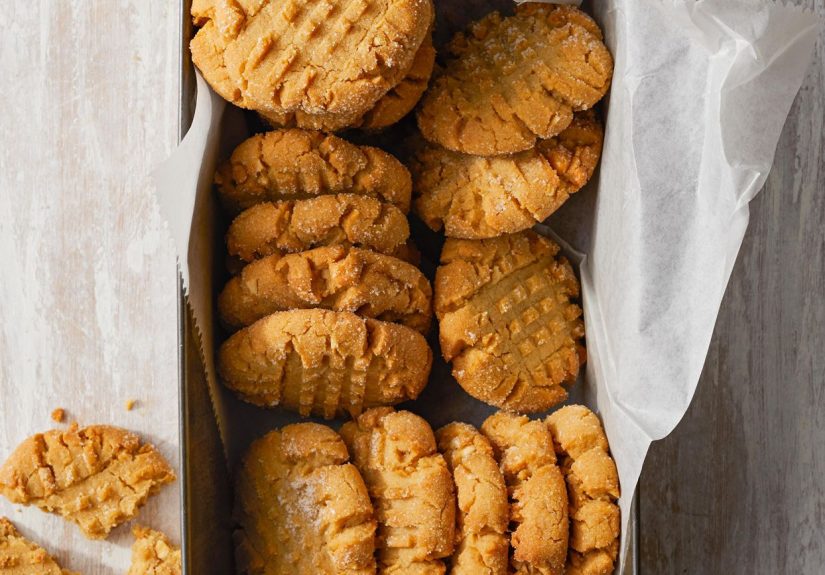
Crisscross the tops with a fork, pressing gently. This isn’t just decorativepeanut butter dough is dense and
doesn’t always spread evenly on its own, so flattening helps them bake more uniformly. -
Bake for 10–12 minutes, until the edges look set and the tops have that classic crackly look.
Don’t wait for them to look fully firm in the center; they finish setting as they cool. -
Cool on the baking sheet for 5 minutes, then move to a rack. Try not to “taste test” one immediately unless you
enjoy molten peanut butter lava on your tongue. (No judgment. Just facts.)
Texture Control: Choose Your Cookie Personality
If you want chewier centers
- Use brown sugar (it adds moisture and chew).
- Bake closer to 10 minutes.
- Let cookies cool completely before judging the texture.
- Chill dough for 20–30 minutes if it feels sticky or overly soft.
If you want crisp edges and a snappy bite
- Use granulated sugar (drier and crisper).
- Bake closer to 12–13 minutes (watch closely at the end).
- Press slightly thinner with the fork so they bake more evenly.
If you want thicker “bakery-style” cookies
- Chill the dough for 1 hour.
- Roll larger balls (about 2 tablespoons each) and bake a minute or two longer.
- Use a heaped spoon of peanut butter per cookie and don’t over-press with the fork.
Troubleshooting: When Cookies Misbehave
1) “They spread into puddles.”
This usually means the dough is too warm or too oily. Natural peanut butter can do this if it’s not fully emulsified.
Fix: chill the dough 30–60 minutes, use parchment, and double-check your peanut butter consistency. You can also
slightly reduce sugar if the dough looks glossy and loose (start by cutting 2 tablespoons).
2) “They’re crumbly and fall apart.”
A little crumble is normal for flourless cookies, but if they’re shattering, the dough may be too dry or the peanut butter
too natural/lean. Fix: add 1–2 teaspoons of water or a tablespoon of peanut butter to the dough, mix well, and bake
a touch less. Also: let them cool longerwarm flourless cookies are fragile drama queens.
3) “They’re dry like the Sahara.”
Overbaking is the usual culprit. Peanut butter cookies can go from perfect to “oops” quickly.
Fix: pull them when edges are set but centers still look slightly soft. They firm as they cool.
4) “They taste too sweet / too peanut-buttery / too… something.”
Cookie balance is personal. If they’re too sweet, use 3/4 cup brown sugar instead of 1 cup white sugar. If they’re too intense,
add a pinch of salt, a splash of vanilla, or stir in chocolate chips for contrast. Peanut butter is boldgive it a supporting cast.
Fun Variations That Still Keep It Easy
Chocolate chip gluten-free peanut butter cookies
Stir in 1/2 cup chocolate chips. If baking for a gluten-free household, check that the chips are labeled gluten-free.
Bonus points for a tiny sprinkle of flaky salt on top.
“PB & J” thumbprint cookies
Skip the fork press. Instead, make an indent with your thumb and spoon in a small amount of jam. Bake as directed and try not to eat
them straight off the sheet like a cartoon character.
Crunchy peanut butter cookies
Use crunchy peanut butter for texture. If you want more crunch, add 2 tablespoons chopped roasted peanuts.
Spiced peanut butter cookies
Add 1/4 teaspoon cinnamon and a tiny pinch of nutmeg. It’s subtle, cozy, and makes your kitchen smell like you have
your life together.
Dietary Tweaks: Dairy-Free, Egg-Free, and Peanut-Free Options
Dairy-free
Good news: this base recipe contains no butter and is naturally dairy-free. Just confirm your add-ins (like chocolate chips)
match your needs.
Egg-free (binder swap)
An egg helps bind and set these cookies. For an egg-free version, try a flax egg:
mix 1 tablespoon flaxseed meal with 3 tablespoons water and let it gel for 5 minutes, then use it
in place of the egg. Expect a slightly softer, more tender cookie and consider chilling the dough before baking.
Peanut-free (allergy-friendly idea)
For peanut allergies, you can often swap in sunflower seed butter or another nut/seed butter, but flavor and texture will change.
Also note: some seed butters can react with baking soda and turn cookies a greenish hue (harmless, but surprisinglike a cookie mood ring).
For serious allergies, always follow strict cross-contact precautions and choose verified allergen-safe products.
Storage, Freezing, and Make-Ahead Tips
- Room temperature: store in an airtight container for 3–5 days.
- Freeze baked cookies: wrap well and freeze up to 2 months. Thaw at room temp.
-
Freeze dough balls: scoop and freeze on a sheet until firm, then bag. Bake from frozen at 350°F, adding 1–2 minutes.
Press with the fork after they soften slightly.
Conclusion: The Cookie You’ll Make on Repeat
Easy gluten-free peanut butter cookies are the rare dessert that feels both nostalgic and practical: minimal ingredients, quick mixing,
and no complicated gluten-free flour blends. Once you learn how your peanut butter behaves and how long your oven likes to bake, you’ll
have a go-to cookie that works for weeknights, potlucks, bake sales, and “I need something sweet after that email” emergencies.
Start with the base recipe, then customize like you own a tiny cookie laboratory. Add chocolate. Add salt. Make them chewy. Make them crisp.
Press the fork marks like you’re stamping your signature. And most importantly: let them cool (at least a little) before you declare them
“not done.” Flourless cookies play the long gameand they usually win.
Real-Life Experiences with Easy Gluten-Free Peanut Butter Cookies (The Extra )
If you’ve ever baked gluten-free for a group, you know the moment: someone smiles politely, takes a bite, and you watch their face like
a detective in a crime show. Are they enjoying it… or are they mentally composing a Yelp review about “suspicious texture”?
Flourless peanut butter cookies are a crowd-pleaser because they skip the most common gluten-free pitfalltrying to mimic wheat flour
with an ingredient that behaves nothing like wheat flour.
In many kitchens, these cookies become a “bridge recipe.” A friend goes gluten-free, and suddenly dessert feels complicated. You want to be
supportive without needing a pantry overhaul or a second mortgage for specialty flours. This is when peanut butter, sugar, and an egg step in
like the chillest trio you’ve ever met. They’re naturally gluten-free, and they taste like a cookie, not like a science experiment.
Another common experience: the first batch teaches you what your peanut butter believes about commitment. Conventional peanut butter tends to
give a thick, cooperative dough. Natural peanut butter sometimes arrives with big “I’m going to do my own thing” energyoily on top, dry at the
bottom, and somehow both at the same time. The learning curve usually looks like this: you stir more than you thought possible, you chill the dough
because it’s a little soft, and then you realize the cookies set up beautifully once they’ve cooled. It’s a lesson in patience delivered via dessert,
which is arguably the nicest way to learn patience.
Then there’s the fork-mark ritual. People love the crisscross pattern because it’s nostalgic and satisfyinglike popping bubble wrap, but edible.
In real life, it also helps with confidence: the dough ball becomes a cookie shape, the cookie bakes more evenly, and you get that instantly recognizable
“peanut butter cookie” look. It’s also the part kids can help with, which turns baking into a tiny family event instead of a solo mission with a timer
yelling at you from the oven.
Gluten-free households often have a different layer of experience: cross-contact awareness. It’s not just ingredientsit’s the baking sheet that once held
pizza, the wooden spoon that has seen too many pancake batters, the mixer that might have flour dust hiding in its corners. When you bake these cookies with
intentional cleanup and careful add-ins, it can feel like a small act of careone that says, “You’re safe here. And also, there are cookies.”
Finally, there’s the “second-day cookie” surprise. Flourless peanut butter cookies can mellow and deepen in flavor overnight, and many people find the texture
gets even better after resting in a container. So if your first bite is a little warm and fragile, don’t panic. Let them cool. Let them settle. And if you
still want a warm cookie later, a few seconds in the microwave can bring back that soft-center magicjust long enough to remind you why this recipe keeps
making repeat appearances in so many kitchens.