Table of Contents >> Show >> Hide
If chicken eggs are the everyday jeans of the breakfast world, duck eggs are the tailored jacket: richer, bolder, a little more dramatic, and definitely harder to ignore. They are larger, often creamier, and popular with bakers, home cooks, and curious eaters who want something beyond the standard carton in the grocery store. But with that extra richness comes a fair question: are duck eggs actually better for you, or just fancier breakfast bragging rights?
The honest answer is somewhere in the middle. Duck eggs can be highly nutritious. They provide high-quality protein, healthy fats, and important nutrients such as choline, vitamin B12, selenium, and fat-soluble vitamins. At the same time, they are also higher in calories, fat, and cholesterol than typical chicken eggs, mainly because they are larger. That means duck eggs can be a smart part of a healthy diet for some people, but they are not a “more is always better” food.
In this guide, we will crack open the real story on duck egg nutrition, health benefits, side effects, food safety, and who may want to enjoy them in moderation. No miracle-food nonsense. No anti-yolk panic. Just the facts, with a little flavor.
What Are Duck Eggs, Exactly?
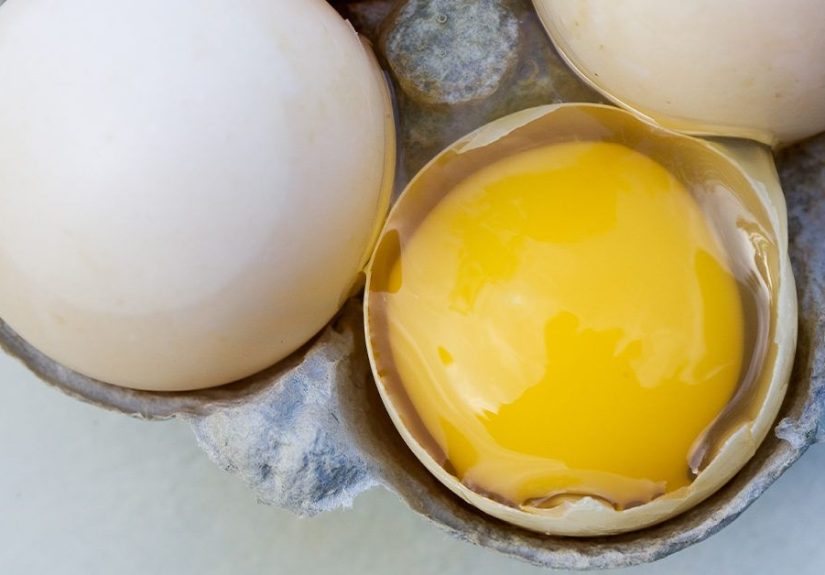
Duck eggs are laid by domestic ducks and eaten in many parts of the world, including the United States. Compared with chicken eggs, they are usually larger, with thicker shells and a richer yolk. Many people describe the flavor as more intense and the texture as creamier. In the kitchen, they are often praised for making baked goods feel extra rich and custardy.
That richer taste is not just culinary gossip. Duck eggs generally contain more fat and more protein per egg than chicken eggs because the egg itself is bigger. So when people say duck eggs are “more nutritious,” what they often mean is that one duck egg tends to deliver more nutrients in a single serving. The catch is that it also delivers more calories and cholesterol in that same package.
Duck Egg Nutrition at a Glance
A typical duck egg is bigger than a standard chicken egg, and that matters. One duck egg can provide roughly 130 calories, about 9 grams of protein, and around 10 grams of fat, along with a notably high amount of cholesterol. It also contains useful amounts of choline, vitamin B12, folate, selenium, iron, and vitamin D.
In practical terms, here is what stands out most about duck egg nutrition:
- High-quality protein: Duck eggs contain complete protein, meaning they provide all essential amino acids.
- More fat than chicken eggs: That contributes to a richer mouthfeel and greater satiety.
- Choline: Important for cell membranes, liver function, and normal nervous system function.
- Vitamin B12: Helps support red blood cell formation, nerve health, and DNA production.
- Selenium: Plays a role in thyroid function and protection against oxidative stress.
- Fat-soluble vitamins: Duck egg yolks can provide vitamins such as A and D.
So yes, duck eggs are nutrient-dense. They are not empty calories wearing a fancy shell.
Why the Yolk Gets So Much Attention
The yolk is where much of the action happens. That is where you will find most of the fat, cholesterol, choline, and many of the vitamins and minerals. It is also why duck eggs are so loved in baking and brunch circles. The larger yolk creates a richer texture in custards, cakes, pasta dough, and sauces. If a chicken egg is the polite dinner guest, a duck egg is the one who arrives wearing velvet and insists dessert should have more butter.
Health Benefits of Duck Eggs
1. They Can Help You Feel Full
Because duck eggs provide protein and fat together, they can be satisfying. A breakfast built around eggs often keeps people fuller longer than a breakfast based mostly on refined carbohydrates alone. That does not mean duck eggs magically melt belly fat or come with a tiny personal trainer inside the shell. It simply means they can be part of a filling, balanced meal.
Try pairing a duck egg with whole-grain toast, fruit, or sautéed vegetables. That gives you protein, fiber, and a more complete nutrient profile than eating the egg by itself.
2. They Provide Nutrients That Support Brain and Nerve Function
Duck eggs are especially valued for choline and vitamin B12. Choline helps your body build cell membranes and supports normal brain and nervous system function. Vitamin B12 helps keep nerve cells healthy and supports the formation of red blood cells. These nutrients do not turn you into a chess grandmaster overnight, but they do matter for everyday health.
This is one reason eggs in general are often considered a nutrient-dense food. Duck eggs simply bring more of those nutrients per egg because they are larger and richer.
3. They Offer Selenium for Thyroid and Antioxidant Support
Selenium is one of those minerals people rarely talk about until a nutrition article barges in and reminds everyone it exists. It matters, though. Selenium helps support thyroid hormone metabolism and plays a role in protecting cells from oxidative damage. Duck eggs can be a useful dietary source of selenium, especially when eaten as part of a varied diet.
4. They May Be Useful for People Who Need More Nutrient Density
If someone has a small appetite but wants more nutrition in a modest portion, duck eggs can be appealing. Older adults, very active people, or people trying to add more protein and calories to meals may find duck eggs convenient. Because they are more energy-dense than chicken eggs, they can deliver more nutrition without requiring a large volume of food.
That said, “nutrient-dense” is not the same thing as “eat six before noon.” Portion size still matters.
5. They Shine in Cooking and Baking
While this is not a medical benefit, it is a quality-of-life benefit, and honestly, those count too. Many bakers love duck eggs for cakes, custards, enriched breads, and pastries because the extra yolk can create better color, structure, and richness. People who find chicken eggs a little bland often enjoy the fuller flavor of duck eggs.
Duck Eggs vs. Chicken Eggs
| Feature | Duck Eggs | Chicken Eggs |
|---|---|---|
| Size | Usually larger | Usually smaller |
| Flavor | Richer and stronger | Milder |
| Protein per egg | Generally more | Generally less |
| Fat and cholesterol | Usually higher | Usually lower |
| Baking performance | Often preferred for richness | More neutral and standard |
Neither egg is automatically “good” or “bad.” Chicken eggs may fit more easily into a lower-calorie eating pattern. Duck eggs may be more appealing when you want a richer flavor and more nutrients per egg. The best choice depends on your health goals, budget, taste, and how often you eat them.
Possible Side Effects and Downsides of Duck Eggs
1. They Are Higher in Cholesterol
This is the biggest caution flag. Duck eggs contain more cholesterol than standard chicken eggs, and the amount is substantial. For many healthy people, dietary cholesterol does not affect blood cholesterol as dramatically as once feared. But that does not mean it is irrelevant. People with heart disease, diabetes, high LDL cholesterol, or a family history of cholesterol problems may want to pay closer attention to portion size and frequency.
In other words, a duck egg every once in a while is one thing. A daily three-duck-egg “health kick” is a different conversation.
2. They Can Add Up in Calories and Fat
Because duck eggs are larger and richer, they can quietly raise the calorie load of a meal. This is not automatically a problem. It becomes a problem when the rest of the plate is already heavy, such as buttered toast, sausage, cheese, and a sugary coffee the size of a flower vase. Duck eggs work best when the rest of the meal is balanced.
3. Egg Allergy Still Applies
If you have an egg allergy, duck eggs are not a secret loophole. The proteins in duck eggs can still trigger allergic reactions. People with egg allergy should not assume they can tolerate duck eggs just because they come from a different bird. Anyone with a known or suspected egg allergy should talk with an allergist before experimenting.
4. There Is a Food Safety Risk if They Are Undercooked
Like other eggs, duck eggs can carry harmful bacteria such as Salmonella if they are raw or undercooked. That risk matters even more for young children, older adults, pregnant women, and people with weakened immune systems. Soft, runny, or raw egg preparations may sound charmingly rustic, but food poisoning is not an artisanal experience.
5. Some People Simply Do Not Love the Taste
This is not a health side effect, but it is a practical one. Duck eggs have a richer, more pronounced flavor. Some people adore that. Others take one bite and immediately start texting chicken eggs an apology letter. Taste matters. Nutrition is easier to maintain when you actually enjoy the food.
How to Eat Duck Eggs Safely
Duck eggs follow the same common-sense food safety rules as other eggs, with no bonus points for bravery.
- Keep them refrigerated.
- Store them in their carton rather than loose in the refrigerator door.
- Cook eggs until whites and yolks are firm, or cook egg dishes thoroughly.
- Use a food thermometer for casseroles and mixed egg dishes when needed.
- Avoid raw batter, homemade sauces, or dressings made with raw eggs unless pasteurized eggs are used.
- Refrigerate cooked eggs promptly and do not leave them out for more than two hours.
If you buy duck eggs from a farmers market or local farm, make sure they come from a clean, reputable source and ask about storage practices. Farm-fresh can be wonderful. Farm-mysterious is less appealing.
Who May Benefit Most From Duck Eggs?
Duck eggs may be a good fit for:
- People who want a richer, more filling breakfast
- Home bakers looking for better texture and color in baked goods
- People who want nutrient-dense foods in smaller portions
- Those who enjoy eggs and tolerate them well
They may require more caution for:
- People with egg allergy
- Anyone managing high LDL cholesterol or cardiovascular disease
- People who need to watch calorie intake closely
- Young children, pregnant women, or older adults if eggs are served undercooked
Common Experiences People Have With Duck Eggs
One of the most interesting things about duck eggs is how differently people react to them once they actually start using them at home. On paper, the story is mostly about protein, choline, selenium, and cholesterol. In real life, the first thing many people notice is the yolk. It is often larger, darker, and richer-looking than the yolk of a standard chicken egg, and that visual difference alone can make breakfast feel upgraded.
Home cooks often say a fried duck egg feels more luxurious than a chicken egg. The yolk tends to look bold and glossy, and the overall texture can seem more substantial. Some people love that the egg tastes fuller and more savory. Others find it a little too intense at first, especially if they are used to mild scrambled chicken eggs. A common reaction is, “Wow, that is rich,” followed by either delight or a thoughtful pause.
Bakers are often the biggest fans. People who make pound cake, brioche, custard, fresh pasta, or ice cream sometimes describe duck eggs as a secret weapon. Cakes may come out with a deeper color, custards can seem silkier, and doughs may feel richer. A baker who uses duck eggs for the first time often notices that the batter looks more golden before it even hits the oven. The result is not always dramatically different, but many say it feels just a little more special.
There are also everyday experiences that have nothing to do with gourmet food and everything to do with practicality. Some people try duck eggs because they raise backyard ducks or buy from a neighbor. For them, the appeal is freshness, local food, and knowing where breakfast came from. Others try duck eggs after seeing them at a market and deciding their cart needed a little adventure. It is the grocery version of taking a scenic route home.
Not every experience is glowing. Some people discover that one duck egg is more filling than expected and realize two is a lot. Others notice that recipes written for chicken eggs may need a small adjustment because duck eggs are larger. A few people simply decide the taste is not for them. That is fine. Nutrition is personal, and not every “better for you” food deserves a permanent parking spot in your fridge.
Another common experience is moderation by instinct. People often find that duck eggs feel best as an occasional favorite rather than an everyday staple. They might use them on weekends, in baking projects, or when they want a more satisfying meal. That pattern makes sense. Duck eggs are rich enough to feel like a treat, but nutritious enough that the treat comes with real substance.
In the end, the real-life experience of eating duck eggs usually comes down to this: people remember them. They are not forgettable. Whether someone loves the richer flavor, enjoys the baking benefits, or decides one duck egg is plenty, duck eggs tend to leave an impression. And honestly, that is more than can be said for a lot of breakfast foods pretending to be exciting.
Final Thoughts
Duck eggs can absolutely earn a place in a healthy diet. They are rich in protein and micronutrients, satisfying at mealtime, and useful in the kitchen. Their standout nutrients include choline, vitamin B12, selenium, and fat-soluble vitamins, and many people appreciate their fuller flavor and richer texture.
Still, duck eggs are not just chicken eggs wearing a bigger shell. They also bring more calories, more fat, and more cholesterol per egg. That makes them a good choice for some people and a “maybe not every day” choice for others. If you enjoy them, eat them thoughtfully, cook them safely, and pay attention to how they fit into your overall diet.
In short: duck eggs are nutritious, delicious, and a little dramatic. Which, to be fair, is exactly what some breakfasts need.