Table of Contents >> Show >> Hide
- What Drooling Really Means (Hint: It’s Not Always “Too Much Saliva”)
- When Drooling Is Normal vs. When It’s a Clue
- Common Causes of Drooling
- Why Drooling Matters: Complications Beyond the “Ick Factor”
- How Drooling Is Evaluated
- Treatments for Drooling (From Simple to Specialized)
- Drooling in Kids: What Parents Should Know
- Drooling in Adults: A Few Common Scenarios
- When to Seek Urgent Medical Care
- Putting It All Together
- Experiences Related to Drooling: What People Commonly Describe (And What Helps)
Drooling happens. Sometimes it’s a tiny bedtime “pillow puddle.” Other times it’s the kind of saliva situation that has you wondering whether your mouth is secretly running a small, unauthorized water park.
The good news: drooling (also called sialorrhea) is usually explainableand often treatable. The trick is figuring out why it’s happening, because “too much saliva” is only one of many possibilities.
This guide breaks down the most common causes of drooling (in kids and adults), the red flags that deserve prompt medical attention, and the full menu of treatmentsfrom simple habit tweaks to therapies, medications, and procedures.
(And yes, we’ll talk about the classic “why do I drool in my sleep?” mystery.)
What Drooling Really Means (Hint: It’s Not Always “Too Much Saliva”)
Drooling is saliva flowing outside the mouth unintentionally. That can happen for two big reasons:
- Production is high: your body makes more saliva than usual.
- Control and clearance are off: saliva isn’t being held in the mouth and swallowed efficiently (often the more common reason in adults).
In other words, drooling is often less about your salivary glands working overtime and more about the “saliva management system” (lips, tongue, jaw, posture, sensation, swallowing timing) not doing its job smoothly.
When Drooling Is Normal vs. When It’s a Clue
Normal (or at least common) situations
- Infants and teething: extra drool is common when babies explore the world mouth-first (and when teeth are moving in).
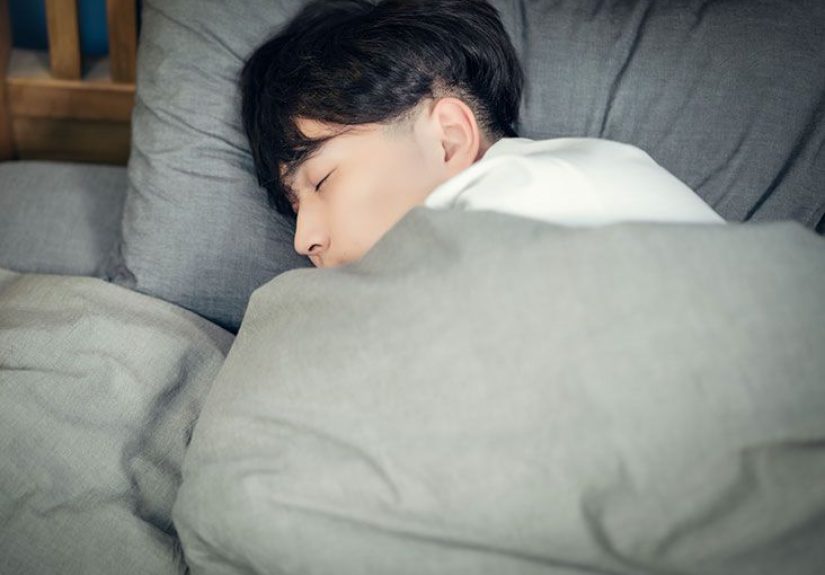
- Sleep drooling: you may drool if you sleep on your side/stomach, breathe through your mouth, or have nasal congestion.
- Temporary mouth irritation: a sore throat, canker sore, or braces adjustment can make swallowing feel uncomfortable.
When drooling deserves more attention
Consider checking in with a clinician if drooling is new, persistent, worsening, or paired with other symptomsespecially trouble swallowing, coughing/choking with meals, voice changes, weight loss, or repeated chest infections.
In children, persistent drooling well past the toddler years may signal oral-motor or medical issues worth evaluating.
Common Causes of Drooling
Drooling can have many causes, and they often overlap. Here are the big categories clinicians look at.
1) Mouth, teeth, and throat issues
Anything that makes swallowing uncomfortableor makes you keep your mouth slightly opencan lead to drooling.
- Teething in infants
- Mouth sores, gum inflammation, dental infections
- Ill-fitting dentures or oral pain
- Enlarged tonsils or throat infections
- Jaw alignment issues (malocclusion) or tongue size differences (less common)
2) Nasal congestion and mouth breathing
If your nose is blocked, you may breathe through your mouthespecially during sleep. An open mouth makes it easier for saliva to escape.
Common triggers include colds, allergies, sinus infections, deviated septum, and chronic nasal irritation.
Example: During allergy season, you sleep with your mouth open to breathe, and you wake up with drool on the pillow. Annoying? Yes. Mysterious? Not really.
3) Reflux, nausea, and digestive triggers
Nausea can increase saliva as part of the body’s “protect the teeth and throat” reflex. Acid reflux (including GERD) can also be associated with increased salivation or a sensation of excess saliva.
- GERD or acid irritation
- Nausea (motion sickness, stomach upset, pregnancy-related nausea)
- Certain foods that stimulate saliva (acidic, spicy, or very sweet foods)
4) Medication side effects
Some medications increase salivation or affect muscle control and swallowing. Examples include certain neurologic and psychiatric medications, as well as some drugs that influence the nervous system’s “rest-and-digest” activity.
If drooling started after a new prescription or dose change, that timing matterstell your prescriber, and don’t stop medications on your own.
5) Neurologic and muscle-control conditions
In adults, drooling is frequently linked to decreased automatic swallowing, reduced facial/oral muscle control, or difficulty coordinating the swallowrather than overproduction.
Conditions that can contribute include:
- Parkinson’s disease
- Stroke
- Traumatic brain injury
- ALS (motor neuron disease)
- Multiple sclerosis and other neurologic disorders
- Cerebral palsy (more common in children)
If drooling is paired with coughing while eating, a “wet/gurgly” voice after swallowing, or frequent throat clearing, clinicians will often consider dysphagia (a swallowing disorder) as part of the picture.
6) Sleep position and reduced nighttime swallowing
While you sleep, you swallow less often. Add mouth breathing, a relaxed jaw, or deep sleep and you can end up with the classic “side-sleeper drool.”
Occasional sleep drooling is common, but frequent or heavy droolingespecially with snoring, gasping, or daytime sleepinessmay be worth discussing (sometimes sleep-disordered breathing can play a role).
Why Drooling Matters: Complications Beyond the “Ick Factor”
Drooling isn’t just a social inconvenience (though it can absolutely feel like one). Persistent drooling can cause:
- Skin irritation around the lips, chin, and neck (chapping, rash, infection)
- Dehydration in severe cases (less common, but possible)
- Speech and social confidence impacts (avoidance, embarrassment)
- Aspiration risk if saliva pools and slips into the airwayespecially when swallowing reflexes are impaired
How Drooling Is Evaluated
There’s no single “drooling test.” Clinicians usually combine your history with an exam and, if needed, targeted assessments. Expect questions like:
- When did it start? Is it daytime, nighttime, or both?
- Any recent illness, allergies, dental pain, new meds, or reflux symptoms?
- Do you cough/choke with liquids or food?
- Any voice changes, weight loss, or repeated chest infections?
- Any neurologic symptoms (weakness, facial droop, tremor, slurred speech)?
If swallowing trouble is suspected, you may be referred for a swallow evaluation (often involving a speech-language pathologist). Some people may need imaging-based swallow studies or other tests to understand how safely food, liquids, and saliva are moving.
Treatments for Drooling (From Simple to Specialized)
The best treatment depends on the cause and severity. Many people do well with a layered approach: address triggers, improve oral control, and reduce saliva only if necessary.
1) At-home strategies that can help right away
- Fix the nose first: saline rinses/sprays, humidifier, and clinician-guided allergy care can reduce mouth breathing.
- Adjust sleep setup: side-sleeping can increase pillow drool; try supportive pillows to keep the jaw from dropping open (comfort matters).
- Hydrate and pace meals: small bites, slower eating, and upright posture can help if swallowing feels “off.”
- Protect the skin: gentle cleansing plus barrier ointment can prevent rashes and cracking.
- Track patterns: note timing, foods, medications, and stress/sleep changesthis often reveals a trigger.
If drooling is mild and occasional, these basics may be enough. If drooling is significant or medical, you’ll likely need the next options.
2) Therapy and training (especially helpful for control issues)
Speech-language therapy and occupational therapy can help people improve lip closure, tongue posture, swallowing frequency, and overall oral-motor coordination. Therapy may include:
- Posture and head positioning strategies
- Swallow “reminder” techniques and cueing routines
- Oral-motor skill-building (tailored exercises, not random YouTube drills)
- Meal-time modifications for safer swallowing when needed
For children with persistent drooling, therapy is often a first-line stepespecially when drooling is tied to motor control, sensation, or attention.
3) Medications that reduce saliva
When drooling is moderate to severeespecially due to neurologic causesclinicians may prescribe medications that reduce saliva production (often anticholinergic medications).
These can be effective, but side effects can limit use, particularly in older adults.
Common considerations include:
- Dry mouth (sometimes the goal, but can become uncomfortable)
- Constipation, blurred vision, urinary retention
- Sleepiness, confusion (riskier in some older adults)
Options may include oral medications or topical forms like patches or drops, depending on your situation and clinician preference.
4) Botulinum toxin (Botox) injections
Botulinum toxin injections into salivary glands (commonly parotid and/or submandibular glands) can reduce drooling for several months.
This approach is widely used for chronic drooling, especially when neurologic disease affects saliva control.
The effect isn’t permanent, so repeat injections are often needed. A skilled clinician typically uses guidance (like ultrasound) to target the glands accurately.
5) Procedures and surgery (for persistent, severe cases)
If conservative measures and medications aren’t enough, procedural options may be considered:
- Salivary duct procedures (ligation or rerouting) to change saliva flow
- Salivary gland surgery in selected cases
- Salivary gland ablation (performed in some centers for certain patients)
- Radiation therapy to salivary glands (more typically considered in adults with severe drooling when other options fail)
These options are not “one-size-fits-all.” They’re chosen based on age, underlying condition, aspiration risk, and the impact of drooling on daily life.
Drooling in Kids: What Parents Should Know
Drooling is common in babiesespecially around teething agesand many infants drool a lot without anything being “wrong.” Kids can also drool more when they’re sick, congested, or very focused on play (because swallowing becomes less frequent).
Persistent drooling in older children may be linked to oral-motor coordination, low muscle tone, dental issues, or neurologic conditions. In these cases, evaluation can help determine whether therapies, dental treatment, or medical care would reduce drooling and protect the skin.
Practical help while you sort out the cause: gentle face washing, barrier creams, absorbent bibs/neck scarves, and making sure the skin stays dry (without over-scrubbing).
Drooling in Adults: A Few Common Scenarios
Nighttime drooling without daytime symptoms
Often tied to sleep posture, mouth breathing, or congestion. If it’s occasional, it’s usually not serious.
If it’s frequent with snoring, gasping, or daytime fatigue, talk to a cliniciansleep-related breathing issues can worsen mouth breathing and drooling.
Drooling with swallowing changes
If drooling comes with coughing/choking while eating, a wet voice after swallowing, or recurrent chest infections, a swallowing evaluation can be important.
This is especially true after stroke or with progressive neurologic conditions.
Drooling linked to Parkinson’s or other neurologic disease
A common pattern is saliva pooling because swallowing becomes slower or less automatic. Treatment may involve therapy, cueing strategies, medication, or botulinum toxin injections depending on severity and side effects.
When to Seek Urgent Medical Care
Drooling can be a symptom of something serious when it appears suddenly or with other alarming signs. Seek urgent care or emergency evaluation if drooling occurs with:
- Sudden facial droop, arm weakness, confusion, severe headache, or trouble speaking (possible stroke)
- Difficulty breathing, noisy breathing, or inability to swallow liquids or saliva
- Severe sore throat with fever and trouble opening the mouth or neck stiffness
- Choking episodes, repeated aspiration, or signs of pneumonia (fever, cough, shortness of breath)
Putting It All Together
Drooling is usually a symptom, not a standalone diagnosis. The most effective approach is to:
- Identify the driver (congestion, oral irritation, reflux, meds, swallowing changes, neurologic conditions).
- Reduce triggers and protect the skin.
- Improve control with therapy and practical strategies when needed.
- Reduce saliva (medications or procedures) when drooling is severe or medically risky.
If drooling is affecting your daily life, sleep, confidence, or safety, you don’t have to “just live with it.” There are real optionsand the right mix can make a noticeable difference.
Experiences Related to Drooling: What People Commonly Describe (And What Helps)
People rarely show up to an appointment saying, “Hello, I’d like to discuss my saliva.” It’s usually more like: “This is embarrassing, but…” That reaction is incredibly common, because drooling can feel awkward even when it’s medically straightforward.
Here are a few real-world patterns people often describe, plus the practical fixes that tend to make the biggest impact.
The new-parent experience: Many parents notice drooling suddenly ramps up around 3–6 months, right when babies start exploring everything with their mouths. The onesies get soaked. The bibs become permanent accessories. And somebody Googles “is this normal?” at 2:00 a.m.
Parents often find that the stress drops when they learn drooling alonewithout poor feeding, breathing trouble, or developmental concernscan be completely typical.
What helps most is simple: rotating absorbent bibs, gentle skin care (pat dry instead of rubbing), and keeping a barrier ointment on the chin during peak drool weeks.
Parents also commonly notice drooling spikes during colds, because mouth breathing and less frequent swallowing turn the saliva faucet on full blast.
The “why is my pillow wet?” adult experience: Plenty of adults report drooling only at nightoften during allergy season or after a cold. The pattern is familiar: stuffy nose, mouth breathing, and waking up with a damp pillowcase that feels like it lost a fight.
Many people say the biggest improvement comes from treating congestion consistently (saline rinses, a humidifier, clinician-guided allergy care) and adjusting sleep posture.
Some also notice stress makes it worse, likely because sleep gets deeper or more restlessand swallowing rhythms change.
A small win that people often mention: putting a towel over the pillow during flare-ups. Not glamorous, but very effective.
The caregiver experience with neurologic conditions: Caregivers for people with Parkinson’s disease, stroke recovery, or other neurologic conditions often describe drooling as both practical and emotional.
Practically, there’s more laundry, skin irritation to manage, and sometimes coughing or choking concerns. Emotionally, drooling can change how someone feels in publicmeals become stressful, photos feel uncomfortable, and social outings get quietly avoided.
Many caregivers report that progress comes in layers: a swallow evaluation, speech therapy strategies (like cueing to swallow more often), and thenwhen neededmedical options such as anticholinergic medications or botulinum toxin injections.
Caregivers also commonly say that the “best” treatment isn’t always the strongest one; it’s the one with the best balance of benefit and side effects (especially when dry mouth, constipation, or confusion are concerns).
The “I didn’t realize this was a symptom” experience: Some people only recognize drooling as significant when it shows up alongside other changeslike a wet voice after drinking, frequent throat clearing, food sticking, or unexplained weight loss.
Those individuals often describe relief when they learn drooling can be a sign of swallowing difficulty, not a personal failing.
Getting a clear planfood and liquid texture adjustments, posture changes, targeted exercises, and treatment of underlying causescan turn an anxiety-provoking symptom into a manageable one.
Across these experiences, the theme is consistent: drooling is common, often fixable, and never something you “should be ashamed of.”
Whether your solution is as simple as treating allergies or as specialized as a salivary gland procedure, the goal is the samecomfort, confidence, and safety.