Table of Contents >> Show >> Hide
- So… does Medicare cover azithromycin?
- What is azithromycin (and why is it prescribed so often)?
- Medicare coverage depends on where (and how) you get the drug
- A quick “where is it covered?” cheat sheet
- Why your plan might cover azithromycin… but your wallet still feels it
- What does azithromycin cost with Medicare?
- How to check if your Medicare plan covers azithromycin
- If your plan doesn’t cover it: practical moves that actually help
- Safety reminders (because antibiotics aren’t candy, even if they come in a cute pack)
- Conclusion
- Real-World Experiences With “Does Medicare Cover Azithormycin?” (Extra )
First things first: if you searched for “azithormycin”, you’re in the same club as half the internet.
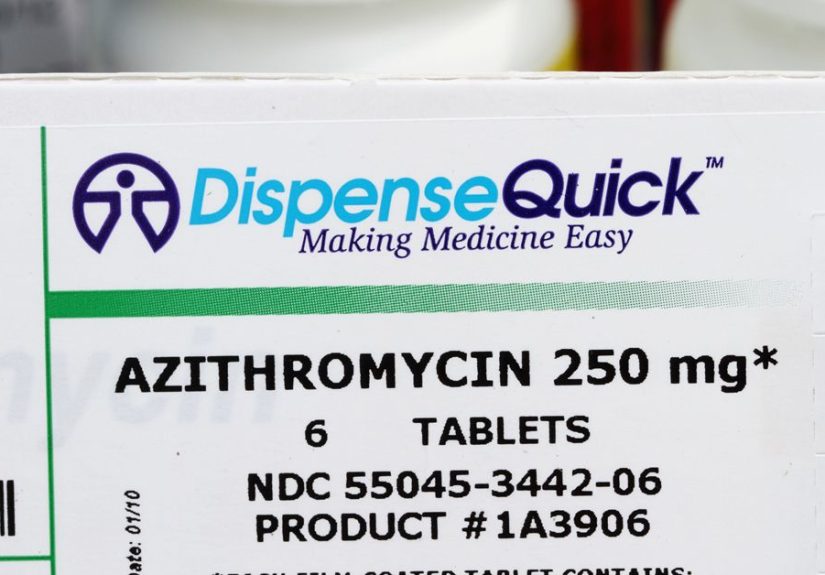
The medication is spelled azithromycin (brand name you may recognize: Zithromax, plus the famous
“Z-Pak” packaging). Now let’s talk about what you actually came for: will Medicare help pay for it,
or are you about to have a pharmacy-counter jump scare?
So… does Medicare cover azithromycin?
Usually, yesbut the “how” matters. In most cases, azithromycin is covered under
Medicare Part D (stand-alone drug plans) or a Medicare Advantage plan (Part C) that includes drug coverage.
That said, coverage is plan-specific, meaning your friend’s plan can cover it with a $0 copay while yours
might cover it with a higher copay, require certain rules, or prefer a different antibiotic.
Original Medicare (Part A and Part B) typically does not pay for most outpatient prescriptions you pick up at
a retail pharmacyso if you only have Parts A & B and no Part D (and no MA plan with drug coverage), you’ll likely pay
out of pocket for an oral azithromycin prescription.
What is azithromycin (and why is it prescribed so often)?
Azithromycin is a macrolide antibiotic used to treat certain bacterial infectionsthink some cases of bronchitis,
pneumonia, sinus infections, ear infections, certain skin infections, and some sexually transmitted infections (STIs). It
does not treat colds, flu, or other viral infections (sadly, antibiotics are not magical “feel-better-now” confetti).
Common forms you might see
- Tablets (often 250 mg or 500 mg)
- Oral suspension (liquid form, sometimes used for kids or adults who can’t swallow pills)
- IV (intravenous) azithromycin (typically used in hospitals or certain outpatient settings)
Medicare coverage depends on where (and how) you get the drug
Medicare coverage is less like a single rule and more like a choose-your-own-adventure book. The key question is:
Is this a retail prescription you take at home, or a drug administered in a medical setting?
Original Medicare (Part A & Part B)
-
Part A (hospital insurance) generally covers medications you receive as part of an inpatient hospital stay.
If you’re admitted and receive antibiotics as part of your treatment, they’re typically wrapped into the hospital coverage. -
Part B (medical insurance) usually covers drugs that are administered by a professional
in a doctor’s office or outpatient setting (often injections or infusions). Oral antibiotics you pick up at a pharmacy
are generally not Part B territory.
Medicare Part D (prescription drug coverage)
Part D is the main place oral azithromycin coverage lives. If your doctor writes you a prescription for tablets
or liquid azithromycin and you fill it at a pharmacy, Part D (or MA drug coverage) is usually what determines:
- Whether it’s covered at all (most plans cover many common generics, but formularies vary)
- What tier it’s on (which affects your copay/coinsurance)
- Whether rules apply (prior authorization, quantity limits, or other plan requirements)
- Which pharmacies give you the best price (preferred network pharmacies can matter)
Medicare Advantage (Part C) with prescription drug coverage
Many Medicare Advantage plans include Part D-style drug coverage. That means they also use a
formulary (drug list) and cost-sharing tiers, and they may have specific rules for how drugs are covered.
In most cases, if you have an MA plan that includes drug coverage, you can’t add a separate stand-alone Part D plan.
A quick “where is it covered?” cheat sheet
| Scenario | Which part of Medicare usually applies? | What this means for you |
|---|---|---|
| You pick up azithromycin tablets at a retail pharmacy | Part D (or MA drug coverage) | Coverage and cost depend on your plan’s formulary, tier, and pharmacy network |
| You receive IV antibiotics while admitted to the hospital | Part A | Medications are generally part of inpatient coverage |
| You receive a drug administered in a clinic or hospital outpatient setting | Often Part B (case-dependent) | Some drugs are covered when they aren’t usually self-administered |
Why your plan might cover azithromycin… but your wallet still feels it
Even when azithromycin is covered, what you pay can vary a lot. Here are the biggest cost drivers.
1) The formulary (drug list)
Every Part D or MA-PD plan has a formulary. If azithromycin is on the formulary, it’s generally covered
(though it might be covered only in certain forms, doses, or quantities).
2) Tier placement
Many plans place common generics on lower tiers, which usually means a lower copay. Brand-name options
(like Zithromax) can land on higher tiers, which may raise your cost. If your prescriber writes “brand only”
without a medical reason, your plan may not be thrilled.
3) Plan rules (yes, the fine print has a hobby)
Medicare drug plans may apply rules such as:
- Prior authorization: your plan wants approval before it will pay
- Quantity limits: caps on how much you can get at once
- Step therapy: “try a preferred option first” rules (more common for some drug classes than short-course antibiotics)
4) Pharmacy network and “preferred” pharmacies
Many plans offer lower prices at preferred in-network pharmacies. Translation: the same azithromycin prescription might
cost less at Pharmacy A than Pharmacy B, even in the same neighborhood.
5) The timing of your prescription
Early in the year, you may still be meeting your plan deductible (if your plan has one). Later in the year,
you might be past the deductible and paying only copays/coinsurance. The calendar can be oddly influential for a tiny antibiotic.
What does azithromycin cost with Medicare?
Costs vary by plan, pharmacy, and dosage. In general, generic azithromycin is often one of the more affordable antibiotics,
and many plans cover it. Still, “affordable” is a mood, not a guaranteeespecially if you’re using an out-of-network pharmacy
or your plan applies a deductible first.
Important 2026 cost protection to know
In 2026, Medicare drug coverage includes an annual out-of-pocket cap for covered Part D drugs (the cap amount is set for the year).
Once you reach that limit for covered drugs, your plan pays the rest for the plan year. Medicare also offers a payment option that can
help spread out-of-pocket costs over monthly payments rather than paying a big chunk at the pharmacy counter.
Realistic examples (illustrative, not a promise)
-
Example A: Your plan covers generic azithromycin on a low tier and you use a preferred pharmacy. You pay a small copay
(or possibly $0) for a standard short course. - Example B: Your plan covers it, but you haven’t met your deductible yet. You pay more upfront, then pay less later in the year.
-
Example C: The prescription is written as brand Zithromax when generic is available. Your cost may be higher (or the claim may need
additional justification).
How to check if your Medicare plan covers azithromycin
If you want the most accurate answer (and the least dramatic pharmacy experience), use this quick checklist:
Step 1: Confirm what you’re actually getting
- Is it azithromycin (generic) or Zithromax (brand)?
- Tablets, liquid, or something administered in a clinic?
- What dose and quantity?
Step 2: Look up the drug in your plan’s formulary
Search your plan’s drug list for “azithromycin.” Note the tier, any restrictions, and whether a preferred pharmacy is recommended.
Step 3: Ask the pharmacy to run a test claim
Pharmacies can often process the prescription and show your estimated cost. If something looks off, ask:
“Is this out-of-network?” or “Is the brand version being billed when the generic is covered?”
Step 4: If it’s not covered, ask about options
- Is there a covered alternative antibiotic appropriate for your infection?
- Can your prescriber write for the covered generic form?
- Can your prescriber request a formulary exception (if medically necessary)?
If your plan doesn’t cover it: practical moves that actually help
If azithromycin isn’t covered (or is covered in a way that makes your bank account sigh loudly), try these:
Ask about a covered alternative
Doctors often have multiple antibiotic choices depending on the infection, your allergies, local resistance patterns,
and your medical history. “Is there a covered option that works just as well for me?” is a fair question.
Switch pharmacies (seriously)
Preferred pharmacies can reduce costs. If your plan has a preferred network, moving the prescription to one can be the
easiest win.
Consider paying cash in rare cases
Sometimes the cash price may be competitive for common generics. Important nuance:
you generally can’t “stack” coupon pricing on top of a Medicare claimusually it’s either you use your insurance
or you pay cash. If you’re thinking about paying cash, ask the pharmacy for both prices so you can compare.
Safety reminders (because antibiotics aren’t candy, even if they come in a cute pack)
Azithromycin is widely used, but it’s still serious medication. Take it exactly as prescribed. Don’t save leftovers
for “next time.” And if you have heart rhythm issues or take medications that affect the QT interval, tell your clinician
azithromycin has known heart rhythm warnings for certain higher-risk patients.
Conclusion
Yes, Medicare can cover azithromycinmost commonly through Part D or a Medicare Advantage plan with drug coverage.
But your out-of-pocket cost depends on your plan’s formulary, tiering, pharmacy network, and whether you’re filling generic vs. brand.
If you’re unsure, check your plan’s drug list, use a preferred pharmacy, and have your pharmacy run the claim before you commit.
With the right plan details, azithromycin is often one of the less expensive “prescription surprises” you can have.
Real-World Experiences With “Does Medicare Cover Azithormycin?” (Extra )
Below are common, real-life-style scenarios people run into when trying to figure out whether Medicare covers azithromycin.
These are illustrative experiences (not medical advice), but if you’ve ever stood at a pharmacy counter blinking like a
confused owl, they’ll feel familiar.
Experience #1: The “Z-Pak Sticker Shock” Moment
A retiree gets prescribed a Z-Pak after a stubborn sinus infection. They assume it’s covered because “it’s a basic antibiotic.”
At pickup, the cost is higher than expected. The twist? The prescription was billed as brand Zithromax, not the generic.
Once the pharmacist flips it to generic azithromycin (and confirms the prescriber is okay with it), the price drops.
Moral of the story: always ask, “Is this the generic?”
Experience #2: The Preferred Pharmacy Plot Twist
Another person fills the prescription at their usual pharmacy, then learns their plan has “preferred” pharmacies with lower copays.
They transfer the prescription to a preferred in-network location and suddenly the price is friendlier. Same drug, same dose,
different pharmacy network rules. Medicare coverage didn’t changethe route you took through the maze did.
Experience #3: The January Deductible Surprise
Someone picks up azithromycin in early January and pays more than expected. The pharmacist explains: “You haven’t met your Part D
deductible yet.” A month later, a different prescription costs less because the deductible is partly satisfied. This feels unfair,
but it’s common. If you’re comparing prices year to year, remember that timing matters, especially early in the plan year.
Experience #4: When the Doctor Helps You “Speak Insurance”
A patient’s plan flags the prescription with a rule (or the claim processes oddly), and the pharmacy says it may need clarification.
The patient calls the doctor’s office; a nurse confirms the diagnosis and resubmits the prescription with the right details
(for example, confirming dose/quantity or switching formulation). Suddenly, it goes through. It’s not glamorous, but it’s real:
sometimes coverage is less “denied” and more “missing the magic words.”
Experience #5: The Best OutcomeYou Didn’t Need It
One more scenario: a person goes in expecting an antibiotic, but the clinician explains the symptoms point to a viral illness.
No azithromycin needed. The patient saves money, avoids unnecessary side effects, and gets a better plan for symptom relief.
Not as satisfying as walking out with a prescription, but honestly? It’s the healthiest plot twist.
If you take one thing from these experiences, let it be this: Medicare coverage is rarely a simple yes/no.
It’s “yes, if it’s the right form, on your formulary, billed correctly, and filled in the right place.” Not exactly a slogan,
but it’s trueand it can save you real money.