Table of Contents >> Show >> Hide
- First: What exactly is “pinkeye”?
- A quick self-check: Do your symptoms “fit” pinkeye?
- The 4 main types of pinkeye (and what they usually look like)
- Pinkeye… or something else?
- When to see a clinician ASAP (same day or urgent care/ER)
- What you can do today (safe, practical comfort care)
- Do you need antibiotics for pinkeye?
- Work, school, and “Am I contagious?”
- A simple “decision tree” you can use tonight
- Frequently asked questions
- Real-life experiences people often describe
- Bottom line
- SEO Tags
Short answer: maybe but a red, irritated eye has a surprisingly crowded “suspect list.” Pinkeye (also called conjunctivitis) is common and usually mild, but some look-alikes are not. This guide helps you triage symptoms, understand viral vs. bacterial vs. allergic conjunctivitis, and know what to do today (and when to get seen urgently).
Important: This article can’t diagnose you online. If you have severe pain, vision changes, major light sensitivity, or you wear contact lenses and your eye is very red/painful, get medical care the same day.
First: What exactly is “pinkeye”?
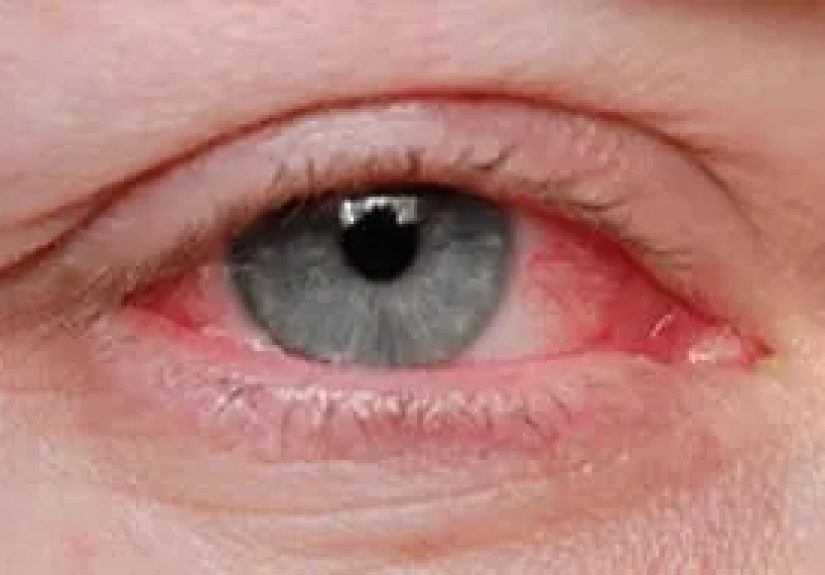
Pinkeye is inflammation of the conjunctiva the thin, clear tissue covering the white of your eye and lining the inside of your eyelids. When it’s irritated or infected, your eye can look pink/red, feel gritty, and produce discharge or tears.
Common causes include:
- Viruses (very common; often linked to colds)
- Bacteria (more common in kids than adults, but possible at any age)
- Allergies (itchy, often in both eyes)
- Irritants (smoke, chlorine, chemicals, contact lens irritation, dry air)
- Less common but serious conditions that can also cause “red eye” (keratitis, uveitis/iritis, acute glaucoma, scleritis)
A quick self-check: Do your symptoms “fit” pinkeye?
Use these clues like a weather forecast: helpful, but not perfect.
| What you notice | Often points toward | Why it matters |
|---|---|---|
| Watery tearing, mild gritty feeling, maybe started in one eye | Viral conjunctivitis | Common, contagious, usually improves with time + comfort care |
| Thick yellow/green discharge, eyelids “stuck shut” in the morning | Bacterial conjunctivitis | May resolve on its own, but sometimes antibiotics help or are recommended |
| Intense itchiness, both eyes, plus sneezing/runny nose | Allergic conjunctivitis | Not contagious; responds best to allergy treatments and trigger avoidance |
| Burning after smoke/chlorine/cleaning product exposure | Irritant conjunctivitis | Rinse + avoid the trigger; chemical burns need emergency evaluation |
| Severe pain, major light sensitivity, blurry vision | Not “simple pinkeye” until proven otherwise | Can signal cornea or internal eye inflammation; needs prompt care |
Two questions that help a lot
- Is it mostly itchy… or mostly painful? Itch leans allergic; pain leans “get evaluated,” especially if moderate-to-severe.
- Is your vision normal? Mild blurring from tears is one thing. Persistent blur is a red flag.
The 4 main types of pinkeye (and what they usually look like)
1) Viral conjunctivitis
This is the classic “my eye caught the same bug my nose did” situation. It often comes with cold symptoms, swollen eyelids, and watery discharge. It commonly starts in one eye and may spread to the other.
- Typical clues: watery discharge, gritty feeling, recent cold, swollen glands near the ear or jaw
- Contagious? Yes especially early on.
- How long? Many cases improve over days, but symptoms can linger for 1–2+ weeks.
2) Bacterial conjunctivitis
Bacterial pinkeye often brings more “goop.” Think thicker discharge and eyelids that feel glued together in the morning. It can happen in one or both eyes. While antibiotics are sometimes prescribed, mild cases may improve without them.
- Typical clues: mucopurulent (thicker) discharge, crusting, eyelids matted shut
- Contagious? Yes.
- When antibiotics are more likely: certain higher-risk situations (more on that below).
3) Allergic conjunctivitis
If your eyes are itchy like you rubbed them with a wool sweater and then watched a sad movie, allergies move up the list. Allergic conjunctivitis often affects both eyes and may come with seasonal symptoms.
- Typical clues: intense itching, watery eyes, both eyes, sneezing/runny nose, seasonal flare-ups
- Contagious? No.
- Best treatments: antihistamine/mast-cell stabilizer drops, cool compresses, allergy control
4) Irritant (non-infectious) conjunctivitis
Sometimes the culprit is not a germ or pollen it’s life. Smoke, chlorinated pools, dust, lash glue fumes, dry air, or contact lens irritation can inflame your eye.
- Typical clues: burning, stinging, watery eyes after exposure; usually less discharge
- Contagious? No.
- Key move: remove the irritant and soothe the surface
Pinkeye… or something else?
“Red eye” is a symptom, not a diagnosis. These conditions can mimic conjunctivitis and deserve prompt evaluation:
- Keratitis (corneal inflammation/infection): often more pain, light sensitivity, and vision issues higher risk with contact lens wear.
- Uveitis/iritis: pain, light sensitivity, and sometimes a smaller pupil.
- Acute angle-closure glaucoma: severe eye pain, headache, nausea, halos around lights, vision loss emergency.
- Scleritis: deep, severe pain and redness; can be linked to autoimmune disease.
- Subconjunctival hemorrhage: a bright red patch but typically little/no pain and no discharge (looks dramatic, often benign).
When to see a clinician ASAP (same day or urgent care/ER)
Get medical care promptly if any of the following apply:
- Moderate-to-severe eye pain
- Vision changes (persistent blurring, new trouble seeing)
- Strong light sensitivity
- Intense redness or worsening symptoms after a few days of basic care
- Contact lens wearer with significant redness, pain, or discharge
- Chemical exposure (especially cleaning products, solvents): rinse immediately and seek emergency care
- Eye injury or foreign body sensation that won’t go away
- Weakened immune system (certain conditions or treatments)
- Newborns with eye redness/discharge (always urgent)
What you can do today (safe, practical comfort care)
1) Pause contact lenses and eye makeup
If you wear contacts: stop until you’re fully better. Consider replacing disposable lenses and your lens case (and follow your clinician’s advice). Avoid eye makeup until symptoms resolve and don’t “save” mascara that may be contaminated.
2) Soothe the eye surface
- Cool compresses can ease burning/itching and reduce swelling.
- Artificial tears (lubricating drops) can reduce the gritty feeling. Use them as directed on the label. Don’t share drops.
- Gently clean discharge with clean water and a fresh cloth/cotton each time. Wipe inner corner → outer corner.
3) If itching is the headline symptom, treat it like allergies
Over-the-counter allergy eye drops (often antihistamine/mast-cell stabilizer types) may help a lot if your symptoms are primarily itchy/watery and you also have allergy signs (sneezing, seasonal pattern). Cool compresses help too.
4) Hygiene: the unglamorous hero
Infectious conjunctivitis spreads easily. If you suspect viral or bacterial pinkeye:
- Wash hands often (especially after touching your face).
- Don’t share towels, pillowcases, eye makeup, or eyedrops.
- Change pillowcases and face towels regularly while symptomatic.
- Avoid rubbing your eyes (yes, it’s unfair).
What not to do
- Don’t use leftover antibiotic drops from an old infection (wrong drug, contaminated bottle, wrong diagnosis).
- Don’t use steroid eye drops unless a clinician prescribes them for you (they can worsen certain infections).
- Don’t assume “more redness” means “more antibiotic.” Viral and allergic cases won’t improve from antibiotic drops.
Do you need antibiotics for pinkeye?
Sometimes but not automatically. Many cases of conjunctivitis are viral or allergic, and antibiotics won’t help those. Even mild bacterial conjunctivitis may improve without antibiotics. The goal is to treat the cause, not just the color of your eyeball.
Antibiotics may be considered when:
- Symptoms strongly suggest bacterial infection (notably thick, persistent discharge)
- You have higher-risk circumstances (for example, certain contact lens situations or immune compromise)
- Symptoms are not improving as expected
- A clinician suspects specific bacteria that require treatment
If antibiotics are prescribed, they’re usually in the form of eye drops or ointment. If your clinician thinks the cause is viral, the plan is typically supportive care (compresses, lubricating drops, hygiene) and time.
Work, school, and “Am I contagious?”
This is where pinkeye gets social. Viral and bacterial conjunctivitis can be contagious, but policies vary. Many public health and pediatric resources emphasize that kids (and adults) don’t always need to be excluded solely for conjunctivitis especially if they feel well and can practice hygiene. Some schools/daycares still require 24 hours of antibiotics, even though medical guidance often notes antibiotics may not change the course much for many cases.
Practical rules of thumb:
- If you have fever or systemic illness, stay home.
- If you can’t avoid close contact or can’t follow hygiene (young kids), consider staying home until improving.
- Whether you return may depend on clinician advice and local policy.
A simple “decision tree” you can use tonight
- Do you have severe pain, vision changes, strong light sensitivity, chemical exposure, or you wear contacts with significant pain/redness?
→ Get urgent evaluation. - Is itching the main symptom, in both eyes, with allergy signs?
→ Allergic conjunctivitis is likely; try allergy-focused care. - Is discharge mostly watery, with a recent cold and mild discomfort?
→ Viral conjunctivitis is likely; focus on comfort + hygiene. - Is discharge thick/yellow-green with eyelids stuck shut?
→ Bacterial conjunctivitis is possible; consider clinician guidance, especially if worsening or not improving.
Frequently asked questions
How long does pinkeye last?
It depends on the cause. Viral conjunctivitis can hang around for days to a couple of weeks (sometimes longer). Mild bacterial cases may improve over a few days but can linger. Allergic conjunctivitis can last as long as you’re exposed to the trigger.
Can I catch pinkeye from a pillowcase or towel?
It’s possible to spread infectious conjunctivitis by touching contaminated surfaces and then touching your eyes. That’s why handwashing and not sharing towels matter.
Can pinkeye be related to respiratory viruses?
Yes. Some viruses that cause “cold” symptoms can also cause conjunctivitis. If you have cough/sore throat plus watery red eyes, viral conjunctivitis becomes more likely.
Is it okay to use “get-the-red-out” drops?
Those drops can temporarily reduce redness by narrowing blood vessels, but they don’t treat the cause and may lead to rebound redness for some people. Lubricating drops and addressing the underlying cause are usually more helpful.
Real-life experiences people often describe
Below are common, real-world patterns people report when they’re trying to answer the big question: “Is this pinkeye?” These are illustrative scenarios (not medical records), meant to help you recognize what typically happens and what tends to help.
Experience #1: “I woke up and my eye was glued shut”
One of the most classic pinkeye moments is waking up to a crusty surprise. People often describe it like their eyelashes were “Velcroed together.” They rinse with warm water, blink a few times, and the eye looks red and irritated for hours. If the discharge keeps coming back thick and sticky throughout the day, many clinicians think bacterial conjunctivitis is possible especially if there’s also a daycare/school exposure. What usually helps in the short term is gentle cleaning, not rubbing, and being strict about hand hygiene. People are often surprised when a clinician says, “This may clear without antibiotics,” because culturally we’ve treated pinkeye like an automatic prescription. The takeaway many people learn: the discharge pattern over the next 24–48 hours matters more than the drama of the first morning.
Experience #2: “It started like a cold… then my eye joined the party”
This is the “I was already sniffling, and then my eye decided to get involved” storyline. People report watery tearing, mild burning, and that sand-in-the-eye sensation. It often starts in one eye and then the other eye follows a day or two later like an uninvited plus-one. In these cases, antibiotics usually don’t do much because the cause is often viral. Folks typically feel best using cool compresses, artificial tears, and taking a break from contact lenses and makeup. The most annoying part? The contagiousness and the social awkwardness of looking like you cried through an entire rom-com. People who do well usually treat it like a cold: rest, hygiene, and time plus keeping towels and pillowcases separate so the whole household doesn’t get a matching set of red eyes.
Experience #3: “It’s both eyes, it’s itchy, and it’s springtime”
Allergic conjunctivitis has a distinct vibe: itching that practically dares you to rub your eyes, watery tearing, and symptoms that show up alongside sneezing or a runny nose. People often think they “caught pinkeye,” but nobody else at home gets it because allergies aren’t contagious. Many describe a big improvement within hours to a couple of days after using allergy-focused eye drops (and avoiding triggers like pets in the bedroom or sleeping with windows open during high pollen days). A common lesson here is that itch is a key clue. If itching is the main symptom and discharge is mostly clear/watery, allergies shoot up the suspect list.
Experience #4: “I wear contacts, and this feels different”
Contact lens wearers often notice when eye irritation crosses the line from “dry and annoyed” to “something is wrong.” People describe sharper pain, increased light sensitivity, or feeling like something is stuck under the eyelid. This is the group where clinicians tend to be extra cautious because the cornea can be involved (keratitis), which is more serious than simple conjunctivitis. The experience many contact lens users report is: once they stop wearing contacts immediately and get evaluated, the plan becomes clearer sometimes it’s irritation, sometimes it’s an infection needing prescription treatment. The big practical takeaway: if you wear contacts and the eye is very red/painful, don’t wait it out.
If your experience doesn’t match any of the “typical” patterns or it’s getting worse instead of better that’s your cue to get a clinician’s eyes on your eyes.
Bottom line
Pinkeye is common and usually manageable, but it’s not the only cause of a red eye. Use symptom clues (itch vs pain, watery vs thick discharge, one eye vs both, cold/allergy history) to guide your next step and treat red flags like the emergency signals they are. When in doubt, an eye professional can quickly tell whether you’re dealing with simple conjunctivitis or something that needs targeted treatment.