Table of Contents >> Show >> Hide
- Why Whitewashed Terra Cotta Pots Are So Popular
- What You Need for DIY Whitewashed Terra Cotta Pots
- Step-by-Step Guide: How to Whitewash Terra Cotta Pots
- Whitewash Variations to Try
- Best Plants for Whitewashed Terra Cotta Pots
- How to Style Whitewashed Terra Cotta Pots
- Common Mistakes to Avoid
- How Long Do Whitewashed Terra Cotta Pots Last?
- Cleaning and Care Tips
- Extra Experience: What I Learned from Making DIY Whitewashed Terra Cotta Pots
- Conclusion
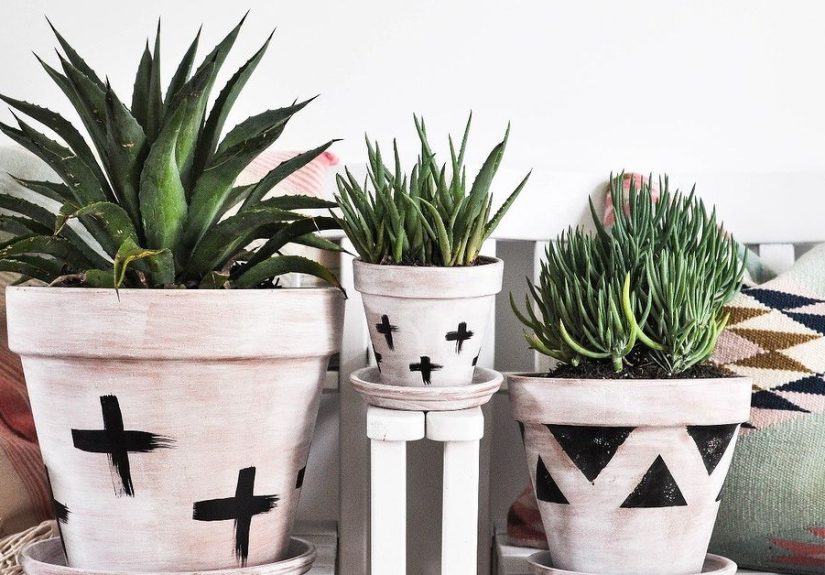
Whitewashed terra cotta pots are the home gardener’s version of a linen shirt: relaxed, classic, slightly rustic, and somehow able to make everything around them look more expensive. A basic orange clay pot is already charming, but a soft whitewash gives it that “I found this in a tiny antique garden shop in Provence” lookwithout the plane ticket, the luggage fees, or the need to pronounce “Provence” confidently in public.
The beauty of this project is that it is easy, affordable, and forgiving. You do not need to be a professional painter. You do not need a studio. You do not even need perfect brush strokes. In fact, the whole point is imperfection. A good whitewashed terra cotta pot should look weathered, layered, and naturally aged, as if it has spent several sunny seasons holding lavender beside a stone cottage.
This guide walks you through how to whitewash terra cotta pots step by step, what materials work best, how to avoid common mistakes, and how to style your finished planters indoors or outdoors. At the end, you will also find extra real-world experience and practical lessons that make the project smoother, prettier, and far less messy than learning everything the hard way.
Why Whitewashed Terra Cotta Pots Are So Popular
Terra cotta has been a gardening favorite for generations because it is simple, breathable, and visually warm. The natural clay color pairs beautifully with herbs, succulents, geraniums, olive trees, ferns, and trailing vines. But sometimes that bright orange tone can feel a little too new, especially if your style leans farmhouse, cottage garden, coastal, Mediterranean, rustic modern, or vintage-inspired.
Whitewashing softens the color without covering it completely. Instead of turning the pot into a flat white object, the technique allows some of the original terra cotta to show through. That contrast creates depth, texture, and a weathered finish. It is the difference between “fresh from the garden center” and “collected over time.”
Another reason DIY whitewashed terra cotta pots are so loved is their flexibility. You can make the finish barely-there and dusty, heavily aged and chalky, or somewhere in between. You can use acrylic paint, chalk paint, mineral paint, or a limewash-style mixture. You can apply it with a brush, sponge, rag, paper towel, or even an old sock if your craft drawer has entered its “chaotic genius” era.
What You Need for DIY Whitewashed Terra Cotta Pots
You do not need a huge shopping list for this project. Most of the supplies are inexpensive, and many may already be hiding in a garage, laundry room, or craft bin.
Basic Supplies
- Unglazed terra cotta pots and saucers
- White acrylic paint, chalk paint, mineral paint, or exterior latex paint
- Water
- Small mixing bowl or jar
- Paintbrush, foam brush, sponge, or clean rag
- Paper towels or old cloths for blotting
- Drop cloth, newspaper, or cardboard to protect your work surface
- Fine-grit sandpaper or sanding sponge
- Clear matte sealer suitable for clay or outdoor use, optional but useful
- Gloves, especially if you dislike paint under your fingernails for the next three business days
Optional Supplies for an Aged Finish
- Gray, beige, taupe, or tan craft paint
- Garden lime for a limewash-inspired look
- Plain yogurt for a natural mossy aged effect
- Dry brush for texture
- Soft wax or matte topcoat for decorative indoor pots
For beginners, the easiest method is paint plus water. It is simple, controllable, and dries quickly. Limewash creates a more mineral, chalky texture, while yogurt aging encourages a more organic, weathered patina over time. For a clean DIY project that gives quick results, diluted white paint is the most beginner-friendly route.
Step-by-Step Guide: How to Whitewash Terra Cotta Pots
Step 1: Choose the Right Pots
Start with unglazed terra cotta pots. The porous surface helps the whitewash grip and absorb slightly, which gives the finish a more natural look. Glossy ceramic pots can be painted, but they need different prep and primer. For this specific project, classic clay pots are the star of the show.
Look for pots with drainage holes if you plan to use them for real plants. Drainage matters because roots do not enjoy sitting in soggy soil. They are plants, not swamp monsters. If the pot will be decorative only, drainage is less important, but for herbs, succulents, flowers, and houseplants, a hole at the bottom is your friend.
Step 2: Clean the Surface
Dust, sticker residue, soil, and random mystery garage particles can interfere with the finish. Wipe new pots with a damp cloth and remove labels. If you are using older pots, scrub off loose dirt with a brush and let the pots dry completely before painting.
This drying step is more important than it sounds. Terra cotta absorbs moisture, and if the pot is damp, the paint wash may spread unevenly or look muddy. A dry pot gives you more control and a better distressed finish.
Step 3: Mix the Whitewash
For a classic whitewashed terra cotta pot, mix one part white paint with three to four parts water. If you want stronger coverage, use less water. If you want a softer, ghostly finish, add more water. The mixture should look like thin milk or light cream, not thick wall paint.
A good starting formula is:
- 1 tablespoon white paint
- 3 to 4 tablespoons water
Stir well until smooth. Test the mixture on the back or bottom of the pot. If it disappears too much, add a little more paint. If it looks too solid, add more water. Whitewashing is less like math and more like making soup: you adjust until it feels right.
Step 4: Apply the First Layer
Dip your brush, sponge, or rag into the mixture and apply it in small sections. Work around the pot rather than straight from top to bottom. Horizontal strokes often look more natural because they follow the shape of the pot. A rag gives a softer, rubbed-in finish. A brush gives more visible texture. A sponge creates mottled, aged patches.
Do not panic if the first swipe looks too white. While the paint is still damp, blot it with a paper towel or wipe it back with a wet cloth. The goal is to leave some white in the pores and low areas while letting the orange clay peek through.
Step 5: Build the Finish Slowly
The biggest mistake is trying to make the pot perfect in one coat. Whitewashing looks best when it is layered gradually. Add a little, wipe a little, step back, squint like a serious artist in a movie, and decide whether it needs more.
For a soft farmhouse look, one thin coat may be enough. For an aged European garden style, add a second coat in random areas. Focus extra whitewash near the rim, base, and raised details because those areas naturally catch mineral deposits and weathering outdoors.
Step 6: Distress the Pot
Once the paint is dry to the touch, lightly sand the edges, rim, and any raised lines. This removes some paint and makes the pot look naturally worn. Use fine-grit sandpaper and a gentle hand. You want “beautifully aged,” not “attacked by a raccoon with a sanding block.”
If the pot becomes too distressed, simply add a little more whitewash. This project is wonderfully fixable. That is one of its finest qualities.
Step 7: Seal the Pot
Sealing is optional, but it is a smart idea if the pot will live outdoors or be watered often. Terra cotta is porous, which is great for plant roots but tricky for painted finishes. Moisture can move through the clay and affect the paint over time.
Choose a clear matte sealer recommended for clay, masonry, or outdoor craft use. Avoid glossy finishes unless you specifically want shine. A matte sealer keeps the old-world look intact. Spray or brush on a light coat according to the product directions, then allow it to cure fully before planting.
Whitewash Variations to Try
Soft Cottage Whitewash
Use a very watery white paint mixture and apply it with a rag. Wipe most of it away while damp. The result is subtle, airy, and perfect for windowsills, herbs, and cottage-style patios.
Rustic Farmhouse Whitewash
Use chalk paint mixed with water until it reaches a thin batter-like consistency. Brush it on unevenly and blot with paper towels. Add a second coat around the rim and base for extra charm.
Old World Limewash Look
Mix garden lime with water until it becomes thin and milky, then brush it onto the pot in uneven strokes. Limewash gives a chalkier, mineral-style texture than regular paint. It looks especially beautiful on larger planters and outdoor groupings.
Layered Gray-and-White Patina
Start with a thin gray or taupe wash, let it dry, then add a whitewash layer over it. This gives the pot more depth and makes it look older. Keep the gray layer light, or the pot may begin to look more storm cloud than sun-washed garden treasure.
Best Plants for Whitewashed Terra Cotta Pots
Whitewashed pots pair well with plants that enjoy good drainage and a container that breathes. Herbs are a natural match, especially rosemary, thyme, oregano, sage, and lavender. These plants look beautiful against the soft white finish and often prefer soil that does not stay constantly wet.
Succulents also work well in small whitewashed clay pots. Try echeveria, jade plant, haworthia, sedum, or aloe. The pale finish highlights their sculptural leaves and makes a small collection look intentional instead of “I accidentally bought seven tiny plants again.”
For porch displays, consider geraniums, petunias, lantana, dusty miller, ivy, or trailing vinca. For indoor styling, whitewashed terra cotta pots look lovely with pothos, peperomia, snake plants, small ferns, and mini olive trees. Just remember that terra cotta dries faster than plastic, so check moisture levels regularly.
How to Style Whitewashed Terra Cotta Pots
Create a Grouped Garden Display
Whitewashed pots look best when grouped in different sizes. Use one large pot as the anchor, then surround it with medium and small pots. Vary the plant heights for a collected look. A tall rosemary plant, a rounded lavender, and a trailing ivy can make even a small balcony feel designed.
Use Them Indoors
Place whitewashed terra cotta pots on a kitchen windowsill with herbs, on a bookshelf with trailing plants, or on a console table with a small olive tree. Add a saucer under each pot to protect surfaces from moisture. Clay may be charming, but your wooden furniture did not volunteer as tribute.
Pair with Natural Materials
These pots shine beside linen, rattan, stone, reclaimed wood, jute, aged brass, and woven baskets. The soft white finish balances the warmth of natural textures and creates that cozy-but-not-cluttered look many people want in modern rustic decor.
Common Mistakes to Avoid
Using Too Much Paint
Whitewashing is not the same as painting something white. If the paint is too thick, it covers the terra cotta completely and loses the aged effect. Keep the mixture thin and build slowly.
Skipping the Cleaning Step
Paint does not love dust, dirt, or sticker glue. Clean first, dry fully, and your finish will look smoother and last longer.
Forgetting Drainage
If you are planting directly into the pot, make sure it has a drainage hole. Good drainage helps prevent root problems and makes container gardening much easier.
Over-Sealing the Pot
A heavy glossy sealer can make the finish look plastic. Use a light matte sealer if needed, and do not bury the natural texture under too much topcoat.
Expecting Every Pot to Match
Hand-finished pots should vary. That is the charm. If every pot looks identical, the display can feel manufactured. Let each one have its own personality, even if one of them seems to be going through a dramatic artistic phase.
How Long Do Whitewashed Terra Cotta Pots Last?
Indoors, whitewashed pots can look good for years with gentle care. Outdoors, the finish will naturally change with sun, rain, watering, and seasonal temperature shifts. This is not necessarily a problem. In many cases, the extra weathering makes the pots look even better.
If you want a cleaner look, reseal outdoor pots once a year and touch up the whitewash as needed. If you love a naturally aged style, let the finish evolve. Terra cotta develops character over time, and whitewash gives that process a stylish head start.
Cleaning and Care Tips
To clean whitewashed terra cotta pots, use a soft cloth or dry brush. Avoid harsh scrubbing unless you intentionally want to distress the finish. For outdoor pots, remove mineral buildup gently with a damp cloth. If the pot has been sealed, cleaning will be easier.
In cold climates, bring terra cotta pots indoors, place them in a protected area, or empty them before freezing weather. Clay can crack when water inside it freezes and expands. A little winter care can save your favorite pots from becoming very stylish rubble.
Extra Experience: What I Learned from Making DIY Whitewashed Terra Cotta Pots
The first thing you learn when making DIY whitewashed terra cotta pots is that the pot absorbs paint faster than expected. You may think you have plenty of time to blend, wipe, and adjust, but terra cotta has other plans. It drinks in the mixture quickly, especially if the pot is dry and unsealed. That is why working in small sections is so helpful. Instead of coating the entire pot and then trying to wipe it back, apply the wash to one area, soften it, then move on.
The second lesson is that less paint almost always looks better at the beginning. A tiny amount of white paint can go surprisingly far once mixed with water. If the first layer looks too faint, you can add more. But if you start with a thick coat, removing it can be annoying. You may end up sanding more than planned, which is fine, but your quick afternoon craft may suddenly become a full personality test.
A rag often gives the most natural finish. Brushes are great for texture, but they can leave obvious stroke marks if the mixture is too thick. A damp rag lets you rub the paint into the clay and wipe away the excess at the same time. Old cotton T-shirts work beautifully. Paper towels work too, although they can leave little fibers if they get too wet. A sponge is useful for blotchy, aged effects, especially around the rim and base.
Another useful experience is to whitewash the saucer at the same time as the pot. It sounds obvious, but it is easy to finish the pot, admire your work, and then notice the saucer sitting there looking brand new and extremely orange. Matching the saucer makes the finished planter feel complete. Do the inside rim as well, especially if the pot will hold a smaller nursery pot instead of being planted directly. That inner edge often shows.
Drying changes the color. A pot that looks very white while wet may dry softer and more transparent. A pot that looks perfect in indoor lighting may look different outside in full sun. For the most accurate result, let the first coat dry before deciding whether to add another. This small pause can save you from overworking the finish.
It also helps to make several pots at once. A single whitewashed pot is pretty, but a group of three or five looks more intentional. You can vary the finish slightly from pot to pot. Make one more faded, one more chalky, and one more distressed. When grouped together, the differences create the feeling of collected vintage planters rather than a matching set from aisle seven.
For outdoor use, sealing is worth considering, but it changes the look slightly. Some sealers deepen the color or reduce the powdery texture. Always test the sealer on the bottom of the pot first. If the finish becomes too dark or shiny, try a different matte product or skip sealing and accept natural weathering. Sometimes the best finish is the one that keeps changing with the garden.
Plant choice also affects the final look. Silver-green plants such as lavender, dusty miller, sage, and olive trees look especially elegant in whitewashed terra cotta. Bright flowers like geraniums or petunias create a cheerful cottage effect. Succulents make the pots feel clean and modern. Herbs are practical and beautiful, especially near a kitchen door where you can casually harvest rosemary and feel like you have your life together.
The biggest takeaway is that this project rewards imperfection. Uneven color, exposed clay, dry-brushed streaks, and rubbed edges are not mistakes; they are the entire point. The pot should look touched by weather, not manufactured by a robot. Once you stop trying to control every mark, the process becomes relaxing. It is quick, inexpensive, and satisfyingthe rare DIY project that can genuinely be finished before your coffee gets cold.
Conclusion
DIY whitewashed terra cotta pots are a simple way to turn basic clay planters into charming, aged-looking pieces for your home, porch, balcony, or garden. With a little paint, water, and patience, you can create a soft vintage finish that works with farmhouse decor, cottage gardens, Mediterranean patios, coastal spaces, and modern rustic interiors.
The key is to keep the whitewash thin, build layers slowly, and allow the natural clay color to show through. Clean the pots first, work in small sections, distress lightly, and seal only if needed. Whether you use them for herbs, flowers, succulents, or decorative styling, whitewashed terra cotta pots bring warmth, texture, and personality to any space.
Best of all, this DIY project does not demand perfection. It actually looks better when it is a little uneven, a little worn, and a little “found in an old garden shed.” That makes it ideal for beginners, budget decorators, plant lovers, and anyone who believes a plain pot deserves a tiny glow-up.