Table of Contents >> Show >> Hide
- Why “just jaw pain” can be a dangerous sentence
- The high-stakes causes you shouldn’t “sleep on”
- The common culprits (still worth treating)
- Why surges make jaw pain more dangerous: the “delay effect”
- Jaw pain triage: a practical checklist
- How to reduce stress clenching (a.k.a. “Zoom jaw”)
- Conclusion: Ignoring jaw pain is a bad bargain
- Real-Life Experiences: What Jaw Pain Cost People During the Delta Era
During the Delta wave, a lot of us developed a new hobby: ignoring our bodies. We ignored the ache because “it’s probably stress.”
We ignored the weird twinge because “the ER is busy.” We ignored the jaw pain because “I did chew that bagel like it owed me money.”
And sometimes? Sure. It was stress. Or a cranky temporomandibular joint (TMJ). Or a tooth that finally decided to unionize.
But jaw pain has a dark sense of humor: it can look harmless while quietly waving a red flag for something much biggerlike a heart problem,
a spreading dental infection, or an inflammatory condition that can threaten vision. The point of this “Delta surge warning” isn’t to make you
panic every time you yawn wrong. It’s to make you pause, triage, and act before a preventable problem turns expensivein money,
time, and health.
Why “just jaw pain” can be a dangerous sentence
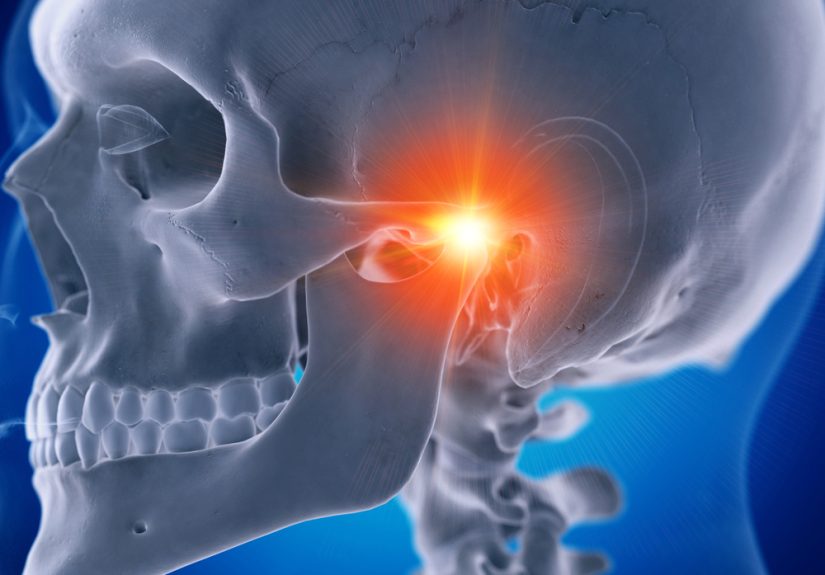
Your jaw is a crowded neighborhood. Teeth, nerves, muscles, joints, sinuses, blood vesselseverybody’s living on top of each other,
and the mail gets misdelivered all the time. That’s why pain in the jaw can be:
- Local (TMJ irritation, teeth grinding, a cracked tooth).
- Referred (pain felt in the jaw even though the problem is elsewhere, like the heart).
- Systemic (inflammation or infection affecting the whole body).
The tricky part is that the jaw doesn’t come with a “source label.” So your job isn’t to diagnose yourself with a search bar.
Your job is to recognize patterns and danger signs.
The high-stakes causes you shouldn’t “sleep on”
Heart attack and angina: when the jaw is the messenger
Most people picture a heart attack as chest pain + dramatic clutching + collapsing into a perfectly timed slow-motion scene.
Real life is ruder and less cinematic. Heart-related pain can show up as discomfort in the chest, arms, back, neckor yes, the jaw.
Sometimes it’s pressure, heaviness, tightness, or a spreading ache rather than sharp pain.
This matters because people can dismiss jaw pain as dental or “TMJ stuff,” especially if they don’t feel classic chest pain.
And while everyone can have varied symptoms, women are often more likely to report additional symptoms alongside chest discomfortlike
shortness of breath, nausea, or unusual fatiguemaking the overall picture easier to misread.
Bottom line: If jaw pain shows up with chest discomfort, shortness of breath, sweating, nausea, lightheadedness, or a feeling
that something is very wrong, treat it as an emergency. Call 911. Don’t drive yourself. Don’t “wait 20 minutes and see.”
Your heart is not a microwave dinneryou don’t need to “let it finish.”
Giant cell arteritis: jaw pain that can steal sight
Here’s a less famous but extremely serious player: giant cell arteritis (also called temporal arteritis).
It usually affects adults over 50 and involves inflammation in blood vesselsoften around the temples.
Symptoms can include new headaches, scalp tenderness, jaw pain (especially while chewing), and vision changes.
The reason this makes the “high-stakes” list is simple: untreated giant cell arteritis can lead to permanent vision loss.
If you’re older and suddenly develop jaw pain with chewing plus a new headache, scalp tenderness, or any visual symptoms,
that’s not a “book an appointment next month” situation. That’s a “call today” situation.
Serious dental infection (tooth abscess): a small tooth, a big problem
A tooth abscess is an infection that can create a pocket of pus around a tooth or in the gums. It can cause severe tooth pain
that radiates to the jaw, ear, or neck. You might also see swelling in the face or jaw, a bad taste, fever, tender lymph nodes,
or pain when chewing.
Dental infections aren’t “just dental.” If an infection spreads, it can become dangerous fast. The most urgent red flags are swelling
that affects breathing or swallowing, rapidly worsening facial swelling, high fever, confusion, or feeling severely ill.
In those cases, go to the emergency room immediately.
If you suspect an abscess but don’t have emergency symptoms, you still need prompt dental evaluation. Waiting “until it bursts”
is not a strategyit’s a plot twist you don’t want.
The common culprits (still worth treating)
TMJ disorders and jaw muscle overwork
Temporomandibular disorders (TMDs) are a broad group of conditions affecting the jaw joint and the muscles that move it.
They can cause jaw pain, clicking or popping, headaches, facial soreness, difficulty chewing, or a jaw that feels “stuck.”
Many cases improve with conservative care, but persistent pain deserves evaluation.
Delta-era life didn’t help. Stress ramps up clenching and grinding. Working from home encourages weird posture.
And if you’ve ever caught yourself holding your jaw tight while answering an email that should’ve been a Slack message,
congratulationsyou’ve met the muscle version of doomscrolling.
Useful self-care for suspected TMJ/muscle pain often includes heat or ice, softer foods for a short period, avoiding gum chewing,
relaxing the jaw (teeth slightly apart, tongue resting gently on the roof of the mouth), and addressing clenching habits.
Dentists may recommend a night guard for grinding. Physical therapy can also help in some cases.
Trigeminal neuralgia: “electric shock” face pain
If your pain feels like sudden electric shocks or stabbing bursts on one side of the faceoften triggered by brushing teeth,
chewing, talking, or even a light touchtrigeminal neuralgia is a possibility.
It’s not “in your head” (well, technically it is, but you know what I mean). It’s a nerve pain condition that can be severe
and deserves medical evaluation because treatment can make a big difference.
Injury, arthritis, sinus, and ear issues
Jaw pain can also come from trauma (a hit to the face, a fall, a sports injury), arthritis in the jaw joint, or inflammation
and pressure from nearby structures like sinuses and ears. If your jaw pain follows an injury, you can’t open/close your mouth normally,
or the bite suddenly feels “off,” get checked promptly.
Why surges make jaw pain more dangerous: the “delay effect”
During major COVID surges, many people avoided urgent care because they feared exposure, worried hospitals were overwhelmed,
or didn’t want to “bother anyone.” Data from the early pandemic showed notable drops in emergency department visits for time-sensitive
emergencies like heart attacks and strokesconditions that do not politely pause during a public health crisis.
Delta added a psychological layer: “Everything is COVID until proven otherwise.” That mindset sometimes turned jaw pain into background noise.
But a surge is exactly when you should stick to a simple rule: urgent symptoms are still urgent.
Calling 911 for chest pressure plus jaw pain is not dramatic. It’s responsible.
Many health systems improved infection-control practices during the pandemic, and emergency departments continued to treat critical issues.
If you’re scared, call your clinician or nurse line for guidance. But don’t let fear become a medical decision-maker with a terrible résumé.
Jaw pain triage: a practical checklist
Medical note: This is general information, not personal medical advice. When in doubt, especially with new or severe symptoms, seek care.
Call 911 (or emergency services) now if jaw pain comes with:
- Chest pain/pressure, or discomfort spreading from chest to jaw, neck, back, or arm
- Shortness of breath, sweating, nausea/vomiting, dizziness, fainting, or unusual weakness
- New confusion, trouble staying awake, or severe distress
- Rapidly worsening swelling of face/jaw, trouble breathing or swallowing
- Severe jaw injury, suspected fracture, or jaw dislocation
- Any sudden vision changes with jaw pain (especially in adults over 50)
Call a dentist within 24–48 hours if you have:
- Severe tooth pain that radiates to the jaw/ear/neck
- Gum swelling, facial swelling, fever, foul taste, or a draining “pimple” on the gum
- Pain when chewing, or a tooth that feels loose or unusually sensitive
Schedule a clinician visit soon (or urgent care if worsening) if you have:
- Jaw pain lasting more than a week, recurring flare-ups, or limited jaw opening
- Jaw clicking/popping with pain, headaches, or difficulty chewing
- Electric-shock facial pain triggered by touch, chewing, or brushing teeth
- Jaw pain with new headaches, scalp tenderness, or fatigue (especially age 50+)
If it looks like tension/TMJ and no red flags are present, try 48–72 hours of smart self-care:
- Soft foods and smaller bites (your jaw doesn’t need CrossFit right now)
- Heat or ice (choose whichever reliably reduces pain)
- Avoid gum, nail biting, wide yawns, and “testing” the pain every five minutes
- Jaw relaxation: lips closed, teeth apart, tongue resting gently on the palate
- Over-the-counter pain relief if safe for you (follow label directions)
- Stress downshifts: short walks, breathing exercises, and sleep hygiene
If pain escalates, function worsens, or you’re not improving, stop negotiating with your symptoms and get evaluated.
How to reduce stress clenching (a.k.a. “Zoom jaw”)
Many people discovered during pandemic life that they were clenching without realizing it. The jaw muscles are loyal like that:
they’ll work overtime without filing a complaintuntil they file a complaint with interest.
- Do a “jaw check” during routine moments (opening email, waiting for a meeting, doomscrolling). If teeth are touching, relax.
- Set micro-breaks: every 30–60 minutes, drop shoulders, unclench, and take 3 slow breaths.
- Mind your posture: forward-head posture can feed neck and jaw strain. Bring screens up; bring shoulders down.
- Consider a night guard if grinding is suspectedask a dentist rather than buying a one-size-fits-nobody device.
- Skip the jaw Olympics: stop chewing ice, pens, or rage.
Conclusion: Ignoring jaw pain is a bad bargain
Jaw pain is commonand often fixable. But it’s also one of those symptoms that occasionally serves as the opening line of a serious problem.
Delta (and every surge after it) taught a hard lesson: delaying care doesn’t make emergencies less real; it just makes them more complicated.
If your symptoms fit a red-flag pattern, act fast. If they fit a dental or TMJ pattern, act promptly.
Either way, don’t let “probably nothing” become “why didn’t I go sooner.”
Real-Life Experiences: What Jaw Pain Cost People During the Delta Era
These are composite, anonymized stories based on common clinical patternsmeant to illustrate decision points, not replace medical advice.
1) The “It’s Just Stress” Workaholic
Marcus (not his real name) was juggling deadlines, quarantines, and a constant stream of bad news. One afternoon he felt a dull ache
along his jawline and blamed it on clenching. That night, it came backalong with a strange heaviness in his chest and a cold sweat that
he chalked up to anxiety. He decided to “sleep it off” because hospitals were “probably slammed.”
By morning, the pain had moved into his shoulder and he felt short of breath walking from the bedroom to the kitchen. His partner called 911,
and Marcus later learned he was having a heart attack. The doctors told him something simple but brutal: minutes matter.
Marcus recovered, but cardiac rehab took months, and he still regrets the debate he had with himself at 2 a.m.
His takeaway now is blunt: if jaw pain shows up with chest pressure, breathlessness, nausea, sweating, or dizziness, don’t negotiatecall.
2) The “I’ll Wait Until After I Test” Parent
Tanya had a tooth that “sometimes acted up,” but during the Delta surge she avoided dental offices unless absolutely necessary.
When her jaw started throbbing, she assumed it was inflammation and tried saltwater rinses, ibuprofen, and heroic denial.
A few days later, her cheek looked puffy. She told herself it was a sinus issue.
Then she spiked a fever and woke up with swelling that made swallowing uncomfortable. That’s when she went inurgent dental care first,
and then escalation because the infection was spreading. After treatment, she wished she had come in when it was “just pain,” before it became
pain plus fever plus facial swelling. Her advice to friends is practical: tooth pain that radiates to the jaw, plus swelling or fever,
is a “call today” problem, not a “next week” problem.
3) The “It’s Probably TMJ” Retiree
Luis was 67 and used to occasional jaw soreness. When he noticed pain while chewinglike his jaw muscles got tired quicklyhe assumed it was TMJ.
He also had a new headache that he blamed on poor sleep. Over a couple of weeks, the headaches persisted, and one day he noticed brief blurring in
one eye. He almost ignored it because he’d been hearing nonstop about COVID risks and didn’t want extra appointments.
Thankfully, he mentioned it to his clinician during a phone visit. He was sent for urgent evaluation and treated for giant cell arteritis.
Luis later learned that untreated inflammation can threaten vision. His lesson: jaw pain with chewing in adults over 50especially with new headaches,
scalp tenderness, or any vision changesis not a DIY situation. It’s time-sensitive.
These stories share one theme: jaw pain isn’t always a crisis, but it’s often a crossroads. If you pick the “wait and see” road, do it with a plan,
a timeline, and a clear line you won’t cross. That’s how you keep a manageable problem from turning into a high-price surprise.