Table of Contents >> Show >> Hide
- Why the Solstice Keeps Coming Back Into Style
- The Solstice Aesthetic: Light, Nature, and a Little Bit of Ceremony
- Current Solstice Obsessions for Home and Garden
- How to Live the Solstice Instead of Just Posting About It
- A Solstice Dinner, the Obsessed Way
- Why the Solstice Feels So Personal Right Now
- Extra Experience Section: Living Through a Solstice Weekend
- Conclusion
- SEO Tags
The solstice does this funny thing every year: it sneaks up like a cosmic houseguest, kicks off its shoes, opens all the windows, and reminds us that time is not just something on a calendar. It is light on the floorboards. It is dinner outside at 8:17 p.m. It is herbs getting bossy in the garden. It is the sudden urge to buy linen napkins, clip flowers from the yard, and behave as if your porch is a Mediterranean villa instead of a place where Amazon boxes go to think.
That is why Current Obsessions: Solstice feels less like a headline and more like a mood. The solstice is not only an astronomical turning point. It is also a design instinct, a lifestyle shift, and a permission slip to live a little more seasonally. The best solstice ideas are not fussy or performative. They are simple, tactile, and rooted in real life: more daylight, better produce, slower evenings, natural materials, wild greens, and rooms that feel connected to the outdoors.
In other words, the solstice is the annual reminder that maybe the good life is not hiding in a productivity app. Maybe it is sitting right there in a bowl of cherries, a sun-warmed patio chair, and a table that looks casually elegant because you stopped trying so hard.
Why the Solstice Keeps Coming Back Into Style
The science is straightforward, and honestly, kind of magical. The seasons happen because Earth is tilted on its axis, which changes how directly sunlight reaches each hemisphere over the year. Around the June solstice in the Northern Hemisphere, daylight stretches to its longest point and the sun’s rays feel strongest. That annual shift does not just change the sky; it changes how people cook, gather, decorate, garden, and move through their homes.
And humans, being dramatic little nesting creatures, have always responded to that light. Solstice traditions across cultures have involved bonfires, feasts, rituals, ocean dips, flowers, storytelling, and celebrations tied to the longest or shortest day of the year. Long before modern trend cycles, people already knew what designers and lifestyle editors keep rediscovering: when the light changes, everything changes.
That helps explain why the solstice keeps turning up in home and style coverage. It is not just about astronomy. It is about atmosphere. The solstice marks a transition point, and transition points make people crave intention. We edit our rooms. We reset the table. We want our houses to feel more alive, less sealed off. We stop tolerating sad indoor lighting and start asking bigger questions, like, “Should dinner happen outside?” and “Do I need twelve lemons in a bowl for emotional support?”
The Solstice Aesthetic: Light, Nature, and a Little Bit of Ceremony
The emerging solstice aesthetic is easy to spot once you know what to look for. It favors botanical patterns, sun-washed color palettes, handmade objects, natural fibers, and rooms that feel like they breathe. It leans toward wood, stone, rattan, linen, and ceramics rather than anything too slick or synthetic. It is less “perfectly staged showroom” and more “someone here definitely sliced peaches five minutes ago.”
That sensibility shows up beautifully in editorial inspiration around the topic. A “Current Obsessions: Solstice” roundup from Remodelista captured the season through a mix of botanical wallpaper, low-impact home goods, hand-painted garden trugs, and attention to homes and spaces that connect rest with nature. One standout example was LaTonya Yvette’s Mae House, a color-saturated 172-year-old farmhouse in upstate New York that doubles as a place of restoration and retreat. That pairing of beauty and refuge is very solstice-coded: the home as sanctuary, not performance.
It is also why seasonal design stories keep circling back to simple summer tables, flexible outdoor seating, garden flowers, and natural materials. Better Homes & Gardens has highlighted the power of mixing garden colors with natural textures and uncomplicated blooms for summer tablescapes. House Beautiful frames patios as extensions of the home’s interior rather than an afterthought. Martha Stewart’s summer entertaining guidance takes a similar view, treating outdoor meals not as chaotic cookout emergencies but as elegant, intentional occasions. In other words, the solstice look is not random. It is a whole philosophy disguised as a very good table.
What defines the look?
A true solstice-inspired space usually includes three things: natural light, organic texture, and a soft sense of ritual. Think gauzy curtains that move when a breeze dares to exist. Think branches in a pitcher, not a floral arrangement that looks like it has a management team. Think candles at twilight even though the sky is still half-blue. The goal is not abundance for abundance’s sake. It is atmosphere with pulse.
Current Solstice Obsessions for Home and Garden
1. Botanical everything
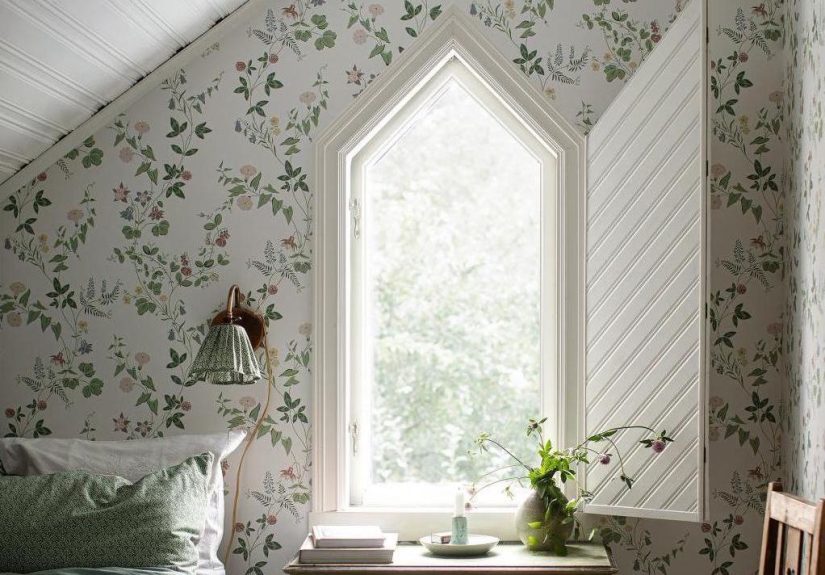
The solstice practically begs for leaves, vines, florals, and patterns that feel lifted from a conservatory sketchbook. Botanical wallpaper, block prints, wildflower table linens, and garden-inspired ceramics all make sense right now because they mirror what is happening outdoors. When the world is leafing out, nobody wants a room that feels emotionally fluorescent.
2. Outdoor rooms that actually work
One of the smartest ideas in recent outdoor design coverage is treating the patio, terrace, or porch as a real room. That means portable seating, layered lighting, dining zones, and enough comfort to encourage people to linger after dinner. The best summer solstice ideas are not about impressing guests; they are about making it easy to stay outside longer. A bench that moves. A side table that holds sweating glasses without complaint. A throw for when the air cools and someone inevitably says, “Wow, it got chilly fast.”
3. Tables set with seasonal confidence
Summer tables look best when they stop trying to be precious. Garden flowers, mixed vessels, natural linens, and simple plates go a long way. The solstice mood loves an unfussy centerpiece: cut greenery, branches, herbs, or flowers that look freshly gathered instead of aggressively curated. You want guests to think, “This is beautiful,” not, “Did the centerpiece require a board meeting?”
4. Low-impact, useful objects
Another strong thread in solstice-inspired design is the preference for functional objects with a gentle footprint. Remodelista’s roundup nodded to recycled-paper baskets, storage tables, and poufs, which makes sense. The solstice mindset often overlaps with seasonal living: buy less, choose better, use what you own well, and favor pieces that connect sustainability with pleasure. Practicality, but make it pretty.
5. Wild gardens and pollinator-friendly planting
Garden culture is having a well-deserved romance with the slightly unruly. Instead of forcing landscapes into strict obedience, more people are embracing native plants, pollinator support, and the idea that some “weeds” are actually useful. Pollinators help plants produce fruit and seeds, and they are critical to both food systems and biodiversity. That reality gives the solstice garden its deeper meaning: the prettiest yard is not always the most clipped one. Sometimes the most beautiful thing is a space that hums.
How to Live the Solstice Instead of Just Posting About It
There is nothing wrong with a cute solstice dinner photo. The internet loves a glowing table and a suspiciously photogenic peach. But the best version of this season is experiential, not performative. The real pleasure comes from participating in the rhythms that the solstice points to.
Follow the light
Light strongly affects circadian rhythms, and daylight patterns can influence alertness and sleep. Morning light tends to move the body clock earlier, while evening light can push it later. That makes the solstice season a good time to notice how your home supports light exposure. Open the shades earlier. Eat breakfast where the sun reaches. Move a reading chair closer to a window. Let the architecture of your day respond to actual daylight instead of only to notifications.
Eat what the season is giving you
Seasonal produce is part of the solstice magic. USDA guidance encourages exploring produce by season, and summer brings an abundance that practically writes the menu for you: berries, peppers, cucumbers, tomatoes, peaches, herbs, greens, corn, cherries, and more. Food media leans hard into that bounty for good reason. Peak-summer recipe roundups are full of juicy salads, grilled vegetables, fruit-forward desserts, and dishes that taste like they were designed by sunshine itself.
This is also why solstice food works best when it stays relaxed. Big platters. Cold drinks. Something grilled. Something crunchy. Something you can eat with your shoes off. If there is a moment for complicated lasagna, this is not it.
Bring nature closer on purpose
Psychology research has repeatedly linked time in nature with benefits such as better mood, lower stress, and improved attention. That does not mean you need to become a woodland mystic by Tuesday. It just means the solstice offers a useful cue: be outside more, and let your home reflect that contact. Clip mint for the table. Keep a basket by the door for garden shoes. Grow herbs in pots if you do not have a yard. Make the boundary between indoors and outdoors a little blurrier.
A Solstice Dinner, the Obsessed Way
If you want the fastest route into the Current Obsessions: Solstice mood, host a dinner. Not a stressful, six-course production with a spreadsheet. A small, glowing, lingering dinner that starts in daylight and ends in candlelight.
The formula is charmingly simple
Start with a table in shade or partial shade if you are outdoors. Use natural materials: linen napkins, ceramic plates, wooden boards, woven chargers, or glassware that catches the light. Add simple flowers or herbs in mixed containers. Keep the menu seasonal and forgiving: tomatoes, grilled corn, peaches, green salad, a roast chicken or grilled fish, maybe a berry dessert that looks rustic on purpose. Serve drinks that feel cold enough to reset a personality.
What matters most is the pacing. The solstice dinner should feel slow. It should have room for second helpings, drifting conversation, and the moment when everyone notices the sky has changed color without anyone announcing it like a weather presenter. This is where the solstice excels: it turns dinner into an event without requiring fireworks. The light does most of the work.
Why the Solstice Feels So Personal Right Now
The deeper appeal of the solstice is emotional. We are living in an era that often feels overlit in the wrong ways: screens late at night, too much digital noise, too little seasonal awareness, and homes that sometimes function more like charging stations than places of restoration. The solstice interrupts that pattern. It asks us to notice where the sun lands, what is growing, what is worth gathering around, and how our spaces support rest.
That is why the Mae House example lands so strongly. The most resonant solstice spaces are not just attractive. They offer relief. They restore the nervous system a little. They create room for people to be human, which sounds obvious until you look around and realize how many modern spaces are optimized for everything except that.
So yes, the solstice is beautiful. Yes, it looks excellent in editorial spreads. Yes, it gives every design lover an excuse to suddenly care very deeply about hand-painted trugs. But underneath the aesthetic charm is a more durable truth: the solstice reminds us that homes are seasonal instruments. They are meant to change with the light, with our habits, and with the kinds of care we need in different parts of the year.
Extra Experience Section: Living Through a Solstice Weekend
There is a particular kind of happiness that only shows up on a solstice weekend. It begins quietly. Morning light arrives a little earlier than expected, sliding across the bed like it has an appointment. You open a window, and the air feels almost staged, as though someone from the weather department was told to “make it cinematic, but believable.” The coffee tastes better. The house feels less like a structure and more like a participant.
By late morning, the whole day seems to expand. That is one of the best things about the solstice: time feels roomy. There is enough of it to do practical things and still drift. You water pots, trim mint, wipe down the outdoor table, and suddenly those chores no longer feel like chores. They feel like tuning an instrument before a performance. Even grocery shopping becomes part of the ritual. You come home with peaches, tomatoes, a loaf of bread, a wedge of cheese, a bottle of something cold, and flowers you absolutely did not need but spiritually required.
The afternoon has its own lazy confidence. Maybe a friend stops by. Maybe nobody does, and that is even better. The house glows in a different way during solstice season. Corners that usually seem flat pick up depth. Wood tones get warmer. Ceramic bowls look like art. The patio or balcony starts making unreasonable promises, like “Tonight will be perfect,” and for once it is not lying.
Then evening arrives, and this is where the obsession becomes understandable. Dinner outdoors does not feel like a trend; it feels like the obvious thing humans were always supposed to do when the light lingers this long. Glasses clink. Ice sweats. Someone reaches for more salad. Someone else talks too passionately about basil. The candles get lit before they are strictly necessary, because that is part of the pleasure. The sky turns from blue to gold to that strange bruised lavender that makes everybody softer for a few minutes.
What stays with you is not one dramatic moment. It is the accumulation of small sensory details: the scent of herbs on your fingers, the warm tabletop under your wrist, a bee making one final, unhinged lap through the garden, a friend laughing from the far end of the table, the realization that nobody has looked at a phone in half an hour. The solstice has a way of making ordinary things feel ceremonial without making them feel stiff.
And later, when the plates are stacked and the chairs are slightly out of place and the air cools just enough to make you pull on a sweater, the whole day feels like proof of concept. This is what seasonal living can be. Not perfection. Not performance. Just a home and a day aligned with each other. That may be the real reason Current Obsessions: Solstice resonates so much. It is not about being trendy. It is about remembering how good it feels when your life, your space, and the natural world stop acting like distant acquaintances and finally sit at the same table.
Conclusion
Current Obsessions: Solstice is more than a stylish phrase. It captures a whole way of seeing the season: more daylight, more gathering, more texture, more nature, more intention. Whether you interpret it through a backyard dinner, a pollinator-friendly garden, botanical prints, simple flowers, or a house that opens itself to the outdoors, the message is the same. The solstice invites us to live with the season instead of merely passing through it.
And maybe that is the obsession worth keeping. Not the trendy object. Not the perfect table. Not the exact right linen stripe. Just the practice of noticing what the light is asking for and answering with something warm, generous, and alive.