Table of Contents >> Show >> Hide
- What Happened in the Cucumber Salmonella Outbreak?
- Which Cucumbers Were Recalled?
- Why Salmonella on Cucumbers Is a Big Deal
- How Did Investigators Link the Outbreak to Cucumbers?
- What Consumers Should Do During a Cucumber Recall
- What Businesses Should Learn From the Recall
- Why Produce Recalls Can Spread Across So Many States
- How to Reduce Salmonella Risk From Cucumbers and Other Produce
- What This Recall Says About the Food System
- Practical Experiences and Lessons From the Cucumber Recall
- Conclusion
Note: This article is written for web publication and is based on verified public health information, including federal outbreak updates and reputable U.S. food-safety reporting.
Cucumbers are supposed to be the calmest item in the produce drawer. They sit there looking cool, crisp, and innocent, usually waiting to become salad, pickles, spa-water décor, or the thing you optimistically bought while promising yourself this would be the week of “clean eating.” But in 2024, a multistate Salmonella outbreak linked to cucumbers reminded Americans that even the most refreshing vegetable can become a food-safety headline.
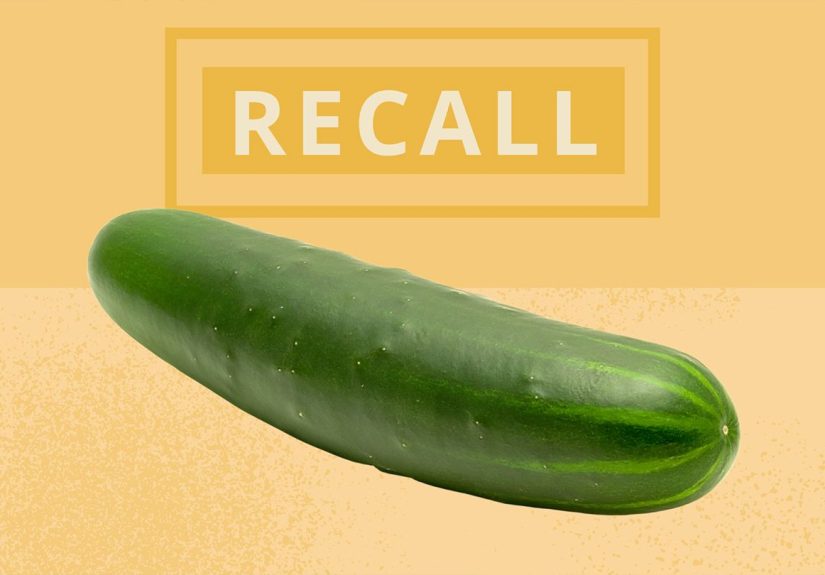
Federal health officials reported that more than 160 people in 25 states and Washington, D.C., were sickened in an outbreak associated with cucumbers, with dozens hospitalized. The outbreak was serious enough to trigger a recall of whole cucumbers grown in Florida and distributed by Fresh Start Produce Sales Inc. The recall did not include English cucumbers or mini cucumbers, but because bulk cucumbers often lack brand labels at the consumer level, many shoppers were left doing the least fun kind of detective work: refrigerator forensics.
The cucumber recall also became a broader lesson in how fast contaminated produce can move through the food system. Cucumbers may pass from farms to distributors, wholesalers, food-service companies, grocery stores, restaurants, and home kitchens in just days. By the time an outbreak is recognized, the product may already be sliced into salads, tucked into sandwiches, served at restaurants, or sitting in a crisper drawer next to the carrots.
What Happened in the Cucumber Salmonella Outbreak?
The outbreak initially involved Salmonella Africana infections, with federal officials reporting 162 illnesses across 25 states and Washington, D.C. At least 54 people were hospitalized, and no deaths were reported in the early outbreak alert. Illnesses were reported between March and mid-May 2024, though public health investigations often take weeks because officials must interview patients, compare food histories, test samples, and trace products through the supply chain.
Investigators found that many people who became sick had eaten cucumbers before their illness. In early interviews, a strong share of patients reported cucumber consumption, which helped point officials toward fresh whole cucumbers as a likely food vehicle. A cucumber sample collected from a retail location tested positive for Salmonella, and Fresh Start Produce Sales Inc. recalled whole cucumbers grown in Florida as a precautionary measure.
The situation later became more complex. Officials were also investigating a Salmonella Braenderup outbreak with similar timing, geography, patient demographics, and food histories. Eventually, federal investigators combined related outbreak investigations and concluded that contaminated cucumbers had made people sick. Later updates found hundreds of illnesses across more than 30 states and Washington, D.C., showing that the early “more than 160 people” figure was only part of a much larger food-safety story.
Which Cucumbers Were Recalled?
The recall involved whole cucumbers distributed by Fresh Start Produce Sales Inc. and grown in Florida. These were regular slicing cucumbers, not English cucumbers and not mini cucumbers. That distinction matters because shoppers often use the word “cucumber” for several different products. English cucumbers are typically long, narrow, and often wrapped in plastic. Mini cucumbers are smaller and usually sold in bags or trays. The recalled product was the standard whole cucumber commonly sold loose or in bulk.
The recalled cucumbers were distributed to wholesalers, retail distribution centers, and food-service distributors in multiple states, including Alabama, Florida, Georgia, Illinois, Maryland, North Carolina, New Jersey, New York, Ohio, Pennsylvania, South Carolina, Tennessee, Virginia, and West Virginia. However, produce distribution is not always simple. A cucumber shipped to a wholesaler in one state can later be sent to restaurants, stores, or institutions in another state. That is one reason outbreaks often appear larger than the original distribution map.
Another challenge was labeling. Loose cucumbers may not carry a brand name, farm name, or lot code by the time they reach a consumer’s kitchen. A shopper may remember buying “three cucumbers from the bin,” but not the distributor, grower, pack date, or shipment path. That lack of visible product identity makes recalls harder for households to manage and increases the importance of checking store notices, receipts, and official recall alerts.
Why Salmonella on Cucumbers Is a Big Deal
Salmonella is a bacteria that can cause foodborne illness. Symptoms often include diarrhea, fever, stomach cramps, nausea, and sometimes vomiting. Symptoms can begin within hours or take several days to appear after contaminated food is eaten. Many healthy adults recover without medical treatment, but the illness can become serious, especially for young children, older adults, pregnant people, and people with weakened immune systems.
The tricky thing about Salmonella is that contaminated food usually does not look suspicious. A cucumber contaminated with Salmonella may look shiny, green, and Instagram-ready. It may smell fresh. It may taste normal. Unfortunately, bacteria do not send a calendar invite before causing trouble.
Produce-related outbreaks are especially concerning because cucumbers are often eaten raw. Cooking can kill many harmful germs, but cucumbers usually go straight into salads, sandwiches, wraps, dips, and snack plates. Once contaminated produce enters a kitchen, bacteria can also spread to cutting boards, knives, countertops, storage containers, refrigerator drawers, and other foods.
How Did Investigators Link the Outbreak to Cucumbers?
Foodborne illness investigations work like a puzzle, except the pieces are scattered across hospitals, labs, grocery records, patient memories, and supply-chain paperwork. First, public health labs identify people infected with the same or closely related strains of bacteria. Then investigators interview patients about what they ate before becoming sick. If many patients report the same food, that food becomes a suspect.
In this case, cucumbers stood out during patient interviews. Testing also detected Salmonella in cucumber samples, strengthening the link. Federal and state investigators then used traceback work to follow cucumbers backward through distributors and suppliers. Traceback is the food-safety equivalent of rewinding a movie: where was the cucumber sold, who supplied that store, which distributor handled it, and which farm or packing operation sent it out?
Later investigation updates identified Florida growers connected to illness clusters and found Salmonella in environmental samples, including untreated canal water used by a grower. Whole genome sequencing helped determine whether bacteria found in environmental samples matched outbreak strains from sick people. This type of genetic testing is one of the most powerful tools modern investigators use to connect illnesses across different states.
What Consumers Should Do During a Cucumber Recall
If a cucumber recall is active and you cannot confirm whether your cucumbers are safe, the safest move is simple: do not eat them. Throw them away or return them to the store if the recall notice allows it. When in doubt, toss it out. Yes, it hurts to throw away food, especially when grocery prices already make a cucumber feel like a tiny green investment portfolio. But a few dollars of produce is not worth a week of food poisoning.
Clean the Refrigerator and Kitchen Surfaces
After discarding recalled cucumbers, clean any surfaces they may have touched. That includes refrigerator drawers, shelves, cutting boards, knives, counters, storage bins, and reusable produce bags. Use hot, soapy water for cleaning, and sanitize surfaces when appropriate. If a dishwasher can safely handle the item, that is often an easy option for cutting boards, containers, and utensils.
Call the Store When Labels Are Unclear
If you recently bought cucumbers but cannot identify the source, contact the store where you purchased them. Stores may know whether their inventory came from a recalled distributor. Receipts, loyalty-card purchase histories, and store recall notices may help narrow down the risk.
Watch for Symptoms
People who ate recalled cucumbers should monitor for symptoms of Salmonella infection. Severe diarrhea, high fever, signs of dehydration, prolonged illness, or symptoms in a high-risk person should prompt a call to a healthcare provider. Medical care is especially important if a person cannot keep fluids down or if symptoms become intense.
What Businesses Should Learn From the Recall
Restaurants, grocery stores, meal-prep companies, caterers, schools, and healthcare facilities need strong recall response systems. A recall notice should not sit unread in someone’s inbox while cucumbers continue their journey into tuna salad. Businesses should know where produce came from, when it arrived, where it was used, and whether any remaining product must be removed from service.
Food-service teams should train staff to separate recalled products, label them clearly as “do not use,” and document disposal or return. They should also clean and sanitize food-contact surfaces that may have touched recalled produce. In a restaurant setting, cross-contact can happen quickly: one contaminated cucumber on a prep table can create risk for knives, pans, garnishes, sandwich stations, and salad bins.
Retailers also play a major role in consumer communication. Because loose produce can be hard to identify at home, clear store signage, website updates, customer emails, and loyalty-card alerts can help shoppers act faster. The more transparent the communication, the less likely customers are to play “guess the cucumber” in their refrigerators.
Why Produce Recalls Can Spread Across So Many States
Fresh produce moves through a national network. A farm may harvest cucumbers in one state, ship them to a distributor in another, and have them redistributed to grocery chains, restaurants, and food-service buyers across a wide region. Some cucumbers may be repacked, combined with other produce, sliced into ready-to-eat foods, or sold without a consumer-facing brand label.
That system makes fresh food widely available, but it also means a contamination event can become multistate quickly. When a product is eaten raw and has a short shelf life, investigators must act fast. By the time illnesses are confirmed, many cucumbers may already be gone from store shelves but still present in home refrigerators.
This is why food-safety agencies often warn that reported cases are only part of the picture. Many people recover without seeing a doctor, and not every doctor orders lab testing. Even when testing happens, it takes time for results to reach public health systems. The official case count is important, but the true number of illnesses is often higher.
How to Reduce Salmonella Risk From Cucumbers and Other Produce
No home kitchen can reduce food risk to zero, but smart habits can lower the odds. Start by washing hands before and after handling produce. Rinse cucumbers under running water before cutting or eating. Use a clean brush for firm produce when appropriate, and dry with a clean towel. Do not use soap or bleach on food itself; produce is not a bathtub tile.
Keep raw meat, poultry, seafood, and eggs away from fresh produce. Use separate cutting boards when possible, or wash boards thoroughly between foods. Refrigerate cut cucumbers promptly and avoid leaving prepared salads at room temperature for long periods. If cucumber slices have been sitting out at a picnic for half the afternoon, they have officially entered the “better not” category.
Consumers should also build a small recall habit. Check official recall notices when food-safety news breaks. Save receipts for fresh foods when practical. If you shop with a loyalty account, make sure your email is current so stores can contact you about recalls. These small steps can make a big difference when a product is sold loose or repackaged.
What This Recall Says About the Food System
The cucumber Salmonella outbreak highlights both the strength and the weakness of modern food safety. On one hand, public health agencies can now connect illnesses across states using advanced genetic tools, patient interviews, and traceback systems. That is impressive. It means investigators can find patterns that would have been invisible decades ago.
On the other hand, the outbreak shows how vulnerable raw produce can be. Water quality, field conditions, harvesting practices, packing equipment, worker hygiene, transportation, and storage all matter. A single weak point can create risk. Because cucumbers are usually eaten raw, there is no cooking step at the end to rescue the situation.
The best prevention happens before produce reaches the store. Growers need safe agricultural water practices, clean equipment, strong sanitation programs, and environmental monitoring. Distributors need traceability systems that allow products to be tracked quickly. Retailers and restaurants need recall plans. Consumers need clear communication. Food safety is not one person’s job; it is a relay race where nobody should drop the cucumber.
Practical Experiences and Lessons From the Cucumber Recall
For many households, the most relatable part of the cucumber recall was not the science; it was the uncertainty. Imagine opening the refrigerator and seeing two cucumbers in the drawer. They look normal. You bought them last week. You cannot remember whether they were from a bin, a bag, a local store, a big-box grocer, or part of an online grocery order. Suddenly, lunch has become an investigation scene, and the cucumber is the prime suspect.
One practical lesson is to keep produce more organized. Most people toss loose vegetables into a drawer and hope for the best. During a recall, that habit becomes inconvenient. A better system is to keep produce in its original packaging when possible, save labels until the food is eaten, and avoid mixing old and new produce in the same container. If cucumbers are loose, storing them in a clean bag with the purchase date written on it can help. It sounds slightly overachieving, but future you may be grateful.
Another experience-based takeaway is that recalls are easier to handle when your refrigerator is not a mystery museum. Cleaning the produce drawer weekly helps you know what is fresh, what is questionable, and what has evolved into a science project. During a recall, a clean refrigerator also reduces the chance that contaminated juices, dirt, or residue have spread to other foods. Nobody wants a cucumber problem to become a lettuce problem, a tomato problem, and a “why is this drawer sticky?” problem.
Families with children, older adults, or immunocompromised members may want to be extra cautious with raw produce during outbreak news. That does not mean avoiding vegetables forever. It means paying attention, washing produce properly, and taking recall warnings seriously. If officials say not to eat a recalled cucumber, do not try to bargain with it. Cutting off one end or rinsing it longer is not a reliable fix for Salmonella contamination.
Restaurants and small food businesses can learn from the consumer side too. Staff should know how to respond when customers ask whether an ingredient is part of a recall. A confident answer such as “We checked our supplier records and removed affected product” builds trust. A confused shrug does not. Food businesses should also keep supplier invoices and lot information accessible, not buried in a folder named “miscellaneous 2021.”
For shoppers, the recall also shows the value of paying attention to food news without panicking. Not every cucumber in America was dangerous. The recall focused on specific whole cucumbers and later investigation details. The goal is not fear; it is informed action. Check the product, verify the source, clean surfaces, and move on. Food safety works best when people respond quickly and calmly.
Finally, this outbreak is a reminder that fresh food is still worth eating. Cucumbers are hydrating, versatile, and useful in everything from Greek salad to sandwiches to quick pickles. The answer is not to banish them from the kitchen. The answer is to treat produce with the same respect we give meat, eggs, and seafood: handle it cleanly, store it properly, and listen when public health officials raise a warning flag.
Conclusion
The Salmonella outbreak linked to cucumbers was a wake-up call wrapped in a salad ingredient. More than 160 people were initially reported sick across 25 states and Washington, D.C., and later updates showed the investigation involved far more illnesses. The recall of Florida-grown whole cucumbers distributed by Fresh Start Produce Sales Inc. demonstrated how quickly fresh produce can travel through the food system and how difficult it can be for consumers to identify loose recalled items at home.
The most important advice remains simple: do not eat recalled cucumbers, clean surfaces that may have touched them, monitor for symptoms, and contact a healthcare provider if illness becomes severe. For the future, better produce storage habits, stronger traceability, careful kitchen hygiene, and clear recall communication can help reduce risk. Cucumbers may be cool, but food safety should never be casual.