Table of Contents >> Show >> Hide
The Cossack Squat is one of the most effective yet often overlooked bodyweight exercises. Its uniqueness lies in its ability to target multiple muscle groups while enhancing mobility and strength. As a dynamic lower body workout, the Cossack Squat engages the quads, hamstrings, glutes, adductors, and calves, making it an excellent addition to any fitness routine. Whether you’re a beginner or an experienced athlete, the Cossack Squat can be modified to meet your fitness needs. In this article, we’ll explore the benefits, form tips, variations, and even how to incorporate weights for a more challenging experience.
1. What Is a Cossack Squat?
The Cossack Squat is a single-leg squat variation that involves a wide stance and a lateral shift in body weight. It requires you to squat down on one leg while extending the other leg out to the side, maintaining a deep squat position. It’s named after the Cossacks, a group of warriors from the Eurasian region known for their agility and strength, and this movement reflects their athleticism.
2. 10 Benefits of the Cossack Squat
2.1. Improved Mobility
The Cossack Squat forces you to move through a full range of motion in the hips, knees, and ankles. This dynamic movement helps to improve flexibility and mobility, particularly in the lower body.
2.2. Enhanced Lower Body Strength
By engaging multiple muscle groups, including the quads, hamstrings, glutes, and adductors, the Cossack Squat builds strength in your lower body. It’s an excellent alternative to traditional squats for those looking to mix things up.
2.3. Better Balance and Coordination
Performing the Cossack Squat requires stability and coordination, making it an effective exercise for enhancing overall balance. It challenges your core and stabilizer muscles as you control your descent and maintain proper form.
2.4. Hip and Ankle Mobility
The deep squat position in the Cossack Squat requires the hip flexors and ankles to go through a range of motion, making it beneficial for increasing flexibility and joint health in these areas.
2.5. Strengthens Adductors
One of the most notable benefits of the Cossack Squat is its ability to strengthen the adductors, the muscles on the inner thighs. This is especially important for athletes involved in sports that require lateral movements, such as soccer or basketball.
2.6. Low Impact on Joints
Because it’s a bodyweight exercise, the Cossack Squat provides a low-impact way to build strength without putting excessive stress on the joints. It’s an excellent option for individuals with joint pain or those recovering from an injury.
2.7. Core Activation
Maintaining balance while executing a Cossack Squat requires significant core engagement. As you perform the exercise, you’ll activate your abs and lower back, making it a great way to build core strength.
2.8. Great for Flexibility
Performing Cossack Squats regularly will help improve flexibility in your hips, hamstrings, and quads, making it a beneficial exercise for those who have tight muscles or struggle with flexibility.
2.9. Increased Joint Stability
The deep squat motion works the stabilizing muscles around the hips and knees, enhancing joint stability. This is crucial for overall functional strength and injury prevention.
2.10. Full Body Activation
While the Cossack Squat primarily targets the lower body, it also engages your upper body and core, making it a functional, full-body movement that activates multiple muscle groups simultaneously.
3. How to Perform the Cossack Squat
Step 1: Set Your Stance
Stand with your feet wider than shoulder-width apart, with your toes pointed slightly outward. Make sure you have enough space to move laterally and drop your body down into a squat.
Step 2: Shift Your Weight
Shift your weight to one leg and squat down as low as possible, keeping the opposite leg extended out straight in front of you. Aim to keep your chest up and your back straight, avoiding any rounding of the spine.
Step 3: Engage Your Core
Activate your core muscles to help with balance and stability as you squat. This will help protect your lower back and maintain a proper posture throughout the movement.
Step 4: Push Back Up
Push through your heels to return to the starting position, keeping your core engaged and maintaining proper posture as you rise. Alternate sides to complete one full rep.
4. Tips for Proper Form
4.1. Keep Your Chest Up
Throughout the movement, it’s important to keep your chest lifted and your shoulders back. This helps avoid leaning forward, which can strain your lower back.
4.2. Don’t Let Your Knees Collapse Inward
As you squat down, ensure that your knees stay aligned with your toes. Avoid letting them collapse inward, as this can cause strain on the knees and lead to injury.
4.3. Go As Deep As You Can
In order to maximize the benefits, aim to squat as deeply as you can without sacrificing form. The deeper you squat, the more you activate your glutes and hamstrings.
4.4. Start Without Weights
If you’re new to the Cossack Squat, it’s best to start without any weights to focus on proper form. Once you’ve mastered the movement, you can add resistance to make the exercise more challenging.
5. Variations of the Cossack Squat
5.1. Weighted Cossack Squat
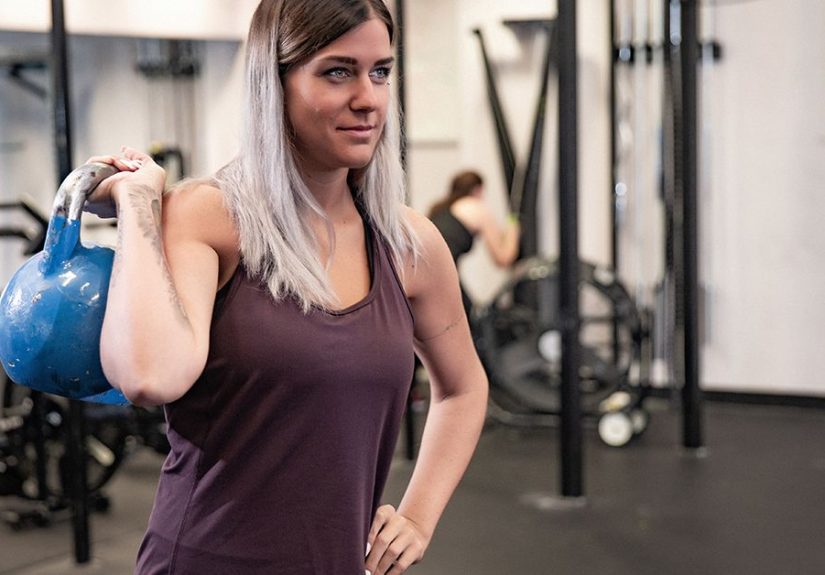
Add dumbbells, kettlebells, or a barbell to increase the intensity of the Cossack Squat. Holding a weight in front of your body or overhead will further challenge your core stability and balance.
5.2. Cossack Squat with Pulse
For a more intense workout, perform a pulse at the bottom of the squat. After reaching the deepest point of the squat, push back up slightly and return down again before coming back up fully.
5.3. Cossack Squat Jump
To increase the plyometric nature of the movement, try adding a jump as you rise up from the squat. This variation will engage your fast-twitch muscle fibers and add an explosive element to the exercise.
5.4. Bulgarian Cossack Squat
For an added challenge, elevate the foot of the non-working leg on a bench or box. This modification adds a greater range of motion and increases the intensity of the exercise.
6. Using Weights for the Cossack Squat
Once you’ve mastered the basic form of the Cossack Squat, adding weights can help you build even more strength and endurance. Use a kettlebell, dumbbell, or barbell to perform the movement while holding the weight in front of your body or overhead.
7. Conclusion
The Cossack Squat is an incredibly versatile exercise that offers numerous benefits, from improving mobility and flexibility to strengthening the lower body and core. With its various variations and the ability to incorporate weights, it’s a great addition to any fitness routine. Whether you’re aiming to improve athletic performance or simply build strength and stability, the Cossack Squat has something to offer. Start incorporating it into your workouts today and enjoy all the benefits it provides.
8. Personal Experience with the Cossack Squat
When I first started incorporating the Cossack Squat into my routine, I was initially intimidated by the deep range of motion and the balance required. However, after a few weeks of practicing with bodyweight, I began to notice improvements not only in my lower body strength but also in my balance and joint stability. As someone who struggles with hip mobility, this exercise has helped me increase flexibility and reduce discomfort in my hips and knees.
One of my favorite variations is the Weighted Cossack Squat. Adding a dumbbell in front of my body really challenges my core and forces me to maintain proper form, which helps improve my posture overall. The first time I added weight, I felt more stable and confident in my movement. Now, it’s a regular part of my leg day workouts!
If you’re looking to improve your flexibility, mobility, or overall strength, I highly recommend giving the Cossack Squat a try. Just be patient with the learning process, and don’t be afraid to modify the movement to suit your ability level. With consistent practice, you’ll soon reap the benefits.