Table of Contents >> Show >> Hide
- Why You Do Not Need a Turkey Baster
- What Works Better Than Basting
- How to Cook a Turkey Without a Baster
- Best Tips for Juicy Turkey Without Basting
- Common Mistakes to Avoid
- Can You Still Make Great Gravy Without Basting?
- Who Should Skip Basting Every Time?
- Real-Life Experience: What It Is Like to Cook Turkey Without a Baster
- Final Thoughts
Turkey season has a way of turning perfectly calm adults into nervous oven gremlins. Suddenly everyone is peeking through the oven door, whispering about drippings, and waving a turkey baster around like it is a magic wand. But here is the good news: you can absolutely cook a gorgeous, juicy, golden-brown turkey without a baster. In fact, for many home cooks, skipping the baster leads to better results.
If your dream holiday bird includes crisp skin, moist meat, and less kitchen chaos, this guide is for you. The trick is not constant splashing with pan juices. The trick is smart prep, steady roasting, proper seasoning, and using a thermometer like the kitchen hero it is. Once you understand why basting is overrated, cooking turkey gets a whole lot easier and a lot less theatrical.
Why You Do Not Need a Turkey Baster
Let us start by busting the biggest Thanksgiving myth in the room. Basting looks productive, but it is not the shortcut to juicy meat that many people think it is. When you baste, you are mostly wetting the outside of the bird. That liquid does not magically soak deep into the breast or thighs and rescue them from overcooking. Turkey meat stays juicy when it is seasoned properly, cooked to the right temperature, and allowed to rest before carving.
Meanwhile, every time you open the oven door to baste, the oven loses heat. That means the turkey cooks less efficiently, and the skin may take longer to brown and crisp. So the bird you lovingly babysat every 30 minutes can end up looking pale, patchy, or oddly steamed instead of beautifully bronzed. That is not exactly the cover model version of Thanksgiving.
There is also the texture problem. Crisp skin needs a dry surface and steady heat. Repeated spoonfuls of pan juices make the outside wetter, which works against browning. If your goal is juicy turkey with crispy skin, basting is often pulling in the opposite direction.
What Works Better Than Basting
1. Dry-brining the turkey
If you only steal one turkey trick for life, make it this one. Dry-brining means salting the turkey in advance and letting it rest uncovered in the refrigerator. The salt seasons the meat more deeply, helps it retain moisture during cooking, and gives the skin time to dry out. That last part is what helps create that crackly, golden finish people brag about for the rest of the weekend.
A simple dry brine can be nothing more than kosher salt and black pepper. You can also add brown sugar, garlic powder, onion powder, paprika, thyme, sage, or rosemary. Rub it all over the turkey, including under the skin if you want maximum flavor on the breast meat. Then park the bird uncovered in the fridge for 24 to 48 hours. It is low effort, high reward, and a lot less messy than wrestling with a bucket of salty liquid.
2. Rubbing the skin with fat before roasting
Instead of basting throughout cooking, give the turkey a good start. Rub the skin with softened butter, oil, or an herb butter mixture before it goes into the oven. This helps encourage browning and adds flavor where you actually taste it first: on the outside. A thin, even coating is enough. You do not need to turn your bird into a butter sculpture.
3. Roasting on a rack
A roasting rack lifts the turkey above the pan so hot air can circulate more evenly. That means better cooking and better browning. No rack? No problem. You can improvise with a bed of sturdy vegetables like carrots, celery, and onion. Bonus: those vegetables help flavor the drippings for gravy, which is one of the great kitchen plot twists of all time.
4. Using a thermometer instead of hope
The pop-up timer is cute, but a real meat thermometer is the better move. Turkey is safely cooked when the thickest parts reach the proper internal temperature. Relying on color, guesswork, or family folklore is how people end up with dry slices or dinner-table suspense. A thermometer keeps things factual, calm, and delicious.
5. Letting the turkey rest
Resting is not optional. Once the turkey comes out of the oven, give it at least 20 to 30 minutes before carving, and more for a large bird. This allows the juices to redistribute instead of flooding out onto the cutting board like a tragic little gravy preview. Resting gives you juicier slices and buys you time to finish sides, fix your hair, or pretend everything has been under control all day.
How to Cook a Turkey Without a Baster
Step 1: Thaw it completely
If you are starting with a frozen turkey, make sure it is fully thawed before roasting. A partially frozen bird cooks unevenly, which is not the kind of holiday surprise anyone wants. Thaw it in the refrigerator and give yourself enough time, especially for larger turkeys.
Step 2: Pat it very dry
Before seasoning, pat the turkey dry inside and out with paper towels. This step matters more than it seems. Dry skin browns better. Wet skin sulks. This is one of the simplest ways to improve texture without doing anything fancy.
Step 3: Season generously
Use a dry brine if you planned ahead. If not, season the turkey well just before roasting with salt, pepper, and your favorite herbs or spices. You can rub butter or oil under and over the skin, then stuff the cavity loosely with aromatics like onion, garlic, lemon, apple, thyme, sage, or parsley. These are not there to become stuffing. They are there to perfume the bird from the inside out.
Step 4: Set up the pan
Place the turkey breast-side up on a rack in a roasting pan. Add a few cups of broth, water, wine, or a mix of water and aromatics to the bottom of the pan if you want to help prevent drippings from scorching. Do not drown the bird. You want moisture in the pan, not a turkey hot tub.
Step 5: Roast at a steady oven temperature
Most home cooks do well roasting turkey in a 325 to 350 degrees Fahrenheit oven. The exact time depends on the size of the bird, whether it is stuffed, your oven, and whether you are using a standard or convection setting. A rough guideline for an unstuffed turkey is often around 13 to 15 minutes per pound, but this is only a starting point. The thermometer makes the final call.
If the skin starts browning too quickly, loosely tent the breast with foil. That gives you control without repeatedly opening the oven for basting. Think of it as strategic sun protection for the turkey.
Step 6: Check the internal temperature
Insert a meat thermometer into the thickest part of the thigh without touching bone, and check the thickest part of the breast as well. For a straightforward home-cooking safety rule, aim for 165 degrees Fahrenheit in the bird before serving. Do not carve based on timing alone. A turkey can look done and still need more time, or look dramatic and already be perfect.
Step 7: Rest, then carve
Transfer the turkey to a cutting board or platter and let it rest before carving. During this time, you can make gravy with the drippings, warm the rolls, and accept compliments in advance. Then carve the breast across the grain, separate the thighs and drumsticks, and serve while the kitchen still smells like victory.
Best Tips for Juicy Turkey Without Basting
- Do not rinse the turkey: it does not make the bird cleaner, and it can spread raw poultry juices around the sink area.
- Season early if possible: dry-brining a day or two ahead gives you better flavor and texture.
- Keep the skin dry: dry skin is your best friend for crispness.
- Use fat wisely: butter, oil, or even mayonnaise can help browning when applied before roasting.
- Cook stuffing separately: this often promotes more even cooking and keeps food safety simpler.
- Do not chase color with panic: if the turkey is pale near the end, a short blast of higher heat can help, but only after the bird is nearly done.
- Trust the thermometer, not the clock: every oven tells time a little differently.
Common Mistakes to Avoid
Opening the oven too often
This is the classic holiday trap. You want to check the turkey because you care. The turkey responds by taking longer to cook because you keep letting the heat out. Resist the urge. Peek through the oven window like a responsible adult.
Skipping the rest period
Carving too soon is one of the fastest ways to lose moisture. The turkey just spent hours in the oven. Give it a minute to gather itself.
Overcooking for “safety”
Many dry turkeys are not victims of bad luck. They are victims of another 30 to 45 minutes in the oven “just to be sure.” Use a thermometer and remove the guesswork. Safe does not need to mean sad.
Under-seasoning the bird
Turkey is mild, which is a polite way of saying it needs help. Salt matters. Herbs matter. Aromatics matter. A well-seasoned turkey does not need dramatic last-minute rescue missions with a baster.
Can You Still Make Great Gravy Without Basting?
Absolutely. Basting and gravy are not a package deal. The drippings in the pan come from rendered fat, juices, seasoning, and whatever aromatics are roasting beneath the bird. In fact, when you stop fussing with basting, you may find the pan is easier to manage. Skim excess fat, whisk in flour or a slurry, add stock, and build flavor from there. Your gravy will not know the baster stayed in the drawer.
Who Should Skip Basting Every Time?
Honestly, almost everyone. If you are cooking your first turkey, hosting a big meal, juggling side dishes, or simply want a less stressful holiday, no-baste turkey is the smarter method. It is cleaner, easier, and more forgiving. The people who benefit most are the ones who want reliable results without turning Thanksgiving into a live-action cooking show.
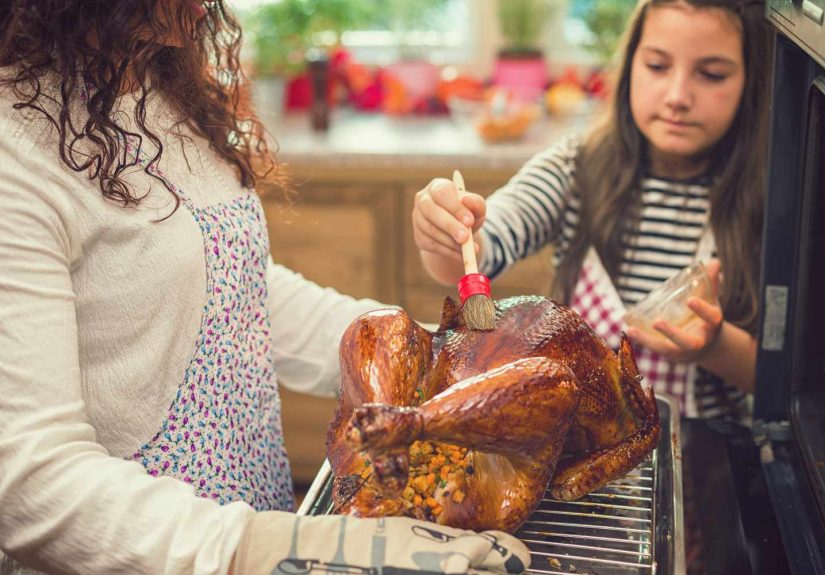
There are a few niche cases where cooks like to brush on butter or glaze near the end for extra shine. That is different from opening the oven every half hour to splash pan juices around. A quick finish is a styling choice. Traditional basting is a full-time job you do not need.
Real-Life Experience: What It Is Like to Cook Turkey Without a Baster
The first time you cook a turkey without a baster, it feels a little rebellious. You stand there in the kitchen, staring at the oven, waiting for the moment when years of tradition are supposed to kick in and tell you to start squirting hot pan juices all over the bird. But if you have seasoned the turkey well, patted it dry, rubbed it with butter or oil, and put it on a rack, something surprising happens: the turkey mostly just handles its business.
What you notice first is the calm. You are not tied to the oven every 30 minutes. You are not dragging the roasting pan halfway out while hot drippings threaten your wrists and your dignity. You are not wondering whether you just lost all the oven heat while the mashed potatoes are waiting for attention. Instead, you can prep sides, set the table, or enjoy a few minutes of peace while the turkey roasts at a steady temperature. Holiday cooking suddenly feels more like a meal and less like a timed obstacle course.
The second surprise is the skin. Without repeated basting, the surface stays drier, and drier skin browns better. You begin to see the turkey turn that deep golden color people want in holiday photos. It is not glossy in a wet, splashy way. It is crisp-looking, evenly bronzed, and far more appetizing. When you tap it lightly with a carving knife, it has that gentle crackle that says dinner is going very well.
Then comes the real test: carving. This is where the no-baste method proves itself. When the turkey has been dry-brined or seasoned properly and roasted to temperature, the slices come off moist and flavorful. You do not need a flood of drippings running over the top to convince anyone it is juicy. The meat tells the story on its own. The breast is tender, the thighs are rich, and suddenly the person who spent the last hour asking whether you were “sure it did not need basting” is asking for a second slice.
There is also a practical kind of confidence that comes from cooking this way. Once you stop treating turkey like a mysterious holiday beast and start treating it like a roast that needs salt, heat, and a thermometer, it becomes much more manageable. You realize that great turkey is less about gadgets and more about method. The baster turns out to be optional. Good habits are not.
And maybe the best part is what this changes emotionally. Thanksgiving cooking can come with a weird amount of pressure. People expect tradition, perfection, nostalgia, and a Norman Rockwell moment all at once. Skipping the baster sounds like a tiny choice, but it can shift your whole approach. You become less reactive and more deliberate. You trust prep over panic. You trust temperature over guesswork. You trust rest time over last-minute fussing. In the end, the turkey tastes better, the process feels smoother, and the cook is a lot less frazzled. That is a win for the bird and for everyone standing in line with a plate.
Final Thoughts
If you want to cook your turkey without a baster, you are not taking a shortcut. You are choosing a better strategy. Skip the oven-door aerobics and focus on the methods that actually matter: dry-brine the bird, keep the skin dry, rub it with fat, roast it steadily, check the temperature, and let it rest before carving. That combination delivers the two things every turkey should have: juicy meat and crisp skin.
So go ahead and leave the baster in the drawer. Your turkey does not need a spa treatment. It needs smart seasoning, steady heat, and a cook who knows that sometimes the best holiday move is doing less, but doing it better.