Table of Contents >> Show >> Hide
- What a Collapsible Woven Food Tent Actually Is
- Why It’s More Than a Cute Table Accessory
- Types of Food Tents
- How to Choose the Right Collapsible Woven Food Tent
- Using a Food Tent Like a Pro
- Cleaning and Care Tips
- Food Safety: What a Tent Helps With (and What It Doesn’t)
- Quick Checklist for Cookouts, Picnics, and Potlucks
- Real-World Experiences With a Collapsible Woven Food Tent (500+ Words)
- Conclusion
There are two types of outdoor diners: the ones who set a gorgeous spread… and the ones who spend the whole meal
doing interpretive dance to shoo flies away from the pasta salad. A collapsible woven food tent
is for both groupsbecause it’s equal parts “practical problem-solver” and “why does this look so cute on my table?”
In plain English: it’s a breathable cover that sits over food to help keep bugs, petals, dust, and curious pets
from turning your charcuterie board into their personal buffet. And because it collapses flat, it doesn’t demand
a permanent home in your already-too-full kitchen cabinet. (You know the one. The cabinet where good intentions go
to become clutter.)
What a Collapsible Woven Food Tent Actually Is
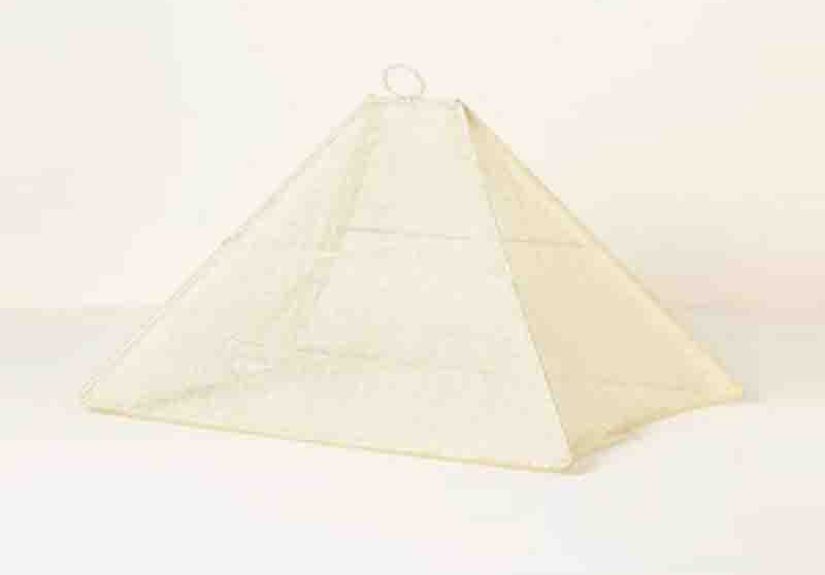
A collapsible woven food tent is a lightweight, tent-like dome (or umbrella-style cover) that you place over dishes
while serving food indoors or outdoors. Most designs rely on one of two constructions:
-
Handwoven natural-fiber tents (often made from plant fibers) that look artisan, warm, and
“hostess gift worthy.” -
Woven mesh pop-up tents (usually nylon/polyester mesh over a springy frame) that prioritize
coverage, airflow, and quick setup.
Both are “woven” in the sense that the material uses an interlaced structureeither decorative fibers or fine mesh
nettingand both are designed to be breathable so your food stays protected without getting smothered.
Why It’s More Than a Cute Table Accessory
A food tent does one job brilliantly: it creates a physical barrier between your food and the
outside world. That means fewer flies landing on the fruit tray, fewer bees investigating the soda cans, and fewer
“mysterious crunchy additions” to your potato salad.
But here’s the important (slightly unromantic) truth: a food tent is not a refrigerator, not a heater, and not a
magical anti-bacteria force field. It helps with pests and debris. Food safety still depends on time,
temperature, and clean handlingespecially at picnics, potlucks, and cookouts.
Types of Food Tents
1) Handwoven natural-fiber food tents
If you love the “effortless outdoor table” looklinen napkins, citrus slices, maybe a candle you pretend doesn’t
attract bugsthis style is your soulmate. Handwoven tents often have a sculptural shape and a breezy, natural
aesthetic that works on a patio, a picnic table, or even a kitchen counter over a just-baked pie.
Because they’re woven from natural fibers, these tents tend to feel sturdier than a delicate mesh dome, and they
photograph beautifully (which, let’s be honest, matters). They’re also usually collapsible, folding down for travel
or storageperfect for the host who wants charm without committing to a bulky serving cloche.
2) Pop-up mesh domes (the “instant buffet shield”)
Pop-up mesh food covers are the workhorses of outdoor dining. They open fast, cover wide, and let air circulate
so food doesn’t get weirdly sweaty. Many have straight or tall sides so you can cover not only plates but also
bowls, trays, and casseroles without playing “will it fit?” every time someone brings out a serving dish.
These are especially handy for:
- Backyard barbecues where the grill is going nonstop
- Potlucks where food sits out in waves
- Camping meals where everything seems extra attractive to insects
- Fruit and baked goods that you want protected but not sealed
3) Umbrella-style plate covers (small, nimble, and oddly satisfying)
Umbrella-style food covers are usually smallerthink “single plate, bowl, or small tray.” They’re great when you
want a quick shield for a sandwich plate, a slice of pie, or a snack board that’s traveling from kitchen to patio.
Many fold down into a compact shape and come with a storage bag, making them easy to toss into a picnic kit.
How to Choose the Right Collapsible Woven Food Tent
Picking the right tent isn’t complicated, but it helps to match the tent to your real life. (Not your fantasy life
where you always host at golden hour and nobody shows up with a rogue tuna casserole.)
Size and height: measure your “tallest regular guest”
Your tent should comfortably cover your most common serving pieceslike a 9×13 baking dish, a big salad bowl, or a
cake stand. If you serve tall foods (layer cakes, stacked sliders, towering fruit bowls), prioritize a tent with
more height and straighter sides.
Base fit and airflow: protection without “sealed-in steam”
Breathability is the whole point. A good food tent lets heat and moisture escape while keeping bugs out. That said,
if the weave or mesh is too open at the bottom, tiny insects may still find a way inespecially if you’re covering
fruit indoors for long periods. For outdoor dining, a closer base fit and a wider footprint help.
Wind readiness: the patio’s favorite prank
If you’ve ever watched napkins migrate across the yard like tiny white birds, you already understand wind risk.
Look for features like:
- Sturdy frames and stable shapes
- Wider bases that sit flat
- Optional tie-down loops or the ability to weigh corners gently
Practical hack: if it’s breezy, place the tent over the dish and set a small, clean weight near the edge of the
serving tray (like a ramekin, a condiment jar, or a utensil caddy). Just keep the weight off the food itself.
Material and maintenance: match your patience level
Mesh covers are typically easy to rinse, wipe, and air-dryjust avoid rough scrubbing that could snag the netting.
Handwoven natural-fiber tents have a more artisanal vibe and often do best with gentle cleaning and thorough drying
to keep the fibers happy.
Using a Food Tent Like a Pro
Set up a “cover-first” serving rhythm
At gatherings, food tends to appear in bursts: the appetizers, the main dishes, the desserts, the “oh wait, we
forgot the fruit.” Make it easy on yourself by assigning one job to the tent:
if food is on the table, it’s covered unless someone is actively serving.
This simple habit dramatically reduces the time flies have access to your spread.
Prevent soggy-crust sadness
If you’re covering hot foods (like fried chicken, pizza, or baked goods), let steam dissipate for a minute or two
before tenting. A breathable tent helps, but hot steam trapped under any cover can soften crispy textures.
Use it indoors, too
A collapsible woven food tent isn’t just for outside. It’s also excellent for:
- Covering baked goods cooling on the counter
- Shielding fruit from curious pets
- Keeping gnats away from ripening produce (especially in warmer months)
- Protecting food at a buffet-style holiday party when people graze slowly
Cleaning and Care Tips
A food tent lasts longer when you keep it clean and thoroughly dry. Here’s a practical approach:
For handwoven tents
- Brush off crumbs first (dry cleaning before wet cleaning is underrated).
- Lightly clean with water as needed, then dry completely before storing.
- Store in a dry placenatural fibers don’t love damp cabinets.
For mesh pop-ups and umbrella covers
- Spot clean with mild soap and water; rinse lightly.
- Air-dry fully before folding flat to prevent odors or mildew.
- Avoid aggressive scrubbing that can snag mesh or bend the frame.
Food Safety: What a Tent Helps With (and What It Doesn’t)
A food tent is a strong “yes” for keeping bugs out. But food safety is still about controlling temperature and
preventing cross-contaminationespecially when you’re eating outdoors.
Time + temperature still rule the picnic universe
Perishable foods shouldn’t sit out at room temperature for long. On hot days, that safe window shrinks even more.
If your gathering is going to stretch for hours, the best strategy is to keep cold foods cold (in a cooler, on ice)
and keep hot foods hot (on a grill side rack, warming tray, or chafing setup).
Separate raw and ready-to-eat foods
If raw meat is part of the day’s plan, keep it sealed and separate from ready-to-eat foods. And once something has
touched raw meatplates, tongs, marinadesit should not touch cooked food unless cleaned first. (This is how “great
host” accidentally becomes “villain origin story.”)
Use the tent as a partner, not a replacement
The smartest outdoor setup looks like this:
- Coolers handle temperature control.
- Thermometers confirm doneness and safe holding temps.
- Food tents handle insects, debris, and general outdoor chaos.
Quick Checklist for Cookouts, Picnics, and Potlucks
- Bring at least one food tent (two if you serve in courses).
- Pack extra ice or frozen water bottles; keep coolers in the shade.
- Use separate coolers: one for drinks, one for perishable foods.
- Serve smaller portions and refill from the cooler as needed.
- Keep serving utensils clean and separate from raw-meat tools.
- When in doubt about how long something sat out: toss it. Your stomach will thank you.
Real-World Experiences With a Collapsible Woven Food Tent (500+ Words)
People usually don’t buy a food tent because they woke up craving table accessories. They buy it because they’ve
lived through at least one outdoor meal where the bugs arrived early and acted like they paid for VIP seating.
Here are common “this is why I finally got one” experiencesplus what tends to work best in each scenario.
The Backyard BBQ That Turned Into a Fly Convention
A classic: burgers are on the grill, someone brings out a tray of buns, and within minutes the flies show up like
they got a group text. In this situation, a pop-up mesh dome with straight sides is a hero. It’s big enough to
cover buns, sliced tomatoes, and condiments all at onceso you’re not constantly moving a tiny cover from plate to
plate. Hosts often find that once the food tent becomes part of the setup (cover on, uncover to serve, cover back
on), the whole meal feels calmer. Less swatting, more eating. Revolutionary.
The Beach Picnic Where Wind Has Personal Beef With You
Wind at the beach doesn’t play. It doesn’t “gently breeze.” It steals napkins, flips lightweight packaging, and
sometimes tries to relocate your chips to a new zip code. Here, people tend to prefer a sturdier woven tentone
that sits more solidly and doesn’t feel like it will blow away the second you blink. A common trick is to place the
tent over a platter that has some weight (like a wooden board or a heavier tray) and then keep the setup low to the
ground or behind a windbreak. The tent won’t fix beach wind, but it dramatically reduces the odds of sand seasoning
your sandwiches.
The Potluck Table Where Food Arrives in Waves
Potlucks are fun, but the table is often “open season” while people circulate and chat. A collapsible food tent
shines because it lets the host protect food between serving momentsespecially desserts, fruit, and breads.
People often notice that desserts stay more appealing when they’re tented: fewer flies, fewer stray leaves, fewer
“who sneezed near the brownies?” worries. For potlucks, the best results usually come from using multiple covers
(or one large cover plus a smaller umbrella-style cover for single plates).
The Indoor Fruit Bowl That Attracts Tiny, Determined Insects
Many households use food tents inside during warm months when fruit flies seem to appear out of nowhere and treat
bananas like luxury condos. An umbrella-style cover works for a small bowl, but a larger woven tent can cover a
whole fruit display while still letting air circulate. People who do this regularly tend to say two things:
(1) it helps most when the tent sits flush with the counter or tray, and (2) it’s
not a substitute for cleaning up overripe produce quickly. The tent helps reduce access, but the best strategy is a
combination: tidy counter + smart coverage.
The “I Want It to Look Nice” Outdoor Brunch
There’s a particular joy in setting a pretty table outsideuntil a bee tries to inspect the jam like an auditor.
This is where a handwoven food tent wins on aesthetics. People who host brunches often like how it blends into the
table rather than looking like a camping accessory. It’s also great for covering pastries (croissants, muffins,
scones) because breathable coverage prevents that sad, soggy “sealed in plastic” vibe. The most common feedback is
that it feels like a small upgrade that makes hosting easierone of those items that quietly earns its keep.
The overall pattern is simple: when a food tent is easy to open, easy to store, and sturdy enough for the setting,
people actually use it. And when they use it, outdoor meals become less like a bug negotiation and more like… you
know… eating.
Conclusion
A collapsible woven food tent is one of those deceptively simple tools that makes outdoor dining
feel more relaxed. It protects your dishes from insects and debris, keeps food looking appetizing longer, and folds
away neatly when the party ends. Choose a style that fits your lifehandwoven for a warm, natural look or mesh for
maximum coverageand pair it with smart food safety habits for gatherings that are memorable for the right reasons.
(Like the pie. Not the flies.)