Table of Contents >> Show >> Hide
- What “Cognac” Really Means (And Why It Looks Expensive)
- Why the Oval Buckle Works
- Materials That Matter (Because “Leather” Can Mean a Lot of Things)
- How a Belt Should Fit (So You Don’t Spend Your Morning Doing Belt Math)
- How to Style a Cognac Oval Buckle Belt
- Care & Maintenance: Keep the Leather Happy
- Buying Checklist: What to Look for in a Great Cognac Oval Buckle Belt
- Common Belt Problems (And Simple Fixes)
- Real-World Experiences With a Cognac Oval Buckle Belt (The Extra )
- Conclusion
A belt is the definition of “small but mighty.” It holds your outfit together (sometimes literally),
adds shape where you want it, and quietly announces, “Yes, I thought about this.”
And if you’re choosing just one belt color to carry you through the week, cognac is the
easy overachiever: warm, rich, and somehow compatible with everything from denim to tailored trousers.
Now add an oval buckle and you’ve got the accessory equivalent of a flattering camera angle.
Oval hardware reads softer and more polished than a sharp rectangle, and it blends into outfits without looking
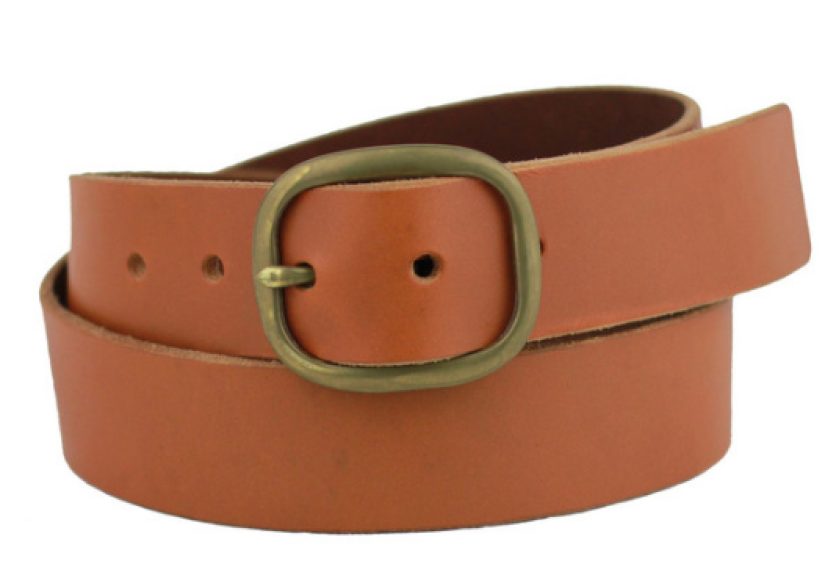
like it’s trying to start a conversation at full volume. In other words: a cognac oval buckle belt
is a wardrobe workhorse that still has style.
What “Cognac” Really Means (And Why It Looks Expensive)
In fashion, “cognac” usually describes a warm medium-brown with amber or caramel undertonesthink golden brown,
not chocolate. On leather, cognac is especially popular because it tends to develop character over time.
Quality leather often deepens slightly and gains a soft sheen with wear, so your belt can look better at month six
than it did on day one. That’s not magic. That’s materials doing their job.
Cognac also plays nicely with the rest of your closet. It’s lighter and friendlier than dark brown, but less stark
than black. It can look classic with navy and white, earthy with olive and denim, and surprisingly sharp with black
(especially when your shoes or bag echo the warm tone).
Why the Oval Buckle Works
Buckle shapes sound like a tiny detailuntil you put one on and realize it changes the whole vibe.
A square buckle can feel crisp, modern, and slightly “boardroom.” An oval buckle
feels smoother, a little more vintage-inspired, and often more versatile across casual and dressy outfits.
Common oval buckle styles you’ll see
- Classic single-prong oval: Minimal, timeless, and easy to dress up or down.
- Wrapped oval buckle: Leather covers the buckle for a softer, tonal look.
- Statement oval: Larger, jewelry-like hardware that becomes the focal point.
- Western-leaning oval: Can be cool, but it’s a different lanemore bold, more casual.
If you want the “goes with everything” version, aim for a medium buckle size with a simple finish (gold-tone,
brushed brass, or understated silver-tone). If you want the belt to be your accessory moment, go bigger and more sculptural.
Materials That Matter (Because “Leather” Can Mean a Lot of Things)
Two belts can look similar online and behave completely differently in real life. That usually comes down to the leather,
the build, and the hardware.
Full-grain vs. top-grain vs. “genuine”
-
Full-grain leather generally keeps the hide’s natural surface and tends to age well. It can show
natural variation (a good sign) and often develops a nicer patina over time. -
Top-grain leather is typically sanded or refined for a smoother look. It can still be excellent,
especially when well-made. -
“Genuine leather” is a broad label, not a quality guarantee. It might be fine, or it might be more processed.
The construction and feel matter more than the phrase on the tag.
Bridle leather, vegetable-tanned leather, and why belts love them
Many premium belts use sturdier leathers (often bridle-style or vegetable-tanned varieties) that hold shape and resist stretching.
These leathers can feel firmer at first, then soften as they break inlike good shoes, but less dramatic about it.
Vegan leather options
Vegan leather belts can look sleek and be budget-friendly. The tradeoff is that they typically won’t patina the way leather does,
and durability varies by material and construction. If you go vegan, look for a belt that feels substantial, has clean edges,
and includes multiple adjustment holes for a precise fit.
How a Belt Should Fit (So You Don’t Spend Your Morning Doing Belt Math)
A well-fitting belt should buckle comfortably in the middle holesnot the last hole like it’s hanging on for dear life,
and not the first hole like you’re preparing for hibernation.
Three reliable ways to choose your size
- Measure a belt you already love: Measure from the buckle pin to the hole you use most often. That measurement is your best clue.
-
The “add a little” rule: Many guides recommend choosing a belt that’s about 2 inches larger than your pant waist size
(for example, 34 pants → 36 belt). This is a rule of thumb, not a law of physics. - Measure where you’ll wear it: Some belts are designed for the hips, others for the natural waist. Measure exactly where the belt will sit.
Also: belt placement changes everything. A belt worn at the waist (with high-rise pants or over a dress) usually needs a different size
than a belt worn lower on the hips. If a product description says “designed to be worn at the hips,” believe it.
How to Style a Cognac Oval Buckle Belt
1) Jeans & casual outfits (the everyday MVP)
The classic move is simple: cognac belt + denim + a white tee or sweater. Add sneakers for relaxed, or loafers/boots for polish.
The oval buckle keeps the look refined without feeling stiff.
- Weekend uniform: Straight-leg jeans, tucked tee, cognac belt, denim jacket.
- Smart casual: Dark jeans, button-down, cognac belt, brown boots (not necessarily the exact same shade).
- Laid-back cool: Oversized sweater with a half-tuck, belt visible, simple jewelry.
2) Workwear & tailored outfits (quietly sharp)
For offices and dressier settings, keep the belt width moderate (often around 1–1.25 inches) and the buckle clean.
Cognac adds warmth to navy, charcoal, cream, and even black trousersespecially when your shoes or bag pick up the tone.
- Easy office combo: Navy trousers + white shirt + cognac belt + tan or brown shoes.
- Modern neutral: Beige/stone chinos + black knit + cognac belt (warm accent without being loud).
3) Dresses, blazers, and coats (where the oval buckle shines)
Belting a dress or blazer creates shape fast. A cognac oval buckle looks a bit like jewelryespecially in gold-tone finishesso it can
elevate simple pieces without needing extra fuss.
- Over a blazer: Add a belt at the natural waist for structure (great with straight-leg trousers).
- Over a sweater dress: Instantly defines the waist and breaks up one solid color.
- Over a coat: A belt can make outerwear look intentional instead of “I grabbed it because it’s cold.”
Color matching, without becoming a detective
The old rule “match belt to shoes” is helpful, but it doesn’t require identical shades. Think coordinated, not copy-paste.
Cognac pairs especially well with tan, brown, camel, and warm neutrals. With black outfits, cognac becomes a statement accenton purpose.
Care & Maintenance: Keep the Leather Happy
Leather is durable, but it isn’t invincible. The best care routine is simple and consistentno complicated spa weekends required.
Routine care (5 minutes, tops)
- Wipe after wear: A soft, dry cloth removes dust and prevents grime from settling in.
- Spot clean gently: Use a lightly damp cloth for small marks, then let it air dry away from heat.
- Condition occasionally: Conditioning helps replenish oils and keep leather flexible. Use a small amount and buff after it absorbs.
What to avoid (aka “How belts get sad”)
- Heat: Don’t dry leather near a heater or in direct sunlight.
- Harsh household cleaners: Strong chemicals can strip finishes and dry leather out.
- Over-conditioning: Too much product can make leather sticky or overly dark.
- Bad storage: Don’t crumple the belt. Hang it or store it rolled loosely.
Pro tip: always test any cleaner or conditioner on a hidden spot first. Leather can react differently depending on finish and dye.
Buying Checklist: What to Look for in a Great Cognac Oval Buckle Belt
If you want a belt you’ll wear for years (not weeks), focus on build quality and fit.
Fit & function
- Enough holes: More holes = better fit. Seven holes is often a sweet spot, especially for waist vs. hip styling.
- Right width: Around 1 inch works for many outfits; wider belts feel casual; very slim belts feel more trend-forward.
- Comfort at the middle hole: Your ideal size usually lands you there.
Construction details that signal quality
- Edges: Look for cleanly finished edges (painted, burnished, or neatly stitched).
- Stitching: Even stitches with no loose threads.
- Hardware: A solid buckle and sturdy prong that doesn’t feel flimsy.
- Leather feel: Substantial, not paper-thin; flexible but not “floppy.”
Bonus points: responsible sourcing signals
Some brands mention sourcing from tanneries audited for environmental and social practices (for example, Leather Working Group-audited supply chains).
This isn’t the only measure of sustainability, but it’s a useful transparency clue when you’re comparing options.
Common Belt Problems (And Simple Fixes)
The belt tail is too long
If the belt tail flaps around like it’s trying to wave at strangers, you may need a smaller size or a belt designed for your rise (waist vs. hips).
Some belts also include extra keepers to manage the tail cleanly.
The holes stretch out quickly
This can happen with softer leathers or frequent wear in the same hole. Rotating between holes, choosing a sturdier leather,
and avoiding over-tightening can help.
The leather darkened after conditioning
Many conditioners deepen color slightlyespecially on lighter browns like cognac. Use a smaller amount, apply evenly, and buff well.
If you’re picky about color, choose a conditioner designed to be minimal-darkening and always test first.
Real-World Experiences With a Cognac Oval Buckle Belt (The Extra )
People often buy a belt thinking it’s purely practicalthen realize it’s secretly an outfit “editor.” A cognac oval buckle belt,
in particular, tends to create a few repeatable experiences that show up across seasons and closets.
It becomes the “default good choice” on rushed mornings
The most common feedback you’ll hear is that cognac feels safer than black when you want warmth, but easier than dark brown when you’re
mixing neutrals. On mornings when you’re half-awake and negotiating with your closet like it’s a courtroom, a cognac belt often wins by
being flattering with denim, beige, cream, olive, navy, and even charcoal. The oval buckle helps, tooit looks intentional without screaming
for attention. It’s the accessory version of showing up five minutes early: subtle competence.
It upgrades basics without changing your whole personality
A plain tee, straight-leg jeans, and sneakers can look fine… or it can look styled. Wearers often say the belt is what makes the outfit feel
“finished,” especially when the buckle has a clean, jewelry-like shape. The oval buckle reads softer than a big square frame, so it can feel
slightly dressier even in a casual outfit. If you’re not trying to look like you planned a fashion editorialjust that you own an iron and know
what day it isthis belt hits that sweet spot.
It’s surprisingly useful for fit fluctuations
Belts do more than hold pants up. They add adjustabilityafter travel, after a big meal, during seasons when your wardrobe and your body aren’t
signing the same agreement. Belts with more adjustment holes (some styles offer extra holes beyond the standard set) feel more forgiving and make
it easier to wear the same belt with both mid-rise jeans and higher-waisted trousers. The practical win here is simple: less tugging, less re-tucking,
fewer moments where you wonder why belt loops exist if they’re not going to cooperate.
It ages in a way that feels personal (when the materials are good)
With real leather, cognac can pick up small changessoft creases where it bends, a gentle shine where it rubs against denim, a slightly deeper tone
over time. Many owners describe this as the belt “breaking in,” and it’s part of why cognac is so popular: the color looks better as it settles.
Of course, the experience depends on leather quality and care. The best results usually come from simple habitswiping it down occasionally,
conditioning lightly a few times a year, and not storing it crumpled in a drawer like it owes you money.
It’s a quiet compliment magnet
People don’t always notice beltsuntil they do. A warm cognac tone with an oval buckle tends to get the kind of compliments that sound casual but
mean something, like “That looks really put together,” or “Your accessories are so good.” It’s not because the belt is flashy. It’s because it
creates a clean focal point at the waist and harmonizes with other warm elements (a watch strap, a bag, boots, even tortoiseshell sunglasses).
If you like outfits that feel elevated but not fussy, this belt often becomes the one you reach for when you want to look like you triedwithout
actually trying that hard.
Conclusion
A cognac oval buckle belt is one of those rare accessories that’s both practical and genuinely stylish. The color brings warmth and
versatility, the oval buckle adds a refined shape, and the right materials will let the belt age gracefully instead of wearing out quickly.
Prioritize fit, choose solid construction, care for the leather with a light touch, and you’ll have a belt that works across jeans, trousers,
dresses, and outerwearno outfit drama required.