Table of Contents >> Show >> Hide
- Why Coconut Curry Shrimp Belongs in Your Weeknight Rotation
- Key Ingredients (and Why They Work)
- Step-by-Step: How to Make Coconut Curry Shrimp
- Flavor Twists and Easy Substitutions
- Serving Ideas and Easy Pairings
- Nutrition Snapshot and Lighter Tweaks
- Make-Ahead, Storage, and Food Safety
- Remodelaholic-Style Kitchen Tips
- Real-Life Coconut Curry Shrimp Experiences (500-Word Bonus)
Some dinners feel like a full-blown construction project: a million steps, fifteen pans, and the tragic realization that you’re eating at 9:30 p.m. Coconut curry shrimp is the opposite of that. It’s a true Remodelaholic–style recipe: fast, flexible, budget-friendly, and totally capable of turning a regular Tuesday into “wow, we should invite people over more often.”
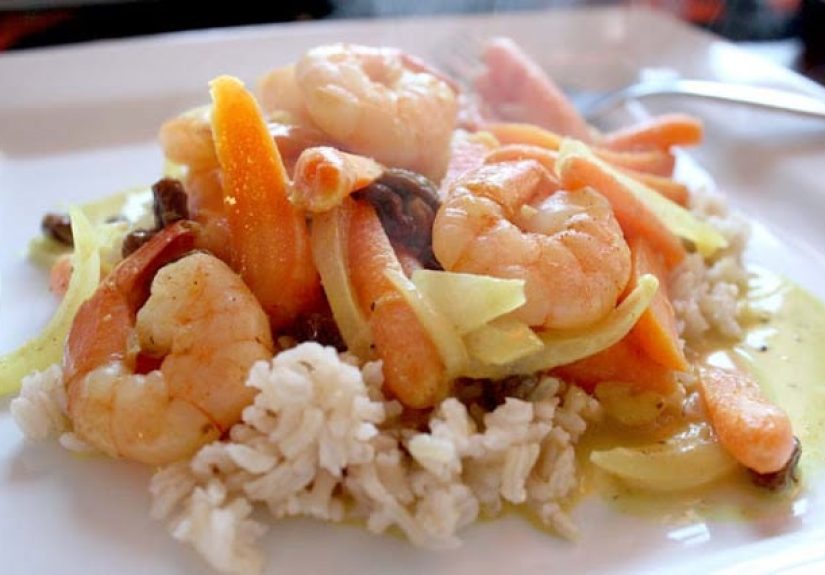
This spin on coconut curry shrimp takes its inspiration from the classic Remodelaholic recipe that sautés shrimp separately and lets carrots, onions, curry powder, coconut milk, and a handful of sweet raisins simmer together into a silky sauce. Ready in about 30 minutes and happy to sit on top of rice, cauliflower rice, or noodles, it’s a weeknight hero that still feels special enough for guests.
Below, you’ll find everything you need: what makes this dish so good, how to cook shrimp safely, easy variations, and plenty of real-life tips for serving coconut curry shrimp in a busy, DIY-loving household.
Why Coconut Curry Shrimp Belongs in Your Weeknight Rotation
Coconut curry shrimp shows up on a ton of American food blogs for the same three reasons: it’s fast, it’s flavorful, and it’s flexible. Many popular recipes clock in around 20–30 minutes and use a mix of pantry staplescoconut milk, curry paste or curry powder, onions, and bell peppersplus a pound or so of peeled shrimp.
The Remodelaholic approach leans into that speed but adds a clever trick: you cook the shrimp in one skillet and the veggies and sauce in another. The shrimp get a quick sear and stay plump and juicy, while the carrots and onions soften in the background. Everything comes together at the end for a quick simmer, so each bite has tender vegetables, perfectly cooked shrimp, and a creamy curry sauce that clings to every grain of rice.
Compared with heavier cream-based sauces, coconut milk keeps the dish rich but still feels light enough for a weeknight. Similar recipes often land around 300–600 calories per serving, depending on how much rice you add and how generous you’re feeling with the coconut milk.
Key Ingredients (and Why They Work)
Shrimp: The Fast, Flavor-Soaking Protein
Shrimp is the main character here, and for good reason. It cooks in just a few minutes, so you get a restaurant-level dinner without babysitting the stove. Most coconut curry shrimp recipes call for about 1 pound of peeled, deveined shrimpoften medium to large size.
For food safety, U.S. guidance recommends cooking seafood like shrimp to an internal temperature of about 145°F (63°C), or until the flesh is pearly and opaque and firm to the touch. In practice, that usually means 2–3 minutes per side in a hot skillet. Overcook shrimp and they turn rubbery fast, so think “just barely opaque” instead of “bulletproof.”
In the Remodelaholic version, the shrimp is simply seasoned with salt and pepper and quickly seared, then set aside while you build the sauce. This keeps it from overcooking while your veggies soften.
Coconut Milk: Creamy, Dairy-Free Comfort
Coconut milk is the heart of the sauce. It brings richness, a subtle sweetness, and that unmistakable tropical comfort. Many U.S. recipes for coconut shrimp curry use full-fat coconut milk for a luxurious texture that clings beautifully to rice and vegetables.
If you’re watching calories, you can use light coconut milk, but the sauce will be thinner. To compensate, simmer it a bit longer to reduce and thicken, or add a teaspoon of cornstarch whisked into a splash of cold water before stirring it into the simmering sauce.
Curry Powder (or Paste): Big Flavor, Low Effort
The classic Remodelaholic recipe uses curry powder, which is a blend of warm spices like turmeric, coriander, cumin, and fenugreek. It gives the dish its golden color and cozy aroma without needing a long ingredient list.
Other coconut shrimp curry recipes swap in Thai red or green curry paste, which adds heat and fragrant notes from ingredients like lemongrass, galangal, and chiles. Either approach worksit just depends on whether you’re in the mood for a mellow, familiar curry powder or a zesty Thai-inspired kick.
Vegetables and Sweet Add-Ins
The Remodelaholic version keeps the produce list short and smart: sliced carrots and onions sautéed until crisp-tender, then simmered in coconut milk and curry. That combo gives you sweetness, crunch, and color without making prep complicated.
Many American recipe developers love to add bell peppers, broccoli, spinach, or peas to coconut curry shrimp for extra fiber and a more colorful bowl. A handful of raisins, like in the Remodelaholic recipe, brings surprising sweetness that balances the mild heat of the curry powder beautifully.
Step-by-Step: How to Make Coconut Curry Shrimp
You can adapt this to your own kitchen, but here’s a Remodelaholic-inspired roadmap for success:
1. Prep Your Ingredients
- Peel and devein about 1 pound of shrimp (medium or large).
- Slice 1 cup of carrots and 1/2 cup of onion.
- Measure out 1 teaspoon curry powder, 1 cup coconut milk, 1 cup water, and a small handful of raisins.
- Season the shrimp with salt and pepper.
Having everything ready before you turn on the stove (hello, mise en place) makes this recipe feel even faster.
2. Sear the Shrimp
- Heat about 1 teaspoon of olive oil in a large skillet over medium heat.
- Add the seasoned shrimp in a single layer.
- Cook 2–3 minutes per side, just until the shrimp turns pearly and opaque.
- Transfer the shrimp to a plate and set aside.
Don’t worry if the shrimp leaves browned bits on the panthat’s flavor. You can splash a little water or broth into the skillet later and scrape those up into the sauce.
3. Build the Veggie Base
- In a second large skillet, lightly spray with olive oil (or add a teaspoon of oil).
- Add the onion and carrots with a pinch of salt and pepper.
- Sauté about 5 minutes, until the vegetables are crisp-tender.
You want the carrots to keep a little bitethey’ll soften more once the sauce simmers.
4. Make the Coconut Curry Sauce
- Stir in the curry powder and toast for 30 seconds to wake up the spices.
- Pour in the coconut milk and water, stirring to combine.
- Add the raisins and bring everything to a gentle simmer.
The sauce should look silky and smell incredible. If you like it thicker, let it simmer a few extra minutes to reduce.
5. Finish with the Shrimp
- Slide the seared shrimp into the bubbling sauce.
- Simmer 3–5 minutes, just until the shrimp are hot and fully cooked through.
- Taste and adjust with extra salt, pepper, or a squeeze of lime.
Serve the coconut curry shrimp over hot brown rice, jasmine rice, or cauliflower rice for a lower-carb option.
Flavor Twists and Easy Substitutions
Turn Up (or Down) the Heat
- Milder: Use a mild curry powder and add a splash of extra coconut milk or a pinch of brown sugar to soften the spice.
- Spicier: Stir in a spoonful of Thai red curry paste or a sliced fresh chile. Many recipes that lean Thai-inspired rely on red curry paste plus coconut milk for a bolder kick.
Swap the Protein
Not in a shrimp mood? You can:
- Use diced boneless chicken thighs (cook them through before adding the sauce).
- Make it pescatarian with chunks of firm white fish plus shrimp.
- Go plant-based with chickpeas or cubes of tofu in place of shrimp.
Boost the Veggies
Follow the lead of many U.S. coconut curry shrimp recipes and toss in:
- Bell peppers, broccoli florets, or snap peas.
- Spinach or kale stirred in at the end until wilted.
- Frozen peas for a quick pop of sweetness and color.
Serving Ideas and Easy Pairings
Coconut curry shrimp is one of those dishes that looks like you tried harder than you did. Here are a few serving ideas:
- Classic bowl: Brown rice topped with shrimp, sauce, and a sprinkle of chopped cilantro.
- Low-carb dinner: Cauliflower rice and extra veggies in the curry.
- Noodle night: Ladle the curry over cooked rice noodles or soba.
- Fresh sides: A crunchy slaw or cucumber salad to balance the richness, as suggested by several lighter curry recipes.
A lime wedge on the side can brighten the whole dish. One quick squeeze can make the coconut curry taste fresher and more complex.
Nutrition Snapshot and Lighter Tweaks
Exact nutrition will vary based on your ingredients, but many coconut shrimp curry recipes fall in the 300–400 calorie range per serving before adding rice, with around 25–30 grams of protein, thanks to the shrimp. Coconut milk contributes healthy fats and richness, though full-fat versions do bump up the saturated fat.
To lighten things up, you can:
- Use light coconut milk and reduce the sauce longer.
- Add more vegetables and slightly less rice.
- Serve smaller portions of shrimp and supplement with chickpeas or extra veggies.
Make-Ahead, Storage, and Food Safety
Like most creamy curries, coconut curry shrimp tastes great fresh and reheats fairly well if you’re gentle.
- Fridge: Store leftovers in a shallow container in the refrigerator and enjoy within 2–3 days.
- Reheat: Warm gently on the stovetop over low heat or in the microwave until hot throughout. U.S. food safety guidelines recommend reheating leftovers to at least 165°F.
- Food safety: Don’t leave cooked shrimp out at room temperature for more than 2 hours (or 1 hour if it’s very hot), and keep hot foods out of the “danger zone” between 40°F and 140°F where bacteria can multiply rapidly.
Seafood doesn’t love the freezer once it’s been cooked in a delicate sauceit can turn mushyso it’s best to enjoy this dish fresh or within a couple of days.
Remodelaholic-Style Kitchen Tips
The spirit of Remodelaholic is all about doing more with less: less time, less money, less stress. Coconut curry shrimp fits right in:
- One prep session, two meals: Double the veggies and sauce, but only cook enough shrimp for one dinner. The next day, reheat the sauce and add freshly cooked shrimp.
- Pan-efficient cooking: If you don’t want to dirty two skillets, sear the shrimp first, remove them, wipe out the pan if needed, and then build the sauce in the same skillet.
- Make it pretty: Serve the curry in a shallow white bowl or a simple serving dish; the golden sauce and pink shrimp do the decorating for you.
Real-Life Coconut Curry Shrimp Experiences (500-Word Bonus)
1. The “I Forgot to Plan Dinner” Rescue Meal
Picture this: it’s 5:45 p.m., everyone’s hungry, and your brain has completely checked out for the day. You open the freezer, see a bag of shrimp, and wish it would transform into dinner on its own. Coconut curry shrimp is the next best thing. Shrimp thaw quickly under cold running water, carrots and onions are almost always hanging around, and coconut milk lives in the pantry patiently waiting for moments like this.
That’s the magic of this recipe. You don’t need a complicated marinade or a long roasting time. As long as you have shrimp, curry powder, and coconut milk, you’re halfway there. By the time your rice cooker beeps, the curry is usually done, smelling like you secretly hired help.
2. Hosting Friends Without Losing Your Mind
Coconut curry shrimp also shines when you’re entertaining. It’s a great “company meal” because it scales easily. Double the recipe, switch to a big Dutch oven, and let the curry simmer while you tidy up the living room. When guests arrive, the house smells incredible, and all you have to do is spoon curry into bowls and pass the lime wedges.
It’s also a friendly dish for mixed-diet groups. Gluten-free friends are usually fine as long as your curry powder or paste is GF. Lactose-sensitive guests appreciate the dairy-free coconut milk. Vegetarians can get their own version with chickpeas and extra veggies in a separate pan. Everyone feels seen without you cooking four different dinners.
3. Curry Training Wheels for Picky Eaters
If you’ve got skeptical kiddosor adultswho think “curry” translates to “too spicy,” the Remodelaholic style of coconut curry shrimp makes a great introduction. Curry powder is usually milder compared with Thai curry pastes, and the sweetness from carrots, raisins, and coconut milk softens any heat. You can dial the spice down at first and slowly nudge it up over time as taste buds get braver.
Serve the curry with toppings in little bowlsextra raisins, chopped peanuts, cilantro, lime wedgesso everyone can customize their plate. It turns dinner into a mini DIY bar, which fits the Remodelaholic vibe perfectly: people get to build their own best version of the meal.
4. A Signature Dish You Can Actually Remember
A lot of “signature” recipes are so involved that you only make them once a year and forget the steps in between. Coconut curry shrimp is memorable but simple enough that you can basically make it from muscle memory after a few tries. Heat oil, sear shrimp, sauté veggies, add curry and coconut milk, simmer, done.
Over time, you’ll find your own house rules: maybe you always add a handful of spinach at the end, or you double the carrots because your family loves them, or you insist on lime on every plate. Those little personal touches are what turn a solid recipe into a “this is our thing” meal.
In the end, coconut curry shrimp is exactly the kind of recipe Remodelaholic fans appreciate: smart, flexible, and just a little bit impressivewithout requiring a kitchen remodel or a full-day cooking marathon. Once you’ve made it a few times, don’t be surprised if it becomes your default answer to the question, “What’s for dinner?”