Table of Contents >> Show >> Hide
- Start With Strategy: Clean Smarter, Not Harder
- Your “Small But Mighty” Cleaning Kit
- Room-by-Room Cleaning Tips That Actually Work
- Stains, Smells, and “What Happened Here?” Moments
- A Simple Cleaning Schedule You Can Stick To
- Eco-Friendly Cleaning Without the Crunchy Confusion
- Conclusion
- Real-World Cleaning Experiences (About )
Cleaning is basically adulting’s boss battle: the mess levels up while you’re busy doing literally anything else. The good news? A clean home doesn’t require a color-coded spreadsheet, a viral “cleaning cocktail,” or the emotional support of 47 scented candles. It requires a few smart habits, the right tools, and a plan that doesn’t collapse the moment your dog shakes off after a rainy walk.
This guide shares practical, room-by-room cleaning tips, plus a realistic schedule and product-safety basics. The goal isn’t “museum-ready.” It’s “comfortable, healthy, and not sticky.”
Start With Strategy: Clean Smarter, Not Harder
Cleaning vs. disinfecting: you usually need both, but not at the same time
Cleaning removes dirt and a lot of germs. Disinfecting uses chemicals to kill germs on hard, nonporous surfaces. If you jump straight to disinfectant on a dirty countertop, you’re basically asking it to fight through a layer of peanut butter like it’s an obstacle course. Clean first, then disinfect when it actually matters (like after someone’s been sick or after handling raw meat).
Work top-to-bottom and dry-to-wet
Gravity is undefeated. Dust falls, crumbs drop, and your floors end up with whatever you knocked loose above. Start high (shelves, ceiling fans, light fixtures), then move down to counters, then floors. Also: do “dry” tasks first (dusting, vacuuming) before “wet” tasks (mopping, scrubbing). Wet dust becomes paste. Paste becomes regret.
Declutter first, then clean
Cleaning around clutter is like trying to brush your teeth while eating cookies. Do a fast reset: toss trash, return items to their homes, and clear surfaces. If you only have 5 minutes, do this step. Your space will look dramatically better with almost no chemicals involved.
Use a timer and a “good enough” finish line
Perfection is how you end up reorganizing your spice drawer at midnight. Set a 15–25 minute timer per room. When it rings, stop. You’ll build consistency, and consistency beats heroic once-a-month cleaning marathons every time.
Clean your tools so they can clean for you
A grimy sponge, a clogged vacuum filter, or a lint-loaded microfiber cloth will make every task take longer. Rinse and dry sponges, wash microfiber separately without fabric softener, and empty or change vacuum bags/canisters before they’re packed. Ten minutes of tool maintenance can save an hour of “why is this not working?” later.
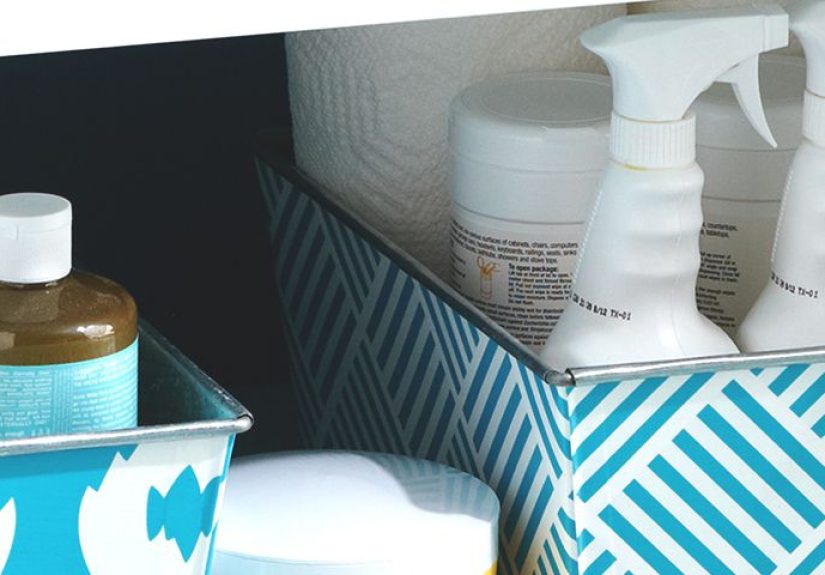
Your “Small But Mighty” Cleaning Kit
Tools that do the heavy lifting
- Microfiber cloths (a few for kitchen, a few for bathroomkeep them separate)
- A vacuum with attachments (crevice tool = baseboard wizard)
- A mop suitable for your floors (spray mop for quick maintenance; traditional mop for deeper jobs)
- Scrub brush plus an old toothbrush (grout, faucets, corners)
- Squeegee (shower doors and mirrors: fewer streaks, less frustration)
- Gloves (skin protection and instant “I mean business” energy)
Products to keep on hand (without building a chemistry lab)
- Dish soap (gentle degreaser for everyday grime)
- All-purpose cleaner for most sealed surfaces
- Glass cleaner for windows and mirrors
- Bathroom cleaner for soap scum and mineral buildup
- Disinfectant for high-touch hard surfaces when needed (follow label directions)
- Baking soda as a mild abrasive for scuffs and stuck-on spots (use thoughtfully)
Safety rules your future self will thank you for
- Never mix cleaning products. Especially anything containing bleach or ammonia.
- Read the label. Use products on the surfaces they’re made for and follow contact-time directions when disinfecting.
- Ventilate. Crack a window and run a fan, especially with sprays.
- Store products in original containers, out of reach of kids and pets.
Room-by-Room Cleaning Tips That Actually Work
Kitchen: where crumbs go to form a union
High-impact habit: a quick nightly reset. Wipe counters, handle the dishes, and scrub the sink. A clean sink makes the whole room feel calmerlike your kitchen is exhaling.
- Degrease smarter: Warm water plus a drop of dish soap first. Let it sit a couple minutes before wiping.
- Cutting boards: Wash promptly after raw meat. For odor on plastic boards, scrub with baking soda paste, rinse, and air dry.
- Microwave: Heat a bowl of water until steamy, then wipe. Steam does the softening; you do the victory lap.
- Fridge: Wipe spills immediately. Weekly, toss anything that’s gone from “leftover” to “legend.”
Bathroom: soap scum’s favorite theme park
Best move: prevent buildup. A quick rinse and squeegee after showers can save you from weekend scrubbing that makes you question your life choices.
- Shower and tub: Apply cleaner, let it dwell, then scrub. Skipping dwell time is like microwaving for 2 seconds and wondering why dinner is still frozen.
- Toilet: Cleaner in the bowl, let sit, brush, flush. Wipe seat and handle afterward (high touch!).
- Grout: Start with baking soda paste and gentle scrubbing, then rinse well. If you use another product, use it separately and rinseno DIY “mixology.”
- Vent fan: Dust it. A dusty fan is just a loud decoration.
Bedrooms: sleep better, sneeze less
- Sheets: Weekly is a solid baseline; wash more often if you have allergies, sweat heavily, or sleep with pets.
- Nightstands: Clear the clutter, then wipe. (Yes, even the cup coaster you swear you’ll use “tomorrow.”)
- Under-bed zone: Vacuum occasionally. Dust bunnies love rent-free living.
Living areas: dust’s main stage
- Dust first, then vacuum: Knock dust down from shelves and lamps, then vacuum floors and rugs. Use a slightly damp cloth to trap dust instead of launching it into the air.
- Upholstery: Vacuum cushions and the space underneath. The “lost remote zone” is also a crumb ecosystem.
- Electronics: Use a dry, soft cloth and minimal moisture. Don’t spray liquid directly on screens.
Floors and carpets: the mess’s final destination
- Hard floors: Sweep or vacuum before mopping. Use a damp mop, not a swimming poolsome finishes hate excess water.
- Carpets: Vacuum slowly in overlapping passes. For stains, blot (don’t rub), work from the outside in, and use a carpet-safe cleaner.
- Entryway win: A doormat and a “shoes-off” habit reduce dirt dramatically. It’s the easiest cleaning you’ll never have to do.
Windows and mirrors: streak-free without the rage
- Use two cloths: one to clean, one to buff dry. Most “streak problems” are just “dirty-cloth problems.”
- Skip direct sun: Cleaner dries too fast and can streak. Overcast days are window-cleaning MVPs.
Stains, Smells, and “What Happened Here?” Moments
Grease (kitchen cabinets, range hood, mystery fingerprints)
Start gentle: warm water and dish soap on a microfiber cloth. If the grease laughs at you, move up to a surface-appropriate degreaser. Always spot test, especially on painted cabinets.
Hard water and soap scum (faucets, glass doors)
For mineral buildup, use a bathroom cleaner designed for hard water. If you use vinegar as a descaling helper, keep it away from natural stone (like marble) and rinse thoroughly afterward.
Pet messes (aka the “why is it wet?” situation)
- Act fast: blot up liquid, then clean with an enzyme cleaner designed for pet stains.
- Neutralize odor: enzymes beat perfume. Covering smells with “Ocean Breeze” just gives you “Ocean Breeze + regret.”
- Protect routines: add a washable mat under bowls and near litter boxes.
Trash and fridge odors
- Trash can: wash, dry, then add a light sprinkle of baking soda at the bottom.
- Fridge: wipe spills quickly and toss expired items weekly. A clean fridge smells like… nothing, which is the dream.
A Simple Cleaning Schedule You Can Stick To
Daily (5–15 minutes)
- Reset the kitchen: dishes, counters, sink
- Quick bathroom wipe: sink, faucet handles, toilet handle
- One “floor saver”: sweep crumbs or vacuum a high-traffic strip
- One-minute habits: wipe spills as they happen
Weekly (30–90 minutes total, broken up if you want)
- Vacuum carpets and rugs; mop hard floors
- Clean bathroom surfaces (shower/tub, toilet exterior, mirror)
- Dust main surfaces (especially high shelves and electronics)
- Laundry: towels and sheets
- Fridge check: toss expired items and wipe sticky spots
Monthly (the “I still live here” refresh)
- Wipe baseboards and door frames in high-traffic areas
- Clean inside the microwave; wipe oven window
- Clean vacuum rollers/filters as recommended
- Wipe cabinet fronts and light switches
Seasonal/annual (your home’s preventive maintenance)
- Deep clean appliance filters (dishwasher filter, range hood filter)
- Wash shower curtain/liner and address grout lines more thoroughly
- Vacuum dryer vents and lint pathways to reduce fire risk
- Replace HVAC filters on a routine that fits your system and household needs
Eco-Friendly Cleaning Without the Crunchy Confusion
Use “natural” ingredients where they shine
Some DIY ingredients are helpful as cleaners (removing grime), but they’re not universal disinfectants. Baking soda adds gentle scrub power. Dish soap handles everyday grease. Vinegar can help with some mineral deposits on appropriate surfaces. That’s plenty of “green” for most households.
Know their limits and avoid viral hacks
If someone online tells you to combine random products in a bucket, politely back away. Mixing cleaners can create dangerous fumes, and some combos just cancel each other out. When you truly need disinfection, choose an EPA-registered disinfectant and follow the label.
Conclusion
The best cleaning routine is the one you’ll actually do. Keep a small kit, focus on high-impact habits, and disinfect thoughtfully when needed. Your home doesn’t have to be perfectit just has to feel good to live in.
Real-World Cleaning Experiences (About )
Here’s what tends to happen in real homes (and what cleaning pros quietly wish everyone knew). Think of it as “lessons learned,” with fewer lectures and more results.
The Saturday myth: Plenty of people plan to “clean the whole house” in one heroic day. Then they hit the second bathroom and start negotiating with the universe. Smaller sessions work better. Ten minutes a day keeps mess from stacking into a weekend marathon.
The product overuse trap: Another common experience: you spray half the bottle, wipe, and somehow the counter looks worse. That’s often residue. More cleaner doesn’t always mean more cleanit can mean streaks and stickiness. Use less, let it sit briefly, and wipe with a truly clean cloth.
The “mystery smell” that was actually moisture: Homes rarely smell off because they need a fancy room spray. They smell off because something stayed wetlike a towel that never dried, a sponge living in a puddle, or a bath mat that’s basically a swamp. The fix is airflow and laundry: hang things to dry, run the fan, wash fabrics regularly, and let sunlight help when you can.
The grout saga: People often scrub grout for an hour and then feel defeated a week later. The long-term win isn’t only scrubbingit’s prevention. Better ventilation, a quick squeegee habit, and tackling small buildup early makes grout cleaning feel less like an archaeological dig.
The pet-parent reality check: If you live with pets, you will eventually clean something you never expected. The trick is accepting that “perfect” isn’t the goalmanageable is. Washable throws, a lint roller near the door, and vacuuming high-traffic zones a couple times a week keep fur from becoming a floor accessory. For accidents, enzyme cleaners beat fragrance every time. Bonus: a washable mat under bowls and litter boxes saves a lot of scrubbing.
The dopamine of a clean sink is real: In a lot of households, the sink becomes the “I’ll deal with it later” pile. When you keep it clear, it’s easier to wash one plate immediately and wipe one spill before it hardens into a crusty souvenir. And yes, hair wrapped around the vacuum brush roll counts as a “project.”