Table of Contents >> Show >> Hide
- Why Carpet Starts Looking Old Before Its Time
- Secret 1: Vacuum Like You Mean It
- Secret 2: Stop Dirt at the Door
- Secret 3: Blot Spills Immediately, Never Rub
- Secret 4: Test Every Cleaner First
- Secret 5: Use the Right Stain Strategy
- Secret 6: Rinse Out Residue
- Secret 7: Control Moisture Like a Professional
- Secret 8: Deep Clean Before the Carpet Looks Terrible
- Secret 9: Groom the Pile After Cleaning
- Secret 10: Protect High-Traffic Areas
- Common Carpet Cleaning Mistakes to Avoid
- A Simple Carpet Cleaning Schedule
- Best Everyday Tools for Cleaner Carpets
- Extra Experience Section: Real-Life Carpet Cleaning Lessons That Actually Help
- Conclusion
Carpet has a magical talent for making a home feel warm, soft, and inviting. It also has a less magical talent for collecting crumbs, dust, pet hair, coffee spills, mystery spots, and whatever tiny souvenirs your shoes bring in from the outside world. The good news? Your carpet does not need to look like it has survived three birthday parties, two dogs, and a spaghetti incident.
With the right carpet cleaning routine, you can revive tired fibers, remove stubborn stains, reduce odors, and make your floors look fresh again without treating your living room like a science experiment. The real secret is not one miracle product. It is a smart combination of prevention, quick action, proper vacuuming, gentle spot treatment, moisture control, and occasional deep cleaning.
This guide shares 10 practical carpet cleaning secrets that homeowners can actually use. No drama. No panic. No scrubbing like you are trying to erase a bad life decision. Just clear, effective steps that help carpets look newer, feel cleaner, and last longer.
Why Carpet Starts Looking Old Before Its Time
Carpet usually does not become ugly overnight. It ages in tiny daily installments. Dry soil scratches fibers. Food spills attract more dirt. Soap residue makes cleaned spots look dirty again. Moisture trapped in the backing can create odor problems. High-traffic lanes become flattened because the same path gets walked on again and again, usually from the couch to the kitchen because snacks are powerful.
Most carpet problems fall into four categories: soil, stains, odor, and wear. Soil is the gritty material that sinks into the pile. Stains are discoloration from spills or tracked-in substances. Odor often comes from moisture, pets, food, or residue. Wear happens when fibers are crushed, abraded, or neglected. A good carpet maintenance plan tackles all four.
Secret 1: Vacuum Like You Mean It
Vacuuming is the foundation of carpet cleaning. It may not be glamorous, but neither is paying to replace carpet that could have lasted years longer. Dry soil acts like sandpaper. Every step grinds particles against carpet fibers, slowly dulling the surface and making traffic lanes look older.
For busy areas such as hallways, stairs, family rooms, and entry paths, vacuum several times a week. Low-traffic rooms can usually be vacuumed weekly. Homes with pets, kids, allergies, or a snack-friendly lifestyle may need more frequent cleaning. Use slow passes instead of racing the vacuum like you are late for a meeting. A slow forward-and-backward motion gives the machine time to lift embedded dirt.
Pro Tip: Change Direction
Vacuum north to south, then east to west. This helps loosen soil from different angles and lifts the carpet pile more evenly. Think of it as giving your carpet a tiny fitness routine, minus the motivational playlist.
Secret 2: Stop Dirt at the Door
The cleanest carpet is the one that never meets half the dirt in the first place. Place sturdy mats outside and washable rugs inside entrances. Encourage a shoes-off habit, especially in wet weather. Shoes track in dust, pollen, oils, lawn chemicals, asphalt residue, and soil. Your carpet did not apply to become a doormat, so do not promote it without consent.
Entry mats should be cleaned regularly. A dirty mat is just a dirt storage unit with better branding. Shake it out, vacuum it, or wash it based on the material. In homes with heavy foot traffic, a runner in hallways can protect carpet lanes from premature wear.
Secret 3: Blot Spills Immediately, Never Rub
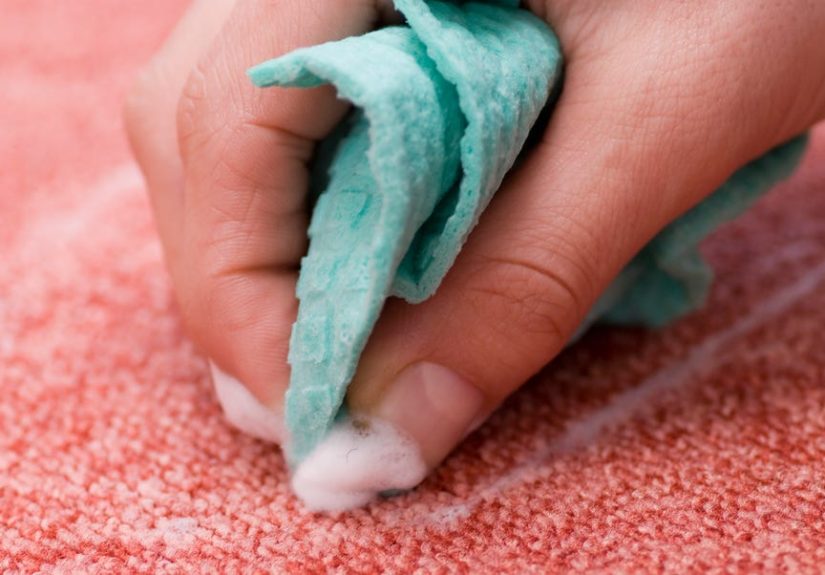
When a spill happens, speed matters. The longer a spill sits, the deeper it can move into the fibers and backing. Start by removing solids with a spoon or dull edge. Then blot liquids with a clean white cloth or paper towel. Work from the outside of the spot toward the center to avoid spreading it.
Do not rub. Rubbing can distort fibers, push the stain deeper, and turn a small accident into modern art. Blotting absorbs. Rubbing attacks. Your carpet wants peace talks, not war.
Use White Cloths
Colored towels can transfer dye to carpet, especially when cleaning solutions are involved. A clean white cloth lets you see whether the stain is lifting and prevents accidental color transfer.
Secret 4: Test Every Cleaner First
Before using any carpet stain remover, test it in an inconspicuous area such as inside a closet or behind furniture. Apply a small amount, wait a few minutes, then blot with a white cloth. If color transfers or the carpet changes texture, stop using that product.
Different carpet fibers respond differently to cleaning agents. Wool, nylon, polyester, triexta, olefin, and blended carpets do not all behave the same way. Manufacturer care instructions matter. When in doubt, choose a mild carpet-safe cleaner and avoid harsh chemicals that can bleach, discolor, or weaken fibers.
Secret 5: Use the Right Stain Strategy
Not all stains are the same. Coffee, wine, mud, grease, pet accidents, and candle wax each need a different approach. Treating every stain with one random spray bottle is like using ketchup as a universal condiment. Sometimes it works. Often, it causes questions.
Water-Based Stains
For many fresh water-based stains, blot first, then apply a small amount of cool water and blot again. If needed, use a carpet-safe cleaning solution according to the label. Avoid oversaturating the carpet.
Greasy Stains
Grease and oil need a cleaner designed to break down oily residue. Apply lightly, blot patiently, and repeat as needed. Too much cleaner can leave residue that attracts more dirt.
Pet Stains
Pet stains often require an enzyme-based cleaner because enzymes help break down odor-causing organic material. Always follow product directions and allow enough dwell time. If odor remains, pets may return to the same spot, and nobody wants a carpet with a customer loyalty program.
Secret 6: Rinse Out Residue
One of the biggest carpet cleaning mistakes is leaving soap behind. Residue can make carpet feel sticky and attract soil faster than before. This is why some “cleaned” spots reappear days later looking suspiciously darker.
After spot cleaning, lightly rinse the area with clean water using a damp cloth, then blot with a dry towel. The goal is to remove cleaner without soaking the carpet. For deep cleaning machines, use the recommended amount of solution. More soap does not mean more clean. It often means more residue, more rinsing, and more regret.
Secret 7: Control Moisture Like a Professional
Carpet and excess moisture are not best friends. Overwetting can lead to odor, slow drying, backing damage, or mold risk if moisture remains trapped. Whether you are spot cleaning or using a carpet cleaner, use the least amount of liquid needed to do the job.
After cleaning, improve airflow. Open windows when weather allows, turn on fans, run the HVAC system, or use a dehumidifier in humid conditions. Avoid walking on damp carpet. If you must cross the room, wear clean socks or shoe covers. Damp carpet is excellent at grabbing new dirt, because apparently it enjoys chaos.
Drying Time Matters
Carpet should dry as quickly as possible after cleaning. If an area stays damp or develops a musty smell, investigate the cause. Persistent moisture may require professional help, especially after leaks, flooding, or large spills.
Secret 8: Deep Clean Before the Carpet Looks Terrible
Deep cleaning works best as maintenance, not emergency rescue. Waiting until carpet looks dull, matted, and slightly haunted makes the job harder. Most homes benefit from periodic deep cleaning, especially in high-use areas. Homes with pets, children, allergies, or heavy traffic may need it more often.
Hot water extraction, often called steam cleaning, is a common deep-cleaning method. The machine applies cleaning solution and water, then extracts loosened soil and moisture. Rental machines and home carpet cleaners can help, but professional equipment is usually more powerful. For valuable carpets, delicate fibers, or severe stains, hiring a trained professional is often the smarter choice.
Secret 9: Groom the Pile After Cleaning
After cleaning, carpet fibers can dry in odd positions, especially in high-traffic areas. A carpet rake or soft brush can help lift and align the pile. This small step makes the carpet look more even and helps prevent matted patches from drying flat.
Grooming is especially useful after spot cleaning, furniture moving, or deep cleaning. Brush gently in the direction of the pile. Do not attack the carpet like it owes you money. The goal is to lift, not punish.
Secret 10: Protect High-Traffic Areas
Even the best carpet cleaning routine cannot fully defeat repeated foot traffic without a little help. Use area rugs, runners, and furniture placement to distribute wear. Rearranging furniture slightly can redirect traffic patterns and prevent one lane from becoming the household highway.
Furniture pads also matter. Heavy furniture can crush carpet fibers and leave dents. Move pieces occasionally and use protectors under legs. If dents appear, gently lifting the pile with your fingers, a spoon edge, or a soft brush may help. For stubborn dents, professional cleaners may have better tools.
Common Carpet Cleaning Mistakes to Avoid
Using Too Much Product
More cleaner can create more residue. Use the recommended amount and rinse lightly when appropriate.
Scrubbing Aggressively
Scrubbing can damage fibers and spread stains. Blot, press, and repeat instead.
Ignoring the Vacuum First
Before deep cleaning, vacuum thoroughly. A carpet cleaner is designed to wash embedded soil, not collect every crumb, hair, and cereal fossil sitting on the surface.
Letting Stains Dry
Fresh stains are usually easier to remove than dried ones. Keep a small carpet cleaning kit ready with white cloths, a spray bottle, a gentle carpet cleaner, and gloves.
Forgetting Manufacturer Instructions
Some carpets have stain-resistant treatments, fiber-specific care rules, or warranty requirements. Read the care information before experimenting.
A Simple Carpet Cleaning Schedule
A smart schedule keeps carpet from reaching the “we need to talk” stage. Vacuum high-traffic areas several times a week and low-traffic spaces weekly. Treat spills immediately. Refresh entry mats weekly. Spot clean as needed. Deep clean high-use rooms once or twice a year, depending on traffic, pets, and lifestyle. Have delicate rugs or expensive carpet professionally evaluated.
For allergy-sensitive households, use a vacuum with strong filtration and consider HEPA filtration. Vacuuming can temporarily stir up dust, so people with asthma or allergies may prefer to leave the room during cleaning and return after dust settles.
Best Everyday Tools for Cleaner Carpets
You do not need a garage full of equipment to keep carpets looking new. Start with a quality vacuum, clean white cloths, a spray bottle, a carpet-safe stain remover, an enzyme cleaner for pet accidents, a soft brush, and washable entry mats. A portable carpet cleaner can be helpful for small spills and upholstery, while a full-size machine is better for larger rooms.
Choose tools based on your home. A pet household needs odor control and hair removal. A family with toddlers needs fast spill response. A quiet adult household may mainly need dust management and seasonal deep cleaning. A home with teenagers needs all of the above, plus emotional support for the snack crumbs.
Extra Experience Section: Real-Life Carpet Cleaning Lessons That Actually Help
After dealing with carpet in real homes, one lesson becomes very clear: the best carpet cleaning trick is consistency. People often wait until the carpet looks bad before they do anything. By then, soil has settled deep, traffic lanes have flattened, and stains have made themselves comfortable. A better approach is to treat carpet like part of the weekly home rhythm. Vacuuming before the carpet looks dirty is not overdoing it; it is prevention.
Another practical experience is that stain panic usually makes things worse. When someone spills coffee or juice, the first instinct is to grab the nearest towel and scrub like a cartoon character. That almost always spreads the stain. The calmer method works better: blot, rotate the cloth, add a little cool water, blot again, and repeat. It feels slower, but it protects the fibers and keeps the stain from expanding.
Pet owners learn quickly that odor is not always on the surface. If a pet accident reaches the backing or pad, a quick surface wipe may look successful but smell unsuccessful. Enzyme cleaners need time to work, and severe accidents may require extraction or professional treatment. Covering odor with fragrance is not cleaning; it is giving the problem a tiny perfume hat.
Homes with kids also teach a valuable rule: dry messes should often stay dry at first. Mud, for example, is usually easier to remove after it dries. Let it dry, break it up gently, vacuum thoroughly, and then treat any remaining discoloration. Adding water too early can spread soil into the fibers.
For deep cleaning, one of the biggest real-world mistakes is rushing the drying stage. People clean the carpet beautifully, then walk on it too soon. Damp fibers grab dirt from socks, shoes, and pets. The result is a carpet that looks dull again almost immediately. Plan deep cleaning for a time when the room can stay unused for several hours. Use fans. Open doors. Give the carpet breathing room.
Another experience-based tip is to clean in zones. Instead of trying to deep clean the whole house in one exhausting day, divide the project by room or traffic level. Start with the dirtiest paths: entryways, hallway turns, stairs, and the space in front of the couch. These areas create the biggest visual improvement. Once the traffic lanes look better, the whole room feels cleaner.
Finally, know when to call a professional. DIY cleaning is great for maintenance, small stains, and fresh spills. But large stains, recurring odors, water damage, delicate rugs, wool carpet, and unknown stains deserve expert help. A professional can identify fiber type, choose the right method, extract more moisture, and reduce the risk of damage. Sometimes the smartest DIY move is admitting the carpet has entered boss-level difficulty.
Conclusion
Making carpets look new is not about one dramatic cleaning day. It is about smart habits: vacuum regularly, stop dirt at the door, blot spills fast, use the right cleaner, rinse residue, control moisture, deep clean on schedule, and protect high-traffic zones. With these carpet cleaning secrets, your floors can look brighter, feel softer, smell fresher, and last longer.
Carpet works hard every day. It cushions feet, softens rooms, quiets noise, and occasionally catches dropped popcorn with heroic dedication. Give it the right care, and it will return the favor by making your home look cleaner, warmer, and more welcoming.