Table of Contents >> Show >> Hide
- What Is Pancreatic Cancer?
- Can Pancreatic Cancer Be Prevented Completely?
- Major Risk Factors You Can Control
- Risk Factors You Cannot Fully Control
- Is There Screening for Pancreatic Cancer?
- Practical Ways to Lower Pancreatic Cancer Risk
- Symptoms That Should Not Be Ignored
- Common Myths About Pancreatic Cancer Prevention
- A Realistic Prevention Plan
- Experiences and Everyday Lessons Related to Pancreatic Cancer Prevention
- Conclusion
Pancreatic cancer has a scary reputation, and unfortunately, it has earned much of it. It is often found late, it can be hard to treat, and it tends to be quiet in the early stagesbasically the introvert of cancers, except far less charming. So the question is natural: Can pancreatic cancer be prevented?
The honest answer is: not completely. There is no guaranteed way to prevent pancreatic cancer, because some risk factorssuch as age, family history, and inherited gene changesare outside anyone’s control. However, “not completely preventable” does not mean “nothing can be done.” Many everyday choices can help lower risk, especially avoiding tobacco, maintaining a healthy weight, managing diabetes, limiting alcohol, and paying attention to family history.
Think of prevention like wearing a seat belt. It does not make accidents impossible, but it can greatly improve your odds. Pancreatic cancer prevention works in a similar way: lower the risks you can control, understand the risks you cannot control, and seek medical guidance when your personal or family history suggests you may need extra attention.
What Is Pancreatic Cancer?
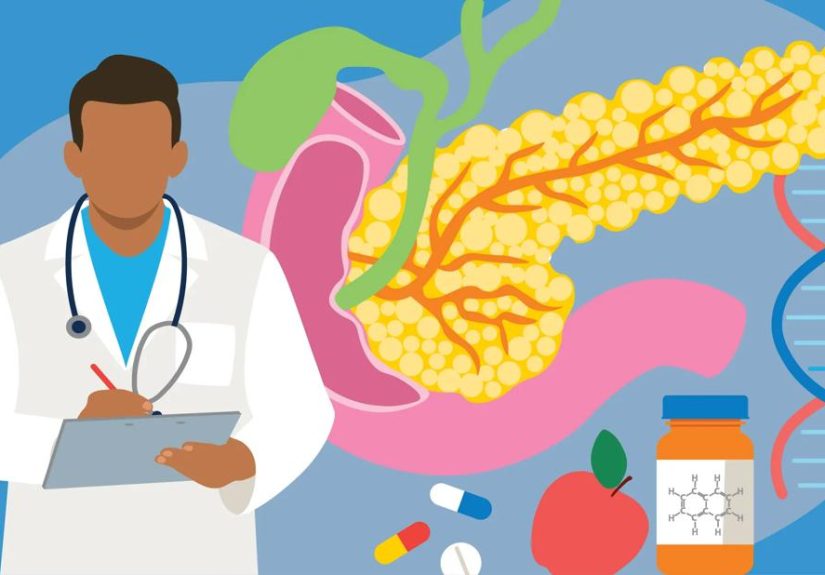
The pancreas is a small organ located behind the stomach. It helps digest food and regulate blood sugar by producing digestive enzymes and hormones such as insulin. Pancreatic cancer begins when cells in the pancreas develop abnormal changes and grow out of control.
Most pancreatic cancers are pancreatic ductal adenocarcinomas, which begin in the ducts that carry digestive enzymes. This type is often difficult to detect early because symptoms may be vague or absent until the disease has grown or spread. That is one reason prevention and risk reduction matter so much: catching this disease early is challenging, so lowering avoidable risks becomes especially important.
Can Pancreatic Cancer Be Prevented Completely?
No, pancreatic cancer cannot be fully prevented in the way we might prevent a sunburn by staying out of direct sunlight. Even people who exercise, eat well, never smoke, and have no family history can still develop it. Biology sometimes throws curveballs, and the pancreas is not exactly famous for sending early warning emails.
Still, research and major cancer organizations agree that certain factors increase pancreatic cancer risk, and several of those factors are modifiable. That means you can take practical steps to reduce your chances, even if you cannot erase the risk entirely.
Major Risk Factors You Can Control
1. Smoking and Tobacco Use
If pancreatic cancer prevention had a “start here” button, it would say: do not smoke. Smoking is one of the most important avoidable risk factors for pancreatic cancer. People who smoke have a significantly higher risk than people who have never smoked, and tobacco exposure is linked to many other cancers and chronic diseases as well.
The encouraging part is that quitting helps. The body begins repairing itself after tobacco exposure stops, and pancreatic cancer risk declines over time. Cigarettes, cigars, pipes, and smokeless tobacco are not harmless alternatives. When it comes to the pancreas, tobacco is not a misunderstood side characterit is one of the villains.
For someone who currently smokes, quitting may be the single most powerful pancreatic cancer risk reduction step available. Nicotine replacement therapy, counseling, support groups, quitlines, and prescription medications can all help. Quitting is hard, but so is pretending that “just one more” cigarette is part of a wellness plan.
2. Excess Body Weight
Being overweight or having obesity is associated with a higher risk of pancreatic cancer. Extra body fat can affect insulin levels, inflammation, hormone balance, and metabolism. These changes may create an environment that makes several cancers more likely, including pancreatic cancer.
The goal is not to chase a perfect body or live on lettuce and motivational quotes. The goal is steady, realistic health. Small changeswalking regularly, choosing water more often, adding vegetables to meals, reducing ultra-processed snacks, and improving sleepcan gradually support a healthier weight.
Even modest weight improvement can benefit blood pressure, blood sugar, energy, and overall cancer prevention. The pancreas does not need you to become a marathon runner by next Tuesday. It would probably appreciate fewer drive-thru dinners and more consistent movement.
3. Poor Diet Patterns
No single food has been proven to magically prevent pancreatic cancer. Sadly, broccoli does not come with a superhero cape. However, long-term eating patterns matter. Diets high in red and processed meats, sugary drinks, refined carbohydrates, and heavily processed foods may contribute to obesity, insulin resistance, and inflammationall of which are connected to pancreatic cancer risk.
A prevention-friendly eating pattern usually includes vegetables, fruits, beans, lentils, whole grains, nuts, seeds, and lean proteins. Fish, poultry, low-fat dairy, soy foods, and plant-based proteins can fit well. Processed meats such as bacon, sausage, hot dogs, and deli meats should be limited. Red meat can be eaten in moderation, but it should not be the main character in every meal.
A simple plate method works well: fill half the plate with vegetables and fruit, one quarter with a lean protein, and one quarter with whole grains or starchy vegetables. Add healthy fats like olive oil, avocado, nuts, or seeds. This approach supports weight control, blood sugar balance, and digestive health without requiring a PhD in nutrition.
4. Heavy Alcohol Use
Alcohol is not considered as strong a pancreatic cancer risk factor as smoking, but heavy drinking can contribute to chronic pancreatitis, which is a known risk factor for pancreatic cancer. Pancreatitis is inflammation of the pancreas, and repeated injury to this organ can create long-term problems.
For cancer prevention in general, less alcohol is better. People who do drink should keep intake moderate, and those with a history of pancreatitis may be advised to avoid alcohol entirely. This is especially important for anyone who has had repeated episodes of pancreatic inflammation.
A practical rule: if alcohol is becoming a daily habit, a stress-management tool, or the star of every weekend, it may be time to reassess. Your pancreas is not interested in being the designated driver for your lifestyle.
5. Type 2 Diabetes and Blood Sugar Management
Type 2 diabetes and pancreatic cancer have a complicated relationship. Long-standing diabetes is associated with increased risk, and in some cases, new-onset diabetesespecially in older adultscan be an early clue that something is affecting the pancreas.
Managing blood sugar through healthy eating, regular physical activity, weight management, medication when prescribed, and routine medical care may help lower overall cancer risk and improve general health. People with diabetes should not panic about pancreatic cancer, but they should take diabetes care seriously.
If someone develops diabetes suddenly, loses weight without trying, or notices unusual digestive symptoms, it is worth discussing with a health care professional. Most diabetes is not pancreatic cancer, but unexplained changes deserve attention.
Risk Factors You Cannot Fully Control
Age
Pancreatic cancer becomes more common as people get older. Most cases are diagnosed in older adults, especially after age 60 or 65. Aging is not exactly optional, unless someone has found the secret and is refusing to share it. Since age cannot be changed, it becomes even more important to manage the risk factors that can be changed.
Family History
Having a close relative with pancreatic cancer can increase risk, especially if more than one family member has had the disease. However, most people who develop pancreatic cancer do not have a strong family history. This means family history matters, but its absence does not make someone invincible.
If pancreatic cancer, breast cancer, ovarian cancer, prostate cancer, melanoma, or colorectal cancer appears repeatedly in a family, genetic counseling may be useful. A trained genetic counselor can review the family tree and help decide whether testing makes sense.
Inherited Genetic Changes
Certain inherited gene changes can increase pancreatic cancer risk. These may include changes in genes such as BRCA1, BRCA2, PALB2, ATM, CDKN2A, and genes linked to Lynch syndrome or hereditary pancreatitis. Genetic risk does not mean cancer is guaranteed, but it may change screening recommendations.
People with known inherited risk should work with a medical team familiar with hereditary cancer syndromes. This may include a genetic counselor, gastroenterologist, oncologist, or high-risk cancer clinic.
Is There Screening for Pancreatic Cancer?
For the average person, routine pancreatic cancer screening is not currently recommended. Unlike colon cancer, breast cancer, or cervical cancer, there is no simple, widely used screening test proven to benefit everyone. The pancreas is tucked deep inside the body, and early tumors can be difficult to detect.
However, people at high risk may be candidates for specialized surveillance. This can include individuals with strong family history, certain inherited gene changes, or hereditary pancreatitis. Screening for high-risk people may involve imaging tests such as MRI/MRCP or endoscopic ultrasound, usually through experienced medical centers.
High-risk surveillance is not the same as ordering a random scan because the internet made you nervous at 2 a.m. It should be guided by professionals who understand both the benefits and the risks of testing, including false alarms, anxiety, costs, and unnecessary procedures.
Practical Ways to Lower Pancreatic Cancer Risk
Quit Tobacco Completely
If you smoke, quitting is the top priority. If you do not smoke, do not start. Avoiding tobacco helps reduce the risk of pancreatic cancer, lung cancer, heart disease, stroke, and many other conditions. It is one of the clearest wins in preventive health.
Build a Plant-Rich Eating Pattern
Eat more vegetables, fruits, beans, whole grains, and minimally processed foods. These foods help with weight control and provide fiber, vitamins, minerals, and antioxidants. A plant-rich diet does not have to be boring. Tacos with black beans, stir-fried vegetables, oatmeal with berries, lentil soup, and grilled chicken salads all count. Prevention food can have flavor. Your taste buds do not need to file a complaint.
Move Your Body Most Days
Regular physical activity supports healthy weight, insulin sensitivity, digestion, mood, and cardiovascular health. Walking, cycling, swimming, dancing, strength training, gardening, and sports can all help. The best exercise is the one you can repeat without secretly hating your entire life.
A practical starting goal is a brisk walk most days of the week. Add strength training two or more days weekly if possible. Consistency matters more than perfection.
Limit Alcohol
Alcohol can contribute to pancreatitis and several cancers. Reducing intakeor avoiding alcohol completelycan be a smart prevention step, especially for people with pancreatic inflammation, liver disease, or a personal or family history of substance problems.
Manage Diabetes and Metabolic Health
People with type 2 diabetes should follow their care plan, keep regular appointments, and discuss blood sugar targets with their clinician. Healthy blood sugar management may include nutrition changes, activity, weight management, sleep improvement, stress reduction, and medication when needed.
Know Your Family History
Family history is more than awkward conversation at Thanksgiving. It can be medically useful. Ask relatives about cancers in the family, approximate ages at diagnosis, and whether anyone had genetic testing. Share this information with your doctor, especially if pancreatic cancer or related cancers appear in close relatives.
Symptoms That Should Not Be Ignored
Prevention is important, but awareness also matters. Pancreatic cancer symptoms can be vague, and many are caused by less serious conditions. Still, persistent or unexplained symptoms should be checked.
Possible warning signs include yellowing of the skin or eyes, dark urine, pale stools, unexplained weight loss, loss of appetite, upper abdominal or back pain, new digestive problems, nausea, and new-onset diabetes in an older adult. These symptoms do not automatically mean cancer, but they do mean the body is waving a flag. Do not argue with the flag.
Common Myths About Pancreatic Cancer Prevention
Myth 1: If I Eat Perfectly, I Cannot Get Pancreatic Cancer
A healthy diet can support risk reduction, but it cannot guarantee prevention. Cancer risk is influenced by genetics, age, environment, inflammation, metabolism, and chance. Healthy eating is powerful, but it is not a force field.
Myth 2: Only Smokers Get Pancreatic Cancer
Smoking is a major risk factor, but non-smokers can still develop pancreatic cancer. Avoiding tobacco lowers risk; it does not eliminate risk entirely.
Myth 3: Everyone Should Get a Pancreas Scan
Routine screening scans are not recommended for average-risk people. Testing can lead to false positives, unnecessary procedures, and anxiety. People with high-risk family or genetic backgrounds should ask about specialized screening, but random testing is not a prevention plan.
Myth 4: Pancreatic Cancer Always Runs in Families
Family history can increase risk, but many cases occur in people without a known family pattern. That is why lifestyle risk reduction and symptom awareness remain important for everyone.
A Realistic Prevention Plan
If you want a practical pancreatic cancer prevention plan, start with these steps: avoid tobacco, aim for a healthy weight, eat mostly whole and plant-forward foods, move regularly, limit alcohol, manage diabetes, and learn your family history. None of this needs to happen overnight. In fact, overnight transformations usually last about as long as a phone battery at 2%.
Choose one habit and make it easier. Replace one sugary drink with water. Walk after dinner. Schedule a checkup. Ask a parent, sibling, aunt, or uncle about family cancer history. Add vegetables to lunch. If you smoke, ask for quitting support. Small actions repeated over months can become meaningful risk reduction.
Experiences and Everyday Lessons Related to Pancreatic Cancer Prevention
When people talk about pancreatic cancer prevention, the conversation often becomes very scientific very quickly: genes, inflammation, insulin resistance, screening protocols, MRI, endoscopic ultrasound. All of that matters. But in real life, prevention usually begins in much more ordinary places: the grocery cart, the walking shoes by the door, the annual checkup that finally gets scheduled, and the family conversation someone has been avoiding because Uncle Mike gives suspiciously vague answers about everyone’s medical history.
One common experience is the wake-up call after a relative gets diagnosed. A person may suddenly realize they know very little about their family’s health background. Maybe a grandmother had pancreatic cancer, an aunt had ovarian cancer, and a cousin had early breast cancer. Separately, those facts may seem like sad family history. Together, they may suggest the need for genetic counseling. The lesson is simple: family stories can be health clues. Writing them down and sharing them with a doctor can help determine whether extra screening or genetic testing should be considered.
Another experience involves smoking. Many former smokers describe quitting as one of the hardest but most rewarding decisions they ever made. They may start because of lung health, heart health, cost, or pressure from family, but the benefits reach much further. Lowering pancreatic cancer risk becomes one more reason to stay tobacco-free. Some people need several attempts before quitting for good. That is not failure; that is practice. The cigarette does not get a trophy because it won a round.
Weight and diet changes are also personal. Someone might begin by trying an extreme diet, then discover that strict rules make them miserable. A more sustainable approach often works better: cooking at home more often, adding fruit to breakfast, swapping processed meats for grilled chicken or beans, reducing soda, and walking after meals. These changes may not look dramatic on social media, but the pancreas does not care about dramatic. It cares about long-term metabolic health.
People with diabetes often have another layer of experience. Managing blood sugar can feel like running a small laboratory from the kitchen table. Food, activity, sleep, stress, medication, and timing all matter. But steady diabetes care can support overall health and may reduce some risk factors linked to cancer. The goal is not perfection. It is awareness, consistency, and partnership with a health care team.
There is also the emotional experience: the fear that comes with reading about pancreatic cancer. Because the disease is serious, people may feel tempted to over-test, over-worry, or assume every stomach ache is a disaster. A better approach is balanced vigilance. Know the symptoms. Understand your risk. Talk to a clinician if something unusual persists. But do not let fear become your full-time job. Prevention should create healthier living, not a permanent state of alarm.
The biggest lesson from real-world prevention is that risk reduction is not one heroic act. It is a collection of repeatable choices. No tobacco. More plants. Less alcohol. More movement. Better sleep. Routine medical care. Family history awareness. These habits do not guarantee that pancreatic cancer will never happen, but they do place you on the side of lower riskand that is a side worth choosing.
Conclusion
So, can pancreatic cancer be prevented? Not completely. Some risk factors are beyond personal control, and even healthy people can develop the disease. But pancreatic cancer risk can often be lowered through smart, evidence-based choices. Avoiding tobacco, maintaining a healthy weight, eating a balanced diet, staying active, limiting alcohol, managing diabetes, and understanding family history are all practical steps that support prevention.
The key is to focus on what you can control without blaming yourself for what you cannot. Prevention is not about living perfectly. It is about stacking the odds in your favorone meal, one walk, one checkup, and one informed decision at a time.
Note: This article is for educational purposes only and should not replace medical advice. Anyone with symptoms, a strong family history of pancreatic cancer, inherited cancer risk, chronic pancreatitis, or new unexplained health changes should speak with a qualified health care professional.