Table of Contents >> Show >> Hide
- Quick Facts: The CalRx Insulin Rollout in Plain English
- WaitCalifornia Is Selling Insulin Now?
- What CalRx Is Actually Selling: Insulin Glargine (Long-Acting Insulin)
- How Much Will It CostAnd What That Price Really Means
- How to Get CalRx Insulin Starting January 1, 2026
- California’s $35 Insulin Cap vs. CalRx: Two Different Tools
- Why This Matters Beyond California
- What CalRx Insulin Won’t Fix (But Could Still Improve)
- What’s Next: More Insulin Types Could Follow
- Conclusion: A State-Branded Insulin With a Not-So-Complicated Goal
- Real-World Experiences: What This Could Feel Like for Patients, Families, and Pharmacies (Bonus +)
If you’ve ever stared at an insulin receipt and wondered whether it came with a complimentary espresso machine, California has news for you:
the Golden State is stepping into the insulin chatas a seller.
Beginning January 1, 2026, Californians will be able to buy state-branded insulin under the CalRx label at a
suggested retail price of $55 for a five-pack of insulin pens (about $11 per pen). It’s the first time a U.S. state has gone this far
moving beyond price caps and discount programs into an actual “we’re putting our name on the box” insulin strategy.
This article breaks down what California is selling, who it’s for, how it works at the pharmacy counter, and why it matters even if you don’t live in California
(because drug pricing has a way of traveling).
Quick Facts: The CalRx Insulin Rollout in Plain English
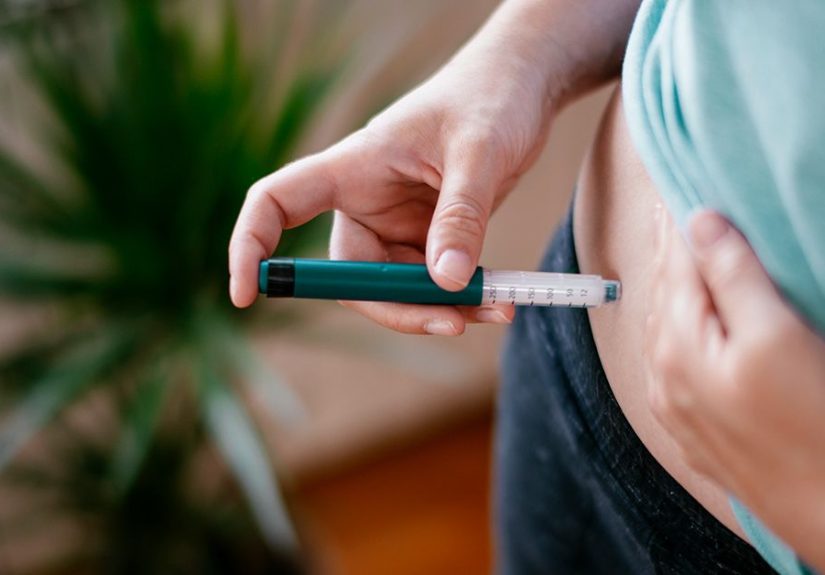
- What it is: CalRx® Insulin Glargine in prefilled pens (a long-acting “basal” insulin).
- When it starts: January 1, 2026.
- Price: Suggested retail price of $55 for a five-pack (about $11 per pen).
- Pharmacy purchase price: Pharmacies can buy the five-pack for $45, leaving a small, predictable margin.
- What it replaces: It’s designed to be interchangeable with Lantus (insulin glargine), so substitution can be simpler.
- Who can get it: The goal is broad accessespecially helpful for people who are uninsured, underinsured, or stuck paying high out-of-pocket costs.
- Is it “California-made”? It’s California-branded and state-backed, produced through partners (more on that below).
WaitCalifornia Is Selling Insulin Now?
“Selling its own insulin” sounds like the state built a lab next to the Hollywood sign and started filling pens between movie shoots.
In reality, California is using a state program called CalRx to put a public, transparent price on an insulin product and make it available
through normal pharmacy channels.
Think of it like this: California isn’t trying to become a traditional pharmaceutical company with flashy ads and a mascot.
CalRx is more like a “no-frills, essentials aisle” approachpartnering to develop or secure products, then selling them at a price anchored to production and distribution costs,
not to whatever the market will tolerate.
Why insulin?
Because insulin is the poster child for “essential medicine with a price tag that makes people do math in the parking lot.”
Even with recent changes in the market, many people still face steep costsespecially during coverage gaps, job changes, high-deductible plan seasons,
or life events like aging out of a parent’s insurance.
What CalRx Is Actually Selling: Insulin Glargine (Long-Acting Insulin)
The first CalRx insulin product is insulin glargine, a long-acting insulin used to help keep blood sugar stable over about a day.
Many people take it once daily as a “basal” background insulin, alongside meals or rapid-acting insulin when needed.
The important detail: the CalRx insulin glargine pens are described as an interchangeable biosimilar to Lantus.
That word “interchangeable” is a big deal in pharmacy land.
Biosimilar vs. interchangeable: the 30-second explanation
Insulin is a biologicmade using living systemsso copies aren’t “generics” in the classic sense.
Instead, you’ll hear:
- Biosimilar: highly similar to the original product, with no clinically meaningful differences in safety, purity, and potency.
- Interchangeable biosimilar: a biosimilar that can be substituted for the reference product at the pharmacy without needing a brand-new prescription, depending on rules.
Translation: if you already have a prescription for Lantus (or an interchangeable insulin glargine), you may be able to ask the pharmacist about switching to the CalRx-branded option
without going back to your doctor for a new script.
(You still need a prescription for insulin in generalthis isn’t a vending machine situation.)
How Much Will It CostAnd What That Price Really Means
California’s headline number is easy to remember: $11 per pen, or $55 per five-pack.
That’s a suggested retail pricenot a coupon, not a limited-time promotion, and not a “sign up and hope the fine print doesn’t change” program.
The point is stable pricing that people can plan around.
But I have insurance. Does this matter?
Often, yesjust differently. Many people with strong coverage pay little for insulin already.
The pain shows up for people who are:
- Uninsured or temporarily uninsured
- On high-deductible plans (where you pay full price until you hit the deductible)
- Between jobs, moving states, or switching plans
- Underinsured (coverage exists, but cost-sharing is still brutal)
For those groups, a low, transparent list price can be the difference between “I’m picking it up today” and “I’m stretching doses and hoping my body doesn’t notice.”
And even for insured patients, a cheaper baseline price can help reduce system-wide spending for public programs and plans over time.
What about vials?
California’s CalRx insulin initiative has referenced a target of $30 for a 10 mL vial and $55 for a five-pack of pens.
The first widely announced availability is for the pen pack starting January 1, 2026, while work continues on additional forms and additional insulin types.
How to Get CalRx Insulin Starting January 1, 2026
The cleanest version of how this could work is:
you show up at your usual pharmacy with your existing insulin glargine prescription and ask whether the pharmacist can substitute the CalRx-branded option.
If substitution is allowed and the product is stocked or can be ordered, you may be able to switch without a new prescription.
Practical steps that can save you time (and a few deep sighs)
- Ask your pharmacy: “Can you order CalRx insulin glargine pens, and can it be substituted for my current glargine?”
- Ask your prescriber: If substitution isn’t possible, ask whether your prescription can be written in a way that supports an interchangeable insulin glargine option.
- Check your plan: If you’re insured, ask if CalRx insulin is covered and what your copay would be (sometimes it could be even lower).
- Don’t switch insulin types casually: Long-acting and rapid-acting insulins are not plug-and-play equivalents.
Important: “interchangeable” refers to substitution with a reference product, not swapping insulin categories.
Your dosing and timing decisions should still be made with a clinician’s guidance.
California’s $35 Insulin Cap vs. CalRx: Two Different Tools
California is also implementing a $35 monthly cap on insulin cost-sharing for many state-regulated health plans starting in 2026 (with some plan categories starting later).
That’s a copay capit limits what certain insured patients pay out-of-pocket.
CalRx is different: it aims to lower the underlying price of the insulin itself, which matters most when you’re paying cash or facing a deductible.
In other words:
- Copay caps help people who have qualifying insurance.
- Lower list prices help people who pay cash, hit deductibles, or fall into coverage gaps.
These approaches can complement each other. A copay cap protects you at the register; a lower list price reduces the size of the bill before insurance math starts doing gymnastics.
Why This Matters Beyond California
Even if you live nowhere near California, this move is part of a bigger trend: states and nonprofits trying to force drug pricing to behave like a real market,
not a magical rebate maze where the final price depends on who negotiated what in a windowless room three months ago.
Competition is the point
CalRx’s stated strategy is to introduce products at a transparent price that pressures the broader market downward.
That matters because insulin pricing has historically involved a tangle of list prices, rebates, and middlemen, which can create weird situations where the sticker price rises
even when net prices fall.
It’s also a proof-of-concept for “public option” medicines
CalRx isn’t only about insulin. California has already used the program to expand access to other essential medicines (like naloxone for opioid overdose reversal),
and state leaders have publicly discussed the idea of pursuing additional high-impact products over time.
What CalRx Insulin Won’t Fix (But Could Still Improve)
Let’s keep it real: a lower-priced insulin pen doesn’t automatically solve every diabetes challenge.
Here are a few limits worth understanding:
- Supply and stocking: Availability depends on distribution and whether pharmacies carry or order it reliably.
- Formulary decisions: Some insurers may move slowly (or not at all) to add coverage, especially at first.
- Not every insulin is interchangeable: The initial product is long-acting glargine; people using other types still need affordable options.
- Diabetes care is more than insulin: Supplies, monitors, test strips, and clinical visits can add up too.
Still, lowering the cost of a cornerstone drug can reduce rationing risk, improve adherence, and ease the financial stress that quietly follows many families home from the pharmacy.
What’s Next: More Insulin Types Could Follow
The initial launch focuses on insulin glargine. California and its partners have also discussed efforts to bring additional formulationssuch as rapid-acting insulin typesunder the CalRx label.
If that expansion happens on schedule, it would matter because rapid-acting insulin is central to many type 1 regimens and many type 2 intensive regimens.
The long game here is broader: build a playbook for essential medicines where affordability, reliable supply, and transparency are treated like features, not side quests.
Conclusion: A State-Branded Insulin With a Not-So-Complicated Goal
California’s move to sell CalRx insulin is a headline for a reason: it’s rare for a state to challenge drug pricing by entering the market with its own label.
Starting January 1, 2026, the planned $55 five-pack of insulin glargine pens offers a straightforward promiseinsulin should be priced like a necessary medicine, not a luxury accessory.
If you use insulin (or love someone who does), the key takeaway is simple:
ask your pharmacist about CalRx insulin glargine when it becomes available, understand whether substitution applies to your prescription, and treat the lower price as one more tool for keeping care consistent.
Real-World Experiences: What This Could Feel Like for Patients, Families, and Pharmacies (Bonus +)
Policy announcements can feel abstract until you picture a real Tuesday: it’s 6:40 p.m., the pharmacy line is long, and someone behind you is loudly asking if vitamins count as food.
That’s where “$55 for a five-pack” stops being a headline and starts being… life logistics.
1) The high-deductible-plan reality check
A common story in the U.S. is the “January surprise.” You have insurance, technically, but your deductible resets and suddenly your normal insulin pickup costs hundreds of dollars.
In those moments, a lower list price matters because you’re paying close to cash price until your deductible is met.
A CalRx-priced insulin glargine option could turn the first refill of the year from “financial jump scare” into something closer to predictable budgeting.
It’s not glamorousjust quietly helpful, like a reliable car with working air conditioning.
2) The coverage-gap scramble during life transitions
People lose coverage for all kinds of reasons: layoffs, changing jobs, moving, divorces, graduating, aging out of dependent coverage.
Those are already stressful events. Add “lifesaving medication that cannot be paused,” and you get a level of anxiety that’s hard to explain to someone who has never had to time a refill around a benefits start date.
Programs built around stable pricingrather than short-term couponscan reduce the frantic “what can I afford this week?” cycle during transitions.
3) Parents and caregivers who buy time with sleep
For parents of kids with diabetes, cost stress doesn’t just hit the walletit hits sleep.
Every budget decision becomes a safety decision: sensors, supplies, endocrinology visits, emergency snacks, and the ever-present fear of running low at the wrong time.
When insulin is more affordable, it can reduce the temptation to stretch pens a little too long or delay a refill until payday.
The “experience” here isn’t about saving a few dollars; it’s about removing one of the recurring panic triggers that families carry around.
4) Pharmacists: less drama, more clarity
Pharmacy staff often end up as the front line for America’s pricing chaos. They’re the ones explaining why a medication that was affordable last month suddenly costs more than a plane ticket.
A fixed, transparent price can make those conversations easier: fewer surprises, fewer “I swear the computer is not gaslighting you” moments, and fewer people walking away empty-handed.
That doesn’t mean every insurance plan will instantly cooperate, but it gives pharmacists a clearer option to discussespecially when a patient asks for the most affordable interchangeable insulin glargine available.
5) The emotional experience of not rationing
One of the most important “experiences” is the one nobody wants to admit: the mental math of rationing.
People may take smaller doses than prescribed, delay refills, or try to stretch insulin longer than is safebecause they’re choosing between necessities.
A lower-priced insulin option doesn’t solve every barrier, but it can reduce the number of times someone has to choose between health and rent.
And if CalRx pushes competitors to keep prices lower too, the effect could extend beyond the people who buy the CalRx box.
In short, the lived experience of CalRx insulinif it rolls out smoothlyshould feel boring in the best way: fewer pricing surprises, fewer refill delays, and fewer moments where
“staying alive” comes with an extra processing fee.