Table of Contents >> Show >> Hide
- What Makes a Shed Feel “Fairytale”?
- Step 1: Plan the Shed Like a Builder, Not a Daydreamer
- Step 2: Check Permits, Rules, and Safety Before You Dig
- Step 3: Choose the Right Site for a Long-Lasting Shed
- Step 4: Build a Strong Foundation (The Unmagical Part That Matters Most)
- Step 5: Build the Shed Shell for Durability First, Charm Second
- Step 6: Weatherproof It So It Stays Cute in Real Weather
- Step 7: Create the Fairytale Garden Around the Shed
- Step 8: Budget Smartly (Because “Whimsical” Can Get Expensive Fast)
- Common Mistakes to Avoid When Building a Fairytale Garden Shed
- Conclusion: Build the Magic on Top of Good Bones
- Experience Notes: What People Learn After Building a Fairytale Garden Shed (About )
If a standard backyard shed says, “I store rakes,” a fairytale garden shed says, “I store rakes, teacups, seed packets, and possibly a dragon.” In other words, this project is equal parts practical build and storybook charm. The good news: you do not need castle-level carpentry skills to create one. You need a smart plan, a solid foundation, weather-resistant materials, and design choices that make the shed feel magical instead of messy.
This guide walks you through how to build a fairytale garden shed from the ground upliterally. We’ll cover planning, foundations, framing, finishes, and the cottage-style landscaping that makes the whole thing feel like it wandered in from a children’s book. Along the way, we’ll also keep an eye on the things that matter most in real life: drainage, permits, safety, budget, and maintenance. Because “whimsical” should describe the style, not the structural integrity.
What Makes a Shed Feel “Fairytale”?
A fairytale garden shed is basically a small, functional shed dressed in cottage-garden clothing. It blends storage shed practicality with whimsical garden design: layered flowers, curved paths, vintage-inspired details, and a slightly romantic look that feels cozy rather than perfect.
Core visual elements of a fairytale shed
- Soft, charming architecture: gable roof, shutters, window boxes, divided-light windows, or a Dutch door.
- Cottage-style color palette: mossy green, cream, dusty blue, warm white, or weathered wood tones.
- Layered planting: perennials, climbers, and self-seeding flowers that soften the edges.
- Hardscape that creates mystery: gravel or stone paths, simple edging, small gates, arches, or trellises.
- Functional charm: rain barrel, potting bench, tool wall, and storage that keeps the outside pretty.
The secret sauce is contrast: a sturdy, well-built shell paired with relaxed, flower-filled surroundings. Think “organized inside, enchanted outside.”
Step 1: Plan the Shed Like a Builder, Not a Daydreamer
Before you buy shingles, sketch your idea. A fairytale shed is still a building, and buildings are much happier when planned on paper first. Start with a simple layout that includes the shed footprint, nearby trees, fences, paths, utility lines, and sun exposure. A rough scale drawing can save you from expensive do-overs later.
Questions to answer before building
- Purpose: potting shed, tool storage, hobby room, mini studio, or all three?
- Size: how much floor space do you actually need (and what does local code allow)?
- Location: does the site drain well, stay accessible, and get the right sun for surrounding plants?
- Utilities: will you add electricity, water, or lighting later?
- Style: romantic cottage, woodland fairy, storybook farmhouse, or vintage potting shed?
Pro tip: design the approach to the shed, not just the shed itself. A fairytale effect often starts at the path and gate. If the shed appears suddenly after a turn in the garden, congratulationsyou’ve invented backyard drama.
Step 2: Check Permits, Rules, and Safety Before You Dig
Permit requirements for backyard sheds vary by city and county, and the thresholds can differ based on size, height, location, and whether the structure has utilities. Some municipalities allow certain small detached sheds without a building permit, while still requiring zoning compliance (setbacks, lot coverage, height limits). Others have stricter rules. Bottom line: call your local building department before you start buying materials.
Don’t skip these checks
- Permits and inspections (if required)
- Setbacks from property lines, fences, and other structures
- Height limits and placement restrictions
- HOA rules (if you have one)
- Underground utility marking before excavation
Also, call 811 before digging. It’s not glamorous, but neither is accidentally discovering your sprinkler line with a shovel and a bad attitude.
Step 3: Choose the Right Site for a Long-Lasting Shed
The prettiest shed in the neighborhood will not survive long if it sits in a soggy corner of the yard. Moisture is one of the biggest enemies of backyard structures, so pick a location that is relatively level and does not collect water. Good access matters tooyou’ll be hauling materials in, and tools, soil, or plants out.
Best site characteristics for a fairytale garden shed
- Ground that drains well after rain
- Enough clearance around the shed for construction and maintenance
- A visible location (for charm) but not in the way of major traffic
- Nearby sunlight suited to your planned cottage garden plants
- Room for a path, planting beds, and maybe a seating nook
If your ideal location has heavy clay, frequent standing water, or slope issues, that doesn’t automatically kill the project. It just means you need better drainage planning, possibly a raised approach, and a foundation choice that fits the site.
Step 4: Build a Strong Foundation (The Unmagical Part That Matters Most)
Here’s the truth every dreamy shed builder eventually learns: the shed foundation is the real magic. A solid foundation helps keep the structure level, protects it from moisture, and reduces shifting. A bad one gives you sticky doors, cracked trim, and a floor that feels like a pirate ship.
Common shed foundation options
- On-grade options: gravel pad, concrete blocks, deck blocks (often suitable for smaller sheds, depending on site and local rules).
- Frost-proof options: piers/footings below frost line (better for larger or heavier sheds and cold climates).
- Concrete slab: durable and solid, but site prep and drainage details matter.
Your choice depends on climate, shed size, soil conditions, and local code. In colder regions, frost movement can shift shallow foundations. In milder areas, on-grade foundations may be acceptable for smaller structures. This is where local inspectors and local pros earn their coffee.
Foundation best practices for DIY shed builders
- Level and square the layout before anything permanent happens.
- Use treated lumber and compatible fasteners/hardware where required for exterior and ground-contact conditions.
- Add drainage material (such as gravel where appropriate) to reduce standing moisture.
- Verify frost-line depth if using footings in freeze-prone climates.
- Check level repeatedly during the build, not just once.
If you’re building a storybook shed, don’t let the foundation become the plot twist. Take your time here.
Step 5: Build the Shed Shell for Durability First, Charm Second
Whether you’re assembling a kit, using prebuilt panels, or framing from scratch, the sequence is similar: prep the base, build the wall structure, add the roof, install doors/windows, and weatherproof the whole thing. Start with a straightforward shed shape; the fairytale look comes mostly from finishes and landscaping, not structural gymnastics.
Simple shed structure checklist
- Floor system: square, level, and securely attached to the foundation
- Wall framing or panels: plumb and anchored
- Roof framing: aligned and braced before roofing goes on
- Roof covering: shingles or other roofing with proper overlap and underlayment/felt per product instructions
- Doors/windows: installed carefully so openings stay square
- Exterior trim: seals gaps and finishes edges
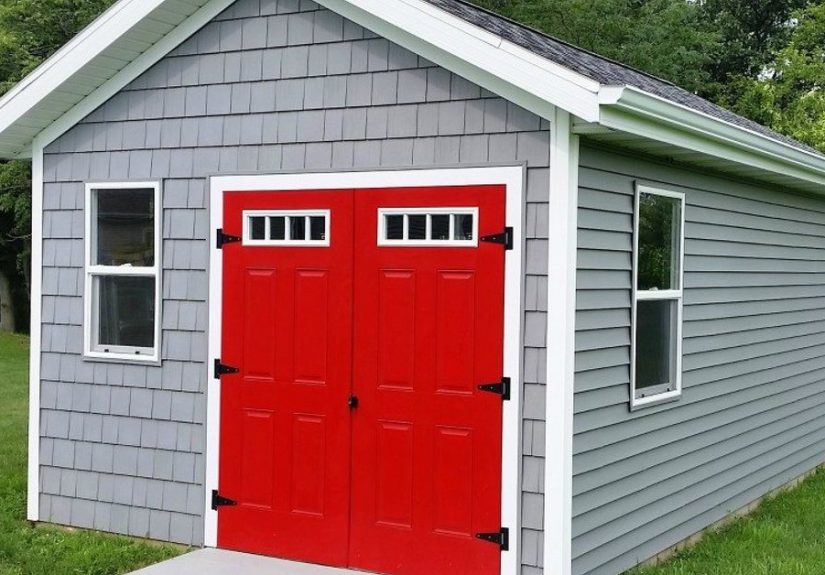
For a fairytale aesthetic, a classic gable roof is the easiest win. It gives you that familiar cottage silhouette and offers good runoff. You can add decorative trim, fascia details, or a slightly steeper pitch for more charm without complicating the build too much.
Design upgrades that add “storybook” character
- Window boxes with trailing flowers or herbs
- Shutters (functional or decorative)
- A lantern-style exterior light
- A curved or arched trellis near the door
- A small overhang to keep the entry dry
- Vintage-style hardware on the door
Just be careful not to add so many decorations that the shed starts looking like it lost a bet. A few well-chosen details go farther than a dozen unrelated accents.
Step 6: Weatherproof It So It Stays Cute in Real Weather
A fairytale shed still has to survive wind, rain, heat, and humidity. Weatherproofing is what keeps your “enchanted potting shed” from becoming “damp mildew museum.”
Weatherproofing essentials
- Seal and paint/stain exterior surfaces suited for outdoor exposure
- Flash and trim openings properly around doors and windows
- Keep roof runoff away from the base with grading, drip edge/gutters, or splash control as appropriate
- Ventilate the shed to reduce trapped heat and moisture buildup
- Raise stored items off the floor using shelves or hooks
If the shed will store tools, seed packets, paints, or potting soil, airflow matters. Even a small vent strategy (such as gable vents and occasional door ventilation during dry weather) helps keep the interior more stable. Bonus: a less humid shed smells better, and you won’t get ambushed by a mysterious “old sponge” aroma every time you open the door.
Step 7: Create the Fairytale Garden Around the Shed
This is where the transformation happens. The shed becomes “fairytale” when the landscape supports it. Cottage-style planting is usually informal, layered, and rich in texture. But a little structurepaths, borders, trellises, repeated shrubskeeps it from looking accidental.
Landscape design principles that make it work
- Start with structure: path layout, edging, arch, fence panel, or trellis first.
- Layer plants by height: low plants in front, medium fillers, taller accents in back.
- Repeat colors/shapes: repeat a few plant forms to create unity.
- Plan bloom succession: choose plants that flower in spring, summer, and fall.
- Add evergreen anchors: small shrubs or groundcovers keep the area attractive in winter.
A cottage garden thrives when it feels abundant but intentional. That means using pathways and borders to “contain the chaos” while letting flowers soften the lines. Gravel, flagstone, and simple edging are excellent tools here. They also keep your shoes cleaner after rain, which is not technically magical, but feels like it.
Pollinator-friendly planting around a fairytale shed
If you want butterflies, bees, and the occasional admiring neighbor, choose plants suited to your site’s sunlight and soil, and prioritize native plants where possible. Native selections are often hardier in local conditions and can provide strong habitat value. Mix perennials with a few annuals for quick color, and choose bloom times across multiple seasons so the garden stays lively.
Try to include:
- Early bloomers for spring pollinators
- Summer color and fragrance plants
- Late-season nectar sources
- Climbers for vertical interest (like clematis or climbing roses, where suitable)
- Mulch and compost for healthier planting beds
When buying plants, choose reputable nurseries and look for healthy stock. For pollinator-focused areas, avoid plants treated with pesticides/insecticides that can harm beneficial insects. If your shed is also a potting shed, nearby beds can double as a test garden for future favorites.
Step 8: Budget Smartly (Because “Whimsical” Can Get Expensive Fast)
A fairytale shed can be built on a modest budget or styled into a tiny backyard jewel box. The biggest cost drivers are usually the foundation, shed size, roofing, windows/doors, and decorative finishes. Landscaping can also add up if you buy everything at once.
Ways to save without sacrificing charm
- Choose a simple shed shape and spend on exterior details
- Use a phased planting plan (build structure first, garden over time)
- Start with smaller perennials and let them fill in
- Repurpose vintage items carefully (watering cans, gates, benches, hooks)
- Use gravel paths and mulch instead of large hardscape installs
- Paint old planters and containers to match your shed palette
Fairytale gardens often look best when they evolve. That’s great news for your wallet. You do not need to buy every rose, lantern, and trellis in one weekend.
Common Mistakes to Avoid When Building a Fairytale Garden Shed
- Skipping local code checks: “I thought it was small enough” is not a permit strategy.
- Underbuilding the foundation: cosmetic fixes won’t solve a shifting base.
- Ignoring drainage: puddles near the shed become long-term problems.
- Overcrowding plants too early: that tiny perennial will not stay tiny.
- Prioritizing decor over function: you still need to open the door with a wheelbarrow in hand.
- No maintenance plan: fairytale style needs occasional pruning, repainting, and weeding.
Conclusion: Build the Magic on Top of Good Bones
Building a fairytale garden shed is one of those rare projects that gives you both beauty and utility. You get organized storage, a focal point for your backyard, and a garden feature that can change with the seasons. The key is to approach it in the right order: plan the site, handle permits and safety, build a durable shed foundation, construct a weather-ready shell, and then layer in the cottage-garden charm.
Don’t aim for perfection. Aim for personality, comfort, and long-term durability. A fairytale shed should feel inviting and a little bit magicalbut it should also sit level, keep your tools dry, and survive the next thunderstorm. Build the bones well, then let the flowers do the storytelling.
Experience Notes: What People Learn After Building a Fairytale Garden Shed (About )
One of the most common experiences people report after building a fairytale garden shed is that the project changes from “a shed build” into “a whole backyard redesign.” At first, the goal is simple: create a cute storage spot for tools and pots. But once the structure goes up, people start noticing sightlines, pathways, and how the shed looks from the kitchen window. Suddenly they’re planting around it, adding a bench, and debating whether ivy is romantic or just a future maintenance bill. (Answer: both.)
A very typical lesson is that the foundation work feels slow and boring in the moment, but later it becomes the part everyone is most grateful for. Builders who took the time to level the site, check square, and manage drainage usually end up with doors that close properly and shelves that sit flat. Builders who rushed that part often spend the next year “adjusting” thingssometimes with shims, sometimes with hope, and sometimes with language that is not fairytale-themed.
Another recurring experience is that the cottage garden shed look improves dramatically when people add structure before flowers. Homeowners who install a path, edging, or a trellis first usually get a better result than those who buy twenty flowering plants and improvise the layout. The flowers still bring the charm, of course, but hardscape gives the eye a place to rest. It also makes the space easier to maintain, which matters around week three when the weeds realize you built them a luxury resort.
Many people also discover that scale is everything. A tiny decorative item can disappear against even a modest 8×10 shed, while oversized decor can make the shed look like a stage prop. The best results often come from a few medium-size accentslike one arch, two window boxes, a defined entry path, and layered plantingrather than lots of small decorations. In other words, the magic comes from composition, not clutter.
Gardeners who build these sheds as potting spaces often say the biggest quality-of-life upgrade is not the decor at allit’s workflow. A hook wall for tools, a shelf for seed trays, a bin for soil scoops, and a small bench near the door can make gardening easier every week. The fairytale style brings joy, but functional storage is what keeps the space in regular use. The most loved sheds are not just pretty for photos; they actually get opened and used all season.
There’s also a pattern with planting timelines: people who try to finish the entire garden in one weekend usually feel overwhelmed. People who phase the gardenfoundation and shed first, then paths, then anchor plants, then seasonal flowerstend to enjoy the project more and spend money more wisely. They also get to see what sun, shade, and drainage really do in that space before committing to every plant choice.
Finally, almost everyone says the same thing once the project settles in: the shed becomes more than storage. It becomes a destination. A place to repot herbs, stash pruners, drink coffee, and pretend you are a woodland apothecary for ten minutes before answering emails. And honestly, that may be the best return on investment in the whole backyard.