Table of Contents >> Show >> Hide
- What Is a Boiled Dinner (and Why Ham Hocks Make It Better)?
- Recipe Overview
- Ingredients
- Step-by-Step Instructions
- Step 0 (Optional): If Your Ham Hocks Are Very Salty, Give Them a Quick Soak
- Step 1: Start the Ham Hocks and Build the Broth
- Step 2: Add the “Hard” Vegetables First
- Step 3: Add the Cabbage Near the End
- Step 4: Pull the Ham Hocks, Shred the Meat, and Finish the Pot
- Step 5: Serve Like a Pro (With Minimal Effort)
- Flavor and Texture Tips That Make This Recipe “Wow” Instead of “Fine”
- Easy Variations (Same Comfort, Different Vibe)
- Food Safety and Storage
- Serving Ideas (Because One Bowl Is Great, Two Bowls Are Better)
- of Real-World Cooking Notes: What to Expect With This Boiled Dinner
- Conclusion
Some dinners try really hard. This one does not. A boiled dinner with ham hocks and vegetables is the cozy, no-drama, one-pot meal your grandparents
would recognize instantlybecause it’s practical, filling, and somehow tastes like you spent your whole afternoon “doing something.” (You did. You watched a pot.
Respectfully.)
The idea is simple: simmer smoky ham hocks until they make a rich broth, then cook a parade of sturdy vegetables in that same potpotatoes, carrots, onions, cabbage,
and whatever root veggie is sitting in your crisper drawer wondering if it still has a purpose. The result is a ham hock boiled dinner that’s equal parts
hearty, flexible, and deeply satisfying on cold nights (or whenever your kitchen needs to smell like a hug).
What Is a Boiled Dinner (and Why Ham Hocks Make It Better)?
“Boiled dinner” is a classic American one-pot traditionespecially in New England and Irish-American kitchensbuilt around a big piece of meat plus cabbage and root
vegetables. Corned beef often gets the spotlight, but ham hocks deserve their own parade. They’re affordable, flavorful, and loaded with connective tissue that turns
silky as it simmers, giving you a broth that tastes like it has a backstory.
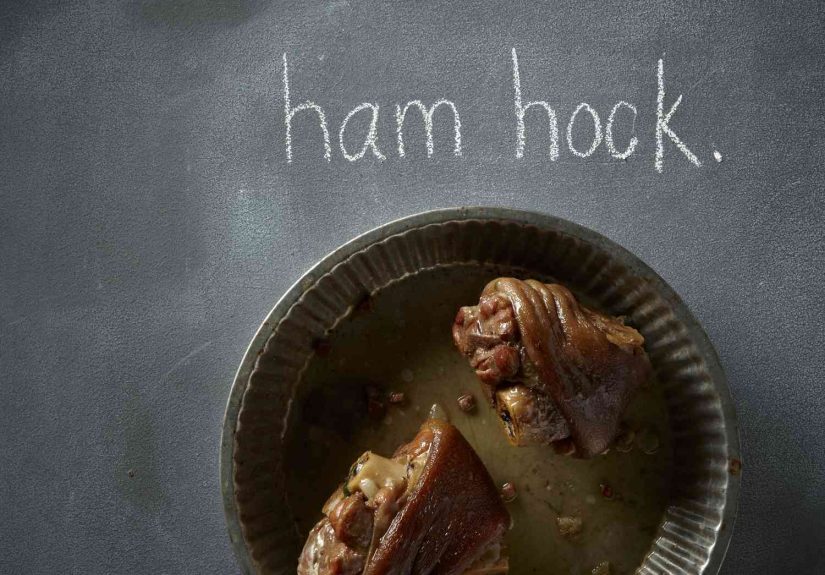
Ham hocks are the lower part of the pig’s leg (near the ankle). Most grocery-store ham hocks are smoked and cured, which means they bring built-in
saltiness and that “I swear I used a smoker” vibeeven if you absolutely did not.
Recipe Overview
- Prep time: 20 minutes
- Cook time: 2 hours 30 minutes to 3 hours 15 minutes (mostly hands-off)
- Total time: About 3 hours
- Servings: 6 (or 4 hungry people who “just need a small bowl” three times)
- Best pot: 6–8 quart Dutch oven or stockpot
Ingredients
This list is designed for classic flavor without being fussy. Variations are below.
For the Broth and Ham Hocks
- 2 to 3 smoked ham hocks (about 2 1/2 to 3 1/2 pounds total)
- 10 to 12 cups water (enough to cover)
- 1 large yellow onion, cut into wedges
- 3 cloves garlic, smashed
- 2 bay leaves
- 1 teaspoon whole black peppercorns (or 3/4 teaspoon coarse ground black pepper)
- 1 teaspoon dried thyme (or a few fresh sprigs)
- Optional: 1 celery stalk, 1 carrot, or a small handful of parsley stems for extra aroma
Vegetables
- 1 1/2 pounds potatoes (Yukon Gold or red potatoes), cut into big chunks
- 4 large carrots, peeled and cut into 2-inch pieces
- 1 medium rutabaga or 2 small turnips, peeled and cubed (optional but very “boiled dinner”)
- 1 small head green cabbage, cut into 6 wedges (keep the core so wedges stay together)
For Serving
- Dijon mustard or whole-grain mustard
- Prepared horseradish (optional but highly recommended if you like a little zing)
- Cider vinegar (a few splashes wake everything up)
- Fresh cracked black pepper
- Chopped parsley (optional)
Step-by-Step Instructions
Step 0 (Optional): If Your Ham Hocks Are Very Salty, Give Them a Quick Soak
Some smoked ham hocks are aggressively salty (they’re enthusiastic overachievers). If you’re sensitive to salt, soak them in cold water for 30–60 minutes, then drain.
You can also skip this and simply avoid adding salt until the end.
Step 1: Start the Ham Hocks and Build the Broth
- Place ham hocks in a large pot. Add water to cover by 1–2 inches.
- Add onion, garlic, bay leaves, peppercorns, and thyme.
- Bring to a boil over high heat, then immediately lower to a gentle simmer.
- Skim any foam that rises during the first 10–15 minutes. (It’s normal. It’s not the pot misbehaving. It’s just protein doing protein things.)
- Cover partially and simmer 1 hour 30 minutes to 2 hours, until the ham hocks are starting to get tender and the meat loosens a bit.
Why gentle simmer matters: A rolling boil can make meat tougher and turn your broth cloudy. You want a lazy bubblelike the pot is sighing, not sprinting.
Step 2: Add the “Hard” Vegetables First
- Add potatoes, carrots, and rutabaga/turnips (if using) to the pot.
- Keep at a steady simmer for 20–25 minutes, or until the potatoes are about 80% tender (a knife goes in with some resistance).
Tip: Cut vegetables in bigger chunks than you think. Boiled dinner vegetables should be tender, not dissolved into existential soup.
Step 3: Add the Cabbage Near the End
- Nestle cabbage wedges on top (or tuck them around the sides).
- Cover and simmer 12–20 minutes, until cabbage is tender but still holds together.
Cabbage is the diva of this recipe: show it the heat too long, and it gets mushy and loud. Add it late so it stays sweet and silky.
Step 4: Pull the Ham Hocks, Shred the Meat, and Finish the Pot
- Transfer ham hocks to a cutting board. Let cool a few minutes.
- Remove meat from the bone; discard skin, excess fat, and bones.
- Shred or chop the meat into bite-size pieces and return it to the pot.
- Taste the broth before seasoning. Add black pepper and only add salt if it truly needs it.
Step 5: Serve Like a Pro (With Minimal Effort)
Ladle vegetables and broth into bowls, top with ham hock meat, and finish with mustard, horseradish, or a splash of cider vinegar. If you want to feel fancy,
sprinkle parsley. If you want to feel honest, don’t. Both are correct.
Flavor and Texture Tips That Make This Recipe “Wow” Instead of “Fine”
1) Don’t Salt Early
Smoked ham hocks can be salty enough to season the entire pot. Hold off until the end, and you’ll avoid accidentally creating a broth that tastes like the ocean
had an argument with a deli counter.
2) Keep the Vegetables Big
Big chunks help the vegetables hold their shape. If you prefer a soupier, stew-like bowl, you can cut smallerbut start big the first time so you learn how your
stove and pot behave.
3) Skim + Simmer = Better Broth
Skimming foam early and maintaining a gentle simmer gives you a cleaner-tasting broth. It’s one of those small steps that looks like nothing… and tastes like everything.
4) Defat If You Want a Lighter Bowl
Ham hocks bring flavor and some fat. If you prefer a lighter broth, chill the pot (or the broth portion) and skim the fat from the top the next day. The flavor stays.
The greasy mouthfeel leaves.
Easy Variations (Same Comfort, Different Vibe)
New England-Style Boiled Dinner Twist
Add rutabaga and serve with mustard and a little vinegar. If you have leftover meat and vegetables, dice them up and pan-fry the next day for a breakfast hash.
(Your future self will high-five you.)
Irish-Inspired Boiled Dinner With Ham Hocks
Add extra onions and keep the seasoning simple: bay leaf, pepper, and thyme. Serve with buttered potatoes and cabbage, and maybe some good bread to mop up the broth.
Southern Comfort Direction
Add crushed red pepper and a little celery, and serve with cornbread. If you want to lean even more Southern, swap half the cabbage for collard greens and simmer
them until tender.
Slow Cooker Version
Simmer ham hocks with aromatics on LOW for 6–7 hours. Add potatoes/carrots for the last 2 hours, then cabbage for the last 45–60 minutes. Finish by shredding the meat.
(Yes, it still counts as cooking.)
Food Safety and Storage
Cooling and Refrigerating
Don’t let the pot sit at room temperature too long. Once dinner is done, cool leftovers and refrigerate promptly. Store in airtight containers.
How Long It Keeps
- Refrigerator: 3–4 days (the flavor often gets even better)
- Freezer: Up to 2–3 months (freeze broth + meat + vegetables, or freeze just the broth for soups)
Reheating
Reheat gently on the stove until steaming hot. Add a splash of water if it thickens up in the fridge (potatoes are thirsty like that).
Serving Ideas (Because One Bowl Is Great, Two Bowls Are Better)
- Mustard + vinegar: Classic, bright, and balances the smoky richness.
- Horseradish: Great if you like a punchy bite with your pork.
- Fresh bread: Because broth should never be left alone and unappreciated.
- Pickles on the side: Weirdly perfect with the smoky ham flavor.
of Real-World Cooking Notes: What to Expect With This Boiled Dinner
A boiled dinner with ham hocks and vegetables is one of those meals that feels almost suspiciously low-effort for how comforting it turns out. The first
thing you’ll notice is the smell: smoky, savory, and slightly sweet from onions simmering in the background. It’s the kind of aroma that makes people wander into the
kitchen and ask, “What are you making?” even though the pot is doing 95% of the work and you’re mostly supervising like a very relaxed manager.
The second thing you’ll notice is how much personality ham hocks have. Some are super meaty; others are more about the vibe than the volume. That’s normal. If you’re
lucky and your hocks are meatier, you’ll end up with generous shreds to stir back into the pot. If they’re leaner, you still get a rich broth, and the meal feels more
like a vegetable-forward comfort bowl. Either way, the broth is the point: it becomes the seasoning for everything else, soaking into potatoes and cabbage like they
signed a permission slip.
Timing is where real-life cooking instincts kick in. Potatoes can go from “perfect” to “mashed by accident” faster than you’d expect, especially if you cut them small
or let the pot boil too hard. That’s why big chunks and a gentle simmer matter. If your carrots seem firm while potatoes are soft, don’t paniccarrots are stubborn in
a lovable way. Just give them a few more minutes. And cabbage? Cabbage is the friend who shows up late but still steals the show. Add it near the end and it turns
silky, mild, and surprisingly sweet. Add it too early and it can get mushy and a bit loud.
Salt is another “learn by doing” detail. Because many ham hocks are cured and smoked, the broth can already be plenty salty before you touch a shaker. A good habit is
tasting the broth after the ham has simmered for a whilethen again after vegetables go in. If it tastes slightly salty, that’s ideal, because potatoes and cabbage will
mellow it out. If it tastes very salty, you can dilute with a bit more water and keep simmering. (Boiled dinner is forgiving. It wants you to win.)
Finally, leftovers are a secret bonus. The next day, the broth often tastes deeper, the cabbage softens a touch more, and the whole pot feels like it got a good night’s
sleep. If you want to transform leftovers, chop the meat and vegetables and pan-fry them into a hash until crispy at the edges, then top with an egg. That’s not just
“using leftovers.” That’s turning yesterday’s dinner into today’s victory lap.
Conclusion
This boiled dinner with ham hocks and vegetables is proof that comfort food doesn’t need to be complicated. With one pot, a few sturdy vegetables, and
a couple of smoky ham hocks, you get a meal that’s warming, flexible, budget-friendly, and genuinely satisfying. Keep the simmer gentle, add cabbage late, taste before
salting, and don’t be surprised if your family starts requesting it the minute the weather cools downor whenever they smell it happening.