Table of Contents >> Show >> Hide
- What Made This Pop-Up Hotel So Different?
- The Bohemian Look: Whitewashed, Weathered, and Wonderfully Unbothered
- Location, Location, and Yes, a Little Bit of Legendary Mykonos Energy
- Why the Experience Felt More Personal Than Traditional Luxury
- How It Predicted the Future of Mykonos Hotels
- What Travelers Still Love About This Kind of Stay
- 500 Extra Words: What a Bohemian Stay in Mykonos Actually Feels Like
- Conclusion
Mykonos has a reputation problem, and honestly, it earned it. Mention the island and most people picture bronzed beach clubs, DJs with suspiciously perfect jawlines, and a sunset crowd that seems contractually obligated to wear linen. But underneath the glittery swagger, Mykonos has always had another side: whitewashed simplicity, salty air, handmade textures, long lunches, and that loose, half-dreaming spirit that makes even the most aggressively scheduled traveler consider canceling all plans except “stare at the sea.”
That is exactly why the idea of a bohemian pop-up hotel in Mykonos works so well. It takes the island’s glamorous reputation, removes the unnecessary peacocking, and leaves behind the good stuff: sun, texture, design, ease, and the kind of hospitality that feels more like being welcomed into a very stylish friend’s summer house than checking into a standard luxury property. The title Bohemian Paradise Found: A Pop-Up Hotel in Mykonos points to a hotel concept that did more than offer a place to sleep. It distilled a whole travel mood.
At the center of that mood is San Giorgio Mykonos, a seasonal, design-forward retreat that helped define the now-familiar language of bohemian luxury on the island. It was not flashy in the traditional five-star sense. It was better. It was relaxed, tactile, soulful, and deeply aware that true style does not need to shout across the pool. In a destination famous for spectacle, that was the real flex.
What Made This Pop-Up Hotel So Different?
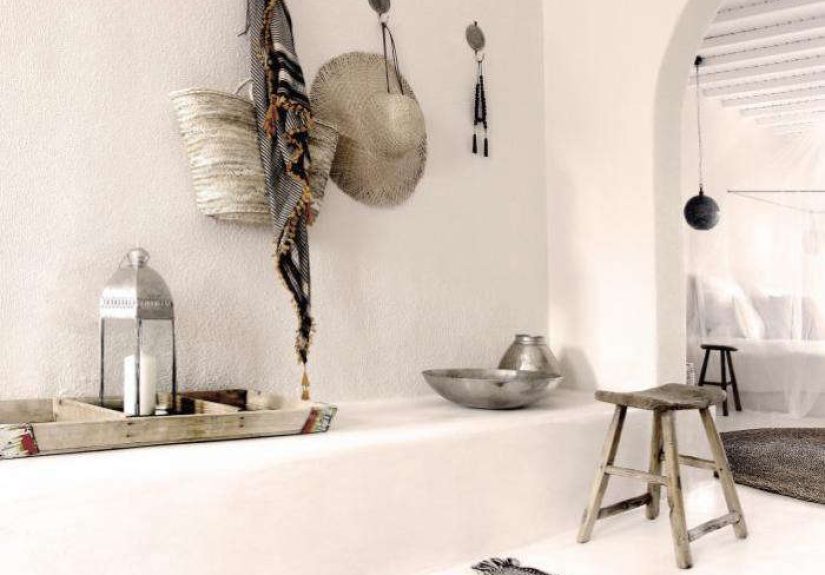
San Giorgio did not arrive in Mykonos trying to out-gild the island’s loudest hotels. Instead, it leaned into restraint. The concept transformed an older seaside structure into a temporary summer haven with a low-key, free-spirited identity. Rather than stacking the experience with marble-for-marble’s-sake grandeur, the design favored whitewashed walls, natural materials, handmade fabrics, vintage finds, and furniture that looked collected instead of ordered in one dramatic panic from a catalog.
That design choice mattered. A lot. In Mykonos, where luxury can sometimes veer into “Did this room come with a ring light and a publicist?” the hotel’s softer aesthetic felt personal. Bohemian style here was not costume boho, not the kind that throws a macramé pillow at the problem and calls it authenticity. It was thoughtful. It nodded to Cycladic architecture, local textures, and Mediterranean ease while remaining contemporary enough for travelers who appreciate clean lines, open air, and uncluttered calm.
The pop-up model also gave the place a special kind of energy. Temporary hotels tend to feel more intentional because they know their season is finite. They are built around the idea of now. That urgency often creates sharper design choices, more curated programming, and a guest experience that feels alive rather than routine. San Giorgio captured that beautifully. It was less “year-round machine” and more “summer chapter you will still talk about in November when your inbox is trying to kill you.”
The Bohemian Look: Whitewashed, Weathered, and Wonderfully Unbothered
If you want to understand the hotel’s appeal, start with the visuals. Mykonos is inseparable from Cycladic design: cubic forms, bright white surfaces, shaded corners, blue horizons, and a kind of minimalist poetry created by sun and geometry. The best bohemian hotels on the island do not fight that tradition. They flirt with it, refine it, and loosen their shirt buttons a little.
That is what this hotel did so well. The palette stayed airy and sun-bleached. The materials felt tactile instead of precious. Think wood, woven elements, linen, stone, ceramic, rope, and handcrafted details that looked like they belonged near sea salt and sand rather than behind velvet ropes. The result was a warm, organic visual language that invited people to exhale.
Importantly, the interiors did not feel sterile. Minimalism in beach hotels can go two ways: blissfully serene or emotionally identical to an expensive dental clinic. Here, the bohemian elements kept things human. Vintage pieces, imperfect textures, and collected decorative objects softened the clean architecture. The rooms suggested character without clutter, which is a difficult balance and one that many hotels fail to nail. Some properties give you “lived-in charm”; others give you “someone forgot to finish decorating.” This was firmly the first category.
The effect was immediate. Guests could step into a room and feel the outside world lower its volume. No visual noise. No design overcompensation. Just light, breeze, texture, and the radical luxury of not being bombarded by stuff.
Location, Location, and Yes, a Little Bit of Legendary Mykonos Energy
A hotel like this works because it understands Mykonos itself. The island is not one thing. It is a paradox in sunglasses. It offers winding lanes in Chora, iconic windmills, glamorous shopping, quiet coves, working traditions, fashionable beaches, ancient history nearby on Delos, and enough nightlife to make even extroverts request a hydration break. A great hotel in Mykonos does not simply place you on the island; it edits the island for you.
San Giorgio’s position near the southern coast and close to Paradise Beach gave it access to the island’s social pulse while still shaping an environment that felt more grounded than chaotic. That contrast is part of the appeal. Guests could dip into Mykonos energy when they wanted it, then retreat into a calmer setting where hammocks, sea views, and quiet corners did the emotional repair work.
This dynamic has since become a defining pattern in the island’s best hospitality. Travelers increasingly want both proximity and protection. They want beach clubs, but not all day. They want Mykonos Town, but also enough distance to remember their own thoughts. They want excellent food, beautiful design, and a sense of place that is more meaningful than “expensive things near water.” The pop-up hotel concept understood that before it became the default pitch deck for half the luxury travel industry.
Why the Experience Felt More Personal Than Traditional Luxury
What separates a memorable boutique hotel from a merely photogenic one is emotional texture. This is where the property really earned its reputation. The atmosphere leaned communal without becoming intrusive, stylish without becoming stiff, and luxurious without making guests feel like they needed cufflinks just to order breakfast.
Instead of emphasizing formality, the experience suggested ease. The grounds were designed for lingering: poolside lounging, hammocks in the garden, sea-facing pause points, and shared spaces that encouraged conversation instead of choreography. Yoga, Mediterranean dining, and laid-back lounging all reinforced the idea that the stay was not about squeezing value from every minute. It was about slipping into island time and letting your nervous system stop acting like a middle manager.
Even the food fit the concept. In Mykonos, dining can be gloriously fresh when it stays close to the region: fish, olive oil, herbs, vegetables, bright salads, grilled seafood, rustic breads, and simple preparations that trust the ingredients. A bohemian hotel cannot serve food that feels fussy and still keep its soul. It needs dishes that feel sunlit, generous, and rooted in place. The best versions of this experience deliver exactly that: Mediterranean meals that feel elegant because they are fresh, not because they are performing elegance.
How It Predicted the Future of Mykonos Hotels
One reason the story still matters is that this hotel helped forecast what many travelers now seek across Mykonos: design-forward stays with character, privacy, and a stronger sense of authenticity. Newer properties across the island have embraced variations on the same idea, blending Cycladic architecture, minimalist serenity, local materials, and curated boho touches into a more emotionally intelligent version of luxury.
Today’s top Mykonos hotels frequently promise secluded plunge pools, sunset terraces, wellness rituals, local craft references, and interiors that feel deliberately understated. That did not happen by accident. Travelers became smarter. They stopped equating luxury only with excess and started valuing atmosphere, intentional design, and the feeling that a hotel actually belongs to its destination. In that sense, San Giorgio was not just a seasonal pop-up. It was an early signal.
It also showed that bohemian hospitality can be profitable without being fake. Too many hotels try to manufacture “free-spirited” energy with generic pampas grass and playlist curation. Real bohemian luxury is harder to build. It requires confidence, editing, locality, and a willingness to leave some space empty. Empty, after all, is where the breeze goes. Also where your sanity comes back.
What Travelers Still Love About This Kind of Stay
1. It feels cinematic without feeling staged
Some hotels are beautiful only from the angle used in their marketing. A truly good bohemian hotel looks even better when your sandals are half full of sand and your hair has fully rejected social order. This kind of property thrives in real life because its design is rooted in mood, not just photography.
2. It makes relaxation feel stylish, not lazy
There is something satisfying about doing very little in a place that makes very little look aspirational. Reading in a hammock, ordering one more coffee, drifting between pool and sea, and watching light move across white walls somehow becomes an accomplishment. A noble one.
3. It balances sociability and solitude
Bohemian hospitality is rarely about isolation. It is about choosing your level of connection. Shared dinners, lazy breakfasts, yoga sessions, or sunset drinks can create a gentle communal energy, while the rooms and quiet corners preserve privacy.
4. It turns design into part of the memory
Years later, many travelers do not remember thread counts. They remember the texture of the bed canopy, the softness of filtered afternoon light, the roughness of hand-finished plaster, the sound of sandals on stone, and the exact shade of the sea outside the breakfast terrace. That is design doing its job.
500 Extra Words: What a Bohemian Stay in Mykonos Actually Feels Like
Imagine arriving in Mykonos after the usual airport chaos, ferry logistics, sunscreen negotiations, and at least one overheard conversation from someone calling their vacation “transformational” on speakerphone. Then you step into a hotel that immediately changes the tempo. The lobby is not shouting luxury at you. It is whispering, which is much more convincing. White walls bounce soft light across woven lamps, weathered wood tables, stone floors, and linen that looks expensive in the humble way, not the “please do not sit there” way.
Your room is simple, but in the highly suspicious manner of all spaces designed by people who understand restraint. There are no unnecessary flourishes. The bed looks cloud-adjacent. The materials feel cool underhand. The air smells faintly of sun-warmed cotton and sea breeze. Somewhere outside, you can hear low music, clinking glasses, and the soft social hum of people who have already accepted that email can wait.
Mornings begin slowly here, which is exactly how they should begin on a Greek island. You wake to bright natural light instead of an alarm trying to ruin your personality. Coffee appears, ideally strong. Breakfast is unhurried: yogurt, fruit, bread, local honey, maybe eggs, maybe tomatoes that taste like tomatoes instead of wet apologies. Nobody is rushing you. Nobody is asking whether you have plans. The plan is obvious. Continue existing beautifully.
By late morning, the hotel starts to reveal why the bohemian concept works so well in Mykonos. The spaces invite drift. You move from terrace to pool, from pool to hammock, from hammock to sea view, all while telling yourself you should probably explore more of the island in ten minutes. Those ten minutes, like many vacation intentions, dissolve into another swim and a second glass of something cold.
In the afternoon, maybe you do go out. Maybe you head into Mykonos Town and wander the lanes, ducking past boutiques, balconies, bougainvillea, and impossible little corners that look hand-painted. Maybe you chase a quieter stretch of coastline, or sit down for a long lunch of grilled fish and salad with enough olive oil to improve your outlook on life. And then, crucially, you come back. That is the point. The island gives you stimulation; the hotel gives you recovery.
Evening is when the whole fantasy clicks into place. The light turns honey-colored, then blushes pink, then melts into blue. Whitewashed walls start glowing. Candles appear. Dinner feels less like a reservation and more like an event with very good bread. People speak a little softer. Music slides into the background. The whole place becomes equal parts hideaway and stage set, except it never feels artificial.
And maybe that is the true magic of a pop-up hotel in Mykonos. It captures the temporary nature of summer itself. You know it is seasonal. You know the moment is passing. That makes every detail sharper: the linen on your skin, the wind on the terrace, the salt in your hair, the fact that you have not looked at the news in nine glorious hours. A stay like this does not just give you accommodation. It gives you a version of yourself that is lighter, quieter, and perhaps a little more interesting. At the very least, it gives you proof that paradise does not have to be loud to be unforgettable.
Conclusion
Bohemian Paradise Found: A Pop-Up Hotel in Mykonos is more than a catchy title. It describes a hospitality idea that still feels modern because it understood something timeless: people do not travel to beautiful islands merely to consume luxury. They travel to feel changed by place. San Giorgio’s seasonal, bohemian approach worked because it translated Mykonos into a mood that was tactile, social, relaxed, and deeply visual without ever losing its soul.
In a destination that can easily tip into spectacle, this kind of hotel offered balance. It respected Cycladic architecture, embraced natural materials, prioritized atmosphere, and made leisure feel both chic and human. That combination remains the gold standard for design-minded travelers heading to Mykonos today. Give people sunlight, sea views, good food, a beautiful room, and permission to calm down, and it turns out they are very grateful. Who knew.