Table of Contents >> Show >> Hide
- Before You Start: Pick the Right “Rock-Cleaning Lane”
- Way #1: Lift, Sift, and Rinse (Best for Small Rock Beds)
- Way #2: Gentle Pressure Washing (Best for Big Rocks or Cleaning In Place)
- Way #3: Soak-and-Treat for Algae, Moss, and Stains (Best for Green Growth)
- How to Keep Landscaping Rocks Cleaner Longer
- Troubleshooting: Common “Why Do My Rocks Look Like This?” Moments
- Real-World Experiences: What Cleaning Landscaping Rocks Actually Feels Like (and What People Learn)
- Conclusion
- SEO JSON
Landscaping rocks are the “low-maintenance” friend who still somehow shows up covered in guacamole. One windy week and your pristine river rock bed is wearing a designer coat of leaves, mud, and that mysterious green film that makes everything look like it belongs in a swamp documentary.
The good news: you usually don’t need to replace your rocks. You just need the right cleaning method for the kind of mess you haveand a plan that won’t blast your gravel into next Tuesday. Below are three reliable ways to clean landscaping rocks, plus prevention tips so you can spend more time enjoying your yard and less time power-washing a rock like it personally offended you.
Before You Start: Pick the Right “Rock-Cleaning Lane”
Step 1: Identify what you’re cleaning
- Small rock beds (pea gravel, small river rock): easiest to rinse, sift, and refresh.
- Medium stones (1–3 inches): can be rinsed in place or partially removed.
- Large stones/boulders: best cleaned in place with a hose, brush, or gentle pressure washing.
Step 2: Name the problem (so you don’t overdo it)
- Loose debris: leaves, twigs, mulch drift, pet hair tumbleweeds.
- Soil and silt: after rain, edging failures, or “I moved one plant and now everything is mud.”
- Green/black growth: algae, moss, mildewoften from shade and constant moisture.
- Stains: rust spots, fertilizer staining, or organic “tea” from leaf breakdown.
Step 3: Quick safety + common-sense setup
- Wear eye protection if you’re spraying or scrubbing (grit loves eyeballs).
- Protect plants near the rock bed if you’re using any cleaner stronger than plain water.
- Plan runoff: don’t let dirty/soapy water flow into storm drains; it can end up in local waterways untreated. Aim runoff into soil or a contained area when possible.
- Test first: if your stones are porous, light-colored, or you don’t know the rock type, test cleaners on a small hidden section.
Way #1: Lift, Sift, and Rinse (Best for Small Rock Beds)
This method is the rock-bed reset button. It works especially well for pea gravel and small river rock that collects leaves, dirt, mulch, and “mystery crumbs” from the yard. It’s also the most plant-friendly because you can do a lot with plain water and a little elbow grease.
What you’ll need
- Leaf blower or stiff rake
- Shovel or garden scoop
- Wheelbarrow or large bin
- Hardware cloth/mesh screen (or a large colander-style garden sifter)
- Garden hose with spray nozzle
- Stiff-bristle brush (optional for stuck-on gunk)
Step-by-step
- Remove loose debris. Blow or rake leaves and twigs off the surface. (Do this drywet leaves are basically compost glue.)
- Scoop rocks onto a screen. Place mesh over a wheelbarrow or bin. Shovel rocks onto the mesh.
- Shake/sift. Let soil and fine debris fall through. If the bed is muddy, you’ll feel like you’re panning for goldexcept the treasure is “less dirt.”
- Rinse thoroughly. Spray the rocks while they’re on the screen. Work in sections until runoff looks mostly clear.
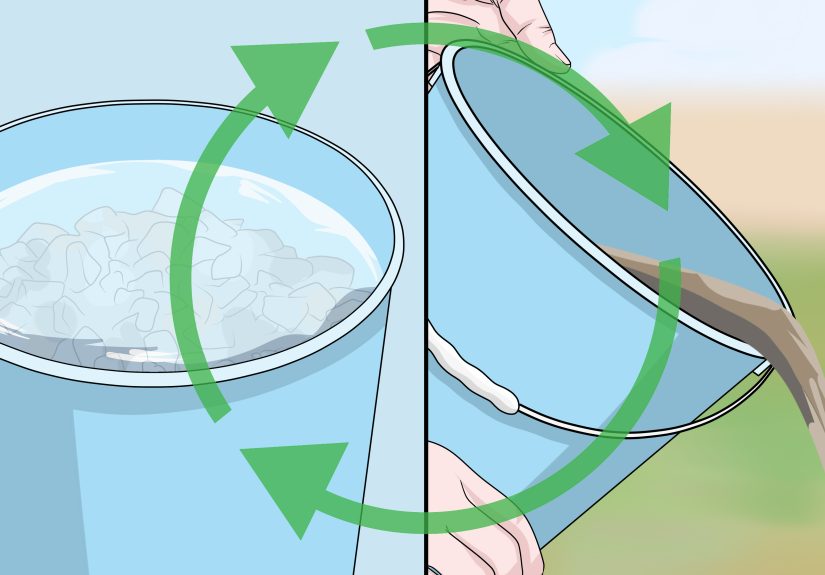
- Spot-scrub if needed. For stubborn grime or algae patches, scrub a small batch in a bucket of water before returning them.
- Return rocks and level. Pour cleaned rock back into the bed, rake smooth, and top off thin spots.
Why it works
Most “dirty rocks” problems are really “dirty stuff sitting on rocks.” Sifting removes the fines that make the bed look dull and helps restore drainageso water doesn’t hang around long enough to invite algae to move in permanently.
Pro tips
- Do it after a dry stretch if you can. Dry dirt sifts out faster and doesn’t smear.
- Fix the cause while the bed is partly empty: add edging, repair torn landscape fabric, or redirect downspouts.
- Schedule a “blow-off” every couple of weeks in fall. Five minutes of blowing beats five hours of washing later.
Way #2: Gentle Pressure Washing (Best for Big Rocks or Cleaning In Place)
Pressure washing is fast, satisfying, and dangerously easy to overdo. Used correctly, it can strip off grime, algae, and built-up dirtespecially on larger stones and borders. Used incorrectly, it can scatter gravel, carve soft stone, and redecorate your shoes with mud at professional velocity.
What you’ll need
- Pressure washer (electric is usually plenty)
- Fan-tip nozzle (wider spray) or a surface-cleaner attachment for flat areas nearby
- Garden hose for pre-rinse and final rinse
- Optional: biodegradable outdoor cleaner or oxygen bleach solution for pre-soak
Step-by-step (the “don’t-launch-your-gravel” version)
- Pre-rinse. Wet the rocks with a hose to loosen dirt and reduce dust.
- Start low and test. Pick a hidden spot and begin with the lowest effective pressure and a wider spray tip.
- Keep distance. Hold the wand back and move steadily. Getting too close can chip softer materials and blast out joint sand near pavers.
- Spray at a downward angle. This helps push grime forward instead of driving it deeper or blowing it into mulch beds.
- Work in sections. Clean, then rinse, then move onso you’re not re-depositing dirty water on finished areas.
- Final rinse. Use the hose to rinse away loosened residue and prevent cleaner/dirty water from drying on the stones.
When to pre-soak (and why it saves time)
If your rocks are slimy-green or blackened, a pre-soak can help break the bond so you need less pressure. For plant-friendlier options, oxygen bleach is often used for outdoor organic staining, and many homeowners rely on gentle outdoor cleaners labeled for algae/mildew. Always follow product labels and protect nearby plants.
Pressure washing do’s and don’ts
- Do use a fan-tip nozzle and moderate pressure.
- Do keep the wand movinglingering in one spot can etch or discolor some stones.
- Don’t aim directly at landscape fabric edges (you can tear it and create future weed chaos).
- Don’t blast pea gravel unless you enjoy chasing rocks across the yard like a cartoon character.
Way #3: Soak-and-Treat for Algae, Moss, and Stains (Best for Green Growth)
If your rocks look “green,” you’re not dealing with normal dirtyou’re dealing with something alive (or at least recently alive). The key is dwell time: let a solution sit long enough to do the work, then rinse and remove the dead growth.
Option A: Vinegar spray (milder, good for light algae/moss)
A vinegar-and-water spray is a common go-to for algae and moss on hard surfaces. It’s not magic, but it can help loosen growth so it rinses away more easily. For rock beds, it works best on patchesnot as a “spray the whole yard and hope” strategy.
- Mix a solution. Start with a 50/50 mix of white vinegar and water in a pump sprayer.
- Apply to affected areas. Spray the green patches until damp.
- Let it sit. Give it 15–20 minutes, then rinse thoroughly with a hose.
- Repeat as needed. Stubborn growth may need repeat treatments over several days.
Best for: smaller problem spots, shaded corners, and surfaces where you want to avoid harsher chemicals.
Not ideal for: heavy, thick, years-old moss mats (they’ll laugh politely and keep growing).
Option B: Oxygen bleach (often a “friendlier” heavy hitter for organic gunk)
Oxygen bleach (commonly sold as oxygen-based cleaners) is frequently used outdoors for algae and organic staining because it’s generally less harsh-smelling than chlorine bleach and is often considered a milder option around plants when used carefully. Mix according to the product label, apply, allow dwell time, scrub if needed, then rinse well.
- Use it for: algae film, mildew staining, dark organic discoloration.
- Tips: Pre-wet nearby soil and plants, avoid overspray, and rinse thoroughly to reduce residue.
Option C: Diluted chlorine bleach (last resort for stubborn moss/mildew)
Sometimes the green stuff is relentless. A carefully diluted bleach solution can be effective against moss and mildew on hard surfaces, but it requires extra caution: protect plants, control runoff, and never mix bleach with other cleaners. If you choose bleach, follow trusted dilution guidance and label directions, keep the area ventilated (even outdoors), and rinse thoroughly afterward.
A practical, conservative approach for rock beds:
- Protect plants. Cover delicate nearby plants, or at minimum pre-wet foliage/soil to reduce absorption of splashes.
- Pre-rinse rocks. Hose off loose dirt so the solution can reach the growth.
- Apply diluted solution to problem areas. Don’t “flood” the whole bed if only one section is green.
- Let it work briefly. A short dwell time is often enough to knock back growth.
- Rinse generously. Rinse the rocks and surrounding area well to reduce residue and plant impact.
Important: Bleach is not your everyday rock-bed beverage. Use it sparingly, keep it diluted, and keep it out of storm drains.
How to Keep Landscaping Rocks Cleaner Longer
Cleaning is great. Not having to clean again next month? Even better. Most rock-bed grime comes from three sources: falling debris, washing soil, and staying wet too long. Fix those and your rocks stay brighter with way less effort.
Low-effort maintenance that actually works
- Blow off leaves regularly. Especially in falldecomposing leaves stain and feed algae.
- Rake lightly. A quick top rake prevents organic material from settling and keeps the bed looking intentional.
- Upgrade edging. If soil keeps creeping in, your rocks are losing the battle at the border.
- Check drainage. If one area stays wet, algae will keep RSVPing. Correct low spots, redirect downspouts, or add drainage rock under problem zones.
- Use a pre-emergent appropriately. Weeds make a rock bed look messy fast; follow label instructions and local guidance.
Runoff rule of thumb
Whether you’re rinsing with soap, vinegar, or anything stronger, avoid letting wash water run into the street or storm drains. If you can, direct it into soil where it can filter, or collect it when using stronger cleaners.
Troubleshooting: Common “Why Do My Rocks Look Like This?” Moments
My rocks turned green again after cleaning.
That usually means the area is staying damp and shaded. Trim back overhang, improve airflow, and fix drainage. Then do a lighter “touch-up” clean (vinegar or oxygen bleach for patches) instead of repeating a full deep clean.
I get a white film after rinsing.
That can be mineral residue from hard water or leftover cleaner. Rinse longer, and consider a final rinse with plain water at higher flow. If minerals are extreme, a mild vinegar rinse on a small test area may helpthen rinse again.
My rock bed looks dull even when it’s “clean.”
Dirt fines may be filling the gaps. The Lift, Sift, and Rinse method restores the “fresh rock” look better than any spray. Also check if the top layer has broken down or mixed with soil over timesometimes topping off is the finishing move.
Real-World Experiences: What Cleaning Landscaping Rocks Actually Feels Like (and What People Learn)
The internet makes rock-cleaning look like a 10-minute montage. Real life is more like: “Why is there a pine needle in places pine needles should not be?” Here are a few true-to-life scenarios (composites of common homeowner experiences) that show what worksand what people wish they’d done first.
1) The “I swear these were white yesterday” driveway border.
One of the most common stories is a bright rock border along a driveway that slowly turns beige-gray. The culprit usually isn’t “dirty rocks” so much as tire dust, road grit, and soil washing in during storms. People often start with a pressure washer and quickly discover the first problem: the rocks are now clean… and also scattered into the lawn like a gravel confetti cannon. The fix ends up being surprisingly low-tech: blow off debris, shovel small sections into a mesh screen, and rinse them over a wheelbarrow. It takes longer than blasting everything, but it avoids launching stones, and it actually removes the fine dirt that makes the bed look permanently dusty.
2) The shady side yard that grows “green velvet.”
In damp, shaded areasespecially near sprinklersrocks can develop a slick algae film that makes stepping stones feel like a cartoon banana peel. The first attempt is often soap and water. It helps… briefly. What people learn is that algae is a lifestyle, not a one-time event. If the area stays wet, it returns. The most successful routine tends to be: fix the moisture (redirect a sprinkler head, improve drainage, prune back plants), then use a patch treatment with vinegar or an oxygen bleach product to knock back growth, followed by a thorough rinse. After that, quick maintenance wins: a periodic “hose rinse + stiff broom scrub” while algae is still young is far easier than waiting for it to build into a slimy layer.
3) The flower bed where mulch and rocks had a messy breakup.
Many homeowners try rocks in a bed next to mulch and discover that wind, rain, and enthusiastic pets blend the two into a single chaotic art form. The cleaning lesson here is that no cleaner in the world is better than preventing the mix-up. People who get the best results often do a “reset weekend”: pull the worst mixed section, separate mulch and stone with a screen, install stronger edging, and then put the clean rock back. After that, the bed stays cleaner because the border actually holds the line. The surprising part is how satisfying it is once it’s fixedlike finally putting a lid on a container that’s been spilling for months.
4) The “I used bleach and now I’m nervous” moment.
When the green growth is stubborn, some people reach for chlorine bleach. It can work, but the best experiences come from treating it like a precision tool: dilute it properly, protect plants, apply only where needed, and rinse generously. The worst experiences come from over-application and poor runoff control. The lesson is simple: bleach can be effective, but it’s not a casual rinse. If you can get 80–90% of the result with sifting, vinegar, or oxygen bleach, that’s often the smarter first moveespecially in planted beds.
5) The “I didn’t realize cleaning rocks changes the whole yard” surprise.
After a deep clean, people often say the rocks look brighter than expectedand that everything around them suddenly looks a little… tired. Clean rocks can make faded edging, stained pavers, or weedy corners stand out. The upside: it’s a quick curb-appeal upgrade without buying new materials. The trick is to finish strong: rake the bed smooth, pull a few weeds, and maybe top off thin areas so the bed looks crisp instead of “recently excavated.”
Bottom line: the best rock-cleaning “experience” isn’t a perfect, sparkling bed forever. It’s finding a method that matches your rock size, your mess type, and your patience levelthen doing small upkeep so you’re not back at square one after the next storm.
Conclusion
Cleaning landscaping rocks doesn’t have to be complicated. If you match the method to the mess, you’ll get better results with less effort: Lift, Sift, and Rinse for small rock beds, Gentle Pressure Washing for bigger stones and in-place cleaning, and Soak-and-Treat when algae and moss try to claim squatters’ rights. Do a little preventionbetter edging, better drainage, and regular leaf removaland your rocks can stay crisp and bright with quick touch-ups instead of full-on cleaning marathons.