Table of Contents >> Show >> Hide
- What Is Bird Flu, and Why Are Cats in the News?
- Can Cats Get Bird Flu?
- How Bird Flu May Spread to Cats
- Symptoms of Bird Flu in Cats
- Can Cats Spread Bird Flu to People?
- How to Protect Your Cat from Bird Flu
- What Pet Owners Should Do If Bird Flu Is Reported Nearby
- Is Commercial Cat Food Safe?
- What About Dogs?
- When to Call a Veterinarian
- Common Myths About Bird Flu in Cats
- Practical Safety Checklist for Cat Owners
- Real-Life Experiences and Lessons for Cat Owners
- Conclusion
Bird flu in cats sounds like the kind of headline that makes pet owners immediately stare at their sleeping tabby and whisper, “What did you get into now?” The good news is that most indoor cats are not suddenly in danger because a headline appeared online. The not-so-good news is that highly pathogenic avian influenza, especially H5N1, has been detected in domestic cats, barn cats, and other mammals, and cats appear to be more vulnerable than many people expected.
This does not mean you need to panic, wrap your cat in bubble wrap, or cancel every bird video on YouTube. It does mean pet owners should understand how cats can be exposed, what symptoms deserve quick veterinary attention, and why raw milk and raw meat diets are currently getting a very serious side-eye from veterinarians and public-health agencies.
Bird flu is still primarily a disease of birds. However, the current H5N1 situation has shown that the virus can spill over into mammals, including dairy cattle and cats. For the average household, the practical message is simple: keep cats away from wild birds, avoid raw animal products, watch for sudden illness, and call a veterinarian quickly if something seems wrong.
What Is Bird Flu, and Why Are Cats in the News?
Bird flu, also called avian influenza, refers to influenza A viruses that naturally spread among wild aquatic birds and can infect poultry and other animals. Some strains cause mild illness in birds, while highly pathogenic strains can cause severe disease and major outbreaks in poultry flocks.
H5N1 is one of the strains getting the most attention because it has spread widely among wild birds, poultry, some dairy cattle, and several mammal species. Cats have entered the conversation because confirmed and suspected infections have been linked to exposure to infected birds, contaminated raw milk, raw meat, and raw pet food. In several reported cases, infected cats became severely ill, and some died.
Cats are natural hunters, professional snack investigators, and occasional garbage philosophers. That makes exposure possible when a cat catches a sick bird, eats a dead bird, drinks unpasteurized milk, or consumes raw poultry or other contaminated raw animal products. Indoor cats have also been affected when contaminated raw food or raw milk was brought into the home.
Can Cats Get Bird Flu?
Yes, cats can get bird flu. Domestic cats, barn cats, captive wild cats, and other feline species have been infected with avian influenza viruses. Cats may become infected by eating infected birds, consuming contaminated raw milk or raw meat, or having close exposure to environments where the virus is present.
What makes this important is that H5N1 can be serious in cats. Reported symptoms have included fever, loss of appetite, extreme tiredness, breathing trouble, eye or nasal discharge, and neurological signs such as wobbliness, tremors, seizures, sudden blindness, or unusual behavior. Some cats have deteriorated quickly. That speed is one reason veterinarians urge pet owners not to “wait and see” when a cat has possible exposure and sudden illness.
Not every sneeze means bird flu. Cats can cough, sneeze, vomit, hide, or skip meals for many reasons, including common respiratory infections, stress, dental pain, kidney disease, poisoning, or a mysterious feline commitment to drama. But if symptoms appear after a cat ate raw meat, drank raw milk, caught a bird, visited a farm, or lived near poultry or dairy animals, bird flu becomes a concern worth discussing with a veterinarian.
How Bird Flu May Spread to Cats
1. Contact with Wild Birds
Wild birds are a major natural reservoir for avian influenza. A cat that hunts, bites, plays with, or eats a sick or dead bird may be exposed. This is especially relevant for outdoor cats, barn cats, and cats living near lakes, wetlands, poultry farms, or areas where wild bird deaths have been reported.
2. Raw Milk and Unpasteurized Dairy
Raw milk is not a harmless “farm-fresh treat” for cats. Unpasteurized milk can contain bacteria, viruses, and other pathogens. During the H5N1 outbreak in dairy cattle, raw milk has been linked to severe illness in cats. Pasteurization is designed to inactivate dangerous pathogens, which is why public-health agencies continue to stress that pasteurized dairy products are the safer choice.
3. Raw Meat and Raw Pet Food
Raw poultry, raw meat, and raw pet foods can carry pathogens. In the context of H5N1, contaminated raw pet food has become a specific concern. Some investigations and recalls have involved raw cat food products associated with infected cats. Cooking and proper processing reduce risk, while raw diets leave more opportunities for viruses and bacteria to survive.
4. Farm and Backyard Flock Exposure
Cats living around poultry, dairy cattle, or backyard flocks may face higher exposure risk. Barn cats may drink spilled milk, eat birds or rodents, walk through contaminated areas, or interact with sick animals. On farms, infection control matters not only for livestock but also for the cats who confidently believe every barn is their personal kingdom.
Symptoms of Bird Flu in Cats
Bird flu symptoms in cats can overlap with many other illnesses, which is why veterinary evaluation matters. Signs may include:
- Loss of appetite or refusing food
- Fever or unusual warmth
- Lethargy, weakness, or hiding
- Coughing, sneezing, or difficulty breathing
- Eye discharge, nasal discharge, or excessive drooling
- Vomiting or diarrhea in some cases
- Wobbling, circling, tremors, seizures, or sudden blindness
- Rapid worsening after possible exposure
The most concerning pattern is a cat that becomes suddenly very sick after eating raw animal products, drinking raw milk, catching a bird, or being near infected poultry or dairy animals. Neurological symptoms are especially urgent. A cat that cannot walk normally, appears blind, has seizures, or seems disoriented needs veterinary care immediately.
Can Cats Spread Bird Flu to People?
The overall risk to the general public remains low, but “low risk” does not mean “zero risk.” Human bird flu infections remain uncommon and have mostly been associated with close contact with infected animals, especially poultry or dairy cattle. There is no evidence that household cats are currently a common source of human infection, but sick animals should always be handled carefully.
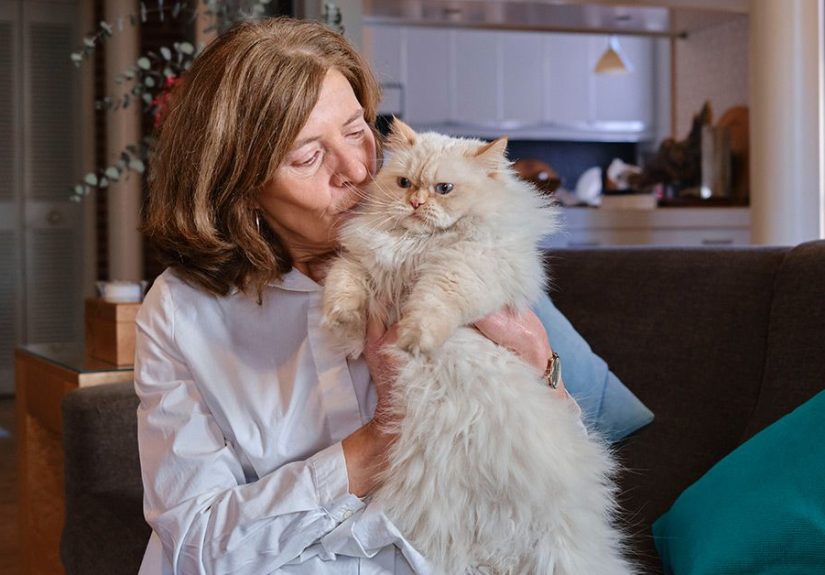
If a cat is suspected of having bird flu, avoid close face-to-face contact, do not kiss the cat, and do not let children, older adults, pregnant people, or immunocompromised people handle the animal. Contact a veterinarian before bringing the cat into a clinic so staff can prepare safely. If you must clean up saliva, vomit, stool, or bedding, use gloves, wash hands thoroughly, and avoid touching your eyes, nose, or mouth.
This is not about treating your cat like a tiny biohazard with whiskers. It is about basic infection control. The same common-sense habits that help prevent many pet-related infections also help reduce bird flu exposure risk.
How to Protect Your Cat from Bird Flu
Keep Cats Indoors When Possible
The safest bird is the one your cat admires through a window. Keeping cats indoors reduces contact with wild birds, dead animals, contaminated outdoor environments, and other wildlife. It also protects birds from cats, which is a bonus point for backyard biodiversity.
Skip Raw Milk Completely
Do not give cats raw milk, raw cream, or other unpasteurized dairy products. Cats do not need milk, and many adult cats are lactose intolerant anyway. In other words, even before bird flu entered the chat, milk was not exactly doing your cat’s digestive system a favor.
Avoid Raw Meat and Raw Pet Food
Choose commercially prepared cooked, canned, or properly processed pet food from reputable brands. If you currently feed a raw diet, speak with your veterinarian about safer alternatives, especially if you live near poultry, dairy farms, wild bird activity, or areas where H5N1 has been detected.
Keep Cats Away from Sick or Dead Birds
Do not allow your cat to sniff, paw, carry, or eat dead birds. If you find a dead wild bird, avoid touching it with bare hands. Follow local guidance for reporting unusual bird deaths, especially if multiple birds are found in one area.
Be Careful with Farm Clothing and Shoes
If you work around poultry, dairy cattle, wildlife, or farms, change clothes and shoes before interacting closely with pets. Keep work boots outside living areas. Cats are experts at rubbing their faces on whatever you hoped they would ignore, so reducing household contamination is smart.
Call the Vet Before Visiting
If your cat is sick and may have been exposed to bird flu, call your veterinary clinic first. Explain the symptoms and possible exposure. The clinic may give special instructions to reduce risk to other animals and staff.
What Pet Owners Should Do If Bird Flu Is Reported Nearby
If bird flu is detected in your area, focus on practical steps rather than panic. Bring outdoor cats inside, stop feeding raw animal products, secure trash, remove bird carcasses safely according to local instructions, and monitor your cat for symptoms. If you have backyard chickens, keep cats away from the flock and from feed, bedding, droppings, and water sources.
For multi-pet households, isolate any sick cat from other animals until a veterinarian gives guidance. Use separate food bowls, water bowls, bedding, and litter boxes. Wash hands after handling the sick cat or cleaning its space. If the cat has severe breathing problems, neurological signs, or rapid decline, treat it as urgent.
Pet owners should also check pet food recall notices if they feed raw or freeze-dried raw products. Not every product is affected, but staying aware is part of responsible pet care. When in doubt, ask your veterinarian whether your cat’s diet is appropriate and safe.
Is Commercial Cat Food Safe?
Commercial cooked, canned, and properly processed cat foods are generally considered a safer option than raw diets because heat treatment and safety controls reduce many pathogen risks. That does not mean every bag or can of food is magical armor, but it does mean standard commercial diets are designed with safety controls that raw diets may not provide.
Pet food manufacturers are expected to consider known or reasonably foreseeable hazards, including H5N1, when using certain animal-derived ingredients. For consumers, the simplest choice is to avoid raw poultry, raw meat, raw eggs, and raw milk products for pets. Store pet food properly, wash bowls regularly, and keep food preparation areas clean.
What About Dogs?
Dogs can be exposed to avian influenza, but cats appear to be more susceptible to severe H5N1 illness. Still, dog owners should also prevent pets from eating dead birds, raw meat, or raw dairy products. Dogs who love to chase birds should be leashed in areas with wild bird activity or known outbreaks. Yes, this may disappoint your dog, who believes every goose encounter is a personal athletic event.
When to Call a Veterinarian
Call a veterinarian promptly if your cat has possible exposure to bird flu and develops any sudden illness. Be especially alert for appetite loss, fever, breathing problems, heavy discharge from the eyes or nose, severe weakness, or neurological symptoms. Do not try to diagnose bird flu at home. A veterinarian can help determine whether testing, supportive care, isolation, or reporting is needed.
Also call ahead before arriving at the clinic. This protects other pets and gives the veterinary team time to plan safe handling. If your cat is struggling to breathe, collapsing, having seizures, or unable to walk, seek emergency veterinary care.
Common Myths About Bird Flu in Cats
Myth 1: “Only Outdoor Cats Are at Risk”
Outdoor cats face higher risk because they can hunt birds and contact contaminated environments. However, indoor cats can still be exposed through raw milk, raw meat, or contaminated raw pet food brought into the home.
Myth 2: “Raw Food Is Always More Natural and Therefore Safer”
Natural does not always mean safe. Poison ivy is natural. So are parasites, bacteria, and viruses. Cats need balanced nutrition, not a pathogen roulette wheel served in a bowl.
Myth 3: “If My Cat Looks Fine, There Is Nothing to Worry About”
A healthy-looking cat is reassuring, but prevention still matters. Avoiding risky exposures is easier than treating a severe infection after symptoms begin.
Myth 4: “Bird Flu Means I Should Be Afraid of My Cat”
No. Your cat is still your cat, not a feathered supervillain. Use good hygiene, reduce exposure, and get veterinary help if illness appears. Fear is not useful; smart caution is.
Practical Safety Checklist for Cat Owners
- Keep cats indoors or closely supervised outdoors.
- Do not feed raw milk, raw meat, raw eggs, or raw pet food.
- Prevent cats from hunting or eating birds.
- Keep pets away from poultry, dairy cattle, and sick or dead animals.
- Wash hands after handling pet food, litter boxes, or outdoor items.
- Clean food and water bowls regularly.
- Watch for sudden respiratory, digestive, or neurological symptoms.
- Call a veterinarian before bringing in a possibly exposed sick cat.
Real-Life Experiences and Lessons for Cat Owners
For many cat owners, bird flu becomes real only when it touches everyday routines. A headline is one thing; looking at your cat’s food bowl and wondering whether dinner is safe is another. The most useful experiences often come from ordinary households making small, practical changes.
Consider a family with an indoor cat who has eaten raw food for years because they believed it was closer to a natural feline diet. After reading about H5N1 detections linked to raw animal products, they did not need to panic or throw every bowl in the house into the sun. Instead, they called their veterinarian, reviewed safer diet options, and transitioned gradually to a complete commercial food. The cat complained, of course, because cats treat menu changes like constitutional crises. But within a few weeks, the household had reduced risk without turning mealtime into a battle.
Another common scenario involves barn cats. On farms, cats may live near poultry, cattle, spilled milk, feed storage, and wild birds. A practical safety approach might include keeping cats away from raw milk, cleaning up spills quickly, limiting access to sick animals, and changing boots or outerwear before going into the home. Farm cats can be difficult to manage because they are independent, fast, and convinced they are assistant managers. Still, small biosecurity habits can lower risk.
Apartment dwellers may assume the issue does not apply to them, but indoor cats can still be exposed if owners feed raw food or bring contaminated items inside. One helpful habit is creating a “pet food hygiene routine.” Wash hands after preparing food, clean bowls daily, store food correctly, and keep raw meat meant for humans away from curious cats. If a cat jumps on the counter while you are preparing poultry, clean the surface before and after. The cat will not respect your food-safety boundaries, so your cleaning routine has to do the heavy lifting.
Families with children should also make safety simple. Children may want to touch a sick cat, share snacks, or help clean up messes. Teach them to wash hands after petting animals and to tell an adult if the cat is acting strange, refusing food, breathing oddly, or bumping into things. The goal is not to scare kids. The goal is to turn observation into a family habit.
One of the biggest lessons from recent bird flu reports is that “healthy lifestyle” trends for pets should still pass the safety test. Raw diets, raw milk, and backyard animal exposure can sound wholesome, but pathogens do not care about branding. A safer lifestyle for cats usually looks pleasantly boring: balanced food, clean water, indoor enrichment, regular vet care, and fewer opportunities to eat suspicious things from the yard.
Finally, pet owners should remember that quick action matters. Cats are skilled at hiding illness until they are truly unwell. If a cat with possible bird flu exposure becomes lethargic, stops eating, has trouble breathing, develops eye or nasal discharge, or shows neurological signs, waiting several days is risky. Calling a veterinarian early can help the cat receive supportive care sooner and helps protect other animals in the household.
Conclusion
Bird flu detected in cats is a serious topic, but it is manageable with clear, calm prevention. The main risks for cats include exposure to infected birds, contaminated raw milk, raw meat, raw pet food, and infected farm environments. The best safety steps are refreshingly practical: keep cats indoors when possible, avoid raw animal products, prevent contact with sick or dead birds, use good hygiene, and contact a veterinarian quickly if symptoms appear after possible exposure.
Most cat owners do not need to panic. They do need to pay attention. Cats may act like tiny royalty with murder mittens, but they rely on humans to make safe choices about food, environment, and medical care. A few smart habits can greatly reduce the chance that bird flu becomes more than just another alarming headline.