Table of Contents >> Show >> Hide
- What Makes a Spring Herb Frittata So Good?
- Key Ratios for a Perfect Herb Frittata
- Ingredients
- Equipment You’ll Need
- How to Make a Spring Herb Frittata
- Step 1: Preheat and prep
- Step 2: Cook the vegetables (aka remove excess water)
- Step 3: Whisk the eggs like you mean it (but not like you’re auditioning)
- Step 4: Combine and start setting on the stovetop
- Step 5: Finish in the oven
- Optional Step 6: Give it a quick golden top
- Step 7: Rest, garnish, slice
- How to Know When a Frittata Is Done
- Serving Ideas for Spring Brunch (or Dinner, Because Adulting)
- Variations: Make This Herb Frittata Your Own
- Troubleshooting: Common Frittata Problems (and Fixes)
- Make-Ahead, Storage, and Reheating
- FAQ: Best Spring Herb Frittata Recipe Questions
- Conclusion: Your New Go-To Spring Brunch Recipe
- Spring Herb Frittata Experiences: The Real-Life Moments This Dish Was Made For
If spring had a signature dish, it would be a spring herb frittata: bright, green, a little fancy,
and secretly one of the easiest “wow” breakfasts you can make without wearing real pants. This is the kind of recipe
that turns a random Tuesday into “brunch vibes,” and it’s flexible enough to handle whatever your farmers’ market (or
crisper drawer) is throwing at you.
This spring herb frittata recipe leans into the season: tender asparagus, sweet peas, scallions, lemon zest,
and a generous handful of fresh herbs. The result is fluffy-but-sliceable, rich-but-not-heavy, and loaded with that
fresh-herb perfume that makes your kitchen smell like you opened a window even if it’s still 48°F outside.
What Makes a Spring Herb Frittata So Good?
A frittata is basically an omelet that went to therapy and learned to commit. Instead of folding and hoping for the best,
you cook it gently, finish it in the oven, and slice it into clean wedges. Spring is the perfect moment for frittatas
because herbs and green vegetables are at their bestand eggs are the ultimate team player.
Flavor advantages of spring herbs
- Freshness without fuss: Herbs add big flavor without hours of simmering.
- Natural balance: Rich eggs + bright herbs = the culinary equivalent of sunscreen and a cute hat.
- Endless combos: Parsley, dill, chives, tarragon, basil, mintmix and match like it’s a capsule wardrobe.
Key Ratios for a Perfect Herb Frittata
The secret to a tender frittata isn’t magicit’s math (but the friendly kind). You want enough eggs to set, enough dairy
for creaminess, and not so many fillings that your frittata collapses into a sad, wet scramble.
- Eggs: 8 large eggs for a 10-inch skillet is the sweet spot.
- Dairy: About 1/3 cup whole milk or half-and-half keeps it custardy without turning it into quiche.
- Mix-ins: Aim for ~2 cups cooked vegetables total so the eggs can still do their job.
- Cheese: 3/4 cup total gives flavor and structure without becoming “cheese pie.”
Ingredients
This recipe makes 6 slices (or 4 slices if you live with someone who “just wants a small piece” and then returns for a second
and third “small piece”).
For the spring herb egg base
- 8 large eggs
- 1/3 cup whole milk or half-and-half
- 1/2 teaspoon kosher salt (plus more to taste)
- 1/4 teaspoon black pepper
- 1/4 teaspoon garlic powder (optional, but delightful)
- 1/8 teaspoon nutmeg (optional, subtle warmth)
- Zest of 1 lemon (about 1 teaspoon)
Vegetables + herbs
- 1 tablespoon olive oil
- 1 tablespoon butter (for flavor and anti-stick insurance)
- 4 scallions, thinly sliced (white and green parts separated)
- 1 small leek, thinly sliced and rinsed well (optional but very springy)
- 1 cup asparagus, cut into 1-inch pieces
- 1/2 cup peas (fresh or frozen)
- 2 packed cups baby spinach (optional; it wilts down a lot)
- 1/2 cup chopped mixed fresh herbs (choose 2–4): parsley, dill, chives, tarragon, basil, mint
Cheese
- 3 ounces goat cheese, crumbled (about 1/2 cup)
- 1/4 cup grated Parmesan (or pecorino)
- Optional: 1/4 cup shredded mozzarella for a lightly stretchy top
Optional “chef move” add-ins
- 1–2 teaspoons Dijon mustard (whisk into eggs for subtle zip)
- 1/2 cup torn soft bread cubes soaked in 2–3 tablespoons milk (adds tenderness)
- 1–2 tablespoons pesto or herb oil to drizzle at the end
Equipment You’ll Need
- 10-inch oven-safe skillet (cast iron, enameled cast iron, or oven-safe nonstick)
- Mixing bowl + whisk
- Silicone spatula
- Cutting board + knife
How to Make a Spring Herb Frittata
Step 1: Preheat and prep
Preheat your oven to 375°F. Position a rack in the middle. This temperature is hot enough to set the eggs
gently without turning the edges into rubber.
If using leek, slice it and rinse thoroughly (leeks love hiding sand like it’s their hobby). Slice scallions; keep the whites
separate from the greens. Chop herbs and set aside.
Step 2: Cook the vegetables (aka remove excess water)
Heat olive oil and butter in your skillet over medium. Add leek (if using) and scallion whites. Cook 3–4 minutes
until softened but not browned.
Add asparagus and cook 2–3 minutes until bright green and crisp-tender. Stir in peas and spinach (if using) and cook just until
the spinach wilts. Season lightly with a pinch of salt and pepper.
Step 3: Whisk the eggs like you mean it (but not like you’re auditioning)
In a bowl, whisk eggs, milk (or half-and-half), salt, pepper, lemon zest, and optional garlic powder/nutmeg. Whisk until the mixture
looks uniform and slightly frothyabout 20 seconds. Fold in Parmesan and half of your chopped herbs. Save the rest for a fresh,
green finish later.
Step 4: Combine and start setting on the stovetop
Reduce skillet heat to medium-low. Spread vegetables evenly in the pan. Pour egg mixture over the top. Use a spatula to
nudge vegetables around so the eggs can flow into gaps.
Dot goat cheese across the surface (think “little creamy islands,” not “one giant cheese continent”). Sprinkle scallion greens on top.
Cook 3–5 minutes until the edges are set but the center is still quite wet.
Step 5: Finish in the oven
Transfer skillet to the oven and bake 10–14 minutes, until the center is just set. The frittata should jiggle slightly
when you nudge the panlike Jell-O’s more responsible cousin.
Optional Step 6: Give it a quick golden top
If you want a lightly browned top, switch to broil for 30–90 seconds. Watch it closelybroilers go from “golden” to
“campfire memory” in a blink.
Step 7: Rest, garnish, slice
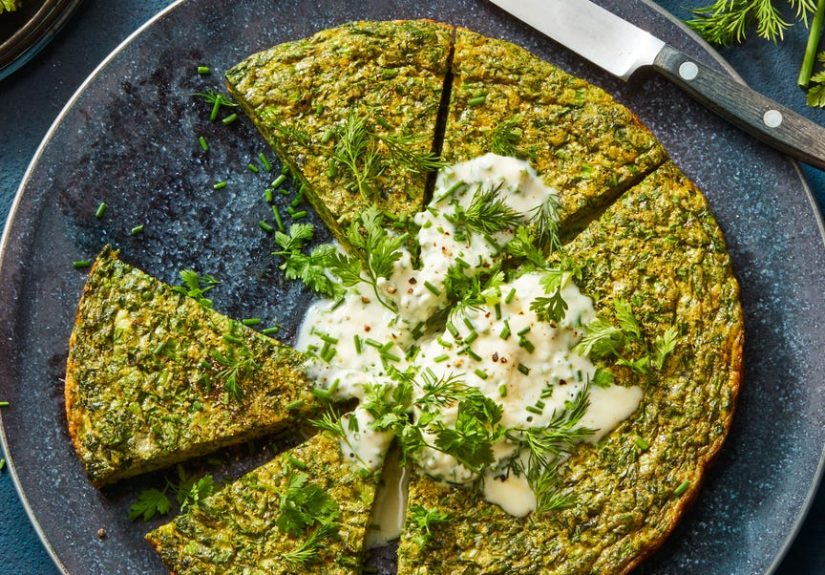
Let the frittata rest 5–10 minutes. This sets the texture and makes slicing cleaner. Sprinkle remaining fresh herbs over
the top. Add a tiny squeeze of lemon if you like brightness.
How to Know When a Frittata Is Done
- Center check: It should be set but still moist; no sloshing liquid eggs.
- Edges: Pull slightly away from the pan.
- Knife test: Insert a knife near centershould come out mostly clean with a little moisture, not raw egg.
- Carryover cooking: It keeps setting as it rests, so don’t overbake.
Serving Ideas for Spring Brunch (or Dinner, Because Adulting)
- Brunch plate: Frittata + arugula salad + toasted sourdough.
- Fancy touch: A dollop of crème fraîche or Greek yogurt + extra herbs.
- Lunch: Room-temp wedge tucked into a wrap with greens.
- Dinner: Add roasted potatoes and call it “breakfast for dinner” (a timeless classic).
Variations: Make This Herb Frittata Your Own
The best part about learning how to make a spring herb frittata is that it becomes a template. Here are a few tested
flavor directions that still feel seasonal and fresh.
1) Asparagus + dill + feta
Swap goat cheese for feta and go heavy on dill. Finish with lemon zest and black pepper. Bright, tangy, and ridiculously snackable.
2) Peas + mint + Parmesan
Keep it simple: peas, mint, Parmesan. Add a spoonful of ricotta for extra creaminess if you’re feeling luxurious.
3) Spring greens + tarragon + Gruyère
Spinach, arugula, or baby kale with tarragon and Gruyère gives a French bistro vibeno plane ticket required.
4) Farmers’ market “clean-out-the-bag” frittata
Chop whatever you bought impulsively because it was “so pretty” (ramps, snap peas, tender herbs). Sauté, pour eggs, bake, triumph.
Troubleshooting: Common Frittata Problems (and Fixes)
My frittata stuck to the pan
- Use enough fat (oil + butter is ideal).
- If your cast iron isn’t very well-seasoned, use enameled cast iron or oven-safe nonstick.
- Let it rest before slicing; it releases more easily once it sets.
It’s watery
- Cook vegetables first to evaporate moisture.
- If using spinach, sauté and let steam escape (or squeeze gently after wilting).
- Don’t overload the pan with mix-ins.
It’s rubbery
- Lower your heat; eggs like gentle cooking.
- Use whole milk or half-and-half instead of skim.
- Pull it when it’s just setcarryover cooking will finish the job.
Make-Ahead, Storage, and Reheating
This easy frittata recipe is a meal-prep dream. It’s great warm, at room temperature, and even straight from the fridge if you’re
in “standing at the counter” mode.
- Make-ahead: Bake up to a few hours ahead; keep at room temp loosely covered.
- Refrigerate: Store slices in an airtight container for up to 3–4 days.
- Reheat: Warm gently (microwave in short bursts or a 300°F oven) to avoid drying out.
- Freeze: You can freeze slices, but the texture may soften; wrap tightly and thaw overnight before reheating.
FAQ: Best Spring Herb Frittata Recipe Questions
Can I make a spring herb frittata without dairy?
Yes. Replace milk/half-and-half with an unsweetened dairy-free alternative (like oat or almond) or simply use a splash of water.
The texture will be slightly less rich, but still tastyespecially with plenty of herbs and a little olive oil.
What herbs work best in a spring herb frittata?
Parsley and chives are reliable, dill adds a fresh snap, tarragon tastes elegant, basil leans summery, and mint is surprisingly
great with peas. Use a mix for complexity.
Do I have to start on the stovetop?
Starting on the stovetop helps set the base and prevents a pale, soggy bottom. But you can bake fully in the oven if you use a well-greased
baking dish and pre-cook fillings.
What’s the difference between frittata and quiche?
Quiche is custard-forward and usually has a crust. A frittata is egg-forward, typically crustless, and often starts on the stovetop. Think “sliceable omelet”
versus “savory custard pie.”
Conclusion: Your New Go-To Spring Brunch Recipe
When you need a dish that feels fresh, looks impressive, and doesn’t require you to make seventeen separate components, a spring herb frittata
is the answer. It’s flexible, budget-friendly, and basically a celebration of everything green and bright. Master this method once, and you’ll have a
reliable way to turn spring produce and a carton of eggs into something that tastes like you planned ahead (even if you absolutely did not).
Spring Herb Frittata Experiences: The Real-Life Moments This Dish Was Made For
A great spring herb frittata recipe isn’t just about eggs and timingit’s about the little seasonal moments that make cooking feel like
living. You know the ones: the first weekend you crack a window because the air is finally polite again, the sudden urge to buy “just a few herbs” that
turns into a bouquet big enough to audition as a table centerpiece, and the way asparagus shows up in your life like an enthusiastic friend who only
visits for six weeks and then disappears.
This frittata is especially perfect for those mornings when you want something warm and satisfying, but not the kind of heavy breakfast that makes you
want to crawl back under the covers. It’s light in flavor but still fillinglike putting on a denim jacket instead of a winter coat. And the herbs do
that magical spring thing where one bite tastes like “fresh,” even if your week has been anything but.
There’s also something deeply satisfying about the soundtrack of making it: the quiet sizzle when scallions hit butter, the soft scrape of a
spatula nudging vegetables into place, the quick whisk-whisk of eggs turning glossy, and then the gentle oven finish where you get to pretend you’re
hosting a brunch show on TV (even if your “crew” is just you and a slightly judgmental houseplant).
Spring gatherings love a frittata because it’s social food without social stress. You can bake it, rest it, and serve it at room temperaturemeaning you
don’t have to stand at the stove while everyone else is laughing in the other room. It also travels well: a sliced frittata tucked into a container is a
potluck power move. People see neat wedges dotted with green herbs and think, “Ah yes, an organized person brought this,” when really you just used a
single skillet and good lighting.
It’s also the dish that rescues those “I bought herbs and now I have too many herbs” scenarios. Frittatas are basically edible flexibility. A little dill
here, a handful of parsley there, chives snipped straight over the pan like you’re casting a flavor spellsuddenly you’ve used up the bunches without
resorting to sad, wilted herb confetti in the back of the fridge.
And if you’re learning how to make a spring herb frittata for the first time, there’s a confidence boost baked into the process. You
watch the edges set, you see the center puff slightly in the oven, and you realize you just made something that looks like it belongs in a café display
case. Slice it, serve it with a salad, and you’ve got a meal that feels effortless and intentionaltwo words that rarely coexist in everyday life.
Finally, there’s the leftover joy. Cold frittata for lunch is underrated. It’s like pizza’s responsible cousin: still delicious, still convenient, and
oddly satisfying straight from the fridge while you stand over the sink. One wedge, a little squeeze of lemon, maybe a quick herb sprinkle if you’re
feeling dramaticand spring tastes like it decided to stick around for a while.