Table of Contents >> Show >> Hide
- What Is N'awlins Cajun Beef and Grits?
- Why This Cajun Beef and Grits Recipe Works
- Ingredients for N'awlins Cajun Beef and Grits
- Best Beef to Use for Cajun Beef and Grits
- How To Make N'awlins Cajun Beef and Grits
- Recipe Card: N'awlins Cajun Beef and Grits
- Tips for the Creamiest Grits
- Cajun Seasoning vs. Creole Seasoning
- How Spicy Is This Dish?
- What To Serve With Cajun Beef and Grits
- Storage and Reheating
- Can You Make It Ahead?
- Recipe Variations
- Common Mistakes To Avoid
- Food Safety Note for Beef
- Experience Notes: What It Feels Like To Cook and Eat This Dish
- Conclusion
If comfort food had a brass band, N’awlins Cajun Beef and Grits would be marching at the front, waving a wooden spoon and refusing to apologize for the butter. This hearty Southern-style recipe brings together tender Cajun-spiced beef, the classic Louisiana flavor base of onion, bell pepper, and celery, a tomato-rich sauce, and a generous bed of creamy cheddar grits. It is bold, cozy, slightly spicy, and exactly the kind of meal that makes the dinner table go quiet for the best possible reason.
Inspired by the flavors of New Orleans and the tradition of beef served over grits, this dish sits somewhere between a weeknight comfort meal and a Sunday supper that knows how to make an entrance. It borrows the soul of grillades and grits, the punch of Cajun seasoning, and the practical charm of a one-pan beef dinner. In other words, it tastes like you worked harder than you did. That is always a victory.
This guide explains how to make the best N’awlins Cajun beef and grits recipe at home, including which beef to use, how to build a deep Cajun-style sauce, how to make grits creamy instead of gluey, and how to adjust the spice level without turning dinner into a dare.
What Is N’awlins Cajun Beef and Grits?
N’awlins Cajun Beef and Grits is a Southern comfort dish made with seasoned beef, sautéed vegetables, tomato paste, diced tomatoes, Cajun or Creole seasoning, and creamy cheese grits. The name “N’awlins” is a playful nod to New Orleans, where food is rarely shy and breakfast, brunch, and dinner have been known to happily trade outfits.
The dish resembles New Orleans-style grillades and grits, a classic made with thin pieces of beef, veal, or pork simmered in gravy and served over grits. This version is more home-kitchen friendly. It uses beef chuck or stew meat, bell peppers, onion, celery, garlic, tomatoes, and sharp cheddar grits for a bowl that is rich, satisfying, and deeply flavorful.
Why This Cajun Beef and Grits Recipe Works
The magic starts with browning the beef. Searing the meat creates savory browned bits on the bottom of the pan, and those bits are basically flavor confetti. Then the vegetables go in, soaking up that beefy goodness while building the familiar Cajun and Creole foundation often called the “holy trinity”: onion, bell pepper, and celery.
Tomato paste adds concentrated richness, diced tomatoes bring acidity, and Cajun seasoning gives the sauce warmth, peppery depth, and a gentle kick. The grits balance everything with creaminess. Sharp cheddar adds tang and saltiness, while butter rounds the edges like a polite Southern host.
The result is a complete meal in a bowl: tender beef, saucy vegetables, creamy grits, and enough personality to make plain rice look nervous.
Ingredients for N’awlins Cajun Beef and Grits
For the Cajun Beef
- 2 teaspoons canola oil or olive oil
- 2 1/2 to 3 1/2 pounds boneless beef chuck, trimmed and cut into 1-inch pieces
- 1 1/2 teaspoons kosher salt, plus more to taste
- 1 teaspoon black pepper
- 3 medium bell peppers, seeded and chopped
- 1 large yellow onion, chopped
- 3 celery stalks, chopped
- 3 garlic cloves, minced
- 1 can diced tomatoes, 14 to 15 ounces, drained
- 1/4 cup tomato paste
- 2 to 3 teaspoons Cajun or Creole seasoning
- 1/2 cup low-sodium beef broth, optional for a saucier finish
- 1 tablespoon Worcestershire sauce, optional but recommended
- Chopped fresh parsley or green onions, for garnish
For the Cheddar Grits
- 2 cups grits, preferably regular or stone-ground if you have extra time
- 6 to 8 cups water, chicken broth, milk, or a combination
- 1 teaspoon kosher salt
- 2 tablespoons unsalted butter
- 2 cups shredded sharp cheddar cheese
- Black pepper, to taste
- A splash of milk or broth, as needed for loosening
Best Beef to Use for Cajun Beef and Grits
Boneless beef chuck is the best choice for a rich, tender result. It has enough marbling to stay juicy during cooking, especially if you let it simmer until the fibers soften. Beef stew meat also works, though the pieces may come from different cuts, so some bites can cook faster than others.
If you want a quicker version, use thinly sliced sirloin or flank steak. Sear it fast, remove it from the pan, cook the vegetables and sauce, then return the beef at the end. This keeps leaner cuts from turning tough. For a slow-cooked, deeply tender version, chuck is still the champion.
How To Make N’awlins Cajun Beef and Grits
Step 1: Season and Brown the Beef
Pat the beef dry with paper towels. This step matters because wet beef steams instead of browns, and steamed beef is not the dream we came here to chase. Season the meat with salt and black pepper.
Heat the oil in a large Dutch oven or heavy skillet over medium-high heat. Add the beef in batches, leaving space between the pieces. Brown the beef on all sides, then transfer it to a plate. Do not rush this step. Browning builds the deep, savory base of the entire dish.
Step 2: Cook the Cajun Trinity
Reduce the heat to medium. Add the chopped bell peppers, onion, and celery to the same pan. Cook for 6 to 8 minutes, stirring occasionally, until the vegetables begin to soften. Add the garlic and cook for about 30 seconds, just until fragrant. If garlic burns, it gets bitter, and nobody invited bitterness to dinner.
Step 3: Add Tomato Paste and Seasoning
Stir in the tomato paste and Cajun or Creole seasoning. Let the tomato paste cook for 1 to 2 minutes. This helps remove the raw tomato flavor and gives the sauce a richer, deeper taste. Add the drained diced tomatoes, Worcestershire sauce, and beef broth if using.
Step 4: Simmer Until Tender
Return the browned beef and any juices to the pan. Stir well, cover, and reduce the heat to low. Simmer for 35 to 60 minutes, depending on the size and cut of your beef. Chuck becomes more tender with time, so let it gently bubble until it is easy to pierce with a fork.
If the sauce gets too thick, add a splash of broth or water. If it seems too thin, remove the lid for the last 10 minutes to let it reduce. Taste and adjust with more salt, pepper, or Cajun seasoning.
Step 5: Cook the Grits
While the beef simmers, bring your liquid and salt to a boil in a medium saucepan. Slowly whisk in the grits. Pour gradually and whisk constantly to prevent lumps. Once the mixture thickens, reduce the heat to low.
Cook the grits according to the package directions, stirring frequently. Quick grits may take 5 to 10 minutes, regular grits often need 15 to 20 minutes, and stone-ground grits can take 35 to 45 minutes or longer. Add more liquid as needed to keep them creamy.
Step 6: Add Cheese and Butter
When the grits are tender, remove them from the heat. Stir in butter, shredded sharp cheddar cheese, and black pepper. Taste before adding more salt because cheese brings its own salty attitude. If the grits thicken too much before serving, loosen them with a splash of warm milk, broth, or water.
Step 7: Serve Like You Mean It
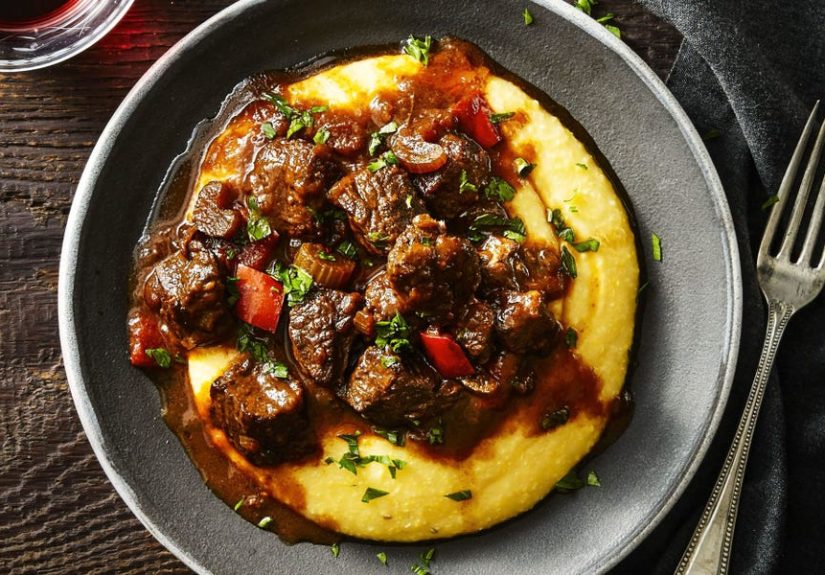
Spoon the creamy cheddar grits into shallow bowls. Ladle the Cajun beef and tomato-vegetable sauce over the top. Finish with parsley or green onions. A dash of hot sauce is welcome, especially if your dinner guests enjoy a little drama.
Recipe Card: N’awlins Cajun Beef and Grits
Prep Time: 25 minutes
Cook Time: 50 minutes
Total Time: About 1 hour 15 minutes
Servings: 6 to 8
Course: Dinner, Brunch, Main Dish
Cuisine: Southern, Cajun-inspired, New Orleans-inspired
Tips for the Creamiest Grits
Great grits are not complicated, but they do appreciate attention. First, choose the right type. Stone-ground grits have the best corn flavor and texture, but they take longer. Regular grits are a solid middle ground. Instant grits are convenient, but they rarely deliver the same creamy, full-bodied result.
Second, use enough liquid. Grits need room to hydrate. A mixture of water and milk gives a nice balance of clean corn flavor and creaminess. Chicken broth works beautifully for savory grits, especially when serving them with beef, shrimp, sausage, or gravy.
Third, whisk early and stir often. Lumps form quickly, and once they set up camp, they are stubborn little things. Add the grits slowly, whisk as they go in, then switch to a spoon and stir frequently over low heat.
Cajun Seasoning vs. Creole Seasoning
Cajun and Creole seasoning are often used interchangeably, but they are not always identical. Cajun seasoning usually leans peppery and bold, often featuring paprika, cayenne, garlic powder, onion powder, black pepper, oregano, and thyme. Creole seasoning may include a wider range of herbs and can taste a bit more aromatic.
For this beef and grits recipe, either works. If your seasoning blend is very salty, start with less and adjust after the sauce simmers. If it is salt-free, you may need to add extra kosher salt. The goal is a savory, warm, slightly spicy sauce, not a seasoning ambush.
How Spicy Is This Dish?
As written, this Cajun beef and grits recipe is moderately spicy. It has warmth and personality, but it should not make anyone question their life choices. To make it milder, use only 2 teaspoons of seasoning and choose sweet bell peppers instead of adding cayenne. To make it hotter, add cayenne pepper, crushed red pepper flakes, or a Louisiana-style hot sauce at the end.
Serving hot sauce on the side is the smartest move for mixed crowds. Some people want a gentle Cajun hug. Others want the bowl to slap them on the back and yell, “Welcome to New Orleans!”
What To Serve With Cajun Beef and Grits
This dish is hearty enough to stand alone, but a fresh side can balance the richness. Try it with a crisp green salad, roasted okra, sautéed green beans, collard greens, or a simple cucumber and tomato salad. Cornbread is also welcome, although serving cornbread with grits is a confident amount of corn. Respect.
For brunch, pair it with eggs, fruit salad, and strong coffee. For dinner, serve it with a side of greens and iced tea. If you are entertaining, offer pickled jalapeños, sliced green onions, extra cheddar, and hot sauce so guests can customize their bowls.
Storage and Reheating
Store leftover Cajun beef and grits separately if possible. The beef keeps well in an airtight container in the refrigerator for up to 3 to 4 days. The grits can also be refrigerated, but they will firm up as they cool. That is normal. Grits are not being difficult; they are just corn with boundaries.
Reheat the beef gently on the stovetop or in the microwave until hot. Add a splash of broth or water if the sauce has thickened. Reheat grits with a little milk, broth, or water, stirring until they become creamy again. For food safety, leftovers should be reheated thoroughly before serving.
Can You Make It Ahead?
Yes. The beef mixture is an excellent make-ahead component because the flavors deepen as it sits. Cook it a day in advance, cool it properly, and refrigerate it. Reheat gently before serving. Make the grits fresh if you can, because their texture is best right after cooking. If you must make grits ahead, reheat them slowly with extra liquid and stir until smooth.
Recipe Variations
Smoky Cajun Beef and Grits
Add 1/2 teaspoon smoked paprika or use a smoked Cajun seasoning blend. You can also stir in a few slices of browned andouille sausage for extra smoky depth.
Extra-Creamy Brunch Version
Cook the grits with half milk and half chicken broth, then finish with cheddar, butter, and a splash of cream. Top each bowl with a soft-fried egg for brunch glory.
Vegetable-Heavy Version
Add mushrooms, okra, or diced zucchini to the sauce. Okra works especially well because it fits naturally into Louisiana-style cooking and helps thicken the sauce slightly.
Quick Weeknight Version
Use thinly sliced sirloin instead of chuck. Sear the beef quickly, set it aside, make the sauce, then return the beef just long enough to warm through. This version can be ready in about 35 minutes.
Common Mistakes To Avoid
Skipping the Sear
Browning the beef creates depth. If you skip it, the dish will still be edible, but it will lose the savory backbone that makes this recipe taste slow-cooked and satisfying.
Using Too Much Seasoning Too Soon
Cajun and Creole blends vary widely in salt and heat. Start with a moderate amount, simmer, taste, then adjust. You can always add more spice, but you cannot politely ask cayenne to leave.
Cooking Grits Too Fast
High heat can make grits stick, clump, or turn pasty. Low and slow is the better path. Stir frequently and add liquid when needed.
Letting the Grits Sit Too Long Uncovered
Grits thicken as they rest. Keep extra warm liquid nearby so you can bring them back to a soft, spoonable texture before serving.
Food Safety Note for Beef
If using whole pieces of beef such as chuck, steaks, or roasts, cook them to a safe internal temperature of 145 degrees Fahrenheit followed by a 3-minute rest when checking doneness. If using ground beef as a variation, cook it to 160 degrees Fahrenheit. A food thermometer is the most reliable way to check, because guessing by color is about as dependable as asking a crawfish for directions.
Experience Notes: What It Feels Like To Cook and Eat This Dish
The first thing you notice when making N’awlins Cajun Beef and Grits is the smell. It starts quietly with beef hitting the hot pan, that deep savory aroma that makes people wander into the kitchen pretending they need a glass of water. Then the onion, bell pepper, and celery join the party, and suddenly the room smells like something important is happening. Add garlic, tomato paste, and Cajun seasoning, and the whole kitchen gets that warm, peppery, tomato-rich fragrance that feels like dinner has put on a little jazz.
This is not a fussy recipe, but it rewards patience. The browning step may look simple, yet it changes everything. When the beef gets a good crust, the sauce later tastes fuller and more layered. You can see the flavor building in real time: browned bits on the pan, vegetables softening, tomato paste darkening slightly, and steam rising with the smell of paprika, pepper, and garlic. It is the kind of cooking that makes you feel competent even if your measuring spoons are missing and your kitchen towel is somehow on the floor.
The grits bring a different kind of satisfaction. At first, they look thin and unimpressive, like they are not sure they want to become dinner. Then, with steady stirring and a little time, they turn creamy and thick. When the cheddar melts in, the whole pot changes. The grits become glossy, rich, and spoon-coating, ready to catch every drop of Cajun beef sauce. That contrast is what makes the dish memorable: bold beef on top, soft grits underneath, heat and creaminess meeting in the middle.
One of the best parts of serving this recipe is watching how people customize it. Some add hot sauce before they even taste it, because they live bravely. Some pile on green onions. Some go back for more grits first, then pretend they only needed “a small spoonful” of beef, which somehow becomes a second full bowl. This dish has that casual, generous quality that makes guests relax. It does not require perfect plating. In fact, it almost looks better a little messy, with sauce sliding into the grits and parsley scattered over the top.
It is also a practical recipe for real life. You can make the beef ahead, reheat it, and serve it over fresh grits for a meal that tastes newly made. You can stretch it for a crowd, spice it up for heat lovers, or tone it down for a family dinner. It works for cold weather, lazy Sundays, game day, Mardi Gras-inspired menus, or any evening when grilled chicken and salad simply do not have the emotional range.
The eating experience is pure comfort. The beef is savory and tender, the vegetables melt into the sauce, the tomatoes add brightness, and the grits mellow the spice. Every bite has a little chew, a little cream, a little heat, and a lot of personality. It is Southern comfort food with a New Orleans wink: friendly, bold, and not remotely interested in being boring.
Conclusion
The best N’awlins Cajun Beef and Grits recipe is all about balance: tender beef, a flavorful Cajun-style vegetable base, tomato-rich sauce, and creamy cheddar grits that pull the whole bowl together. It feels special enough for brunch and comforting enough for dinner, with flexible spice levels and easy make-ahead options.
To make it shine, brown the beef well, cook the onion, bell pepper, and celery until softened, season gradually, and give the grits enough liquid and attention. Do that, and you will have a bowl of Cajun beef and grits that tastes rich, soulful, and deeply satisfying. It is the kind of recipe that proves comfort food does not need to whisper. Sometimes, it should come in hot, play the trumpet, and ask who wants seconds.