Table of Contents >> Show >> Hide
- Why This Gruyère, Bacon, and Spinach Scrambled Eggs Recipe Works
- Ingredients
- Ingredient Notes That Make a Difference
- How To Make Gruyère, Bacon, and Spinach Scrambled Eggs
- Full Recipe Summary
- Tips for the Best Scrambled Eggs Every Time
- Serving Ideas
- Easy Variations
- Common Mistakes To Avoid
- Frequently Asked Questions
- Conclusion
- Cooking Experience: Why This Recipe Becomes a Repeat Favorite
- SEO Tags
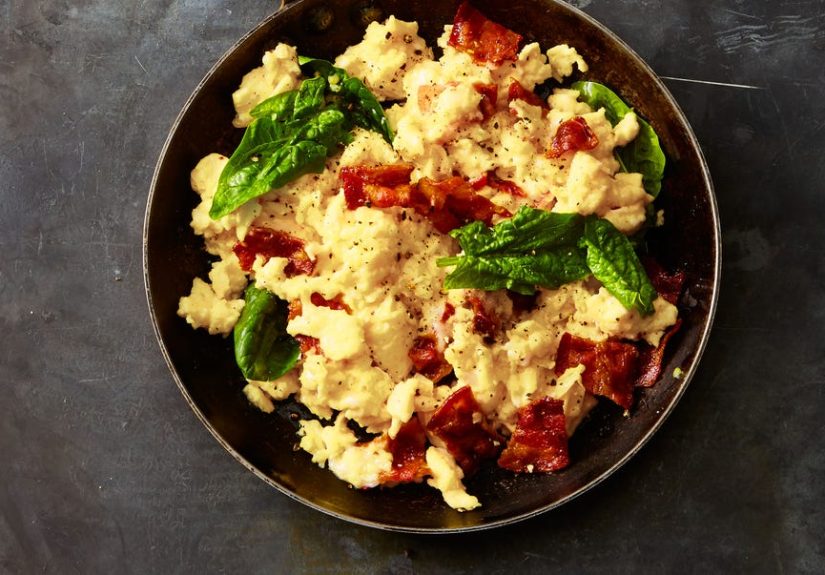
If your usual scrambled eggs feel a little sleepy, this recipe is here to stage a friendly breakfast intervention. Gruyère brings the nutty, melty luxury. Bacon brings the smoky crunch. Spinach adds color, freshness, and just enough virtue to make you feel like a person who definitely has their life together before 9 a.m. Put them together, and you get a skillet full of creamy, savory scrambled eggs that taste like brunch got dressed up for the weekend.
This is not one of those egg recipes that asks you to juggle twelve pans, two obscure cheeses, and the emotional stability of a French chef. It is simple, fast, and deeply rewarding. The goal is soft, fluffy curds, crispy bacon, tender spinach, and pockets of melted Gruyère that stretch just enough to make you feel smug. Whether you are cooking for yourself, feeding a family, or trying to impress someone with “casual breakfast excellence,” this recipe gets the job done.
Why This Gruyère, Bacon, and Spinach Scrambled Eggs Recipe Works
Great scrambled eggs are all about balance. You want richness, but not heaviness. You want flavor, but not chaos. You want soft curds, not rubbery yellow sadness. This recipe works because every ingredient has a job and none of them are freeloading.
Gruyère adds deep flavor
Gruyère is the kind of cheese that does not need to yell to be noticed. It melts beautifully, tastes slightly nutty and savory, and gives scrambled eggs a more grown-up flavor than basic shredded cheese. It feels fancy without being fussy, which is honestly the ideal breakfast personality.
Bacon brings texture and smoky saltiness
Soft eggs need contrast, and bacon delivers it. Crispy bits folded into tender eggs make every bite more interesting. A little bacon fat in the pan also adds extra flavor, which means you get more taste without adding a parade of ingredients.
Spinach lightens the whole dish
Spinach wilts down quickly, adds freshness, and keeps the dish from tipping too far into “I need a nap immediately” territory. It also pairs naturally with eggs and cheese, so it never feels like a random health assignment.
The cooking method protects the texture
The secret is gentle heat and patience. Instead of blasting the eggs until they surrender, you cook them slowly so the curds stay creamy and tender. Add the cheese near the end, fold in the spinach and bacon, and pull the eggs off the heat while they still look slightly glossy. Residual heat finishes the job. Breakfast magic, no wand required.
Ingredients
This recipe makes 2 generous servings or 3 lighter servings.
- 6 large eggs
- 2 tablespoons whole milk or heavy cream
- 1/4 teaspoon kosher salt, plus more to taste
- 1/4 teaspoon black pepper
- 4 slices thick-cut bacon
- 3 loosely packed cups fresh baby spinach
- 3/4 cup shredded Gruyère cheese
- 1 tablespoon unsalted butter
- 1 small shallot, finely minced (optional, but excellent)
- 1 small clove garlic, minced (optional)
- 1 teaspoon chopped chives or parsley for serving
- Toast, roasted potatoes, or fruit for serving if desired
Ingredient Notes That Make a Difference
Eggs
Use large eggs for the best balance of richness and structure. Fresh eggs tend to give you a better texture and fuller flavor. If you want even softer eggs, a splash of cream helps create a silkier finish.
Gruyère
Buy a block and shred it yourself if possible. Pre-shredded cheese is convenient, but freshly grated Gruyère melts more smoothly and tastes better. It is one of those small upgrades that punches above its weight.
Bacon
Thick-cut bacon gives you better texture and more dramatic crunchy bits. Regular bacon works too, but thick slices hold their own against the creamy eggs.
Spinach
Baby spinach is ideal because it wilts fast and has a mild flavor. If using mature spinach, remove any tough stems and chop it roughly before cooking.
How To Make Gruyère, Bacon, and Spinach Scrambled Eggs
Step 1: Cook the bacon
Place the bacon in a cold nonstick or well-seasoned skillet and turn the heat to medium. Cook slowly until the bacon is crisp and the fat has rendered, about 8 to 10 minutes, turning as needed. Transfer the bacon to a paper towel-lined plate. When cool enough to handle, chop or crumble it into bite-size pieces.
Step 2: Sauté the aromatics and spinach
Pour off most of the bacon fat, leaving about 1 teaspoon in the pan. Add the shallot if using and cook for 1 minute until softened. Add the garlic and stir for about 20 seconds, just until fragrant. Toss in the spinach and cook until wilted and most of its moisture has evaporated, about 1 to 2 minutes. Transfer the spinach mixture to a bowl with the bacon.
Step 3: Whisk the eggs
In a medium bowl, whisk together the eggs, milk or cream, salt, and pepper until fully combined and slightly frothy. Whisk like you mean it. You are not trying to summon a thunderstorm, but you do want the whites and yolks fully blended.
Step 4: Start the scramble
Lower the heat to medium-low. Add the butter to the skillet. Once melted, pour in the eggs. Let them sit for a few seconds, then use a silicone spatula to push the eggs gently from the edges toward the center. Continue slowly, forming soft curds. Do not stir constantly like you are mixing soup. Slow folds create better texture.
Step 5: Add the Gruyère, bacon, and spinach
When the eggs are mostly set but still glossy and a little loose, sprinkle in the Gruyère. Fold in the spinach and bacon mixture. Keep cooking gently for another 30 to 60 seconds, just until the cheese melts and the eggs are softly set.
Step 6: Pull them off the heat early
Remove the skillet from the heat while the eggs still look slightly creamy. They will continue to cook for a moment from the residual heat. This is the difference between luxurious scrambled eggs and eggs that taste like they lost a fight.
Step 7: Serve immediately
Top with chives or parsley and serve right away. These eggs are at their best hot from the skillet, with toast for scooping and coffee for emotional support.
Full Recipe Summary
Prep time: 10 minutes
Cook time: 15 minutes
Total time: 25 minutes
Skill level: Easy
Best for: Breakfast, brunch, breakfast-for-dinner, and mornings when cereal feels like giving up
Tips for the Best Scrambled Eggs Every Time
Use medium-low heat
High heat is the fastest way to overcook eggs. If the pan is too hot, the proteins tighten too quickly and squeeze out moisture. That is how you end up with dry, squeaky eggs instead of soft curds.
Do not drown the eggs in extras
It is tempting to keep adding things. Mushrooms, tomatoes, peppers, onions, herbs, six more cheeses, maybe a philosophical monologue. Resist. Too many wet mix-ins can water down the eggs. Keep it focused and let the Gruyère, bacon, and spinach do their thing.
Cook spinach first
Raw spinach releases water as it cooks. If you toss it straight into the eggs, the pan can get watery and your scramble can turn loose in a bad way. Wilt it first and cook off the extra moisture.
Add cheese near the end
Adding cheese too early can make the eggs cook too long before serving. Stir it in near the end so it melts into the scramble without stealing the eggs’ soft texture.
Season carefully
Bacon and Gruyère both bring salt, so start light and adjust at the end. It is easier to add a pinch of salt than to explain why breakfast tastes like a salt lick.
Serving Ideas
This recipe is excellent on its own, but it also plays well with others. Serve it with buttered sourdough toast, roasted breakfast potatoes, sliced avocado, or fresh fruit. If you want to make it feel more brunch-worthy, spoon the eggs onto toasted croissants or fold them into warm breakfast sandwiches.
You can also turn these eggs into a full meal by serving them alongside a simple arugula salad with lemon. That combination feels surprisingly polished for something that started as “What can I do with eggs and bacon?”
Easy Variations
Make it more decadent
Add a tablespoon of crème fraîche or a spoonful of cream cheese to the eggs for an extra-rich finish. This is a very good plan when serving brunch guests you want to impress.
Swap the greens
Kale can work, but cook it longer than spinach. Arugula can work too if you like a peppery bite. Spinach remains the easiest and most reliable option.
Use another cheese
If Gruyère is unavailable, try Swiss, fontina, or white cheddar. But if Gruyère is in the building, it is still the best choice for flavor and melt.
Add herbs
Fresh chives, parsley, or dill all work beautifully. Add them at the end so they stay bright and fresh.
Common Mistakes To Avoid
- Cooking the eggs over high heat
- Adding wet spinach directly to the eggs
- Over-salting before tasting
- Leaving the eggs in the pan too long after they are done
- Using too much cheese and turning the scramble heavy instead of creamy
None of these mistakes are tragic, but they can pull the dish away from “brunch hero” and into “perfectly edible but disappointing.” We are aiming higher than that.
Frequently Asked Questions
Can I make these scrambled eggs ahead of time?
Scrambled eggs are best made fresh. Reheated eggs can become firmer and lose some of their creamy texture. If you need to save time, cook the bacon and spinach ahead, then scramble the eggs just before serving.
Can I use frozen spinach?
Yes, but thaw it completely and squeeze out as much moisture as possible before cooking. Frozen spinach is convenient, but if it is watery, your eggs will know and they will not keep it to themselves.
Is milk necessary?
No. You can make excellent scrambled eggs without milk or cream. That said, a small splash helps create a softer texture and a richer mouthfeel, especially when paired with Gruyère.
What kind of pan is best?
A nonstick skillet is the easiest choice for scrambled eggs because it allows gentle movement and easy cleanup. A well-seasoned cast-iron or carbon-steel skillet can also work if you know your pan and trust it with your breakfast future.
Conclusion
The best Gruyère, bacon, and spinach scrambled eggs are not complicated. They are simply thoughtful. Crisp the bacon well. Wilt the spinach properly. Cook the eggs gently. Add the Gruyère at the right moment. Pull everything off the heat before the eggs go too far. That is it. No drama, no gimmicks, no mysterious brunch sorcery.
What you get is a breakfast that feels luxurious but stays approachable: creamy eggs, savory bacon, tender greens, and melty cheese in every forkful. It is the kind of recipe that works on a sleepy weekday, a lazy Saturday, or a holiday brunch when you want something comforting and impressive. In other words, this is the scramble that earns a spot in your regular rotation and refuses to leave. Fair enough. It is delicious.
Cooking Experience: Why This Recipe Becomes a Repeat Favorite
There is something deeply satisfying about a breakfast recipe that feels a little elevated but never acts like it is above you. That is exactly the experience of making Gruyère, bacon, and spinach scrambled eggs. The first thing you notice is the smell of bacon cooking slowly in the skillet, which is nature’s way of announcing that your kitchen has excellent priorities. Then the spinach hits the pan and softens into a bright green tangle, and suddenly this simple breakfast starts looking like something you would pay too much for at a charming café with tiny water glasses.
What makes this dish memorable is not just the flavor, but the rhythm of making it. There is a nice sequence to it: crisp, wilt, whisk, fold, melt, serve. It feels calm and manageable, even when the morning is not. You do not need advanced cooking skills to pull it off, but the finished dish still gives you that little chef moment where you look at the plate and think, “Honestly? I crushed that.”
The texture is also part of the experience. When the eggs are cooked properly, they are soft and creamy, while the bacon adds just enough crunch to keep every bite interesting. The Gruyère sneaks in with that nutty, buttery richness that makes ordinary scrambled eggs seem a little underdressed by comparison. And then there is the spinach, which brings freshness and balance so the whole thing feels complete rather than overly rich.
This recipe also shines because it is flexible in real-life ways. It works for a rushed breakfast if you keep things simple, and it works for a slow brunch if you pair it with toast, fruit, and a second cup of coffee you actually get to drink while it is still hot. It is impressive enough for guests, yet easy enough for a random Tuesday when you need breakfast to feel like a reward for existing.
Another reason people come back to this scramble is that it hits the sweet spot between comfort food and practical cooking. The ingredients are easy to find, the timing is forgiving once you learn not to overcook the eggs, and the payoff is immediate. There is no waiting for dough to rise, no overnight chilling, no standing around wondering whether breakfast was worth the effort. It is worth it. Very worth it.
And maybe the best part is how this recipe teaches you something useful beyond itself. Once you master this scramble, you understand the logic of good eggs: gentle heat, controlled moisture, and smart timing. That confidence spills into other dishes too. Suddenly omelets seem less intimidating. Breakfast sandwiches get better. Weekend brunch becomes less of a production and more of a pleasure.
So yes, these are scrambled eggs. But they are the kind of scrambled eggs that quietly improve your standards. After a plate of creamy eggs with crisp bacon, tender spinach, and melted Gruyère, plain dry eggs start to feel like a missed opportunity. This recipe does not just feed you. It upgrades your morning expectations, and frankly, your morning deserves that.