Table of Contents >> Show >> Hide
- Why This Baked Pork Chops Recipe Works
- Best Baked Pork Chops Recipe
- How to Keep Baked Pork Chops Juicy
- Should You Use Bone-In or Boneless Pork Chops?
- Optional Upgrades for Even Better Pork Chops
- Best Seasoning Ideas for Baked Pork Chops
- What to Serve with Baked Pork Chops
- Common Mistakes to Avoid
- How to Store and Reheat Leftovers
- Final Thoughts
- Kitchen Experiences: What Real Pork Chop Nights Usually Teach You
- SEO Tags
If pork chops have hurt you before, welcome. This is a safe space. Somewhere between “healthy weeknight dinner” and “why does this taste like seasoned drywall?” baked pork chops developed an unfair reputation. The good news is that the problem is rarely the pork chop itself. It is usually a timing issue, a thickness issue, or a “we left it in the oven while answering one email and suddenly it became meat jerky” issue.
This guide fixes all of that. You will get a juicy, flavorful, reliable baked pork chops recipe that works for busy weeknights, family dinners, and those evenings when you want something comforting without dirtying every pan in the kitchen. You will also learn exactly how to season pork chops, what oven temperature works best, how long to bake them, and how to keep them tender instead of tragically chewy.
If you have been searching for the best baked pork chops recipe, this is the one to bookmark, print, and protect like a treasured family heirloom. Or at least like the last clean sheet pan in your kitchen.
Why This Baked Pork Chops Recipe Works
The best oven baked pork chops are not complicated. They are simply treated with respect. That means choosing chops with enough thickness to stay juicy, seasoning them well, baking them at a hot enough temperature to cook efficiently, and pulling them as soon as they reach the proper internal temperature.
This recipe uses a balanced seasoning blend with pantry staples, a touch of brown sugar for color and flavor, and butter for a richer finish. It is easy enough for beginners but solid enough to make experienced home cooks nod approvingly and say, “Yes, this person has learned from past pork chop trauma.”
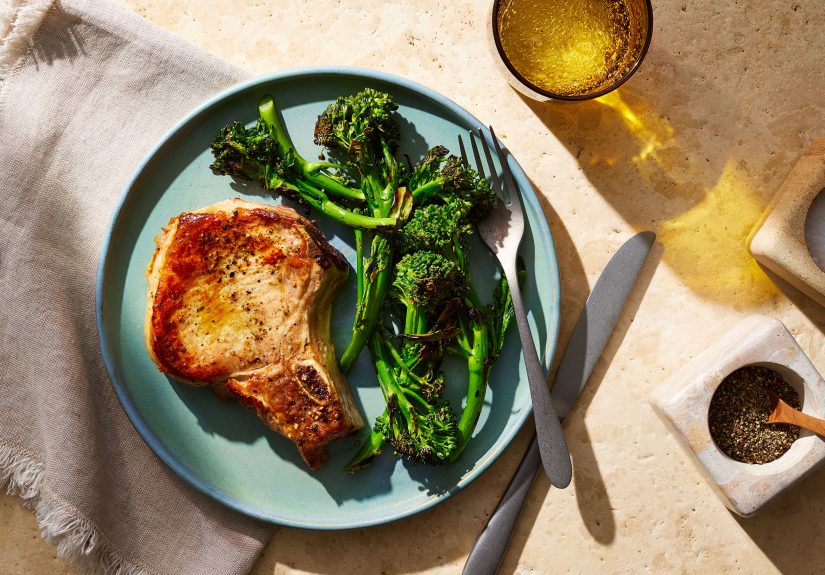
The result is savory, lightly caramelized, tender pork with a juicy center and plenty of flavor on the outside. It pairs beautifully with mashed potatoes, roasted vegetables, rice, salad, mac and cheese, or a hunk of bread that has no business being that good with pork juices, yet somehow is.
Best Baked Pork Chops Recipe
Ingredients
- 4 pork chops, bone-in or boneless, about 1 to 1 1/4 inches thick
- 2 tablespoons olive oil
- 1 tablespoon brown sugar
- 1 1/2 teaspoons kosher salt
- 1 teaspoon garlic powder
- 1 teaspoon onion powder
- 1 teaspoon smoked paprika
- 1/2 teaspoon black pepper
- 1/2 teaspoon dried thyme
- 1/4 teaspoon cayenne pepper, optional
- 2 tablespoons unsalted butter, melted
- 1 teaspoon Dijon mustard, optional, for extra depth
- 1 tablespoon chopped fresh parsley, for serving
- Lemon wedges, optional
Instructions
- Preheat the oven. Set your oven to 400°F. Line a baking sheet or shallow baking dish with parchment paper or lightly grease it with oil.
- Dry the pork chops well. Pat the chops thoroughly with paper towels. This step matters more than people think. Moisture on the surface slows browning, and nobody dreams of pale pork chops.
- Make the seasoning. In a small bowl, mix the brown sugar, salt, garlic powder, onion powder, smoked paprika, black pepper, thyme, and cayenne if using.
- Season the chops. Rub the pork chops with olive oil, then coat both sides evenly with the seasoning mix. If you want a slightly tangier finish, stir the Dijon into the melted butter and reserve it for brushing later.
- Arrange for even baking. Place the chops on the prepared pan with a little space between them. Crowding leads to steaming, and steaming is lovely for vegetables but not the dream for pork chops.
- Bake. Bake until the internal temperature reaches 145°F in the thickest part. For 1-inch boneless chops, this usually takes about 12 to 18 minutes. For 1 to 1 1/4-inch bone-in chops, expect about 18 to 25 minutes. Start checking early because ovens love drama.
- Finish with butter. Brush the hot chops with melted butter right after baking. This adds shine, flavor, and the sort of “restaurant energy” that makes dinner feel more intentional.
- Rest before serving. Let the pork chops rest for 3 to 5 minutes before cutting. This helps the juices redistribute so they stay in the meat instead of sprinting onto the plate.
- Garnish and serve. Sprinkle with parsley and serve with lemon wedges if you like a fresh finish.
Quick Time Guide for Baked Pork Chops
- 1/2-inch thin chops: 8 to 12 minutes
- 1-inch boneless chops: 12 to 18 minutes
- 1 to 1 1/4-inch bone-in chops: 18 to 25 minutes
- Safe internal temperature: 145°F, then rest for at least 3 minutes
How to Keep Baked Pork Chops Juicy
Juicy pork chops start before the oven ever turns on. First, buy chops with decent thickness. Thin pork chops cook quickly, which sounds helpful until you realize they also overcook quickly. A chop that is around 1 inch thick gives you a much better margin for error.
Second, do not skip the thermometer. Color is not the best judge of doneness, and pork does not need to be cooked until it resembles a life lesson. Pull the chops at 145°F and let them rest. That is the sweet spot for safety and tenderness.
Third, avoid aggressive overbaking in the name of caution. Caution is great for crossing the street, but not for pork chops. Overcooked chops lose moisture fast. A hot oven with a shorter cook time usually works better than a lower oven with a long, slow bake.
Finally, a light coating of oil and a good seasoning blend help the outside stay flavorful while the center remains moist. Butter added at the end is the little black dress of dinner finishing moves: simple, classic, and unfairly effective.
Should You Use Bone-In or Boneless Pork Chops?
You can use either. Bone-in pork chops tend to be a little more forgiving because the bone can help slow down moisture loss and add flavor. They also look more impressive on the plate, which is useful when you want dinner to seem fancy without doing anything especially fancy.
Boneless pork chops are quicker, easier to eat, and excellent for weeknights. They just need slightly closer attention because they can dry out faster. If you are new to baking pork chops, thick bone-in chops are a great choice. If speed matters most, thick boneless chops are also fantastic.
The real secret is not choosing one over the other. It is choosing chops that are thick enough to stay juicy and pulling them on time.
Optional Upgrades for Even Better Pork Chops
1. Brine Them
If you have an extra 30 minutes, a quick brine can help. Dissolve 1/4 cup kosher salt and 1 tablespoon sugar in 4 cups of water, then soak the chops for 30 minutes. Pat them completely dry before seasoning. This is especially helpful for lean boneless chops.
2. Sear First
For deeper color and flavor, sear the chops for 1 to 2 minutes per side in an oven-safe skillet before transferring them to the oven. This adds a richer crust and gives your kitchen that “something amazing is happening in here” smell.
3. Add a Glaze
A thin brush of maple-Dijon glaze, garlic butter, or honey mustard during the final few minutes of baking can make the dish feel more special without making it harder. Sweet and tangy flavors work beautifully with pork.
Best Seasoning Ideas for Baked Pork Chops
One reason this best baked pork chops recipe works so well is that it is flexible. Pork plays nicely with a wide range of flavors, so once you master the basic method, you can change the vibe whenever you want.
- Classic savory: garlic powder, onion powder, paprika, thyme, black pepper
- Sweet and tangy: brown sugar, Dijon mustard, maple syrup, garlic
- Herb-forward: rosemary, thyme, parsley, lemon zest
- Smoky: smoked paprika, chili powder, cumin, garlic
- Comfort food style: ranch seasoning, Parmesan, breadcrumbs, butter
If your family gets bored easily at dinner, pork chops are actually a gift. One week they can lean garlicky and buttery. The next week they can go honey mustard. The week after that, they can show up with rosemary and lemon like they own a little villa somewhere.
What to Serve with Baked Pork Chops
The best sides depend on whether you want cozy, fresh, or somewhere in between. For comfort, mashed potatoes, mac and cheese, roasted sweet potatoes, buttered noodles, or creamy rice are excellent choices. For lighter meals, try green beans, roasted broccoli, Brussels sprouts, a crisp salad, or sautéed spinach.
Pork chops also love fruit-friendly sides. Applesauce, roasted apples, or a simple apple slaw can bring brightness to the plate and make the whole dinner feel a little more thoughtful. It is one of those classic pairings that keeps working because, frankly, it understands the assignment.
Common Mistakes to Avoid
- Using chops that are too thin: they cook too fast and dry out easily.
- Skipping the thermometer: this is how guesswork becomes regret.
- Overcrowding the pan: too little space means less browning.
- Not patting the meat dry: surface moisture can interfere with color and texture.
- Cutting right away: resting is not optional if you want juicy pork chops.
- Overseasoning with salt after brining: if you brine, reduce the added salt in your rub.
Most pork chop disasters are fixable once you know what causes them. Usually, it is not bad luck. It is just a small timing or prep problem wearing the disguise of betrayal.
How to Store and Reheat Leftovers
Store leftover baked pork chops in an airtight container in the refrigerator for up to 3 to 4 days. To reheat, place them in a covered baking dish with a splash of broth or water and warm at 300°F until heated through. You can also microwave them in short bursts, but lower-power reheating tends to preserve texture better.
Leftover pork chops are also great sliced into sandwiches, grain bowls, wraps, salads, or fried rice. In fact, a good baked pork chop often becomes tomorrow’s easiest lunch, which makes the recipe feel even smarter.
Final Thoughts
The best baked pork chops recipe is not about fancy ingredients or complicated technique. It is about using a dependable method that gives you juicy pork, real flavor, and enough flexibility to make dinner feel fresh every time. Start with thick chops, season them well, bake at 400°F, use a thermometer, and let the meat rest. That is the formula.
Once you get it right, baked pork chops stop being a backup plan and start becoming something you actually crave. They are easy, affordable, versatile, and surprisingly impressive when treated well. In other words, they are the kind of dinner that quietly saves the week.
Kitchen Experiences: What Real Pork Chop Nights Usually Teach You
There is a very specific kind of optimism that happens when someone says, “Let’s make pork chops tonight.” It sounds sensible. Responsible, even. You picture a golden, juicy dinner with maybe some roasted vegetables on the side and a table full of compliments. Then the pork chops come out dry, everyone politely chews for a suspiciously long time, and suddenly applesauce is doing all the emotional labor. Many home cooks have lived through that phase.
What changes everything is experience. The first lesson people usually learn is that pork chops are not difficult so much as unforgiving. Chicken may let you wander around the kitchen folding laundry while it roasts. Pork chops want your attention. They reward accuracy. The difference between tender and dry can be just a few minutes, which is why a thermometer often becomes the hero of the whole story.
Another common experience is discovering that thickness matters more than expected. So many disappointing pork chop dinners start with thin chops bought in a hurry because they looked convenient. They were convenient, yes, in the same way a paper umbrella is convenient during a thunderstorm. Once you switch to thicker chops, the recipe becomes much more forgiving. Suddenly dinner feels less like a timed exam and more like actual cooking.
Then there is seasoning. A lot of people remember the era of plain pork chops with a little salt, a little pepper, and a lot of sadness. But once you start layering flavor with garlic, paprika, herbs, brown sugar, butter, or mustard, baked pork chops become genuinely exciting. Families often find a version that becomes their house favorite. Some love smoky seasoning. Some want sweet and tangy glaze. Some want lemon and herbs because they like dinner to feel vaguely elegant on a Tuesday.
One of the nicest things about this dish is how often it becomes part of a routine. It is the kind of recipe people make after work when they are tired but still want a proper meal. It is also the kind of recipe that grows with you. At first, you follow every step carefully. Later, you start improvising. You add rosemary. You swap in maple butter. You roast potatoes on the same pan. You realize you are no longer “making pork chops.” You are making your pork chops.
That is usually when the recipe becomes a keeper. Not because it is trendy or dramatic, but because it works in real kitchens with real schedules and real hunger. It survives weeknights, picky eaters, grocery budget constraints, and those evenings when dinner needs to happen before anyone gets dramatic. And perhaps that is the best compliment a recipe can get: it earns a permanent spot in regular life.